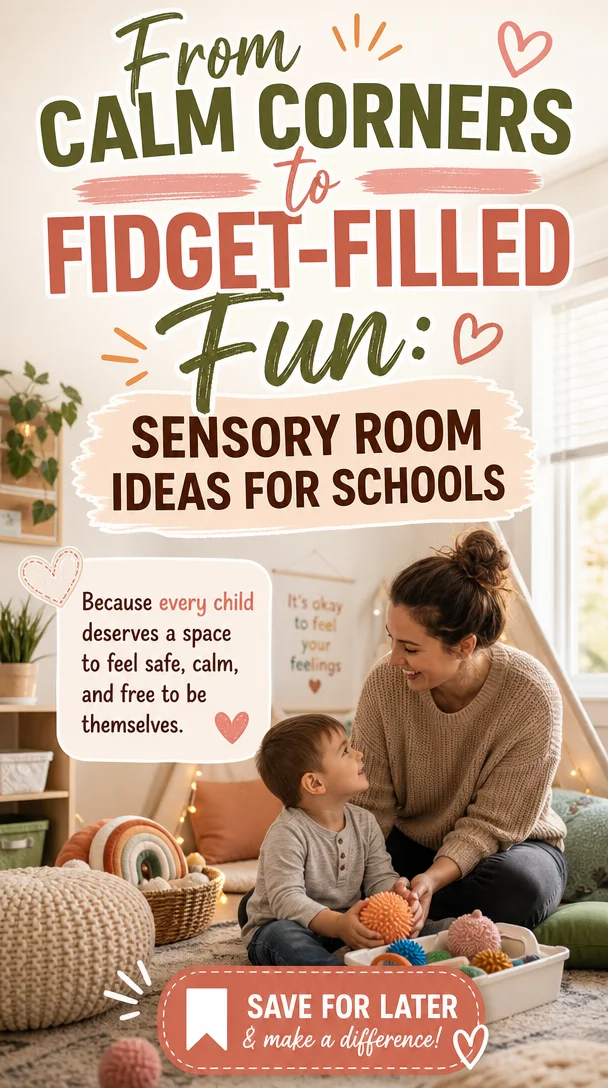
30 Must-Try Sensory Room Ideas for Schools
Meta Description
Explore 30 must-try sensory room ideas for schools to create calming environments that support students’ emotional and sensory needs.
Introduction
As parents, we often witness the overwhelming emotions our children face in a world that demands so much from them. In schools, these feelings can multiply, leading to stress, anxiety, and a sense of disconnect. That’s where sensory rooms come into play! They provide safe havens where students can process their emotions and recalibrate their senses. Imagine walking into a vibrant, engaging space designed solely to help children relax, focus, and feel more in control. Sounds amazing, right? Let’s dive into 30 sensory room ideas that can transform an ordinary classroom into a sanctuary of calm.
Why Sensory Rooms Matter
Sensory rooms offer significant benefits for students, especially for those with sensory processing issues, autism spectrum disorder, or anxiety. These spaces provide therapeutic experiences that help students manage overwhelming sensory environments they often encounter in traditional classrooms.
- Emotion Regulation: Sensory rooms equip students with tools to handle their emotions effectively.
- Focus Enhancement: A designated space allows students to refocus their energy and concentration.
- Stress Relief: Engaging in sensory activities can significantly reduce stress and anxiety levels.
30 Must-Try Sensory Room Ideas
Creating an inviting and effective sensory room is a journey filled with creativity and understanding. Here are 30 sensory room ideas that you can incorporate to make the most out of this safe space.
H2: 1. Calming Corner
Set aside a small nook filled with soft pillows and cozy blankets. This space helps children retreat for a few moments of quiet.
H2: 2. Interactive Wall Panels
Use textured panels that students can touch and manipulate. These panels offer various sensory experiences, from smooth to rough surfaces.
H2: 3. Sensory Bins
Fill bins with rice, foam beads, or sand. Provide containers, scoops, and molds, encouraging students to engage in tactile play while honing fine motor skills.
H2: 4. Aromatherapy
Incorporate essential oil diffusers with calming scents like lavender and chamomile. These aromas can aid relaxation and create a soothing atmosphere.
H2: 5. Playdough Station
Set up a dedicated area for playdough. Kneading and molding it can help relieve tension and encourages creativity.
H2: 6. Light Projector
Incorporate a light projector that displays soothing images on the walls or ceiling. Gentle movements can provide a captivating visual experience, helping students decompress.
H2: 7. Weighted Blankets
Add weighted blankets to the room for students who benefit from deep pressure. These can be effective in reducing anxiety and promoting calm.
H2: 8. Sound Machine
Include a sound machine or calming music. Soft sounds can drown out distracting noises and help students focus.
H2: 9. Fidget Toys
Stock the room with various fidget toys like spinners, squishies, and textured balls. These toys allow students to release excess energy and keep their hands busy.
H2: 10. Soft Lighting
Turn off harsh overhead lights and use floor lamps or fairy lights instead. Soft lighting creates a warm, welcoming atmosphere that’s conducive to relaxation.
H2: 11. Nature Elements
Incorporate plants or natural elements. Bringing the outside in helps students feel grounded and connected to nature.
H2: 12. Bubble Tube
Install a bubble tube to capture students’ attention and provide a visual sensory experience. The calming movement of bubbles can be mesmerizing.
H2: 13. Swing or Hammock
Add a swing or a hammock for students to rock back and forth. This gentle motion can be very soothing and offers a unique sensory experience.
H2: 14. Textured Carpet
Install soft, textured carpet or mats that provide comfort underfoot. Different textures can stimulate sensory exploration.
H2: 15. Balance Equipment
Include balance boards or wobble stools to help students develop coordination. These tools also provide a fun outlet for excess energy.
H2: 16. Quiet Jar
Create jars filled with glitter and water. Shaking them up creates a visual calming tool that students can watch as the glitter settles.
H2: 17. DIY Sensory Bottles
Make sensory bottles filled with various materials like beads, oil, glitter, and water. These engaging creations capture attention and can be shaken for calming moments.
H2: 18. Tactile Wall
Design a tactile wall that features various textured materials for students to feel. This interactive element promotes sensory exploration with each touch.
H2: 19. Visual Schedules
Use visual schedules or charts as a guide for activities. These can help students understand what to expect and reduce anxiety about transitions.
H2: 20. Exercise Balls
Incorporate exercise balls for students who need to bounce a bit to focus. These can help provide both movement and a sensory outlet.
H2: 21. DIY Paint Station
Set up a section for creative art using safe, squishy paints. Expressive art allows students to release emotions while engaging their senses.
H2: 22. Bubble Wrap Space
Let students pop bubble wrap as a fun and satisfying way to relieve stress. The tactile sensation feels amazing and serves as a quick emotional release.
H2: 23. Sand Table
Fill a sand table for tactile play. Students can explore while developing fine motor skills and creativity through creative play.
H2: 24. Calming Colors
Choose calming color palettes for the room. Soft blues, greens, and pastels create a soothing environment that fosters relaxation.
H2: 25. Yoga Mats
Use yoga mats in the sensory room for movement activities. Encourage stretching and simple yoga poses to help students center themselves.
H2: 26. Communication Tools
Create a communication corner with visuals or cards to help express emotions. These tools assist students who may find it difficult to verbalize their feelings.
H2: 27. Nature Sounds
Play recordings of nature sounds, such as rain or ocean waves. This can create a peaceful background while students engage in sensory activities.
H2: 28. Q&A Board
Include a Q&A board where students can write down their feelings and ask questions. This tool helps them articulate their thoughts and connect with one another.
H2: 29. Sensory Stories
Share sensory stories that incorporate various textures and sounds. These experiences engage multiple senses and spark imagination.
H2: 30. Reflection Area
Designate a space for reflection where students can self-assess their feelings through journaling or drawing. This encourages emotional growth and mindfulness.
Helpful Tips for Implementation
-
Collaborate with Educators: Work closely with teachers and staff to tailor sensory room ideas to your school’s unique needs. Gather input on what works best for students and adapt as necessary.
-
Engage Students: Involve students in the design process. Ask for their ideas on what they feel would help them relax and focus most effectively.
-
Keep It Flexible: A sensory room should evolve. Be open to changing activities and items based on student feedback and usage patterns.
-
Set Guidelines: Establish clear guidelines for using the sensory room to ensure it remains a safe and positive experience for everyone.
Encouraging Conclusion
Creating a sensory room in a school can be a game-changer for students seeking comfort and focus amidst the chaos of education. By incorporating these 30 sensory room ideas, you can design an environment that supports emotional regulation, encourages exploration, and fosters connection. Remember, every child’s needs are unique, so keep experimenting with activities that resonate with them. Embrace the messy, beautiful journey of creating a safe, calming space for your students. Together, we can make school feel a little lighter, warmer, and more joyful—one sensory experience at a time. You are doing an incredible job, and your dedication to your children’s well-being truly matters!
Optional FAQ Section
Q: How often should students use the sensory room?
A: Allow students to use the sensory room as needed. Some may require short breaks throughout the day, while others may prefer a longer, dedicated time for calming.
Q: What types of students benefit from sensory rooms?
A: Sensory rooms benefit students with sensory processing disorders, autism, anxiety, ADHD, and those who simply need a moment to regroup.
Q: Can parents help with sensory room ideas?
A: Absolutely! Parents often have valuable insights into their children’s needs. Encourage them to share ideas that might work well in the sensory space.
Creating a nurturing environment for students can have lasting impacts on their emotional and academic success. Let’s keep pushing those boundaries together!