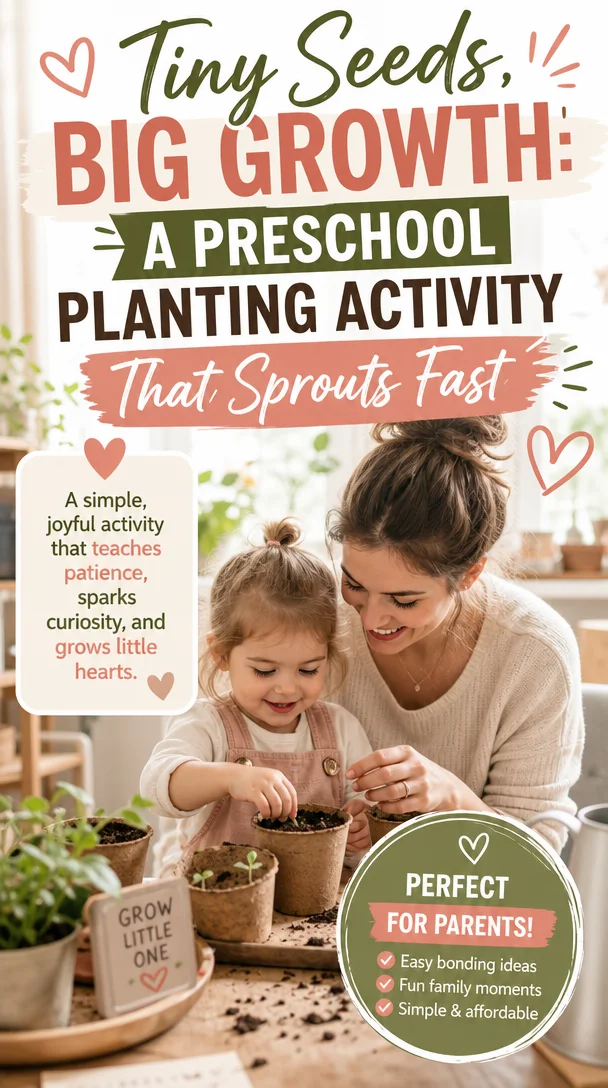
Tiny Seeds, Big Growth: A Preschool Planting Activity That Sprouts Fast
The Preschool Planting Activity That’s Always a Hit (Spoiler: It Grows Fast!)
Meta Description: Discover a fun and easy preschool planting activity that engages little ones, grows quickly, and creates meaningful moments without the mess!
Ah, the joys of parenting! One moment you’re navigating the epic battles of getting your toddler to eat their veggies, and the next, you’re trying to keep them entertained while nurturing their curiosity. If you’re anything like me, you often search for activities that engage your little ones and provide that delightful sense of accomplishment. Here’s a fun secret: a preschool planting activity can be just what you need! This activity isn’t just easy to prep and low on the mess factor; it also grows incredibly fast, keeping kids engaged and excited from start to finish.
Imagine your little one’s face lighting up as they witness something they planted sprouting before their very eyes. It’s rewarding, it’s educational, and trust me, it’s a fantastic way to introduce your child to the joys of gardening and nature. Today, let’s dive deep into this engaging preschool planting activity!
Why Planting Activities Matter
Before we get into the nitty-gritty, let’s chat about the benefits of involving our children in planting activities. These moments can be so much more than cute Instagram photos of tiny hands in the soil. Here’s why they matter:
Encourages Curiosity
Planting seeds and watching them grow sparks scientific inquiry. Children can ask questions like:
- What do plants need to grow?
- Why do some plants grow faster than others?
This inquiry nurtures their innate curiosity about the world around them.
Fosters Responsibility
Taking care of plants teaches your child responsibility. They learn that watering, sunlight, and care can make a difference in a plant’s health—much like how your care and love nurture them!
Boosts Emotional Development
As children observe growth, they experience a sense of achievement. They learn patience as they wait for their seeds to sprout and grow, fostering emotional resilience and joy.
Sparks Creativity
Give kids a chance to decorate pots or choose different seeds, allowing them to express their creativity. Whether they opt for flowers or vegetables, their choices reflect their personalities.
Get Started with Your Planting Activity
Ready to dive into the details? Let’s break down this preschool planting activity step by step so you can easily replicate it at home or even in a classroom setting.
Supplies You’ll Need
Gather these simple supplies to kick off your planting adventure:
- Small pots (biodegradable ones work wonders)
- Potting soil
- Seeds (fast-growing options like beans or sunflower seeds)
- Watering can or spray bottle
- Crayons or markers for decorating pots
- Optional: small gardening tools (shovel, rake)
Step 1: Setup Your Space
Choose a spot that’s easy to clean up in case of spills. Lay down a plastic tablecloth or some newspaper to contain the mess. Set up your supplies, making everything accessible for tiny hands. Having a dedicated workspace creates excitement and a sense of purpose.
Step 2: Decorate the Pots
Encourage creativity by letting the kids decorate their pots. Use crayons or markers to add their names, drawings, or even fun illustrations of what they expect their plants to become. This personal touch makes the activity feel more special.
Step 3: Fill Pot with Soil
Once the pots are decorated, guide your children in filling them with potting soil. Let them feel the texture and smell the earthy scent—a wonderful sensory experience! This is also a chance to chat about how soil helps plants grow.
Step 4: Planting Seeds
Now comes the exciting part: planting the seeds! Explore the seeds together—show them how they vary in size and shape. Let each child plant 1-3 seeds in their pots, covering them gently with soil. This hands-on approach keeps them engaged and teaches them how to be gentle with their plants.
Step 5: Water Carefully
Provide a watering can or a spray bottle. Children love being in charge of watering their seeds! Demonstrate how much water plants typically need, encouraging them to give just enough without drowning the seeds. This also opens up discussions about moisture and sun—all vital elements for their future plant!
Step 6: Find a Sunny Spot
After planting, make a big deal of finding the perfect sunny spot in your home or backyard. Explain to your child the importance of sunlight in the growing process. You can say something like, "Just like we need sunshine to play outside, our plants need it to grow!"
Encouragement Tip: Keep a Growth Journal
Consider making planting even more interactive by keeping a growth journal. Together, take notes and draw pictures as the days go by, tracking the changes in their plants. Kids love seeing the progress, and this habit nurtures their observation skills and creativity. Each day, ask them:
- What did they notice about their plant?
- How tall is it now?
Instant Gratification: Choose Fast-Growing Seeds
To keep your preschoolers interested, remember: the faster the growth, the better! Here are some seed suggestions that sprout quickly:
- Beans: They grow rapidly and are fun to watch due to their sturdy nature.
- Sunflower seeds: Kids love the big, cheerful flowers that come later on, making their efforts feel rewarding.
- Radishes: If you want to surprise little ones, this vegetable can sprout within a week!
How to Expand the Activity
Let’s make things extra fun! Here are some bonus ideas to get more out of your preschool planting activity:
Add a Science Lesson
Talk to your child about the plant lifecycle. Use this opportunity to introduce terms like “germination” and “photosynthesis.” Simple explanations go a long way in helping them understand how nature works.
Explore Different Plants
Why not try planting different types? You could start by comparing herbs like basil or mint, which also smell delightful! Discuss why some plants are taller than others, or why some sprout more quickly.
Get Messy with Nature
Incorporate nature walks where kids can collect leaves, rocks, or flowers. They can create a nature collage alongside their plants, making a holistic creation that fuels both creativity and a love for the outdoors.
Close the Loop with Harvest Time
If you plant vegetables, celebrate the harvest! Create a little cooking day where you can make a meal together using what you’ve grown. Kids feel immense pride when they see what they cultivate reaching the dinner table.
Plan a Gardening Day
If you have an outdoor space, gather some friends and have a gardening day! Plant together, decorate pots, and share experiences. Not only does it deepen friendships, but kids also love the social aspect of learning together!
Conclusion: Celebrate Small Wins and Grow Together
Remember, parenting is a beautiful, messy journey filled with moments that matter—even in the planting of seeds! This preschool planting activity allows both you and your child to connect in meaningful ways. As they witness growth first-hand, you foster a sense of responsibility and wonder within them. So grab those pots, dig your fingers into the earth, and watch as your children blossom right alongside their plants!
Parenting can feel overwhelming at times, but creating these small moments makes all the difference. You’re doing an incredible job just by being present. So celebrate those little victories, cherish the mess, and nurture your child’s natural curiosity. If you found this activity helpful, share it with fellow parents and tag us in your planting adventures!
With love and roots,
Lucy Everly 💛
FAQs about Preschool Planting Activities
Q1: How can I prevent mess during this activity?
A1: Setting up a designated space with protective coverings, like a plastic tablecloth, can keep spills contained. Making use of biodegradable pots can also minimize mess when moving plants outside later.
Q2: What if my child loses interest in their plants?
A2: To keep their interest alive, incorporate storytelling about the plants. Explain what they need and invite them to participate in observing and recording growth.
Q3: Can I do this activity indoors?
A3: Absolutely! Just ensure they receive adequate sunlight from windows or use grow lights if necessary. Indoor gardening works well with smaller pots and adds to home decor too!
Q4: How often should I water the plants?
A4: A good rule of thumb is to water when the top inch of soil feels dry. Involve your child in this process so they can learn about moisture levels.
Feel free to reach out if you have any more questions or if there’s another engaging activity you’d like to explore! Happy planting!
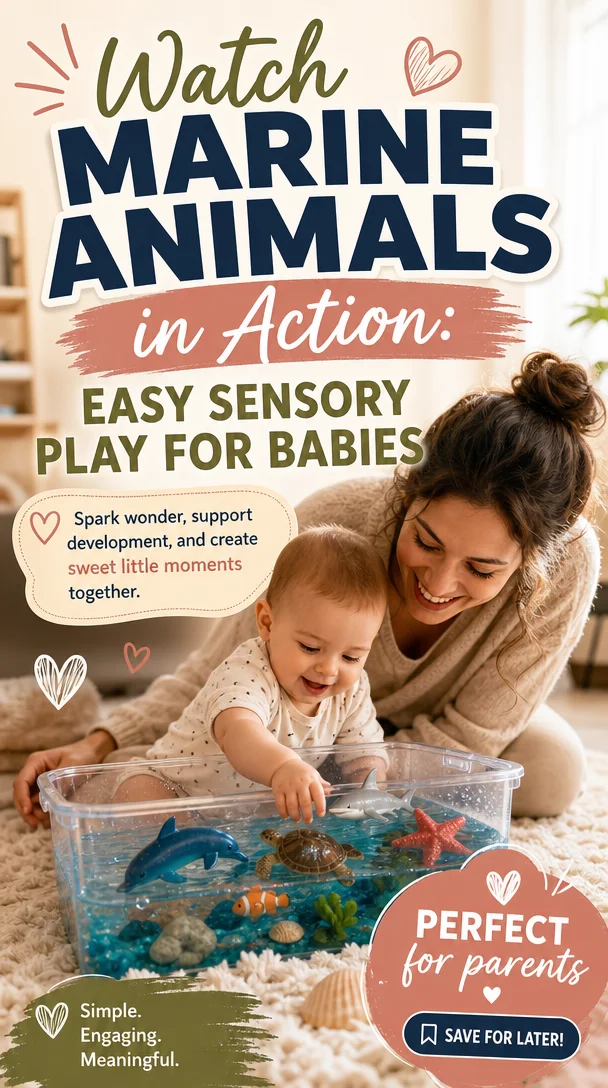
Watch Marine Animals in Action: Easy Sensory Play for Babies
5 Engaging Sensory Bag Ideas for Babies: Exploring the Wonders of Ocean Life
Meta Description
Discover 5 simple sensory bag ideas for babies that promote exploration, motor skills, and curiosity! Dive into ocean-themed fun and learning today!
Introduction
As a parent, you know that every little splash of joy helps your baby grow. Sensory play might just be the most magical aspect of early childhood development. It opens up a world of exploration, wonder, and learning—all while having a great time! Today, let’s dive into five amazing sensory bag ideas centered around the enchanting theme of ocean life. These activities will not only captivate your little one’s imagination but also help them develop essential motor skills and visual attention.
Whether it’s their first encounter with the ocean or a way to blend play with learning, these sensory bags make every moment feel special. After all, parenting isn’t about being perfect; it’s about creating moments that matter. Let’s explore!
Why Sensory Play Matters
The Benefits of Sensory Activities
When it comes to your baby’s development, every interaction counts. Sensory activities stimulate the brain and encourage exploration, curiosity, and creativity. They help to:
- Enhance motor skills: Grasping and manipulating objects build coordination and strength in tiny hands.
- Encourage visual attention: Engaging colors and shapes draw your baby’s eyes and keep them focused.
- Spark curiosity: Interactive and dynamic experiences foster a natural desire to explore the world.
Through sensory play, your little one learns not just about textures and colors but also about cause and effect, which is fundamental for their cognitive development.
1. Pom-Poms + Water = Colorful Fun!
Imagine a watery world filled with colorful pom-poms bobbing around. This activity is not only visually appealing, but it also promotes a variety of sensory experiences.
What You’ll Need
- A ziplock bag or clear container
- Assorted pom-poms (various sizes and colors)
- Water
- Optional: a few drops of food coloring for added flair
How to Create It
- Start by filling your bag or container with water, leaving some space at the top.
- Drop in the pom-poms and a splash of food coloring if using.
- Seal the bag tightly, ensuring no leaks, or secure the container’s lid.
Developmental Benefits
Your baby will enjoy the feel of the soft pom-poms while manipulating them in the water, enhancing their fine motor skills. As they watch the bright colors shift, their visual coordination also improves.
2. Mess-Free Painting with Tints
Painting can create wonderful memories, but the mess is often overwhelming. Enter: mess-free painting!
What You’ll Need
- Ziplock bags
- Washable paint
- White paper
- Optional: transparent contact paper
How to Create It
- Squeeze a few dollops of washable paint into one corner of the ziplock bag.
- Seal the bag, ensuring there’s no air trapped inside.
- Let your baby push, squish, and explore the colors. You can place a piece of white paper underneath the bag to see their colorful artwork through the bag!
Developmental Benefits
This activity promotes creativity and visual tracking as your baby discovers how colors mix and blend without the stress of cleanup. It also enhances their motor skills as they maneuver and push the paint around, keeping parents sane and happy!
3. Sparkly Sequins + Water
Who doesn’t love a little sparkle? This sensory bag idea adds an element of surprise and intrigue—perfect for your little explorer!
What You’ll Need
- A ziplock bag or clear container
- Assorted sequins
- Water
- Optional: a bit of glitter for extra shimmer
How to Create It
- Add sequins and water to your bag or container.
- If using, sprinkle in some glitter.
- Seal it tight and let your baby shake and explore!
Developmental Benefits
The shimmering sparkles and their movement when the bag is shaken will capture your baby’s attention and encourage them to explore. It’s a delightful way to enhance visual exploration and tactile experiences. Plus, the act of shaking helps develop their gross motor skills!
4. Ocean Treasures: Marine Animals + Water
Bring the ocean to your home with this incredibly interactive sensory bag that introduces your little one to marine life.
What You’ll Need
- A ziplock bag
- Small ocean-themed toys (like marine animals)
- Water
- A few drops of blue food coloring for realism
How to Create It
- Fill your ziplock bag with water and drop in the marine animals.
- Add food coloring for a vibrant sea effect and seal securely.
Developmental Benefits
This imaginative activity lets babies interact with ocean life, fostering a connection with nature. As they explore the movement of the water and toys, they enhance their sensory development and understanding of their environment. Plus, it opens up opportunities for conversations about different sea creatures!
5. Exploring the Mixing World: Water + Oil + Dye
This sensory experiment demonstrates something magical: how liquids interact!
What You’ll Need
- A clear container (preferably with a lid)
- Water
- Vegetable oil
- Food coloring
How to Create It
- Fill the container halfway with water.
- Slowly add vegetable oil until it almost fills the container (you’ll see it float on top).
- Drop in a few drops of food coloring and close it tightly.
- Let your baby shake it up and watch the colors mix!
Developmental Benefits
This fascinating activity not only captures your baby’s attention with vibrant colors, but it also facilitates an introduction to scientific concepts like density and mixing, all while developing their visual curiosity and hand-eye coordination!
Helpful Tips for Sensory Play
Safety First
When it comes to sensory play, safety is your priority. Always ensure everything you include in bags is non-toxic and that containers are securely sealed to avoid spills. Supervision is key to keeping play safe and enjoyable.
Make It Engaging
Talk to your baby while they play! Describe colors, textures, and actions. Encouragement helps build early language skills and emotional connections.
Rotate Activities
To keep sensory play fresh, rotate the materials and themes regularly. Introduce different items, colors, and textures! This keeps both you and your little one excited about playtime.
Share the Joy
Capture those adorable moments on your phone and share the joy with friends! Sensory activities can spread warmth and ideas among parent communities, making the experience even more enjoyable.
Conclusion
Creating sensory bags can transform everyday moments into incredible adventures for you and your little one. By fostering curiosity and exploration, you provide a nurturing environment for development without the overwhelm of perfect parenting. Remember, it’s all about enjoying these fleeting moments together. Embrace the mess, celebrate the small wins, and, most importantly, enjoy the journey of parenthood.
You’re doing amazing, and every splash of love counts. Here’s to many joyful moments ahead as you dive into sensory exploration. You’ve got this, and your little one will thank you with every giggle and smile!
Optional FAQ Section
Q: How often can we use sensory bags?
You can use sensory bags daily! Rotate the themes and materials to keep things engaging for your baby.
Q: Can older kids enjoy sensory bags too?
Absolutely! You can tailor the contents to suit different age groups. For older children, involve them in making the sensory bags and discussing the science behind them.
Q: How do I store sensory bags?
Seal them tightly and store them in a cool, dry place. Ensure they’re safe from any sharp objects and away from direct sunlight to maintain their integrity.
Let’s make every day a little brighter and a lot more playful! Happy exploring!

Why This Cornstarch & Dish Soap Bubble Dough Makes DIY Sensory Play Soft and Stretchy
Make Your Own Cornstarch & Dish Soap Bubble Dough: A Fun DIY Sensory Play Activity for Kids
Meta Description: Discover a quick and easy DIY sensory play activity with cornstarch and dish soap bubble dough! Perfect for creative playtime and bonding moments.
Introduction: The Joy of Messy Play
Hey there, fellow parents! Have you ever found yourself staring blankly at a rainy day, wondering how to keep your little ones entertained without the lure of screens? Or maybe you’ve faced the chaos of the kitchen as your mini tornadoes whirl around, demanding your attention every second. Believe me, I’ve been there!
As parents, we crave activities that ignite our children’s creativity while also fostering life skills. That’s why I’m excited to share a delightful, DIY activity that requires just two ingredients and will leave your kids giggling and exploring. Welcome to the world of Cornstarch and Dish Soap Bubble Dough! This soft, stretchy, and oh-so-fun dough will transform your home into a magical sensory play zone. Plus, it’s an incredible opportunity for bonding and learning through play. So, grab your apron and let’s dive in!
What is Cornstarch and Dish Soap Bubble Dough?
You might be wondering, "What makes this bubble dough so special?" First off, it’s non-toxic, which means you can relax knowing it’s safe for your little ones. Secondly, it’s budget-friendly; with just cornstarch and dish soap, you can whip up a batch in no time. But the best part? It’s endlessly entertaining and will provide your kids with hours of exploratory fun!
Why Sensory Play Matters
Before we jump into the how-to, let’s talk a bit about sensory play. Engaging in activities that stimulate the senses helps kids develop critical skills, enhance creativity, and promote emotional regulation. When kids squish, mold, and stretch this bubble dough, they engage with textures, smells, and the thrill of making a mess (all of which are crucial for their development).
So, let’s embrace the mess and get started!
How to Make Cornstarch and Dish Soap Bubble Dough
Ingredients You Need
- 1 cup of cornstarch
- ½ cup of dish soap
Step-by-Step Instructions
-
Gather Your Materials
Ensure you have a bowl for mixing, a spatula or spoon, and a clean surface for play. An apron for your little one might be a good idea to keep the fun somewhat contained! -
Mix It Up
In your bowl, combine the cornstarch and dish soap. Start stirring with your spatula until you notice it begins to combine into a dough-like consistency. Don’t worry if it appears a bit crumbly initially; this is all part of the magic! -
Get Your Hands Involved
Once the mixture becomes tough to stir, it’s time for the hands-on part! Press your fingers into the dough, kneading it until it becomes soft and pliable. This step feels great for kids and is an excellent way for them to practice fine motor skills. -
Experiment with Consistency
If it’s too sticky, add more cornstarch. If it’s too crumbly, add a dash more dish soap. Encourage your kids to describe the texture and what they feel. Is it sticky? Soft? Stretchy? -
Playtime Begins!
Now that you’ve created your bubble dough, it’s time for the ultimate sensory experience! Let your kids explore, stretch, and mold their new creation. Use cookie cutters, rolling pins, or even just their hands to shape it into whatever they desire!
Engaging Ways to Play with Bubble Dough
Create a Bubble Dough Station
To elevate the fun, set up a sensory station. Include play mats or trays to contain the mess and provide a range of tools — think cookie cutters, plastic animals, or even a few toys. This encourages imaginative play and enhances their creative experience.
Bubble Dough Art
Encourage your little ones to create “art” with the dough! They can flatten it out and use various tools to create patterns or designs. Add some food coloring to the mix for colorful fun or sprinkle in some glitter for that extra pizzazz. Art is not just on the canvas; it can be enjoyed in the dough!
Themed Play Ideas
-
Under the Sea: Use ocean-themed toys, shells, or sea creatures to create a sensory experience where they can pretend they’re diving deep into the ocean.
-
Dinosaur Discovery: Add toy dinosaurs and create landscapes for their dino friends. Your kids can pretend they’re paleontologists on a fossil hunt!
-
Space Adventure: Represent planets with different colors of dough and transcend into a storytelling session about outer space.
Educational Moments in Play
While kids engage in play, take the opportunity to chat! Ask open-ended questions like, “What texture does it remind you of?” or, “Can you tell me what you’re making?” This promotes language development and strengthens your connection.
Helpful Tips for a Successful Sensory Play Experience
-
Preparation is Key: Set up a designated play area that’s easy to clean up after. You can even lay out butcher paper or an old sheet to catch any messes.
-
Encourage Exploration: Give your kids plenty of space to express themselves. If they want to mix colors or add unexpected items into the dough, let them! It’s all about exploration.
-
Keep It Fresh: Store leftover bubble dough in an airtight container for repeat play sessions. Just a little refresh by kneading it for a few minutes can make it ready to go again!
-
Embrace the Mess: Remember, the greatest lessons often come from the messiest moments. Don’t worry too much about the cleanup; consider it a small price for the immense joy and learning your kids are experiencing!
The Emotional Bonus of Sensory Play
As you witness your little ones engaged and delighted by this simple activity, you’ll likely feel a wave of satisfaction wash over you. It’s these moments that remind us how beautiful and fulfilling parenting really is. Sensory play not only works on fine motor skills and creativity but also provides a chance for connection and emotional expression.
After all, we’re all trying to navigate this parenting journey with kindness and joy. So, embrace those giggles, the flour-smeared little hands, and the creativity unfolding before your eyes. You’ll be glad you made the mess!
Conclusion: Celebrate Every Little Moment
In a world filled with parenting pressures and expectations, remember that sometimes, the simplest activities bring the most joy. Making Cornstarch and Dish Soap Bubble Dough serves not only to entertain but also to build lasting memories of exploration, creativity, and connection.
So go ahead! Gather your ingredients, embrace the mess, and let your kids’ imaginations soar. Celebrate every little win, every joyful giggle, and every colorful creation. You’re doing an amazing job, and I’m cheering for you every step of the way!
FAQ
1. How long does bubble dough last?
Store bubble dough in an airtight container in the fridge, and it can last for a week or longer.
2. Can I add color to the bubble dough?
Absolutely! Just a few drops of food coloring when mixing will yield vibrant colors that your kids will love.
3. Is this dough safe for toddlers?
Yes, both cornstarch and dish soap are non-toxic, making it a safe option for little hands.
Feel free to share your creations or ask any questions in the comments below! Remember, we’re all in this together, navigating the beautiful chaos of parenting with love and laughter. Happy playing!

Simple Arts and Crafts Activities for Kids That Spark Creativity at Home
Unleashing Creativity: A Treasure Trove of Arts and Crafts Ideas for Kids
Meta Description
Explore a treasure trove of arts and crafts ideas that will keep your kids creatively engaged all year round! Find practical tips and projects for every season.
Introduction
Hey there, fellow parents! If you’ve ever found yourself staring at a blank canvas—or more likely, the wall that your little Picasso just turned into their masterpiece—you know just how important it is to keep our kids busy and creatively engaged. Summer days, rainy afternoons, or the itch of winter weather can leave us scrambling for fresh, fun ideas to channel that boundless energy!
But don’t fret! Today, I’m excited to share one of the most valuable resources you can have as a parent: a treasure trove of arts and crafts ideas that are perfect for kids. Whether your child is a budding artist or just looking for some fun, you’ll find plenty of ideas here to last through the seasons—summer, fall, winter, and spring. Let’s dive in and see how simple materials can spark joy, laughter, and creativity in your home!
The Benefits of Arts and Crafts for Kids
Creating art isn’t just about making something pretty; it’s a fantastic opportunity for learning and growth. Here are just a few wonderful benefits that come along with diving into arts and crafts:
1. Enhances Fine Motor Skills
Did you know that activities like cutting, gluing, and coloring help improve your child’s dexterity? When kids manipulate scissors or hold a paintbrush, they hone their fine motor skills, which are crucial for everyday tasks and academic success!
2. Boosts Creativity and Imagination
Letting children create gives them the freedom to express themselves. Whether it’s painting a sunset or crafting an alien spaceship, creativity knows no bounds. Your kitchen table can become a blank canvas where imagination takes flight!
3. Encourages Problem Solving
Arts and crafts naturally encourage kids to think critically and solve problems. How do you turn a sock into a puppet? What happens if I mix blue and yellow? These questions spark their curiosity and initiate a journey of discovery—creating little innovators in the process.
4. Fosters Emotional Expression
Art provides an incredible avenue for emotional expression. Sometimes kids find it hard to articulate their feelings. Through art, they can communicate their joys, frustrations, or fears, creating a healthy outlet for their emotions.
5. Creates Family Bonds
Let’s not forget how wonderful it is to spend quality time as a family! Crafting together creates moments full of laughter, conversation, and connection. So grab those markers, and let’s create some unforgettable memories together!
Arts and Crafts Ideas for Every Season
Each season brings new emotions, colors, and textures to explore, so let’s jump into some projects that will celebrate the beauty of each time of year!
Spring: Welcoming New Beginnings
Plant Pot Decorating
Grab some terracotta pots and let your kids unleash their inner garden designers! Provide acrylic paints and a variety of brushes and let them paint sunflowers, butterflies, or their favorite colors. Once dry, you can plant flowers or herbs together to watch as nature blooms!
Nature Collage
Go on a nature walk and collect leaves, flowers, or small twigs. Once you’re home, gather your supplies and create a beautiful collage. Use the collected items, glue, and any other embellishments like glitter or stickers. This craft combines creativity with a love for the outdoors!
Summer: Soaking Up the Sun
DIY Tie-Dye T-Shirts
Summer screams tie-dye fun! Buy some plain white t-shirts and fabric dyes (or use food coloring in a pinch). Set up your DIY dye station and let your kids design their own colorful masterpieces. The joy on their faces when they see the reveal will be priceless!
Sun Catchers
With clear contact paper and tissue paper, your kids can create stunning sun catchers! Cut out shapes from the tissue paper—think flowers or geometric designs—and let them arrange them on the contact paper. Hang them in windows to watch the sunlight dance through!
Fall: Embracing Change
Leaf Rubbings
Discover the beauty of fall leaves by doing leaf rubbings! Collect various leaves and place them under a piece of paper. Using crayons or colored pencils, have your children rub over the paper to reveal the impressive leaf shapes. This simple craft highlights the beauty of nature’s artwork.
Pumpkin Painting
Instead of carving, why not paint pumpkins? Let your kids use washable paints to turn pumpkins into silly faces or colorful designs. This way, they can keep their creations longer, and you get to enjoy their artistry all season long!
Winter: Finding Warmth in Creativity
Winter Wonderland Scene
Using cotton balls, googly eyes, and cardstock, help your kids create a winter wonderland scene. They can build snowmen or snowy landscapes that bring the joy of the season indoors. Don’t forget a sprinkle of glitter for extra magic!
Homemade Ornaments
Get crafty and create ornaments for the holidays! Use salt dough or even paper plates. Let the kids cut out shapes and decorate them with paint or markers. Hang them on your tree to cherish family memories each holiday season.
Actionable Tips for a Successful Crafting Experience
As we dive into these exciting projects, remember that crafting should feel joyful, not overwhelming. Here are some tips to ensure your arts and crafts time remains engaging and fun:
-
Set Up a Craft Station
Designate a special spot in your home for crafting. Stock it with supplies such as glue, scissors, crayons, and paper. Having a dedicated area makes it easy to dive into creativity whenever the mood strikes! -
Keep It Simple
You don’t need fancy supplies or complex ideas. Often, the simplest projects bring the most joy. Look around your home for items like cardboard boxes, straws, or old magazines—the possibilities are endless! -
Encourage Conversation
While crafting, spark conversations with your kids. Ask them about their ideas, their colors of choice, or what story their artwork tells. This not only builds emotional connections but boosts their communication skills, too! -
Celebrate All Creations
Whether it’s a masterpiece or a playful scribble, embrace every creation. Display their art proudly around your home. This validation encourages them to keep exploring their talents. -
Incorporate Learning
Use arts and crafts as a gateway to introduce subjects such as math (counting supplies) or science (exploring textures). It’s a fun way to blend learning and creativity seamlessly!
Conversation Starters: Art Talk with Your Child
- “If your artwork could talk, what would it say?”
- “What do you think about using those colors together?”
- “If you could create something amazing, what would it be?”
Conclusion
Crafting with your little ones can transform the ordinary into the extraordinary, bringing joy, laughter, and connection to your everyday life. Remember that every scribble, assess, and splash of paint is a precious moment worth celebrating. As you embark on these artistic adventures together, keep your heart open and enjoy the journey of creativity with your child.
You’ve got this! Keep the art supplies handy, and let your family’s imagination come alive. I hope this treasure trove of arts and crafts ideas lights up your home with creativity, warmth, and cherished memories for many seasons to come.
FAQ Section
Q: What age is appropriate for crafts?
A: Crafts can be tailored for all ages! For toddlers, focus on safe, simple materials like crayons and large paper. As children grow, introduce more complex projects that challenge their creativity.
Q: How do I handle mess during crafts?
A: Embrace the mess! Set up a designated area with newspapers or butcher paper for easy cleanup. Have wet wipes or a damp cloth nearby for quick fixes, and remember, creativity can often be a little messy!
Q: Can crafting help with emotional regulation?
A: Absolutely! Crafting serves as a wonderful tool for emotional expression. Encouraging your child to express their feelings through art can significantly aid in regulating emotions and communication.
Now, grab your crafting supplies and let the artistic fun begin! Your children will thank you for these incredibly memorable moments, and you’ll cherish these beautiful creations for years to come. Happy crafting!
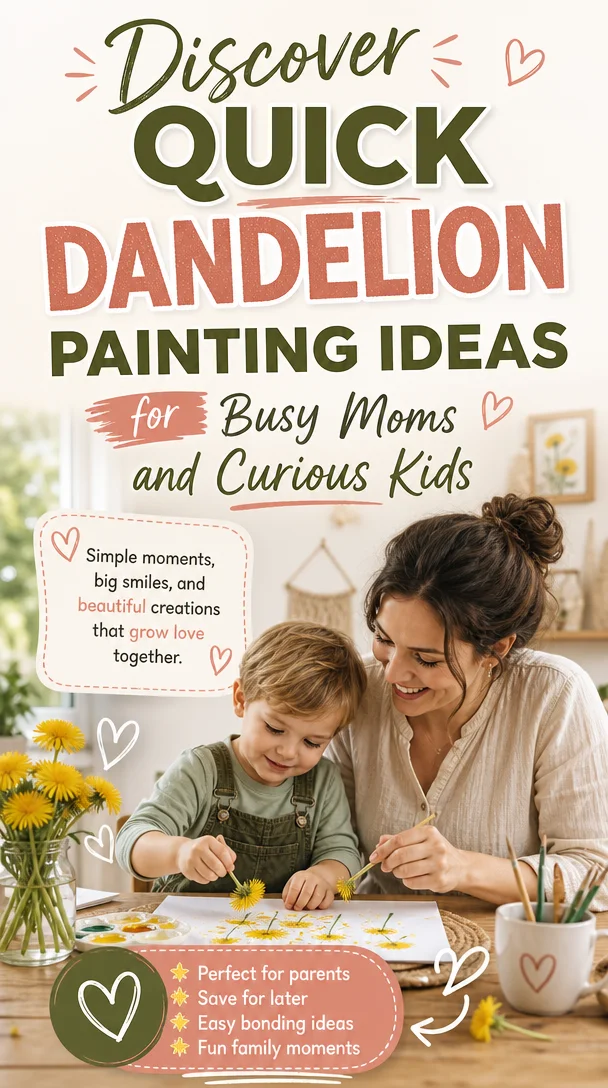
Discover Quick Dandelion Painting Ideas for Busy Moms and Curious Kids
Easy Dandelion Painting for Kids: A Fun Children’s Craft Idea
Meta Description: Discover the magic of dandelion painting with this delightful craft idea for kids! Perfect for all ages, unleash creativity and enjoy nature together.
Introduction
Have you ever watched your child pick up a dandelion and blow the fluffy seeds into the air? That simple act often feels like capturing a moment of pure joy. Dandelions represent childhood wonder, and they inspire us to slow down, appreciate nature, and unleash our creativity. Today, we will dive into a fun, easy dandelion painting craft that transforms those common weeds into stunning art.
This project is perfect for children of all ages — from toddlers exploring textures to teens expressing their creativity in new ways. I remember when my daughter, at 15, joined me in making dandelion watercolor paint. It didn’t just stir her artistic side; it inspired her to start a painted plant journal! Whether you have tiny hands just getting used to brush strokes or older kids ready to explore deeper artistic techniques, this craft has something for everyone. Let’s gather the kids, roll up our sleeves, and paint some magical moments together!
Why Dandelion Painting?
Crafting with dandelions provides numerous benefits beyond just creating art. Here are a few reasons to give this project a go:
- Nature Connection: Encourage your children to appreciate the beauty of nature.
- Sustainable Art: Use natural materials right in your backyard, promoting environmental awareness.
- Easy Clean-Up: Dandelions are simple to gather and don’t leave a mess indoors!
- Stimulating Creativity: Foster imaginative expression in children as they experiment with colors and textures.
Getting Started: Supplies You’ll Need
Before you dive into this vibrant world of dandelion painting, let’s gather our supplies. Here’s what you’ll need:
- Fresh dandelions (enough for a project)
- Watercolor paper or thick drawing paper
- Water
- Small bowl or container for mixing
- Paintbrushes (soft bristle ones work best)
- Optional: watercolors or additional natural pigments for color mixing
How to Create Dandelion Watercolor Paint
Step 1: Harvest Your Dandelions
Invite your little ones outside on a sunny day to hunt for dandelions. Let them explore and pick a decent handful, explaining why you’re using dandelions and showing them how to choose the best ones (bright, fresh blooms).
Step 2: Prepare the Paint
-
Extract the Color: Simply pluck the yellow petals from the dandelions and place them in a bowl. Use enough petals to fill the bottom of the bowl.
-
Add Water: Pour just enough water into the bowl to cover the petals and allow them to soak for about 10-15 minutes. This process helps to draw out the color.
-
Mash Away: Give the mixture a gentle mash with a spoon to help release the pigment from the petals. This is a great time for kids to get hands-on and feel the texture.
-
Strain the Mixture: Now, carefully strain the dandelion liquid into a small container, discarding the petals. What you have left is your dandelion watercolor paint!
Step 3: Painting Time
-
Set Up the Space: Lay down some old newspapers or a plastic tablecloth to protect your surface. Set up your watercolor paper, brushes, and the dandelion paint.
-
Get Creative: Encourage your children to use their imaginations! They can paint dandelions, abstract designs or even experiment with blending colors.
-
Make It a Lesson: While painting, introduce concepts like color mixing or patterns. Talk to your kids about their color choices, shapes, and what fun things they see in nature around them.
Tips for Making Dandelion Painting Fun!
-
Combine with Other Natural Elements: Add leaves, soil, or twigs to the crafting area for additional textures. Kids will love adding these items to their artwork for a wild, natural touch.
-
Create a Dandelion-Themed Story: As you paint, invent a story revolving around your dandelion adventures. This combines storytelling and art, nurturing multiple skills.
-
Join In The Fun: Don’t forget to paint along with your children! Leading by example helps reinforce the joy of creativity and creates bonding moments.
-
Host a Mini Art Show: Once everyone has finished their masterpieces, why not organize a little exhibition? Set their artwork out for a mini family art show, showcasing their unique creations.
Final Touches: Displaying Your Art
After your masterpiece has dried, you might want to display it. Here are a few ideas for showcasing your kids’ creativity:
-
Gallery Wall: Frame the art pieces and create a gallery wall at home. This enhances their confidence as artists.
-
Gift Creations: Use these paintings as heartfelt gifts for family members or friends. Handmade art adds a personal touch that store-bought gifts can’t match.
-
Crafty Cover Pages: Use their dandelion art as cover pages for a family journal or scrapbooking project. It can hold memories of family outings and special moments.
Encouraging Growth and Exploration
Encouraging creativity in children forms a strong foundation for their growth. Creative expression stimulates their cognitive development while fostering emotional intelligence. Crafting with natural elements like dandelions allows kids to explore their strengths and interests without judgment.
Remember, the journey matters more than the destination. Messy hands and a little paint on clothes are all part of the process. Celebrate each little victory, no matter how small. Every brush stroke becomes a cherished memory and lays the stepping stones for broader creative pursuits.
Conclusion
Easy dandelion painting offers a beautiful blend of creativity, nature, and family bonding. As parents, nurturing our children’s imaginations enriches their lives and strengthens our relationships. It’s the unforgettable moments, such as picking flowers together and creating art hand-in-hand, that truly matter.
So, let the dandelions bloom, and let your creativity flow! Embrace the messy, the imperfect, and the beautiful chaos that comes with family life. You’re doing an amazing job, and your children are going to thrive in your love and encouragement. Grab those brushes — and let’s create some cherished memories as a family, one dandelion at a time!
FAQs
Q: Can we use other flowers for painting?
A: Absolutely! Feel free to experiment with other flowers and natural materials. Each will provide different textures and colors.
Q: What if we don’t have dandelions nearby?
A: Look for other common flowers that could be used similarly. Just ensure they are safe for crafting!
Q: How can we extend this activity?
A: Take your painted pieces and use them to tell stories, create cards, or plan your next crafting adventure together!
By fostering creativity through fun and engaging art projects, you can deepen your connection with your children while helping them explore their artistic abilities. Enjoy the wonderful world of dandelion painting!
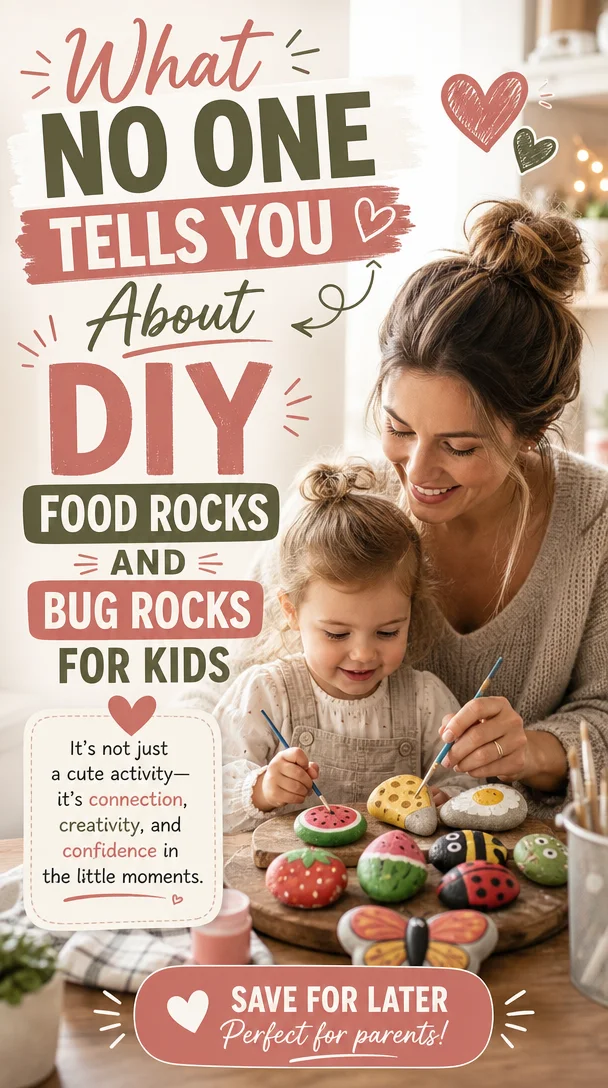
What No One Tells You About DIY Food Rocks and Bug Rocks for Kids
Unlock Backyard Fun: Create Your Own DIY Food Rocks & Bug Rocks for Imaginative Play
Meta Description: Spark creativity in your backyard with DIY food rocks and bug rocks! Perfect for imaginative play, these simple crafts bring endless fun for kids.
As a parent, you know that a backyard can be a magical place filled with endless possibilities. The lush green grass, chirping birds, and the gentle sway of branches can transport your little ones to faraway lands — all without leaving home! But let’s be honest, sometimes, the backyard can also feel like just another patch of dirt when you’re looking for ways to keep the kids engaged. What if I told you that you could transform ordinary rocks into food rocks and bug rocks, giving your kids the ultimate playtime experience?
These DIY crafts not only stir imagination but also encourage creativity and nurture developmental skills. Plus, they’re incredibly easy to make and can provide hours of fun! Let’s dive into how you can create these delightful additions to your outdoor playtime.
Why DIY Food Rocks & Bug Rocks?
Creating DIY food rocks and bug rocks offers so many benefits beyond just being fun:
- Imaginative Play: Encouraging your child to create stories and scenarios promotes their imagination and storytelling skills.
- Fine Motor Skills: Painting and decorating the rocks help develop your child’s fine motor skills.
- Outdoor Learning: Mixing art with nature teaches kids about the environment and the beauty of simple materials.
So, whether you’re looking for that extra special activity to transform your backyard or simply want to reduce screen time, food rocks and bug rocks can spark joy. Plus, they’ll come with a side of precious memories as you create together!
Gathering Your Materials
Before diving into this creative adventure, let’s gather what you’ll need:
Materials for Food Rocks
- Smooth Rocks: Look for various sizes. The smoother, the better for painting!
- Acrylic Paints: Choose vibrant colors for your food rocks like red for apples, yellow for bananas, or brown for cookies.
- Paintbrushes: A variety of sizes will work best.
- Sealant: Optional, but it helps protect your masterpiece from the elements.
- Palette or Plates: Use these for mixing and holding paint.
Materials for Bug Rocks
- Smooth Rocks: Similar to food rocks, the smoother the rock, the easier it is to paint.
- Acrylic Paints: Think bright colors like green for bugs or black for ladybugs.
- Paintbrushes and Markers: Use smaller brushes or markers for intricate designs.
- Sealant: To protect against rain or sunshine.
- Google Images or Nature Guides: These can serve as inspiration for designs!
With your materials ready, let’s jump into the fun of crafting!
Crafting Your DIY Food Rocks
Step-by-Step Guide
-
Pick Your Rocks: Go on a little treasure hunt in your backyard or local park to collect small, smooth rocks.
-
Wash and Dry: Rinse your rocks with soap and water to remove dirt. Let them dry completely.
-
Plan Your Designs: Sketch out your fruits, veggies, or treats on paper. This step is useful for kids who want to visualize their masterpiece!
-
Paint Your Rocks:
- Use a paintbrush to apply the base color first.
- Once dry, paint details — think seeds, spots, or stems.
-
Seal Your Rocks (Optional): If you choose to seal your artwork, ensure it dries completely before applying the sealant.
Examples of Food Rocks Ideas
- Fruits: Apples, oranges, and bananas are super easy and fun!
- Desserts: Cookies with chocolate chips, cupcakes with frosting!
- Veggies: Carrots, bell peppers, or eggplants can add a nutritious twist!
Crafting Your DIY Bug Rocks
Step-by-Step Guide
-
Gather Your Rocks: Just like with food rocks, the smoother, the better!
-
Clean Your Rocks: Make sure they’re free of dirt.
-
Decide on Your Bugs: Research bug designs that interest your child. Ants, ladybugs, beetles, and butterflies work wonders.
-
Begin Painting:
- Apply the basic color to each rock first.
- After it dries, use smaller brushes or markers to add details like wings, stripes, or antennae.
-
Optional Seal: If you want your designs to stand up against the elements, apply a protective sealant.
Examples of Bug Rocks Ideas
- Ladybugs: Black spots on red or orange rocks.
- Butterflies: Colorful wings and patterns.
- Bees: Yellow and black stripes with cute little wings.
Making Playtime Even More Fun
Once your DIY food rocks and bug rocks are complete, here are some fun ways to include them in play:
Mud Kitchen Adventures
Set up a mud kitchen with pots, pans, and your rocks. Encourage your little chefs to create delicious imaginary dishes using their food rocks — just be cautious of the “tasty” bugs popping up in the mix!
Bug Hunts
Host a bug scavenger hunt in your backyard! Hide your painted bug rocks for the kids to find. Create a checklist for more interactive in-depth play.
Story Time Play
Encourage narrative play by crafting stories around your food rocks and bug rocks. What happens during the great bug bake-off? Or who wins the race between the ant and the ladybug? Let their imaginations roam free.
Encouraging Emotional Development
As your child engages in these activities, take note of how you can weave in emotional development lessons:
- Sharing & Cooperation: Encourage children to share their completed rocks and create stories or dishes together.
- Empathy & Understanding: When discussing insects, you can touch on their roles in the ecosystem, helping children develop a sense of empathy for all creatures, big or small.
Helpful Tips for Parents
- Join the Fun: Participate in the crafting process. Your involvement conveys that creativity and play are valuable.
- Set Aside Time: Dedicate specific days for backyard fun. The ritual helps foster anticipation and excitement.
- Encourage Dialogue: Ask open-ended questions as your child creates. What colors are you choosing? Why did you select that bug?
Conclusion
Turning your yard into a vibrant playground filled with love, creativity, and imagination doesn’t have to feel overwhelming. With just a few rocks and some paint, you can create a world of food rocks and bug rocks that not only entertain but also nurture your child’s emotional and creative development.
Parenting is a journey filled with ups and downs, messy moments, and countless small victories. Remember that every little endeavor counts, and these quiet afternoon projects can spark immense joy and connection within your family. You’ve got this, and your little ones are growing into their best selves with every imaginative play session. So grab your paints and rocks, and let the fun begin — the backyard awaits!
FAQ
What age is best for this activity?
Children of varied ages can enjoy this activity! Toddlers may need assistance with painting, while older children can take the lead.
How do I store the rocks once painted?
Store painted rocks indoors in a safe spot to protect them from harsh weather. Alternatively, designate a ‘rock garden’ in your yard!
Can we use other types of rocks?
Absolutely! Experiment with different shapes and sizes. Your kids might love creating with unique rocks from nature.
Let the creativity flow and watch your toddlers thrive while they enjoy a lovely outdoor experience. Happy crafting!
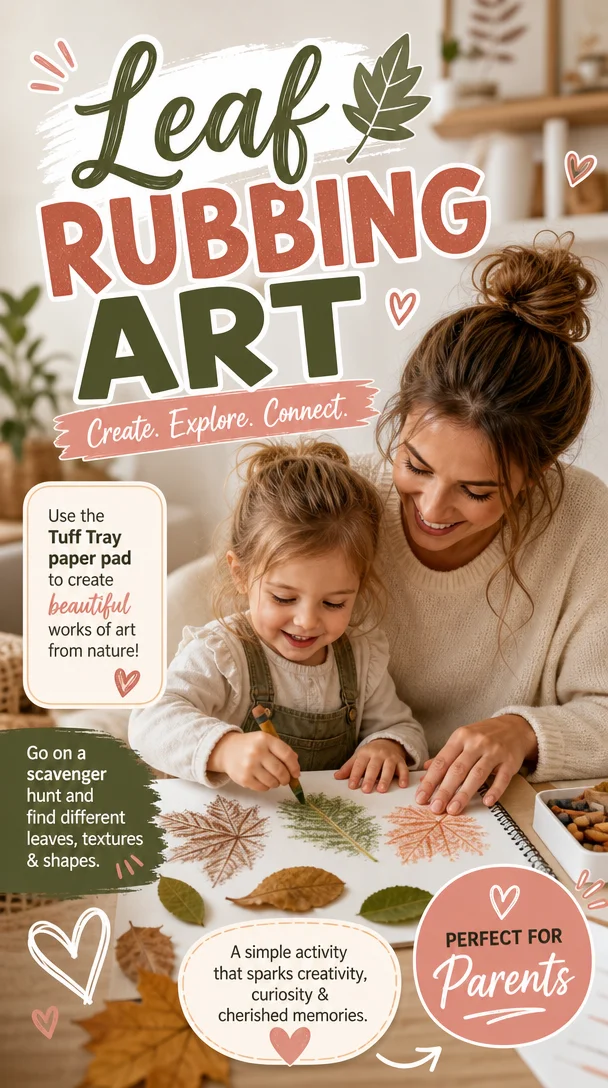
Leaf rubbing art 🍁 Use the Tuff Tray paper pad to create works of art from nature! Go on a scavenger hunt and find diff… [Video] | Provocation ideas for kindergarten, Nature exploration activities for kids, Ece activities early childhood
Get Creative with Nature: Leaf Rubbing Art for Kids 🍁
Meta Description
Discover the joy of leaf rubbing art! Engage your kids in nature exploration, creativity, and learning with this easy, fun, and educational activity.
Introduction
Hey there, fellow parents! Isn’t it amazing how nature offers endless opportunities for exploration and creativity? If you’re looking for an activity that beautifully combines both, look no further than leaf rubbing art! Imagine the excitement on your child’s face when they discover various leaf shapes, textures, and the magic of seeing nature’s artwork come to life with just a few simple materials.
Not only does this activity allow your children to express their creativity, but it does so in a way that promotes curiosity, scientific observation, and fine motor skills. Are you ready to embark on this artistic adventure? Let’s dive into the wonderful world of leaf rubbing art together!
Why Leaf Rubbing Art?
Leaf rubbing art is more than just a fun project; it’s an educational journey! Here’s why you should definitely consider introducing this activity to your family:
- Nature Exploration: Going on a scavenger hunt for leaves encourages your kids to engage with their environment. They’ll learn about different plants and appreciate the beauty of nature around them.
- Artistic Expression: With a little creativity, each leaf rubbing becomes a unique piece of art, showcasing your child’s imagination and style.
- Fine Motor Skills: Rubbing with crayons enhances those crucial hand-eye coordination skills. This simple act of pressing down helps develop your child’s dexterity.
- Science Connection: Each leaf provides a wonderful opportunity for discussions about plant life, ecosystems, and the importance of trees in our environment.
Setting Up for Success
Before diving into the artistic fun, let’s ensure you have everything ready to go! Here’s what you’ll need:
Materials Needed
- Tuff Tray Paper Pad: This sturdy surface makes cleanup a breeze and adds excitement to the process.
- Various Leaves: Head outdoors and gather a variety of leaves. Look for different shapes, colors, and sizes—the more unique, the better!
- Wax Crayons: Opt for different colors to create vibrant patterns. Make sure to remove the wrappers for your little ones!
- Paper (if not using Tuff Tray): You can also use plain paper if a Tuff Tray isn’t available.
- Optional: A clipboard can be handy to help stabilize the paper if you’re outside.
Preparing the Activity
-
Go on a Scavenger Hunt: Involve the whole family! Head to a park, your backyard, or even along your neighborhood sidewalks to collect leaves. Encourage the kids to observe textures and colors as they gather.
-
Sort and Select: Once you’re back home, spread out the leaves and invite your kids to pick their favorites. Discuss the shapes and what type of trees they may come from.
-
Set Up Your Workspace: Lay out your Tuff Tray paper pad or a flat surface for your crafty session. Keep the space organized and free from distractions.
How to Create Leaf Rubbing Art
Now that you have everything in place, it’s time for the main event! Here’s a step-by-step guide so your kids can start creating their masterpiece.
Step-by-Step Instructions
Step 1: Position the Leaf
Place a leaf underside up on the Tuff Tray or paper. Press it down so it doesn’t move while your little artists get to work.
Step 2: Cover with Paper
Take a piece of paper and gently lay it over the leaf. This allows the kids to see where to color without disrupting the leaf’s position.
Step 3: Rub with Crayons
Using a wax crayon, show your kids how to rub over the paper, applying gentle pressure. They’ll start to see the beautiful designs of the leaf emerge! Encourage them to experiment with different colors and patterns.
Step 4: Discover and Repeat
Let them continue creating with various leaves. Each rubbing will be unique, showcasing intricate patterns and shapes.
Tips for a Memorable Experience
Creating leaf rubbing art is so much more than just a craft project. Here are some tips and ideas to enhance the experience:
Encourage Conversation
- Discuss Nature: While you work, talk about the types of leaves and trees you encountered. Ask questions like, “What do you think this tree feels like?” or “How does the color change with the seasons?”
Explore Different Techniques
- Layering Colors: After the first rubbing, let your child layer another color over the same leaf to create a blended effect. This can spark discussions about mixing colors and patterns.
Capture the Learning
- Nature Journal: Keep a dedicated notebook to tape or glue the leaf rubbings onto. Include notes about where you found each leaf. This not only documents their creations but also serves as a lovely keepsake.
Experiment with Materials
- Try Different Crayons: Use different brands or types of crayons (like metallic ones) to see how they affect the outcome.
- Add Watercolor: After the leaf rubbings are complete, let the kids paint over the designs with watercolors for an extra pop of color!
A Learning Adventure Outdoors
Incorporating this type of art into outdoor exploration can create some fantastic family bonding moments. Here are some playful ideas to make it even more memorable:
Nature Trail Walks
Take regular walks as a family in local parks or nature trails. Collect not just leaves, but also stones, flowers, and sticks. Later, use these items for additional art projects!
Seasonal Variations
Encourage your kids to do seasonal leaf rubbings. In spring, focus on young, tender leaves. In fall, gather colorful leaves and explore the changing seasons as they create their art.
Engage in Group Activities
Consider inviting friends over for a leaf rubbing playdate! Kids can share their discoveries with one another, exchange leaves, and collaborate on group projects.
Conclusion: Embrace the Art of Parenting
As parents, we often seek ways to elevate family time into joy-filled experiences. Leaf rubbing art not only sparks creativity but also cultivates curiosity and bonds you with nature. Remember, every little moment matters—so let’s make the most of these opportunities to connect with our kiddos.
Whether you’re wrangling small hands during craft time or sharing laughter on a scavenger hunt, know that you’re doing an amazing job. Embrace the beautiful chaos of parenting, and let each art piece tell its own story—one that’s uniquely shaped by your family’s adventure together.
So go ahead—grab those leaves and start rubbing! You’ll create not only art but also cherished memories that your family will treasure for years to come.
FAQ Section
Q: Can younger children participate in leaf rubbing art?
Absolutely! Even toddlers can enjoy this activity with supervision. Just ensure they have help with rubbing the crayon, as they may need assistance with fine motor skills.
Q: What if we can’t find any leaves?
No worries! You can use other objects like textured fabric or even patterned items around the house for a similar rubbing effect.
Q: How long does this activity take?
This is a flexible project! Depending on how many leaves you collect and your children’s interest, set aside 30 minutes to an hour for a relaxed experience.
By filling your days with activities like leaf rubbing art, you pave the way for joyful connections and memorable moments. So, go out there, explore, create, and most importantly, enjoy every wonderful moment of this parenting journey! 💛
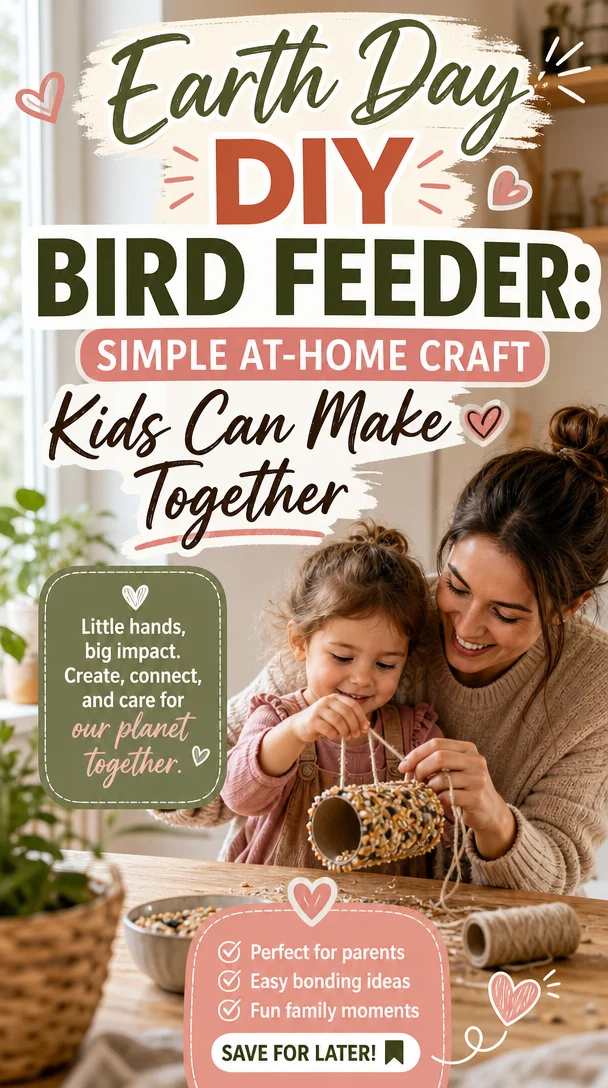
Earth Day DIY Bird Feeder: Simple At-Home Craft Kids Can Make Together
DIY Bird Feeder Craft: A Fun and Meaningful Project for Kids
Meta Description
Create lasting memories with your kids by making a DIY bird feeder at home! This easy Earth Day craft nurtures wildlife and family bonding.
Introduction
As parents, we cherish those moments spent with our kids, the laughter-filled afternoons, and the shared experiences that make our family stories richer. Imagine gathering around your kitchen table, armed with simple supplies, all while teaching your little ones about nature and wildlife. What if I told you that you could turn everyday materials into a delightful DIY bird feeder? Not only does this craft keep your kids engaged, but it also allows you to foster a love for nature while celebrating Earth Day. Trust me, you’ll love the satisfaction of watching the birds flock to your handmade creation! Let’s dive into this fun and purposeful project that promises to bring joy to both your family and our feathered friends.
Why Make a DIY Bird Feeder?
Making a DIY bird feeder with your children isn’t just about the craft; it’s about the lessons and memories you create together. Engaging with nature helps children develop a sense of curiosity, responsibility, and compassion. Plus, it’s a wonderful way to disconnect from screens and immerse yourselves in the outdoors. By crafting and observing, your kids can learn about the different birds in your area, their habitats, and the importance of wildlife conservation.
The Perfect Easy Craft for Kids
Not every craft needs to be elaborate or time-consuming. This DIY bird feeder project is remarkably simple, making it perfect for even the youngest of crafters. You can use items you probably already have at home, making it budget-friendly and accessible. Plus, it encourages teamwork and creativity, bringing everyone closer together.
Materials You’ll Need
Before you start your DIY bird feeder adventure, gather the following materials:
- Plastic Bottle (such as a 2-liter soda bottle or any empty container)
- Twine or String (for hanging)
- Scissors
- Drill or Sharp Object for Puncturing
- Birdseed (you can even make your own mix!)
- Optional Decoration Supplies (markers, stickers, paint)
These materials are easy to find and inexpensive, making this craft a friendly choice for parents looking for low-prep, high-fun activities.
How to Make Your DIY Bird Feeder
Step 1: Prepare the Plastic Bottle
Start by rinsing the plastic bottle, removing any labels, and drying it thoroughly. Then, use scissors or a drill to carefully poke a couple of holes on opposite sides near the bottom of the bottle. This will allow the birdseed to fall out when the birds come to feed!
Step 2: Create Feeding Ports
Next, make larger holes (about the size of a quarter) about an inch or two above the bottom holes. These are the feeding ports where birds can access the seed. Make sure they are smooth to avoid hurting the birds—an adult should supervise this step to ensure safety.
Step 3: Fill with Birdseed
Now for the fun part! Fill your bottle about halfway with birdseed. You can create a simple birdseed mix using various seeds like sunflower seeds, millet, and corn. This doesn’t just attract birds; it’s a great chance to teach your kids about the different types of birds that visit your yard!
Step 4: Attach Twine for Hanging
Cut a long piece of twine or string, then poke it through the cap or through the top of the bottle and tie it securely. This will be your hanging mechanism. Help your kids understand the importance of securely attaching it, so the birds can safely visit.
Step 5: Hang and Enjoy!
Find a suitable spot to hang your bird feeder, preferably near a window where your family can observe the birds without disturbing them. This creates an excellent opportunity for discussions about what birds they see. Make sure it’s high enough to be safe from neighborhood pets.
Helpful Tips for Enjoying Your Bird Feeder
As you and your family settle in to watch your bird feeder, consider these tips to further enrich your experience:
1. Bird Watching Journals
Encourage your kids to keep a bird watching journal. They can draw the birds they see and note down their colors, sizes, and any special behaviors. This not only provides a creative outlet but also teaches them observational skills.
2. Take Photos Together
Capture the moments by taking photos of your kids as they create their DIY bird feeders and during their bird-watching sessions. You could even create a scrapbook of your nature adventures together!
3. Experiment with Different Seeds
As you refill your bird feeder, experiment with different types of seeds to attract various birds. Discuss with your kids which birds they see most often and what seeds seem most popular.
4. Create More Feeders
Once you’ve completed one feeder, why not make more? You could use different styles, colors, or materials, expanding your crafting experience. You could even organize a fun neighborhood bird feeder sharing day!
5. Make It Educational
Use your time spent watching the birds to share facts about them. Discuss their habitats, migration patterns, and the role they play in the ecosystem. This turns a fun project into a valuable learning experience.
Encouraging Daily Routines with Nature
Integrating nature into your family’s daily routine can work wonders for emotional development. Here are a few ideas to make nature a regular part of your life:
-
Nature Walks: Set aside time for weekly family nature walks. Not only do they promote physical health, but they also encourage mindfulness and discovery.
-
Outdoor Picnics: Enjoy meals outside when the weather permits. It gives your family a chance to recharge while appreciating the sights and sounds of nature.
-
Gardening Together: Start a small garden, whether it’s herbs, flowers, or veggies. Gardening offers fantastic lessons on nurturing and patience.
Warm Conclusion
Creating a DIY bird feeder is not just about providing food for our feathered friends—it’s a chance to build lasting memories with your kids. Embrace the messiness, the laughter, and the magic of working together and learning from one another. Always remember, being a parent doesn’t require perfection; it requires love, creativity, and the willingness to try new things with your little ones. So, grab those supplies and start crafting! Together, you’ll not only nurture wildlife but also heal and bond, one small moment at a time. You’ve got this, and above all, remember you’re never alone on this parenting journey.
Optional FAQ Section
Q: What types of birds will visit my feeder?
A: This depends on your location, but common visitors include finches, sparrows, and cardinals. Different seeds can attract different species!
Q: How often should I refill the bird feeder?
A: Check your feeder regularly. If it’s empty or if you see fewer birds visiting, it’s time for a refill.
Q: Can we make bird feeders from other materials?
A: Absolutely! You can use pine cones, milk cartons, or even wooden frames for unique bird feeders. Get creative!
Q: How can I keep squirrels away?
A: Consider placing your feeder on a smooth pole with no branches nearby, or choose squirrel-proof feeders specifically designed to deter these furry friends.
By implementing these ideas and nurturing a connection with nature, you’ll not only enhance your child’s creativity but also strengthen your family bond. Happy crafting!
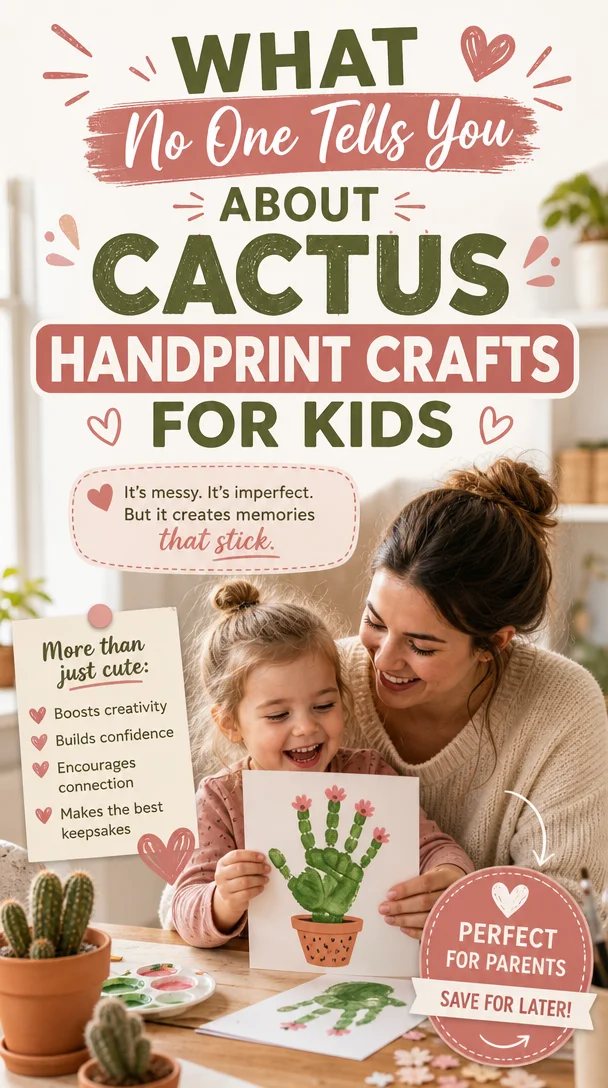
What No One Tells You About Cactus Handprint Crafts For Kids
Cactus Handprint: A Touch of Childhood Magic in Your Home
Meta Description
Bring magic into your home with cactus handprint art! This fun, easy activity sparks creativity in kids while making meaningful memories.
Childhood is all about the little moments–splashing in puddles, chasing butterflies, and creating art with your hands. But sometimes, amidst the chaos of parenting, we overlook these delightful opportunities to connect with our kids through creative play. This is where the charming cactus handprint art comes in—a simple activity that not only engages your child’s imagination but also teaches them about nature in a fun way. Let’s dive into this warm and joyful endeavor that could spark countless conversations and connections!
The Magic of Cactus Handprint Art
Creating cactus handprint art taps into the simple joy of crafting, all while nurturing your child’s imagination. The tactile experience of paint on their hands provides sensory stimulation that kids crave, and the end result is a whimsical piece of artwork that represents their unique creativity. Not to mention, it’s a fantastic way to spend quality time together without the pressures of perfectionism.
Why Cactus Handprints?
Cacti symbolize resilience—a fitting trait for both kids and parents alike! They thrive in tough environments, reminding us that even in the messiness of family life, we can find strength and beauty. This metaphor resonates with many parents who navigate the ups and downs of raising little ones. By creating cactus art, you’re not just making a fun craft; you’re instilling the idea of resilience, creativity, and the beauty in imperfection.
What You’ll Need
To get started on your cactus handprint adventure, gather these simple supplies:
- Non-toxic green paint (washable for easy clean-up!)
- White or light-colored paper (construction paper works great)
- Paintbrush (optional, for finer details)
- Markers or crayons (for adding decorations)
- A damp cloth or baby wipes (to clean up hands afterward)
Setting Up for Success
To truly enjoy this creative journey, set up your space for success. Lay down some newspaper or a tablecloth to protect your surfaces from paint spills. Prepare your child’s paint and have paper ready for handprints. Create a cozy atmosphere with favorite music playing softly in the background, and don’t forget to grab your favorite drink—because you deserve a little something sweet during this playful moment, too!
Step-by-Step Guide to Creating Your Cactus Handprint
Here’s how to make your cactus handprint art piece come to life:
Step 1: Prepare the Paint
Pour some green paint onto a plate or shallow dish. Encourage your child to dip their hand into the paint, covering their palm and fingers evenly. You might want to demonstrate this first, showing them how fun it can be!
Step 2: Create Handprints
Press their hand firmly onto the paper, making sure to apply enough pressure for a clear print. Gently lift their hand away to reveal a lovely green handprint—this will serve as the base of the cactus. Feel free to make multiple prints on the same sheet for a little cactus garden!
Step 3: Add Details
Once the green handprints dry, it’s time to add personality! Use markers or crayons to decorate the cactus. Your child can draw flowers, pots, or even little creatures peeking out from behind. Encourage them to let their imagination run wild. There are no mistakes—just beautiful creations!
Step 4: Display the Artwork
Find a special spot in your home to showcase your cactus handprints. This could be the refrigerator, a dedicated art wall, or even their bedroom. Seeing their creations proudly displayed will boost their self-esteem and encourage further creativity.
Tips for Making This Experience Even More Enjoyable
Creating cactus handprint art can be a seamless blend of enjoyment and learning. Here are some tips to enhance the experience:
Engage in Conversation
Use the cactus handprint activity as a springboard for conversation. Ask open-ended questions like, “What do you love most about nature?” or “Why do you think cacti are special?” These questions not only deepen connections but also stimulate their critical thinking skills.
Connect to Everyday Life
Illustrate the importance of resilience by sharing stories about how cacti survive in harsh conditions. Relate this to your child’s own life—how they can overcome challenges, adapt, and still shine brightly, just like our prickly plant friends!
Invite Friends or Family
Throw a mini cactus art party! Invite friends over for playdates and create a joyful, shared experience. Kids love socializing, and working together on art can spark delightful friendships.
Include Your Little Ones in the Clean-up
Make cleaning up part of the fun! Invite your child to help wash brushes and wipe the table. Turning clean-up into a game or making a song about it adds an element of joy to this necessary task.
Embracing Imperfection in Parenting
One of the most significant lessons we can impart to our children is the beauty of imperfection. Your cactus handprint art doesn’t have to look “perfect”—it simply needs to be created with love. Celebrate the crooked lines, uneven colors, and splashes. Each imperfection tells a story—a moment in time when your child explored their creativity and shared it with you.
Real-life Example:
I remember creating handprint art with my son when he was three. He was enthralled with the paint, and instead of a masterpiece, we ended up with a few handprints mixed with lots of accidental smudges and splatters. But to this day, I cherish that messy artwork. It reminds me of his creativity and our shared laughter, which made the whole experience magical.
More Family Fun with Handprint Crafts
Excited to keep crafting? Here are a few other handprint art projects you might enjoy:
- Tree Handprints: Use brown paint for the trunk and green for the leaves. Talk about seasons and nature as you create!
- Animal Prints: Turn handprints into animals by adding features with crayons or markers. For example, a handprint can easily become a butterfly or a fish with a bit of imagination.
- Holiday Themes: Adapt handprint art for holidays! Try turkey handprints for Thanksgiving or a Santa handprint for Christmas.
Conclusion
As you venture into the world of cactus handprint art, remember that every stroke of paint becomes a cherished memory. This simple, engaging activity allows you and your child to connect, create, and celebrate the beautiful mess that is parenting. So, grab that paint, share some laughs, and make family art that radiates love and joy.
Parenting can feel overwhelming at times, but squeezing in little moments of creativity can make all the difference. So go ahead, embrace the chaos, and keep creating joyful memories—one handprint at a time!
FAQ Section
What age is appropriate for cactus handprint art?
Cactus handprint art works wonderfully for toddlers and preschoolers, but older kids can enjoy this too!
What if my child doesn’t want to get their hands messy?
Consider using paintbrushes or sponges for applying paint. You can always make a "painted foot" version if they’re more comfortable!
How can I clean up easily afterward?
Using washable paint makes clean-up a breeze! Keep a damp cloth or wet wipes nearby to manage any spills quickly.
Creating art should be about joy and connection, so dive into that creative spirit!

Potty Train a Stubborn Toddler Girl in 3 Days: Real-Life Tricks That Actually Work
15 Steps to Potty Train a Stubborn Toddler Girl in 3 Days – Sweet n Sour Toddlers
Meta Description: Discover 15 practical steps to potty train your stubborn toddler girl in just three days. Create a fun, stress-free potty training experience today!
Hey there, fellow parent! If you’re reading this, you probably find yourself in the thick of it—juggling toddler tantrums, snack schedules, and perhaps the daunting task of potty training. Let me tell you, I’ve been there. Those days can feel overwhelming, especially when your little one seems determined to stay firmly in diapers. But I promise you one thing: you’re not alone in this journey!
Potty training a stubborn toddler girl can feel like climbing a mountain (sometimes, a slippery one!), but with the right approach, you can turn this challenge into a memorable success story. In this post, I’ll share 15 simple, practical steps to help you potty train your toddler girl in just three days. Trust me, with a sprinkle of patience, a dash of fun, and a whole lot of encouragement, you can make this process smoother for both of you.
Let’s dive in!
Understanding the Stubborn Streak
Why Some Toddlers Resist Potty Training
First, let’s take a moment to understand the key players in this game—your dear little one and her stubborn streak! Some toddlers resist potty training simply because they crave independence. They may also feel anxious about change or have a strong attachment to their diapers (it’s all they’ve known!). As a parent, recognizing why your toddler might be resistant will help you approach the situation with compassion and understanding.
Signs Your Toddler Is Ready
Before you embark on this potty training adventure, look out for signs that your daughter is ready to take the plunge. Keep an eye out for:
- Staying dry for at least two hours at a time.
- Showing interest in the bathroom or wanting to wear “big girl” underwear.
- Communicating the need to go (even if it’s just a grunt!).
- Demonstrating discomfort with dirty diapers.
If you see these signs, congratulations—you’re ready to move on to the fun part!
15 Steps to a Successful 3-Day Potty Training Journey
Day 1: The Foundation
1. Choose the Right Potty
Selecting the perfect potty is crucial. Let your toddler pick her potty! Whether it’s a bright pink princess potty or a sporty one decorated with dinosaurs, involving her in the decision allows her to feel empowered and excited about this new venture.
2. Get Excited!
Create an atmosphere of enthusiasm! Share stories about how exciting it is to use the big toilet, and let her know how proud you are of her. Jump up and down, throw in some high-fives—the more excitement, the better!
3. Dress for Success
Opt for easy-to-remove clothing. Dresses or stretchy pants work wonders, while bodysuits might spell disaster when trying to rush to the potty. It’s all about making her feel comfortable and confident.
4. Introduce a Potty Routine
Establish a potty schedule. Try taking her to the potty every hour or so. Make it part of the routine—before meals, after playtime, and first thing in the morning. Consistency is key!
Day 2: The Practice
5. Stay Close to Home
Choose a weekend or a few days when you can stay home. This helps avoid accidents in public settings and allows you to guide her through using the potty in a stress-free environment.
6. Use Visuals and Stories
Visual aids like charts or books about potty training can help. Incorporate fun stories that illustrate the experience. For instance, read a tale about a little bear who learns to use the potty. It makes the experience relatable and engaging.
7. Offer Incentives
Create a rewards system. Stickers, praise, and small treats can motivate your toddler. For example, after using the potty successfully, let her choose a sticker to add to her chart. It’s all about celebrating those little victories!
8. Be Patient with Accidents
Expect accidents—they’re a part of the learning process! When they happen, calmly encourage her. Remind her that it’s okay and that she can try again next time. Patience is your best friend here!
Day 3: Confidence Building
9. Encourage Independence
Let her take the lead! If she expresses a desire to go, cheer her on and give her space to figure it out. Independence fosters confidence, and that’s vital for this new skill.
10. Celebrate Every Success
Each time she uses the potty, make it a big deal! Sing a fun potty song or do a little dance. The more enthusiastically you respond, the more she’ll want to keep using her potty.
11. Introduce Big Girl Underwear
It’s time for the big girl underwear reveal! Allow her to choose which ones she wants to wear. This can boost her excitement and make her want to keep them clean.
12. Reinforce the Importance of Hygiene
While you’re in the bathroom encouraging flow, don’t forget to teach proper hygiene. Show her how to wipe and wash hands afterwards—this reinforces a good habit that’s equally important.
After the 3 Days: What’s Next?
13. Transition Out of Diapers
Gradually phase out nighttime diapers once you see consistency during the day. It may take a little longer for her to feel ready—everyone learns at their own pace.
14. Stay Positive
Continue showering her with praise and encouragement even after the initial days. Smooth out any bumps along the way with reassurance. Remind her she’s getting bigger and braver!
15. Communicate Openly
Always keep communication open. If she has concerns or fears, be the supportive parent she needs. Talk through any anxieties about potty training, and reassure her that it’s perfectly okay to voice them.
Helpful Tips to Make Potty Training Easier
-
Keep a Potty Close: Use a portable potty for outings. Transitioning in public spaces can be easier when she has a familiar toilet option.
-
Bathroom Time as Bonding Time: If it feels right, join her on bathroom trips (as far as her comfort allows you to). This strategy can create a sense of bonding and trust.
-
Embrace the Mess: Expect a few mishaps! Make clean-up a fun duo activity, or let her help when it’s appropriate. This helps her feel involved and responsible.
Conclusion
Potty training a stubborn toddler girl can feel like a daunting journey, but remember: every child learns at their own pace, and patience is your strongest tool. Celebrate the little moments and precious victories, even when they seem minute. Your love and encouragement will guide her through this process, and soon enough, you’ll find yourselves sharing amusing stories of her potty training days.
Always keep in mind that you’re doing great! Parenting isn’t about perfection, but about creating love-filled moments together. So, buckle up for this adventure—the finish line is closer than you think, and your toddler will thank you for the memories you’re making together!
Optional FAQ Section
Q: What if my toddler doesn’t want to sit on the potty?
A: It’s okay! Give her some time. Offer her to explore the potty in her own terms—let her sit while fully clothed to get used to it.
Q: How do I handle nighttime potty training?
A: Wait until she consistently stays dry during the day. When she is ready, consider limiting drinks before bedtime and using training pants.
Q: How can I help her if she experiences accidents?
A: Stay calm and supportive. Reassure her that mistakes happen and encourage her to try again next time.
Using these steps and strategies, I hope to turn this challenging phase into a joyful adventure. Cheers to potty training success!