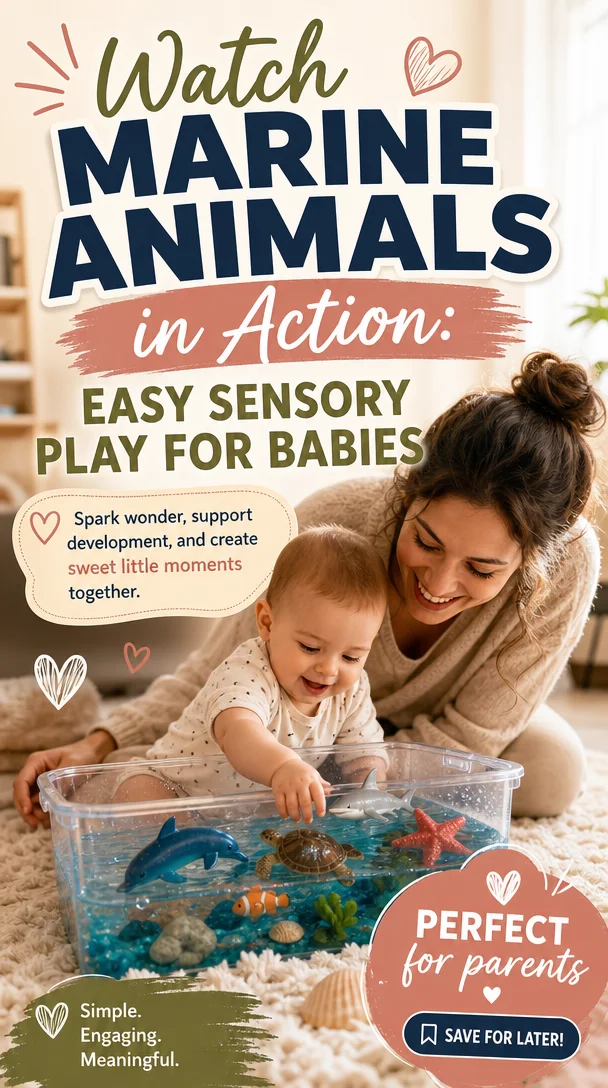
Watch Marine Animals in Action: Easy Sensory Play for Babies
5 Engaging Sensory Bag Ideas for Babies: Exploring the Wonders of Ocean Life
Meta Description
Discover 5 simple sensory bag ideas for babies that promote exploration, motor skills, and curiosity! Dive into ocean-themed fun and learning today!
Introduction
As a parent, you know that every little splash of joy helps your baby grow. Sensory play might just be the most magical aspect of early childhood development. It opens up a world of exploration, wonder, and learning—all while having a great time! Today, let’s dive into five amazing sensory bag ideas centered around the enchanting theme of ocean life. These activities will not only captivate your little one’s imagination but also help them develop essential motor skills and visual attention.
Whether it’s their first encounter with the ocean or a way to blend play with learning, these sensory bags make every moment feel special. After all, parenting isn’t about being perfect; it’s about creating moments that matter. Let’s explore!
Why Sensory Play Matters
The Benefits of Sensory Activities
When it comes to your baby’s development, every interaction counts. Sensory activities stimulate the brain and encourage exploration, curiosity, and creativity. They help to:
- Enhance motor skills: Grasping and manipulating objects build coordination and strength in tiny hands.
- Encourage visual attention: Engaging colors and shapes draw your baby’s eyes and keep them focused.
- Spark curiosity: Interactive and dynamic experiences foster a natural desire to explore the world.
Through sensory play, your little one learns not just about textures and colors but also about cause and effect, which is fundamental for their cognitive development.
1. Pom-Poms + Water = Colorful Fun!
Imagine a watery world filled with colorful pom-poms bobbing around. This activity is not only visually appealing, but it also promotes a variety of sensory experiences.
What You’ll Need
- A ziplock bag or clear container
- Assorted pom-poms (various sizes and colors)
- Water
- Optional: a few drops of food coloring for added flair
How to Create It
- Start by filling your bag or container with water, leaving some space at the top.
- Drop in the pom-poms and a splash of food coloring if using.
- Seal the bag tightly, ensuring no leaks, or secure the container’s lid.
Developmental Benefits
Your baby will enjoy the feel of the soft pom-poms while manipulating them in the water, enhancing their fine motor skills. As they watch the bright colors shift, their visual coordination also improves.
2. Mess-Free Painting with Tints
Painting can create wonderful memories, but the mess is often overwhelming. Enter: mess-free painting!
What You’ll Need
- Ziplock bags
- Washable paint
- White paper
- Optional: transparent contact paper
How to Create It
- Squeeze a few dollops of washable paint into one corner of the ziplock bag.
- Seal the bag, ensuring there’s no air trapped inside.
- Let your baby push, squish, and explore the colors. You can place a piece of white paper underneath the bag to see their colorful artwork through the bag!
Developmental Benefits
This activity promotes creativity and visual tracking as your baby discovers how colors mix and blend without the stress of cleanup. It also enhances their motor skills as they maneuver and push the paint around, keeping parents sane and happy!
3. Sparkly Sequins + Water
Who doesn’t love a little sparkle? This sensory bag idea adds an element of surprise and intrigue—perfect for your little explorer!
What You’ll Need
- A ziplock bag or clear container
- Assorted sequins
- Water
- Optional: a bit of glitter for extra shimmer
How to Create It
- Add sequins and water to your bag or container.
- If using, sprinkle in some glitter.
- Seal it tight and let your baby shake and explore!
Developmental Benefits
The shimmering sparkles and their movement when the bag is shaken will capture your baby’s attention and encourage them to explore. It’s a delightful way to enhance visual exploration and tactile experiences. Plus, the act of shaking helps develop their gross motor skills!
4. Ocean Treasures: Marine Animals + Water
Bring the ocean to your home with this incredibly interactive sensory bag that introduces your little one to marine life.
What You’ll Need
- A ziplock bag
- Small ocean-themed toys (like marine animals)
- Water
- A few drops of blue food coloring for realism
How to Create It
- Fill your ziplock bag with water and drop in the marine animals.
- Add food coloring for a vibrant sea effect and seal securely.
Developmental Benefits
This imaginative activity lets babies interact with ocean life, fostering a connection with nature. As they explore the movement of the water and toys, they enhance their sensory development and understanding of their environment. Plus, it opens up opportunities for conversations about different sea creatures!
5. Exploring the Mixing World: Water + Oil + Dye
This sensory experiment demonstrates something magical: how liquids interact!
What You’ll Need
- A clear container (preferably with a lid)
- Water
- Vegetable oil
- Food coloring
How to Create It
- Fill the container halfway with water.
- Slowly add vegetable oil until it almost fills the container (you’ll see it float on top).
- Drop in a few drops of food coloring and close it tightly.
- Let your baby shake it up and watch the colors mix!
Developmental Benefits
This fascinating activity not only captures your baby’s attention with vibrant colors, but it also facilitates an introduction to scientific concepts like density and mixing, all while developing their visual curiosity and hand-eye coordination!
Helpful Tips for Sensory Play
Safety First
When it comes to sensory play, safety is your priority. Always ensure everything you include in bags is non-toxic and that containers are securely sealed to avoid spills. Supervision is key to keeping play safe and enjoyable.
Make It Engaging
Talk to your baby while they play! Describe colors, textures, and actions. Encouragement helps build early language skills and emotional connections.
Rotate Activities
To keep sensory play fresh, rotate the materials and themes regularly. Introduce different items, colors, and textures! This keeps both you and your little one excited about playtime.
Share the Joy
Capture those adorable moments on your phone and share the joy with friends! Sensory activities can spread warmth and ideas among parent communities, making the experience even more enjoyable.
Conclusion
Creating sensory bags can transform everyday moments into incredible adventures for you and your little one. By fostering curiosity and exploration, you provide a nurturing environment for development without the overwhelm of perfect parenting. Remember, it’s all about enjoying these fleeting moments together. Embrace the mess, celebrate the small wins, and, most importantly, enjoy the journey of parenthood.
You’re doing amazing, and every splash of love counts. Here’s to many joyful moments ahead as you dive into sensory exploration. You’ve got this, and your little one will thank you with every giggle and smile!
Optional FAQ Section
Q: How often can we use sensory bags?
You can use sensory bags daily! Rotate the themes and materials to keep things engaging for your baby.
Q: Can older kids enjoy sensory bags too?
Absolutely! You can tailor the contents to suit different age groups. For older children, involve them in making the sensory bags and discussing the science behind them.
Q: How do I store sensory bags?
Seal them tightly and store them in a cool, dry place. Ensure they’re safe from any sharp objects and away from direct sunlight to maintain their integrity.
Let’s make every day a little brighter and a lot more playful! Happy exploring!
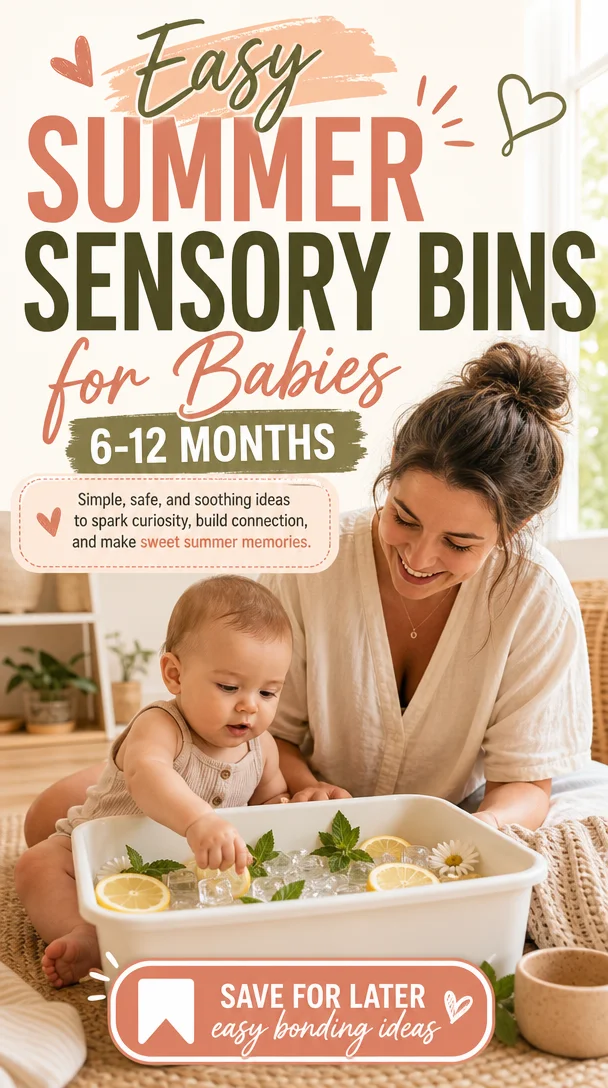
Easy Summer Sensory Bins for Babies 6-12 Months
Summer Sensory for Infants: Engaging Sensory Bins for 6-12 Months
Meta Description
Explore delightful summer sensory bins for infants aged 6-12 months. Discover engaging activities that boost development and create joyful, messy memories!
Introduction
Ah, summer days! The sun shines bright, outdoor adventures await, and yet, as parents of little ones, we sometimes wonder how to keep our babies entertained during those hot months. If you have an infant between 6-12 months, you know they love to explore the world around them. But let’s face it—playing outside can feel a bit overwhelming when you’re wrangling a tiny human who’s just discovered the wonders of their senses.
That’s where summer sensory bins come into play! They offer a fantastic opportunity for sensory exploration right in the comfort of your home. Imagine your little one squishing, splashing, and experimenting with different textures—all while you relax (or grab that much-deserved cup of coffee). In this guide, let’s delve into the beauty of summer sensory bins for infants, packed with practical ideas, easy setups, and heartfelt encouragement. You’ve got this, and I’m here to help!
The Benefits of Sensory Play for Infants
Sensory play is not just for fun; it’s a vital part of your baby’s development. Engaging in sensory activities nurtures their curiosity and helps them develop critical skills such as:
- Motor Skills: Gripping, pouring, and manipulating different materials enhances fine motor skills.
- Cognitive Development: Exploring textures and tastes introduces concepts of cause and effect.
- Emotional Growth: Sensory play promotes feelings of joy, leading to happier and more relaxed babies.
- Social Interaction: Sharing materials and playing together fosters connection and bonding.
Setting Up Your Summer Sensory Bin: What You’ll Need
Creating your sensory bin is easier than it seems! Here are some simple items you can use to make the perfect tactile playground for your little one:
Bin Ideas
- Water Table: A shallow plastic container filled with water.
- Sand Bin: A container of kinetic sand or play sand for digging.
- Nature Bin: A collection of leaves, flowers, and small natural objects like pinecones and rocks.
Sensory Materials
- Water: Use cold water or warm water, adding colorful dishes or bath toys for extra fun.
- Sand: Consider adding safe toys like cups, shovels, and even spoons for scooping.
- Ice: Freeze small toys or fruits in ice blocks for a cool summer exploration.
- Plants: Use fresh herbs like mint or basil for smelling and touching.
Fun Summer Sensory Ideas for 6-12 Month Infants
Now that you know what you can use, let’s dive into some specific sensory bin themes perfect for summer!
1. Tropical Water Adventure
Fill a shallow bin with water and add colorful plastic ocean animals. You can include small cups, spoons, sand toys, or even a few splashes of food coloring for vibrant colors!
Tip: Create a shaded area outside with a blanket or umbrella to keep your baby comfortable while they splash!
2. Beach Day with Sand
Provide a bin of kinetic sand along with small beach toys. Let your baby squish, mold, and explore. Add scoops and spades to encourage mess-making!
Tip: Head outside and let your baby dig in the sand (make sure it’s safe!). Bring along some small buckets to collect treasures!
3. Nature’s Colors
Collect various natural items like leaves, flowers, and smooth stones. Create a sensory bin that introduces your child to different textures and colors.
Tip: Encourage your little one to smell the flowers and feel the leaves. The local park or garden can be a perfect place for this activity!
4. Ice Block Exploration
Freeze small toys or fruits in ice blocks. This is a wonderful way for your baby to experience temperatures and textures. As the ice melts, let them explore!
Tip: Use warm water to speed up the melting process or provide towels for the drips!
5. Sensory Soup
Fill a bin with a mixture of water, bubbles, and toys. Let your baby pour, splash, and play in a bubbly sensory soup!
Tip: Add bath toys and even some safe kitchen tools like measuring cups to enhance the fun.
Helpful Tips for Success
As with any parenting activity, we want to keep things safe and enjoyable! Here are some handy tips for sensory play with infants:
- Supervise Closely: Always stay within arm’s reach during sensory play to ensure safety, especially with water or small objects.
- Choose Non-Toxic Materials: Ensure any objects used are safe and suitable for mouthing, as infants often explore through their mouths.
- Be Ready for a Mess: Sometimes sensory play gets messy! Set up in easily cleanable spaces or outside to minimize stress.
- Follow Your Baby’s Lead: Pay attention to what your infant enjoys and let them explore at their own pace. Don’t pressure them to engage if they seem uninterested.
Encouraging Your Child’s Sensory Exploration
Helping your little one engage with sensory bins can deepen their experience and spark curiosity. Here’s how:
Ask Open-Ended Questions
Encourage your baby’s exploration by asking simple questions, even if they can’t answer yet. For instance:
- “What does that feel like?”
- “Can you splash the water?”
- “How does the sand feel on your fingers?”
Offer Gentle Guidance
If they seem unsure, demonstrate how to play, but let them take over immediately. Your excitement can be contagious!
Celebrate Little Wins
When your baby makes discoveries—like splashing water or feeling grass for the first time—celebrate with smiles and cheers! These joyful moments foster a strong emotional bond.
Create a Routine
Incorporate sensory play into your weekly routine. For instance, make Wednesdays "Sensory Play Day" where you try something new! This anticipation builds excitement.
Summer Sensory Play and Connection
Remember, summer sensory play isn’t just about sensory learning; it’s about creating meaningful moments. Infants thrive in environments filled with love and attention. Here are some connection ideas to deepen those special summer days:
- Storytime: While playing, narrate a story that incorporates their sensory experiences. "The ocean feels cool and the sand tickles your toes!"
- Hold and Explore: Encourage them to hold different objects and name them, fostering language skills.
- Music and Movement: Play gentle summer music while they play, prompting them to move and wiggle. Happy babies mean happy summer memories!
Conclusion
You’re doing an incredible job navigating the beautiful challenges of parenting. Creating summer sensory bins for your little one is a delightful way to foster development, connection, and that joyful messiness that makes childhood so magical.
As you enjoy these simple, heartfelt activities, remember that perfect parenting doesn’t exist—your love and presence are the most important gifts you can offer. So grab those bins, get creative, and savor these moments of sensory exploration. Here’s to a summer filled with laughter, messy hands, and warm, cozy memories! You’ve got this!
Optional FAQ Section
Q: Can sensory play be messy?
A: Yes, it can! But that’s part of the fun. Set up your sensory play area in a space that’s easy to clean or take it outdoors.
Q: What if my baby doesn’t seem interested in sensory play?
A: That’s perfectly normal! Follow their lead and offer different materials or activities. Sometimes engaging them in the moment can ignite their curiosity.
Q: How often should I set up sensory bins?
A: You can set up sensory bins as often as you like—try once a week to keep things fresh and exciting!
Pin It for Later!
Don’t forget to save this article for ideas on summer sensory bins for infants! Share it with your parent friends and let’s create a supportive community around joyful parenting. 💛