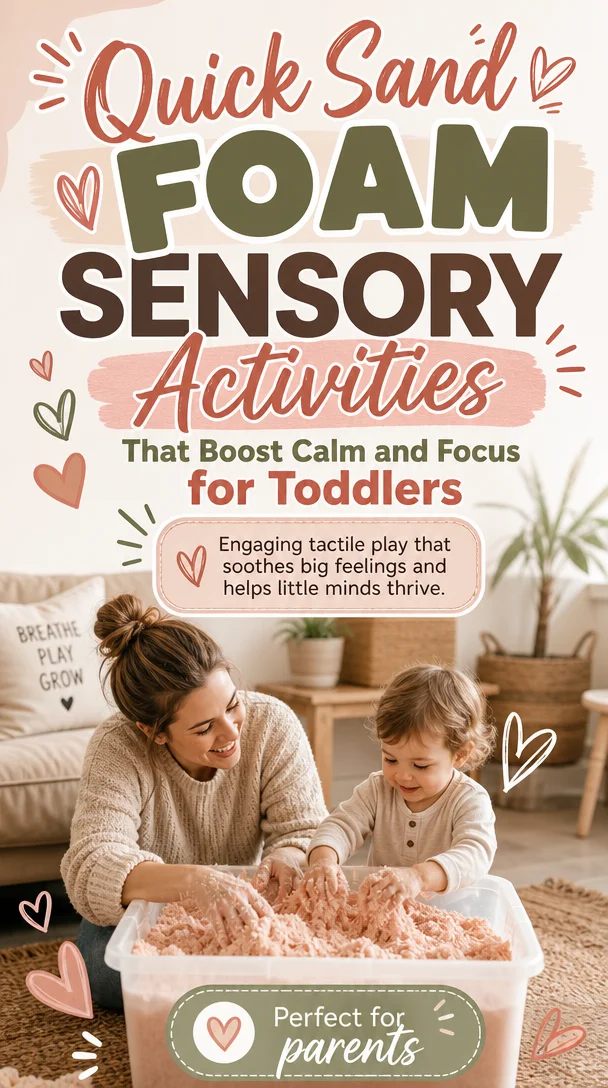
Quick Sand Foam Sensory Activities That Boost Calm and Focus for Toddlers
Sand Foam Sensory Play: A Fun and Easy Summer Activity for Kids
Meta Description
Discover how to create sand foam sensory play in just minutes! This engaging summer activity promotes creativity and sensory exploration—perfect for toddlers and preschoolers.
Introduction
As parents, we all know that summer can sometimes feel like a never-ending search for activities to keep our little ones happy and engaged. You want them to enjoy their time away from screens, to explore and create, but planning can often feel overwhelming. Enter sand foam sensory play—an easy, delightful, and oh-so-fun activity that requires minimal prep and maximum enjoyment!
Imagine your child’s face lighting up as they dig their hands into soft, fluffy foam, squishing and molding it into whatever their imaginations can conjure. It’s not just about having fun; sensory play encourages creativity, fine motor skills, and emotional development. Plus, it gives you a well-deserved moment to sip your coffee while they explore (and make a delightful mess!).
So, let’s dive into how to set up this fabulous summer activity that brings joy to your family—all while keeping the pressure off you, the parent!
What is Sand Foam Sensory Play?
Sand foam is a fantastic sensory material that resembles sand but feels light and airy, offering a unique tactile experience for children. It’s easy to mold, shape, and play with, allowing kids to create anything from castles to ocean creatures right in their backyard or living room.
Benefits of Sensory Play for Kids
- Encourages Exploration: Sensory play sparks curiosity, allowing children to discover new textures and sensations in a safe environment.
- Boosts Creativity: Kids can unleash their imaginations as they manipulate the foam, creating different shapes and structures.
- Enhances Fine Motor Skills: Squeezing, rolling, and forming shapes help improve hand-eye coordination and fine motor development.
- Promotes Emotional Regulation: Engaging with sensory materials can calm children, helping them to express emotions and process their feelings.
How to Prepare Sand Foam
Now that we’ve established the myriad benefits of sand foam sensory play, let’s get down to the nitty-gritty of how to prepare it! The best part? You likely have most of the ingredients at home.
Supplies Needed
- Sand (play sand or kinetic sand works great!)
- Shaving Cream (look for an unscented variety if your child has sensitivities)
- Mixing Bowl
- Spoon or Hands for Mixing
- Optional Add-Ins: Food coloring, glitter, small toys, or shells for extra sensory elements!
Step-by-Step Instructions
-
Mix the Sand and Shaving Cream: Start by adding equal parts sand and shaving cream to a mixing bowl. If you want a fluffier texture, adjust the proportions by adding more shaving cream.
-
Stir it Up: Use a spoon or your hands to mix thoroughly until the sand absorbs the foam. You want it to hold together firmly but still feel light and airy.
-
Add Color and Texture: For added fun, include a few drops of food coloring or sprinkle in some glitter. Let your little ones get creative by adding small toys or seashells to inspire imaginative play!
-
Storage: If you don’t use all the sand foam in one session, you can store it in an airtight container for a few days. Just give it a quick mix before using again!
Ideas for Playtime
Once your sand foam is ready, the possibilities are endless! Here are some engaging ideas to get your kiddos playing:
Sandbox Adventure
Set up a mini sandbox area using a shallow bin filled with your sand foam. Provide toy shovels, buckets, or molds so they can build and dig to their heart’s content.
Sensory Bin Exploration
Create a sensory bin by adding your sand foam and mixing in different elements. Incorporate water beads, dried beans, or small toy animals to enhance the experience. It creates a multi-layered sensory exploration that will keep even the most active toddlers engaged!
Nature Play
If you’re outside, encourage your little ones to gather small sticks, leaves, or flowers. They can incorporate natural elements into their foam play, creating miniature landscapes or imaginary worlds.
Themed Story Time
Combine sensory play with storytelling! Choose a nature-themed book, then use the sand foam as a tactile activity while reading. Encourage your kids to recreate scenes from the story with the foam.
Helpful Tips to Make the Most of Sand Foam Sensory Play
- Worried About the Mess? Lay down a plastic tablecloth or old sheets to protect your floors. Embrace the mess—it’s part of the fun!
- Engage with Your Child: Join in the play! Ask open-ended questions like, “What are you building?” or “How does it feel?” to foster communication and deepen your connection.
- Use Different Textures: Mix in other materials, such as rice or beans, for a varied sensory experience. Let kids compare the textures and talk about how they feel.
- Incorporate Learning: Use this activity as a springboard for learning. Introduce simple math concepts by counting how many shells they find, or talk about colors while adding food coloring!
Conclusion
As summer unfolds, creating memorable moments with your kids can sometimes feel daunting. But activities like sand foam sensory play offer an easy way to engage their creativity and sense of wonder—without added stress for you. Remember, it’s all about the experience, not perfection! Your child will cherish these silly, messy, and joyful moments.
So, take a deep breath and enjoy the process. You’re doing an amazing job, and every little moment counts. If you’re ever in doubt, just remember: messy play often leads to the best memories. Happy playing!
Optional FAQ Section
How long does sand foam last?
When stored in an airtight container, sand foam typically lasts for around 3-5 days.
Can I make sand foam without shaving cream?
Yes! You can experiment with alternatives like whipped soap or even cornstarch mixed with water for a different texture.
Is sand foam safe for toddlers?
Absolutely! Just ensure they don’t ingest it and monitor them during play. If you choose to use glitter or small items, ensure they are safe and non-toxic.
Final Thought
Feel free to experiment with your own twist on sand foam sensory play—make it as unique as your family! Enjoy every little moment; they truly matter.
Now, gather those supplies, and dive into the delightful world of sand foam sensory play. Your children will love the experience, and you’ll find joy in their happiness. Happy crafting!
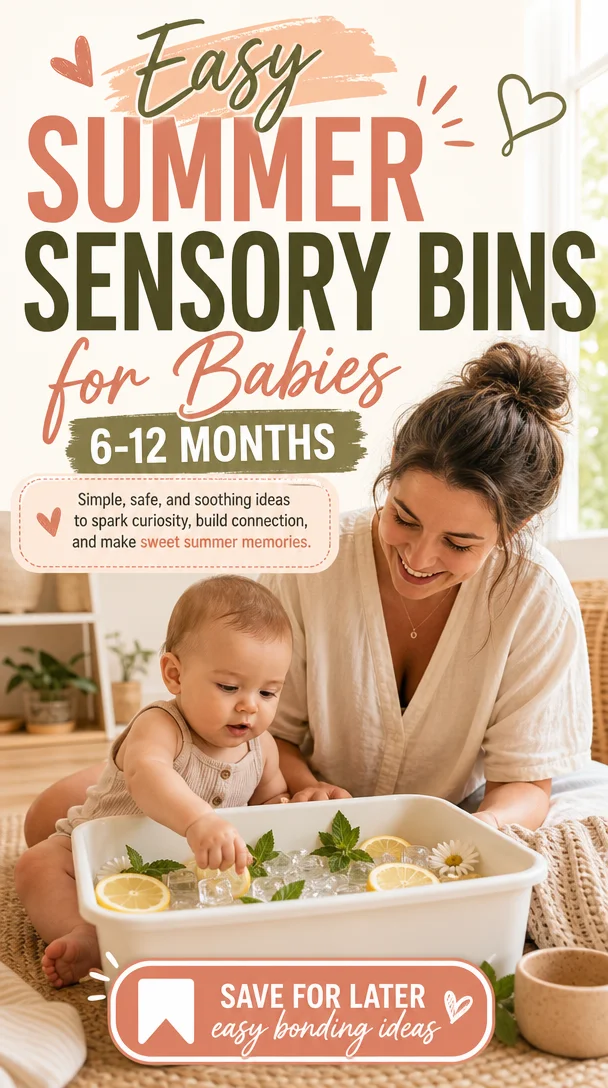
Easy Summer Sensory Bins for Babies 6-12 Months
Summer Sensory for Infants: Engaging Sensory Bins for 6-12 Months
Meta Description
Explore delightful summer sensory bins for infants aged 6-12 months. Discover engaging activities that boost development and create joyful, messy memories!
Introduction
Ah, summer days! The sun shines bright, outdoor adventures await, and yet, as parents of little ones, we sometimes wonder how to keep our babies entertained during those hot months. If you have an infant between 6-12 months, you know they love to explore the world around them. But let’s face it—playing outside can feel a bit overwhelming when you’re wrangling a tiny human who’s just discovered the wonders of their senses.
That’s where summer sensory bins come into play! They offer a fantastic opportunity for sensory exploration right in the comfort of your home. Imagine your little one squishing, splashing, and experimenting with different textures—all while you relax (or grab that much-deserved cup of coffee). In this guide, let’s delve into the beauty of summer sensory bins for infants, packed with practical ideas, easy setups, and heartfelt encouragement. You’ve got this, and I’m here to help!
The Benefits of Sensory Play for Infants
Sensory play is not just for fun; it’s a vital part of your baby’s development. Engaging in sensory activities nurtures their curiosity and helps them develop critical skills such as:
- Motor Skills: Gripping, pouring, and manipulating different materials enhances fine motor skills.
- Cognitive Development: Exploring textures and tastes introduces concepts of cause and effect.
- Emotional Growth: Sensory play promotes feelings of joy, leading to happier and more relaxed babies.
- Social Interaction: Sharing materials and playing together fosters connection and bonding.
Setting Up Your Summer Sensory Bin: What You’ll Need
Creating your sensory bin is easier than it seems! Here are some simple items you can use to make the perfect tactile playground for your little one:
Bin Ideas
- Water Table: A shallow plastic container filled with water.
- Sand Bin: A container of kinetic sand or play sand for digging.
- Nature Bin: A collection of leaves, flowers, and small natural objects like pinecones and rocks.
Sensory Materials
- Water: Use cold water or warm water, adding colorful dishes or bath toys for extra fun.
- Sand: Consider adding safe toys like cups, shovels, and even spoons for scooping.
- Ice: Freeze small toys or fruits in ice blocks for a cool summer exploration.
- Plants: Use fresh herbs like mint or basil for smelling and touching.
Fun Summer Sensory Ideas for 6-12 Month Infants
Now that you know what you can use, let’s dive into some specific sensory bin themes perfect for summer!
1. Tropical Water Adventure
Fill a shallow bin with water and add colorful plastic ocean animals. You can include small cups, spoons, sand toys, or even a few splashes of food coloring for vibrant colors!
Tip: Create a shaded area outside with a blanket or umbrella to keep your baby comfortable while they splash!
2. Beach Day with Sand
Provide a bin of kinetic sand along with small beach toys. Let your baby squish, mold, and explore. Add scoops and spades to encourage mess-making!
Tip: Head outside and let your baby dig in the sand (make sure it’s safe!). Bring along some small buckets to collect treasures!
3. Nature’s Colors
Collect various natural items like leaves, flowers, and smooth stones. Create a sensory bin that introduces your child to different textures and colors.
Tip: Encourage your little one to smell the flowers and feel the leaves. The local park or garden can be a perfect place for this activity!
4. Ice Block Exploration
Freeze small toys or fruits in ice blocks. This is a wonderful way for your baby to experience temperatures and textures. As the ice melts, let them explore!
Tip: Use warm water to speed up the melting process or provide towels for the drips!
5. Sensory Soup
Fill a bin with a mixture of water, bubbles, and toys. Let your baby pour, splash, and play in a bubbly sensory soup!
Tip: Add bath toys and even some safe kitchen tools like measuring cups to enhance the fun.
Helpful Tips for Success
As with any parenting activity, we want to keep things safe and enjoyable! Here are some handy tips for sensory play with infants:
- Supervise Closely: Always stay within arm’s reach during sensory play to ensure safety, especially with water or small objects.
- Choose Non-Toxic Materials: Ensure any objects used are safe and suitable for mouthing, as infants often explore through their mouths.
- Be Ready for a Mess: Sometimes sensory play gets messy! Set up in easily cleanable spaces or outside to minimize stress.
- Follow Your Baby’s Lead: Pay attention to what your infant enjoys and let them explore at their own pace. Don’t pressure them to engage if they seem uninterested.
Encouraging Your Child’s Sensory Exploration
Helping your little one engage with sensory bins can deepen their experience and spark curiosity. Here’s how:
Ask Open-Ended Questions
Encourage your baby’s exploration by asking simple questions, even if they can’t answer yet. For instance:
- “What does that feel like?”
- “Can you splash the water?”
- “How does the sand feel on your fingers?”
Offer Gentle Guidance
If they seem unsure, demonstrate how to play, but let them take over immediately. Your excitement can be contagious!
Celebrate Little Wins
When your baby makes discoveries—like splashing water or feeling grass for the first time—celebrate with smiles and cheers! These joyful moments foster a strong emotional bond.
Create a Routine
Incorporate sensory play into your weekly routine. For instance, make Wednesdays "Sensory Play Day" where you try something new! This anticipation builds excitement.
Summer Sensory Play and Connection
Remember, summer sensory play isn’t just about sensory learning; it’s about creating meaningful moments. Infants thrive in environments filled with love and attention. Here are some connection ideas to deepen those special summer days:
- Storytime: While playing, narrate a story that incorporates their sensory experiences. "The ocean feels cool and the sand tickles your toes!"
- Hold and Explore: Encourage them to hold different objects and name them, fostering language skills.
- Music and Movement: Play gentle summer music while they play, prompting them to move and wiggle. Happy babies mean happy summer memories!
Conclusion
You’re doing an incredible job navigating the beautiful challenges of parenting. Creating summer sensory bins for your little one is a delightful way to foster development, connection, and that joyful messiness that makes childhood so magical.
As you enjoy these simple, heartfelt activities, remember that perfect parenting doesn’t exist—your love and presence are the most important gifts you can offer. So grab those bins, get creative, and savor these moments of sensory exploration. Here’s to a summer filled with laughter, messy hands, and warm, cozy memories! You’ve got this!
Optional FAQ Section
Q: Can sensory play be messy?
A: Yes, it can! But that’s part of the fun. Set up your sensory play area in a space that’s easy to clean or take it outdoors.
Q: What if my baby doesn’t seem interested in sensory play?
A: That’s perfectly normal! Follow their lead and offer different materials or activities. Sometimes engaging them in the moment can ignite their curiosity.
Q: How often should I set up sensory bins?
A: You can set up sensory bins as often as you like—try once a week to keep things fresh and exciting!
Pin It for Later!
Don’t forget to save this article for ideas on summer sensory bins for infants! Share it with your parent friends and let’s create a supportive community around joyful parenting. 💛