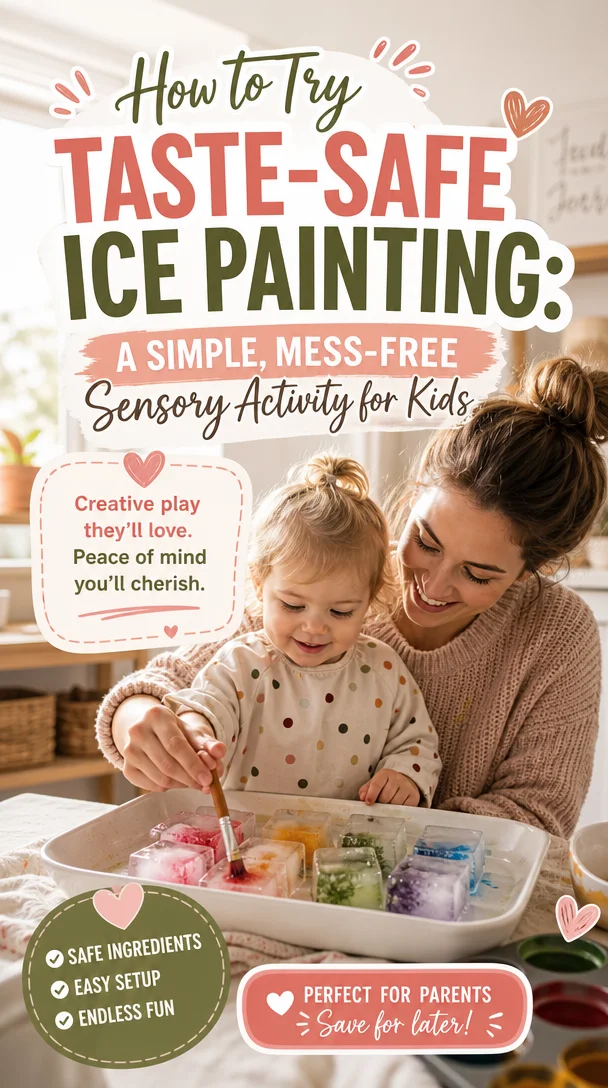
How to Try Taste-Safe Ice Painting: A Simple, Mess-Free Sensory Activity for Kids
Taste Safe Ice Painting: A Fun Sensory Play Activity for Kids
Meta Description: Discover taste-safe ice painting for sensory play! Create colorful art while fostering creativity and exploration in your little ones.
Hey there, fellow parent! You know those days when the kids seem to have an endless amount of energy, and the weather limits outdoor play? We’ve all been there! Sometimes, it feels like you need a little magic to transform those chaotic moments into something special. That’s why I’m excited to share an amazing activity with you: Taste Safe Ice Painting.
This engaging sensory play idea not only allows your little ones to uncover their creative talents but also provides a wonderful opportunity for exploration and learning. The best part? It’s completely taste-safe! So, don’t worry if they take a curious lick or two. This activity isn’t just about art; it’s about building connections with your child while encouraging their natural curiosity. Let’s dive into the colorful world of ice painting and create some joyful memories together!
The Benefits of Sensory Play
Before we jump into the nitty-gritty of ice painting, let’s chat about why sensory play is so essential for our little ones. Engaging their senses helps children develop crucial skills such as:
- Fine Motor Skills: Squeezing, stirring, and manipulating tools enhance dexterity and strengthen hand muscles.
- Cognitive Development: Sensory experiences foster problem-solving skills as kids explore colors, shapes, and textures.
- Emotional Regulation: Hands-on activities can help children express their feelings and reduce anxiety.
- Creativity and Imagination: Unleashing their creativity allows kids to express themselves in unique ways.
With the benefits in mind, let’s explore a delightful sensory activity that your toddler will adore!
What is Ice Painting?
Ice painting combines the joy of painting with the sensory experience of melting ice. You freeze colorful, edible liquids in ice cube trays and then use the ice to paint on paper or canvas. As the ice melts, children witness a beautiful blending of colors. This magical transformation can captivate young hearts and minds!
What You Will Need
Gather these simple supplies for an enjoyable ice painting adventure:
Materials
-
Taste-Safe Paint:
- 1 cup of water
- 1 cup of sugar-free juice or unsweetened yogurt (you can also use diluted food coloring)
-
Ice Cube Trays: These will serve as molds for your paint.
-
Paper or Canvas: Use watercolor paper, cardstock, or a canvas where the colorful artwork will appear.
-
Plastic Wrap (optional): If your little artist wants to transport their artwork outside, this will help keep it from blowing away.
-
Paintbrushes or sponges (optional): For those who want to dab, swirl, or create patterns as they play.
Preparing Your Materials
- Make the Paint: Combine water and your choice of juice or yogurt in a bowl. If using food coloring, mix it in to create vibrant colors.
- Fill the Ice Cube Trays: Pour your colorful mixture into the ice cube trays and freeze them overnight.
- Prepare Your Workspace: Set up a designated painting area outdoors or at a table covered with newspaper. Minimize the mess while maximizing fun!
Ice Painting Step-by-Step Instructions
Once your ice cubes are frozen and your space is ready, it’s time for the fun! Follow these steps:
- Set the Stage: Find a nice spot either outdoors where your child can create freely or somewhere inside protected from spills.
- Gather Encouragement: Invite your child to browse through the ice “paints.” Encourage them to pick their favorite colors or flavors to start.
- Start Painting: Show your child how to hold an ice piece and paint! Let them explore the melting ice, feeling its coolness against their hands.
- Experiment with Techniques: Encourage them to press, swipe, and spin the ice on the paper. Ask questions like, “What happens when we layer colors?” or “Can you create a rainbow?”
- Observe and Discuss: As the painting progresses, take a moment to observe the changing colors and discuss what your child sees. Use descriptive words and encourage them to share their thoughts.
Connecting Through Conversation
This activity isn’t just about creating beautiful artwork; it’s an opportunity for meaningful connection. Here are some conversation starters to enhance the experience:
- “What color do you think we should mix next?”
- “How does the ice feel against your skin?”
- “Can you describe what this color reminds you of?”
By fostering these interactions, you nurture language development and emotional bonds between you and your child, making the experience even richer.
Helpful Tips for Success
To ensure your ice painting session goes smoothly, keep these tips in mind:
Make it a Mess-Free Zone
- Use a plastic tablecloth or old newspapers to protect your surfaces.
- Dress your child in old clothes or a smock to avoid worries about stains.
Adapt for Age and Skill Level
- For younger kids, allow them to freely explore without specific instructions.
- For older children, introduce techniques like layering, mixing colors, or even creating shapes and patterns.
Add Layers of Learning
- Teach about color mixing: What happens when they combine red and blue?
- Discuss the science of melting: Why does the ice melt, and what can we learn about temperature?
The Joy of Displaying Art
Once your little artist finishes their masterpiece, let’s celebrate their creativity!
- Spotlight Art: Find a special place at home to hang their artwork. Use clips, strings, or a gallery wall for an attractive display.
- Keep an Art Journal: Take pictures of their creations and compile them into a fun scrapbook. You can create a mini-gallery of their artistic journey to look back on together.
Encouraging Independence
As your child starts to gain confidence in their creativity, encourage them to lead the way. Let them choose their colors and methods. Empowering them builds self-esteem and a sense of ownership over their creations. Remember, there’s no wrong way to play!
Cleaning Up Made Easy
No need to dread the cleanup after such a fun activity! Once your ice painting session wraps up:
- Quick Rinse: If using juice or yogurt, quickly rinse any brushes or surfaces with warm water to prevent stickiness.
- Store Remaining Ice Cubes: If there are any leftover ice paints, you can refreeze them for future play sessions. Just pop them back in the freezer!
Conclusion
Taste-safe ice painting combines creativity and sensory exploration, bringing joy and learning right into your home. As parents, we want to create moments that matter, and this simple activity allows us to do just that. Along the way, you bond with your child, encourage artistic expression, and help them express their emotions.
Remember, parenting doesn’t require perfection. Little moments of joy, like ice painting, are what make this journey beautiful. So, the next time your little one needs an engaging activity, whip out those ice paints, grab your favorite juice, and let the creativity flow. You got this, and you’re doing amazing!
Now, let’s grab those supplies and begin painting the world with imagination and love. Happy creating!
Frequently Asked Questions
Q: Is the ice paint safe for my toddler to taste?
A: Yes! Using juice or yogurt means it’s taste-safe. Just supervise to ensure they don’t consume too much at once.
Q: What if it’s too cold outside?
A: You can do ice painting indoors! Just prepare your space accordingly, but keep the temperature in mind to avoid slippery floors.
Q: Can we use these techniques with other materials?
A: Absolutely! Try using different tools, such as sponges or brushes, or even create splatter art by flicking paint from toothbrushes!
By following this guide, you can create a delightful sensory-rich environment that supports your child’s development and strengthens your parent-child bond. Let’s keep those creative juices flowing, one activity at a time!

Atividade sensorial INCRÍVEL é tão simples para fazer com a criançada!
Incredible Sensory Activities So Simple to Do with Your Kids!
Meta Description: Discover simple and engaging sensory activities that your little ones will adore! Explore practical tips and ideas to enrich your parenting journey.
Hey there, wonderful parents! 🌼 Today, I want to share something that’s perfect for your family’s bonding time and super easy to do. If you’re searching for incredible sensory activities that will keep your kids engaged while offering a world of learning and fun, you’re in the right place!
I know how hectic parenting can get. The chaos of juggling chores, meals, and everything else can sometimes leave us feeling a little overwhelmed. But here’s a cheerful thought: sensory activities can not only provide a much-needed pause but also create beautiful moments of connection with your little ones.
Imagine watching your child’s eyes light up as they explore different textures, colors, and scents. You’re not just keeping them entertained; you’re nurturing their curiosity and creativity, too! And trust me, they will love it just as much as we do! 😍
So grab a seat, cozy up, and let’s dive into some fantastic sensory activity ideas that you can whip up in no time.
Why Sensory Activities Matter
Before we jump into the fun, let’s chat about why sensory play is so beneficial for our kiddos. Sensory activities are not just about fun; they play a crucial role in your child’s development. These activities:
- Enhance Cognitive Skills: Through exploration, children learn to make connections between different sensory inputs and develop critical thinking skills.
- Promote Emotional Regulation: Engaging with sensory play can help children express their emotions and manage stress.
- Boost Motor Skills: Many sensory activities encourage kids to use their hands and fingers in creative ways, fine-tuning their motor skills as they play.
- Encourage Creativity: Working with different materials and ideas sparks imagination and originality in your little ones.
Isn’t it reassuring to know that play can be such a powerful tool in our parenting toolbox?
Exciting Sensory Activities to Try
Now, let’s explore some incredible sensory activities that you can easily implement at home. Get ready, because these ideas are not only simple but also guaranteed to be a hit with the kids!
1. Rainbow Rice Bin
What You Need:
- 2 cups of white rice
- Food coloring
- Ziplock bags
- A large bin or tray
- Scoops, spoons, and small toys (optional)
How To Do It:
-
Color the Rice: Divide the rice into ziplock bags and add a few drops of food coloring to each bag. Seal the bags and shake to mix the color. Let it dry for a bit.
-
Set Up the Bin: Pour the colored rice into a large bin or tray. This creates a beautiful rainbow effect that kids will love!
-
Engage: Provide scoops, spoons, and little toys for digging and playing. Let your kids explore the textures and colors as they create, discover, and enjoy.
Why They’ll Love It:
The tactile experience of playing with rice not only entertains but also helps children learn about colors and sorting. Plus, it’s incredibly satisfying to pour and scoop!
2. DIY Sensory Bags
What You Need:
- Clear ziplock bags
- Hair gel or liquid soap
- Small items (buttons, beads, glitter, or googly eyes)
How To Do It:
-
Fill the Bags: Pour hair gel or liquid soap into a ziplock bag. Add in the small items for your child to find and explore.
-
Seal and Tape: Seal the bag tightly and tape it to an easily reachable surface.
-
Explore: Let your little one squish and move the items around within the bag.
Why They’ll Love It:
Sensory bags are squishy, messy free, and oh-so-fun! They stimulate curiosity while promoting sensory exploration.
3. Nature Sensory Box
What You Need:
- A shallow box or container
- Various nature items (leaves, flowers, pebbles, twigs)
How To Do It:
-
Gathering Supplies: Go for a nature walk with your kids. Collect leaves, flowers, smooth pebbles, and interesting twigs.
-
Create the Box: Place all the collected items in the shallow box or container.
-
Sensory Play: Encourage your kids to touch, smell, and arrange the items. You can even discuss their colors and shapes.
Why They’ll Love It:
Engaging with nature is a wonderful way for kids to connect with the world around them. Plus, it’s free and promotes outdoor exploration!
4. Cloud Dough Fun
What You Need:
- 8 cups of flour
- 1 cup of baby oil
- Food coloring (optional)
How To Do It:
-
Mix Ingredients: In a large bowl, combine the flour and baby oil. Mix until you create a dough-like consistency.
-
Add Color: If you’d like, add a few drops of food coloring and mix well to incorporate.
-
Playtime: Let your kids create shapes, sculptures, and more with the soft, moldable dough.
Why They’ll Love It:
Cloud dough is soft and moldable, providing endless opportunities for creativity. The unique texture is both calming and stimulating, making it a joy for little hands.
5. Sensory Water Play
What You Need:
- A large tub or basin
- Warm water
- Cups, scoops, and floating toys
How To Do It:
-
Set Up: Fill a tub with warm water.
-
Add Fun Items: Toss in cups, scoops, and any floating toys or bath letters your kids love.
-
Explore and Play: Let your kids pour, splash, and dive into imaginative play.
Why They’ll Love It:
Water play is invigorating and therapeutic! It encourages those little ones to practice fine motor skills while having tons of fun.
Helpful Tips for Sensory Play Success
-
Safety First: Always supervise your children during sensory activities, especially when using small objects or water.
-
Follow Their Lead: Allow your child to explore in their own way. Engage in the play without directing every move they make.
-
Encourage Language: Talk to your child about what they’re experiencing. Ask questions to develop vocabulary and understanding.
-
Keep It Simple: Don’t feel pressured to prepare elaborate activities. Often, the simplest ideas create the most memorable experiences.
-
Prepare for Mess: Enjoyment often comes with a little mess. Embrace it! Have cleaning supplies ready but remember the joy of play is worth it.
Conclusion
As parents, we often feel the weight of expectations, wondering if we’re doing enough. Here’s the heart of the matter: you are enough. Just by being present and enjoying simple moments through sensory activities, you are forging connections that matter.
Let your kids dive into the joy of exploration, and don’t forget to enjoy the smiles, laughter, and occasional chaos that accompanies it. Remember, parenting is a journey, not a race. Celebrate every little win and cherish the moments you create together.
You’ve got this, and every little moment spent nurturing curiosity and creativity is a step in the right direction. So grab those supplies, clear your minds, and dive into the wonderful world of sensory exploration. Your children will thank you for it!
Feel free to share your favorite sensory activity in the comments below, or let us know how your kiddos responded to these fun ideas! Your experiences enrich our community and inspire us all. Happy exploring! 💛
Optional FAQ Section
Q: What age is suitable for sensory activities?
A: Sensory play caters to various ages. Toddlers and preschoolers often enjoy it the most, but even older children can benefit from engaging sensory experiences.
Q: How do I clean up after sensory play?
A: Clean up can feel overwhelming! Set up a designated play area for sensory activities, and use trays or bins to contain mess. Once playtime ends, involve your child in the cleanup—it can be part of the fun!
Q: Can I combine sensory play with learning?
A: Absolutely! Incorporating educational elements, like counting or color recognition, can enhance the fun and promote deeper learning during play.
With these tips and activities, your family adventures in sensory play are not just about having fun—they’re about building memories that last a lifetime. Enjoy every moment!
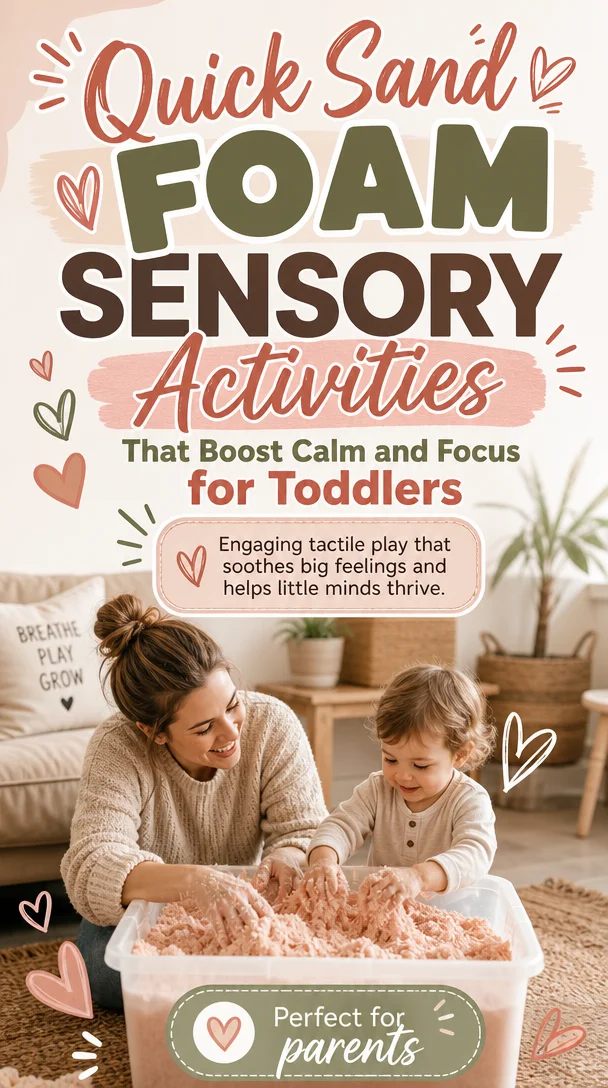
Quick Sand Foam Sensory Activities That Boost Calm and Focus for Toddlers
Sand Foam Sensory Play: A Fun and Easy Summer Activity for Kids
Meta Description
Discover how to create sand foam sensory play in just minutes! This engaging summer activity promotes creativity and sensory exploration—perfect for toddlers and preschoolers.
Introduction
As parents, we all know that summer can sometimes feel like a never-ending search for activities to keep our little ones happy and engaged. You want them to enjoy their time away from screens, to explore and create, but planning can often feel overwhelming. Enter sand foam sensory play—an easy, delightful, and oh-so-fun activity that requires minimal prep and maximum enjoyment!
Imagine your child’s face lighting up as they dig their hands into soft, fluffy foam, squishing and molding it into whatever their imaginations can conjure. It’s not just about having fun; sensory play encourages creativity, fine motor skills, and emotional development. Plus, it gives you a well-deserved moment to sip your coffee while they explore (and make a delightful mess!).
So, let’s dive into how to set up this fabulous summer activity that brings joy to your family—all while keeping the pressure off you, the parent!
What is Sand Foam Sensory Play?
Sand foam is a fantastic sensory material that resembles sand but feels light and airy, offering a unique tactile experience for children. It’s easy to mold, shape, and play with, allowing kids to create anything from castles to ocean creatures right in their backyard or living room.
Benefits of Sensory Play for Kids
- Encourages Exploration: Sensory play sparks curiosity, allowing children to discover new textures and sensations in a safe environment.
- Boosts Creativity: Kids can unleash their imaginations as they manipulate the foam, creating different shapes and structures.
- Enhances Fine Motor Skills: Squeezing, rolling, and forming shapes help improve hand-eye coordination and fine motor development.
- Promotes Emotional Regulation: Engaging with sensory materials can calm children, helping them to express emotions and process their feelings.
How to Prepare Sand Foam
Now that we’ve established the myriad benefits of sand foam sensory play, let’s get down to the nitty-gritty of how to prepare it! The best part? You likely have most of the ingredients at home.
Supplies Needed
- Sand (play sand or kinetic sand works great!)
- Shaving Cream (look for an unscented variety if your child has sensitivities)
- Mixing Bowl
- Spoon or Hands for Mixing
- Optional Add-Ins: Food coloring, glitter, small toys, or shells for extra sensory elements!
Step-by-Step Instructions
-
Mix the Sand and Shaving Cream: Start by adding equal parts sand and shaving cream to a mixing bowl. If you want a fluffier texture, adjust the proportions by adding more shaving cream.
-
Stir it Up: Use a spoon or your hands to mix thoroughly until the sand absorbs the foam. You want it to hold together firmly but still feel light and airy.
-
Add Color and Texture: For added fun, include a few drops of food coloring or sprinkle in some glitter. Let your little ones get creative by adding small toys or seashells to inspire imaginative play!
-
Storage: If you don’t use all the sand foam in one session, you can store it in an airtight container for a few days. Just give it a quick mix before using again!
Ideas for Playtime
Once your sand foam is ready, the possibilities are endless! Here are some engaging ideas to get your kiddos playing:
Sandbox Adventure
Set up a mini sandbox area using a shallow bin filled with your sand foam. Provide toy shovels, buckets, or molds so they can build and dig to their heart’s content.
Sensory Bin Exploration
Create a sensory bin by adding your sand foam and mixing in different elements. Incorporate water beads, dried beans, or small toy animals to enhance the experience. It creates a multi-layered sensory exploration that will keep even the most active toddlers engaged!
Nature Play
If you’re outside, encourage your little ones to gather small sticks, leaves, or flowers. They can incorporate natural elements into their foam play, creating miniature landscapes or imaginary worlds.
Themed Story Time
Combine sensory play with storytelling! Choose a nature-themed book, then use the sand foam as a tactile activity while reading. Encourage your kids to recreate scenes from the story with the foam.
Helpful Tips to Make the Most of Sand Foam Sensory Play
- Worried About the Mess? Lay down a plastic tablecloth or old sheets to protect your floors. Embrace the mess—it’s part of the fun!
- Engage with Your Child: Join in the play! Ask open-ended questions like, “What are you building?” or “How does it feel?” to foster communication and deepen your connection.
- Use Different Textures: Mix in other materials, such as rice or beans, for a varied sensory experience. Let kids compare the textures and talk about how they feel.
- Incorporate Learning: Use this activity as a springboard for learning. Introduce simple math concepts by counting how many shells they find, or talk about colors while adding food coloring!
Conclusion
As summer unfolds, creating memorable moments with your kids can sometimes feel daunting. But activities like sand foam sensory play offer an easy way to engage their creativity and sense of wonder—without added stress for you. Remember, it’s all about the experience, not perfection! Your child will cherish these silly, messy, and joyful moments.
So, take a deep breath and enjoy the process. You’re doing an amazing job, and every little moment counts. If you’re ever in doubt, just remember: messy play often leads to the best memories. Happy playing!
Optional FAQ Section
How long does sand foam last?
When stored in an airtight container, sand foam typically lasts for around 3-5 days.
Can I make sand foam without shaving cream?
Yes! You can experiment with alternatives like whipped soap or even cornstarch mixed with water for a different texture.
Is sand foam safe for toddlers?
Absolutely! Just ensure they don’t ingest it and monitor them during play. If you choose to use glitter or small items, ensure they are safe and non-toxic.
Final Thought
Feel free to experiment with your own twist on sand foam sensory play—make it as unique as your family! Enjoy every little moment; they truly matter.
Now, gather those supplies, and dive into the delightful world of sand foam sensory play. Your children will love the experience, and you’ll find joy in their happiness. Happy crafting!