What No One Tells Parents About Teaching Life Skills to Kids
The Ultimate List of Life Skills to Teach Children
Meta Description: Discover essential life skills to teach your children at home that aren’t covered in school. Empower them to thrive in everyday life with joy!
Hey there, fellow parent! If you’ve ever wondered about the important life skills your child needs to navigate the world outside of textbooks, you’re not alone. It’s easy to feel overwhelmed with so much to teach—and let’s face it, traditional schooling often misses the mark on practical skills. But guess what? You have the power to equip your kids with essential skills that will set them up for success and happiness in life.
Imagine your child confidently baking a cake from scratch, handling financial basics, or communicating effectively with others—all skills that build independence and self-reliance. It’s time to embrace this journey together. So grab your favorite mug of coffee (or tea!) and let’s dive into the ultimate list of life skills you can teach your children outside the traditional classroom.
Why Life Skills Matter
Before we leap into the list, let’s chat about why these skills hold such importance in your child’s life. Just like learning to ride a bike or play a sport, mastering life skills boosts their confidence, independence, and emotional intelligence. These abilities aren’t just useful in navigating adult life; they help kids better understand themselves and the world around them. It helps them feel prepared and capable—a vital part of growing up.
Now, let’s get into the meat of it! Here are life skills that you can weave into daily routines at home.
Essential Life Skills for Children
1. Cooking Basics
Why It’s Important
Cooking not only teaches healthy eating habits but also gives kids a sense of accomplishment.
How to Teach It
Get your little ones involved in the kitchen! Start small by letting them wash veggies or stir ingredients. As they grow more confident, introduce them to more complex recipes.
Example Recipe: Simple Pancakes
- Ingredients: 1 cup all-purpose flour, 1 tbsp sugar, 1 tsp baking powder, 1/2 cup milk, 1 egg.
- Steps: Mix dry ingredients, add wet ingredients, and cook on a skillet. Let them flip the pancakes (with your supervision, of course)!
2. Financial Literacy
Why It’s Important
Teaching children about money management early on helps them make informed financial decisions later.
How to Teach It
Introduce concepts using a play money system or set up a pretend store. Engage them in discussions about saving, spending, and giving.
Tips to Implement
- Allowance: Start giving them a small weekly allowance to manage. Discuss how they can save a portion, spend on treats, and possibly donate to a charity.
- Goal Setting: Help them set a savings goal for something they want to buy.
3. Time Management
Why It’s Important
Understanding how to manage time helps children prioritize tasks and reduces stress.
How to Teach It
Use visual aids—like calendars or timer apps—and create routines around their daily activities.
Example Routine
- Morning: Wake up, brush teeth, breakfast.
- After School: Homework, chores, playtime.
4. Laundry Skills
Why It’s Important
Learning to do laundry fosters independence and responsibility in children.
How to Teach It
Create a simple guide with pictures showing how to sort clothes, load the washer, and fold correctly.
Tips
- Start Off Simple: Let them help with sorting laundry first. Progress to loading and unloading the machine.
- Make It Fun: Play a sorting game with colors or patterns!
5. Communication Skills
Why It’s Important
Effective communication builds strong relationships and reduces misunderstandings.
How to Teach It
Encourage children to express their thoughts and feelings verbally. Role-play different scenarios to practice.
Conversation Idea
Ask open-ended questions like, “What was the best part of your day?” or “How did you solve a problem at school?”
6. Basic Home Maintenance
Why It’s Important
Fostering a sense of care for their surroundings instills responsibility and can save money later.
How to Teach It
Introduce simple tasks like changing light bulbs, using a broom, or watering plants.
Engagement Strategy
- Use a Checklist: Ensure they remember tasks, like checking air filters or wiping surfaces.
- Fun Fixes: Create an engaging DIY project for them, like building a birdhouse.
7. Conflict Resolution
Why It’s Important
Learning how to handle conflict equips children with tools for navigating friendships and social interactions.
How to Teach It
Discuss various conflict scenarios and guide them on finding solutions. Role-playing different outcomes can also help.
Example Scenario
- “What would you do if a friend borrowed your toy without asking?”
8. Self-Care Routines
Why It’s Important
Teaching self-care fosters independence and mental health awareness.
How to Teach It
Help them develop morning and bedtime routines, emphasizing the significance of personal hygiene and rest.
Tips for Self-Care Routines
- Morning: Brush teeth, wash face, daily outfit choice.
- Evening: Create a wind-down ritual—reading or relaxation exercises.
9. Emotional Awareness
Why It’s Important
A good understanding of emotions builds empathy and supports mental well-being.
How to Teach It
Use storytelling to explore different feelings. Discuss emotions that arise in daily life.
Practical Techniques
- Feeling Chart: Create a chart with various emotions and encourage your child to express how they feel each day.
- Journaling: Encourage them to keep a journal about their day, focusing on how they felt.
10. Gardening Skills
Why It’s Important
Gardening fosters responsibility, patience, and a connection to nature.
How to Teach It
Start small with indoor plants or a small outdoor vegetable patch. Allow them to care for the plants they choose.
Getting Started
Provide a checklist of necessary tasks:
- Watering schedule
- Tracking growth progress
- Identifying pests or issues
Implementing Life Skills Through Homeschooling
Whether you take a more formal homeschooling approach or infuse life skills into your day-to-day life, you can effortlessly engage your kids in learning these essential skills. Here are some ideas to implement life skills in your home:
Create a Homeschool Room
Set up a cozy and functional space dedicated to learning. Use areas for cooking, crafting, and studying. Decorate it with visual aids, calendars, and inspiring quotes to keep motivation high.
Daily Life Skills Schedule
You can create a weekly schedule focusing on life skills. Include themes for each day—like Money Mondays for finance basics, or Cooking Wednesdays for hands-on kitchen time.
Support with Checklists and Resources
Provide checklists for daily chores and life skills to track progress. Utilize resources like books, online videos, or workshops focused on specific skills.
Conclusion
You, dear parent, play a pivotal role in shaping your child’s future by equipping them with these essential life skills. While no one can master everything at once, remember that every small lesson builds a foundation for independent and capable adults.
So, embrace the messiness of learning together and celebrate the little victories. As you weave these skills into daily life, you’ll not only lighten your parenting load but also nurture your child’s confidence and resilience. Remember, you’re not alone—and your journey matters.
If you find value in this post, please consider sharing it with fellow parents who might also be looking for simple and effective ways to teach their children life skills. Every bit of encouragement helps us all grow and learn!
FAQ Section
What age should I start teaching life skills?
Start as early as possible! Tailor small tasks to your child’s age and abilities, gradually increasing complexity.
How do I keep my child engaged while teaching these skills?
Make it fun! Use games, involve them in family projects, stay patient, and encourage them to ask questions.
Can I integrate life skills into academic subjects?
Absolutely! Link math with budgeting, science with gardening, and literacy with journaling or storytelling to make lessons holistic.
Let’s cultivate a generation of capable, confident children together!
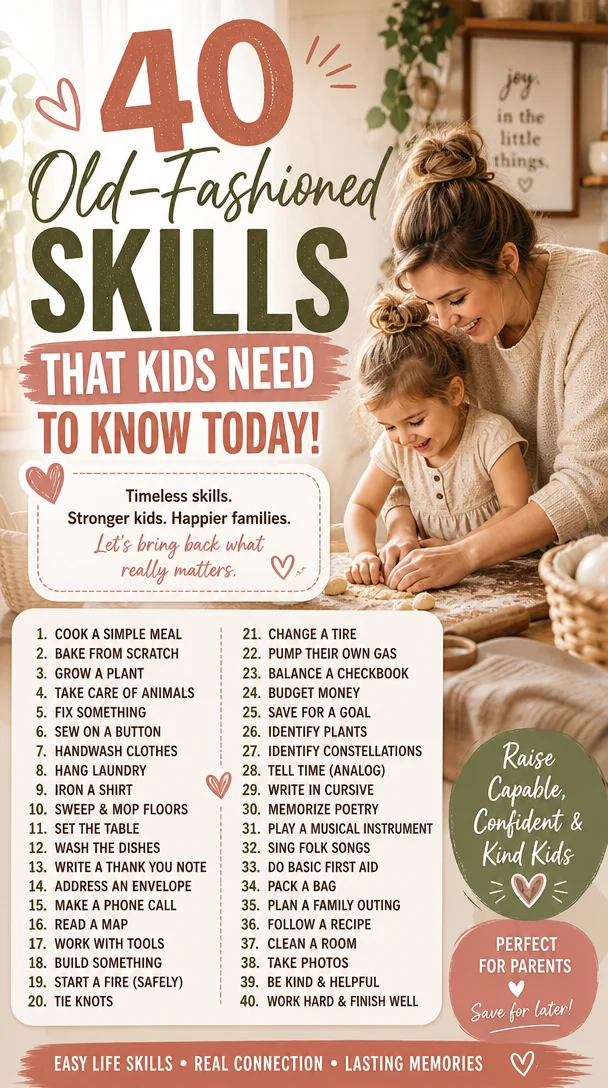
40 Old-Fashioned Skills that Kids Need to Know TODAY! Print a list of 40 simple skills that parents or teachers can teac… | Homeschool life skills ideas, Old skills to learn, Old school skills
40 Old-Fashioned Skills That Kids Need to Know TODAY!
Meta Description: Discover 40 essential old-fashioned skills kids need today! Learn how to incorporate practical life skills into your parenting effortlessly.
Introduction
Ah, parenting! It’s like riding a roller coaster — thrilling yet sometimes a bit dizzying. Amidst the beautiful chaos of family life, we often get caught up in the tech-toting, fast-paced world our kids navigate today. But let me ask you this: when was the last time you taught your little ones how to sew a button or plant a seed in the garden? Often, the most profound lessons come from the simplest of skills.
As parents, we want our children to thrive not just academically but also in life’s everyday challenges. Old-fashioned skills can be a treasure trove of knowledge, blending practicality with creativity, and offering our kids a taste of self-sufficiency. In a world dominated by screens and instant gratification, these timeless skills remind our children of the joy in the journey and the fulfillment of mastering something meaningful.
So, pour yourself a warm cup of coffee (you deserve it!) and get cozy as we explore 40 essential old-fashioned skills your kids need today. No judgment here — just lots of support and encouragement as we navigate this parenting adventure together!
1. Basic Cooking Skills
The Joy of Cooking Together
Cooking doesn’t just end with reheating leftovers! Involve your kids in meal prep. Start by teaching them how to make simple dishes like scrambled eggs or pancakes. Cooking not only fills bellies but also builds confidence and can become a joyful family ritual.
Tips:
- Let them measure ingredients and mix them. It’s a great way to sneak in some math!
- Experiment with flavors — do they prefer sweet or savory dishes? Allow them to make their own decisions.
2. Gardening
Bringing Nature Indoors
Planting flowers or vegetables teaches your kids responsibility and the magic of growth. A tiny seed will blossom into something beautiful with a little love and care — just like them!
Tips:
- Choose easy-to-grow plants like sunflowers or herbs.
- Create a small garden patch or use pots on the balcony.
3. Sewing Basic Stitches
Threading New Skills
Teaching kids how to sew isn’t just about fixing clothes; it’s a fantastic opportunity for them to express creativity! Start with simple stitches like a running stitch or a whip stitch.
Tips:
- Use fun patterns or fabrics to motivate them.
- Let them mend their own clothes or create small items like pillowcases.
4. Basic First Aid
Being Prepared for Scrapes and Bruises
Kids often fall and scrape their knees, so why not arm them with the knowledge to help? First aid basics can make them feel empowered and safe.
Tips:
- Teach them how to clean a wound and apply a bandage.
- Familiarize them with common first aid supplies.
5. Money Management
The Art of Saving and Spending Wisely
Understanding the value of money is crucial. Kids can start by keeping a piggy bank — to save up for that toy they want!
Tips:
- Encourage a “save, spend, share” approach to money.
- Use simple visuals like charts to track their savings progress.
6. Reading a Map
Navigating the Great Outdoors
In our GPS-dominated world, reading a physical map can feel obsolete. Yet, it’s a crucial skill that fosters independence!
Tips:
- Make a family adventure out of reading maps during outings.
- Use online resources to create scavenger hunts that involve map-reading.
7. Basic Home Repair
Fixing Things Around the House
Show your kids that fixing things at home can be satisfying! Teach them how to replace a light bulb, tighten a screw, or patch a wall.
Tips:
- Involve them in simple home projects, like assembling furniture.
- Highlight how self-sufficiency can save money.
8. Simple Knots and Tying Shoelaces
Knot Your Way Through Life
Tying knots isn’t just a party trick; it’s something they’ll use throughout their lives! From shoelaces to crafting, learn the importance of a good knot.
Tips:
- Make it a game to see who can tie their shoes the fastest.
- Teach knots used for fishing or camping for extra fun!
9. DIY Repairs
Building a Handy Skillset
A few basic DIY repairs can empower your kids to tackle challenges head-on. Whether it’s fixing a leaky faucet or painting, these skills build confidence.
Tips:
- Foster a ‘can-do’ attitude: “Let’s see if we can fix this together!”
- Watch tutorials as a family.
10. The Importance of Etiquette
Manners Matter
Teaching kids proper etiquette prepares them for social situations. These skills, while old-fashioned, help them navigate today’s world with respect and grace.
Tips:
- Practice polite greetings, thank-you notes, and conversational skills.
- Role-play different scenarios to make learning fun!
11. Riding a Bicycle Safely
The Freedom of Two Wheels
Riding a bike is an essential skill that gives children a sense of freedom. Plus, it promotes physical activity!
Tips:
- Teach them the importance of wearing a helmet and following road rules.
- Organize family bike rides to encourage bonding and practice.
12. Cleaning and Organizing
A Tidy Space Equals a Tidy Mind
Involve your kids in cleaning and organizing their spaces. It instills habits that help them feel accomplished and in control.
Tips:
- Turn cleanup time into a game by setting a timer to see how quickly they can tidy up.
- Teach them to separate items into categories: keep, donate, and discard.
13. Gardening and Plant Care
Nurturing a Green Thumb
Gardening fosters patience and responsibility. Plus, it’s a wonderful hands-on experience to connect kids with nature.
Tips:
- Start small with indoor plants or herb gardens.
- Discuss the life cycles of plants, encouraging curiosity.
14. Basic Cooking and Baking Techniques
Whipping Up Culinary Magic
Involve your children in more complex cooking tasks as they grow. Teach them how to bake cookies or even make a simple dinner for the family!
Tips:
- Give them specific roles so they feel involved and important.
- Share family recipes, which can spark conversations about heritage and traditions.
15. Basic Construction Skills
Building Blocks for Creativity
Hands-on construction skills can unleash creativity. Teach your kids how to use tools safely and create basic projects.
Tips:
- Use kits to build birdhouses or small furniture.
- Organize construction-themed playdates for excitement and socialization.
16. Outdoor Survival Skills
Preparing for Adventure
Give your kids basics in outdoor survival. Teach them how to build a shelter, start a small campfire safely, and use appropriate tools.
Tips:
- Host family outings for skills practice, like a camping trip.
- Discuss the importance of Leave No Trace principles to respect nature.
17. Laundry Basics
Sorting and Folding
Laundry might seem mundane, but it’s a crucial life skill. Teach your kids how to sort clothes, use the washing machine, and fold items.
Tips:
- Create a colorful chart to explain laundry sorting.
- Encourage them to wash their own clothes as they grow older.
18. First Language Skills: Basic Communication
Building Blocks of Conversation
Effective communication starts early — teach your children to express themselves, listen actively, and engage in conversations with confidence.
Tips:
- Role-play common scenarios like ordering food or asking for help.
- Read together and ask open-ended questions about the stories.
19. Animal Care
Nurturing Kindness
If you have pets, involve your children in their care. Learning to feed, groom, and walk an animal cultivates empathy and responsibility.
Tips:
- Start with chores that match their abilities.
- Discuss animals’ needs and emotions to deepen their understanding.
20. Understanding Basic Nutrition
Fueling Life’s Adventures
Kids should know the importance of nutrition. Teach them about healthy food choices and the benefits of balanced meals.
Tips:
- Let them choose vegetables at the grocery store to promote engagement.
- Discuss the food pyramid or plate, visually explaining the categories.
Helpful Tips for Incorporating Skills
-
Daily Activities: Identify opportunities to integrate skills into daily life. Involve your kids in shopping, meal prep, and cleaning so it feels natural.
-
Make it Fun: Create games or challenges around teaching skills, such as a cooking challenge or a mock camping day to practice survival skills.
-
Keep it Positive: Celebrate their attempts and progress. Remember, the goal isn’t perfection; it’s learning and growing together.
Encouraging Conclusion
Parenting is indeed a beautiful mess, and teaching old-fashioned skills can smooth out the bumps along the way. As you equip your children with these essential abilities, remember to celebrate each small victory. You’re not only preparing them for life but also enriching your family’s connections and creating cherished memories.
You don’t have to be a perfect parent; just be present and engaged. Embrace the process of teaching skills, relish in the laughter and messes, and remember that even small moments create lasting impacts.
So, take a deep breath, embrace each imperfect moment, and get ready to witness your children blossom as they learn these timeless skills. You’re already doing an incredible job — keep it up, and encourage them to enjoy every minute of it!
Optional FAQ Section
Q: How can I motivate my kids to learn these skills?
A: Make the learning process fun! Turn activities into games and always celebrate their efforts.
Q: What skills should I prioritize for my child’s age?
A: Start with age-appropriate skills and gradually introduce more complex tasks as they grow.
Q: How can I incorporate technology with these skills?
A: Use online tutorials and videos to provide additional learning resources — just be sure to balance screen time with hands-on experiences!
Let’s empower our kids with these timeless skills and witness them thrive in each beautiful, messy moment of life! 💛
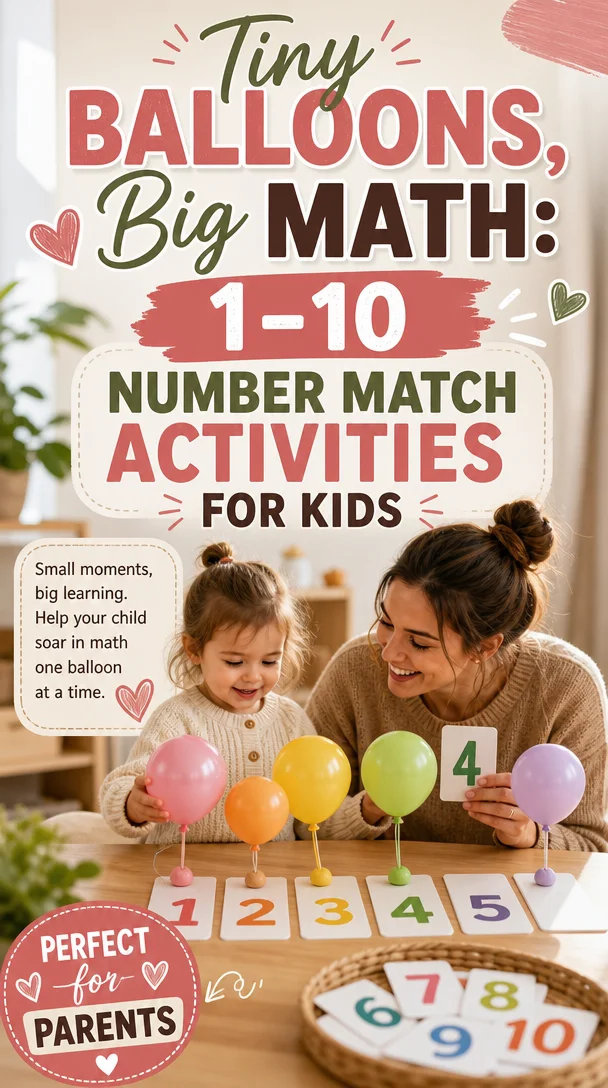
Tiny Balloons, Big Math: 1–10 Number Match Activities for Kids
🎈 Balloon Number Match: Learn 1–10 the Fun Way!
Meta Description
Discover a fun balloon number matching activity for toddlers and preschoolers to enhance number recognition, fine motor skills, and early math interest!
Introduction
Hey there, fellow parent! If you’re anything like me, you know that teaching little ones can feel like a delightful whirlwind of challenges and joy all rolled into one. We want our kids to learn and grow, but let’s be honest: sometimes it’s tough to make learning exciting! That’s why I’m thrilled to share a simple and colorful activity that combines fun with educational value — the Balloon Number Match! 🎈
Imagine your child giggling with excitement as they explore numbers 1 through 10 using vibrant, floating balloons. This is more than just a game; it’s a hands-on experience that fosters learning while keeping the mood light and playful. Whether you’re at home or in the classroom, this engaging activity will not only enhance number recognition but also build fine motor skills and spark an early love for math. Let’s dive into how to make learning numbers not just educational, but absolutely enjoyable!
Why Choose a Balloon Number Match?
As parents, we all strive to provide our children with engaging and effective learning opportunities. The Balloon Number Match activity offers numerous benefits for toddlers and preschoolers aged 2–5, including:
Enhances Number Recognition
By visually connecting each number with a balloon, children strengthen their ability to recognize numbers. This activity helps them avoid frustration while learning, making it feel more natural.
Boosts Visual Discrimination
Matching balloons to their respective numbers challenges kids to differentiate between various shapes and colors, honing their visual discrimination skills in a fun way.
Strengthens Fine Motor Skills
The act of grasping, lifting, and matching balloons requires hand-eye coordination, which is essential for developing fine motor skills necessary for writing and other tasks.
Encourages Independent Learning
This activity allows children to explore at their own pace. By enabling them to take the lead, you foster their independence and confidence in learning.
Promotes Early Math Interest
Fun and enjoyable activities like this one create a positive association with math from an early age. Kids will associate numbers with joy, laying the groundwork for future learning.
How to Set Up Your Balloon Number Match Activity
I promise, setting up this activity is as easy as pie (or should I say balloon?). Here’s what you need:
Materials Needed
- 10 balloons (one for each number from 1 to 10)
- Permanent markers (for writing numbers on balloons)
- A large surface area (like a wall or a table) for matching
- Optional: decorative items like stickers or ribbons to embellish the balloons
Step-by-Step Instructions
-
Inflate the Balloons: Inflate your balloons and tie them securely. If you’re feeling extra creative, you can use colorful balloons for each number range.
-
Write the Numbers: Use permanent markers to write numbers 1 through 10 on each balloon. You might even consider adding fun faces or characters to each balloon to bring your “cast” of numbers to life!
-
Prepare the Matching Surface: Choose a large surface area where your child can easily access the balloons. A wall with tape or a flat space on the floor works wonderfully.
-
Introduce the Activity: Gather your little one and explain the activity with lots of enthusiasm. Tell them they’ll be matching numbers with their balloon friends!
-
Get Matching: Encourage your child to find the correct balloon with the designated number and match it with the corresponding number on the surface. You can show them how to match a few first and then let them take over!
Tips for Maximizing Fun and Learning
Add a Splash of Competition
Make it a friendly race! Time them as they match the balloons and challenge them to beat their previous time. Just be sure to remind them that it’s all about the fun!
Create a Balloon Number Hunt
Hide the balloons around a room and turn the activity into a scavenger hunt. This adds an element of surprise that kids love. As they find each balloon, have them shout out the number!
Use Different Sizes for Variation
Incorporate various balloon sizes to match different numbers. For instance, the number "1" can be represented by a smaller balloon, and "10" can be a large, eye-catching one. This visual difference adds an extra layer of engagement.
Incorporate Songs and Rhymes
As you match numbers, sing songs or rhymes related to numbers. Making connections through music enhances memory retention while creating a joyful atmosphere.
Celebrate Small Wins
Every time your child correctly matches a balloon, cheer them on! Celebrating their victories no matter how small fosters encouragement and confidence.
Encouraging Understanding of Numbers Beyond the Activity
After the Balloon Number Match, it’s essential to weave the concept of numbers into everyday life. Here are some simple ways to build on this foundational activity:
Count Everyday Objects
When you’re at home or on a walk, point out objects and count them together. “Look at those five ducks in the pond!” This real-life application reinforces their number recognition effortlessly.
Use Cooking as a Learning Tool
While cooking, involve your child in measuring ingredients. Ask questions like, “Can you put in three scoops of flour?” This hands-on task not only teaches them numbers but also an essential life skill!
Explore Number Books Together
Incorporate fun learning through books that focus on numbers. Read together and encourage them to count the items on each page.
Create a Math Journal
Invite your little one to keep a journal where they can draw their favorite numbers or count objects they see daily. This offers a creative outlet while reinforcing their learning.
Conclusion
Parenting can often feel like an uphill battle, but remember: it’s all about celebrating those little moments. The Balloon Number Match is just one simple way to infuse joy into the learning process, encouraging your child to explore and grow with numbers in a fun, engaging way.
So grab some balloons, reduce the pressure of perfection, and enjoy the playful path of learning together. You’re doing great, and every little effort counts! With creativity, love, and a sprinkle of fun, you can make numbers a favorite topic at home. You’ve got this, and I’m cheering you on every step of the way! 🎈💛
Frequently Asked Questions
1. What age group is the Balloon Number Match suitable for?
This activity is perfect for toddlers and preschoolers aged 2 to 5, but older children may enjoy it as a fun refresher!
2. How long does the activity typically last?
The time can vary, but expect to spend about 20–30 minutes. Remember, it’s always okay to extend it if your child is having fun!
3. Can I adapt this activity for a classroom setting?
Absolutely! This activity translates well to a classroom. Consider having small groups practice matching to encourage teamwork and collaboration!
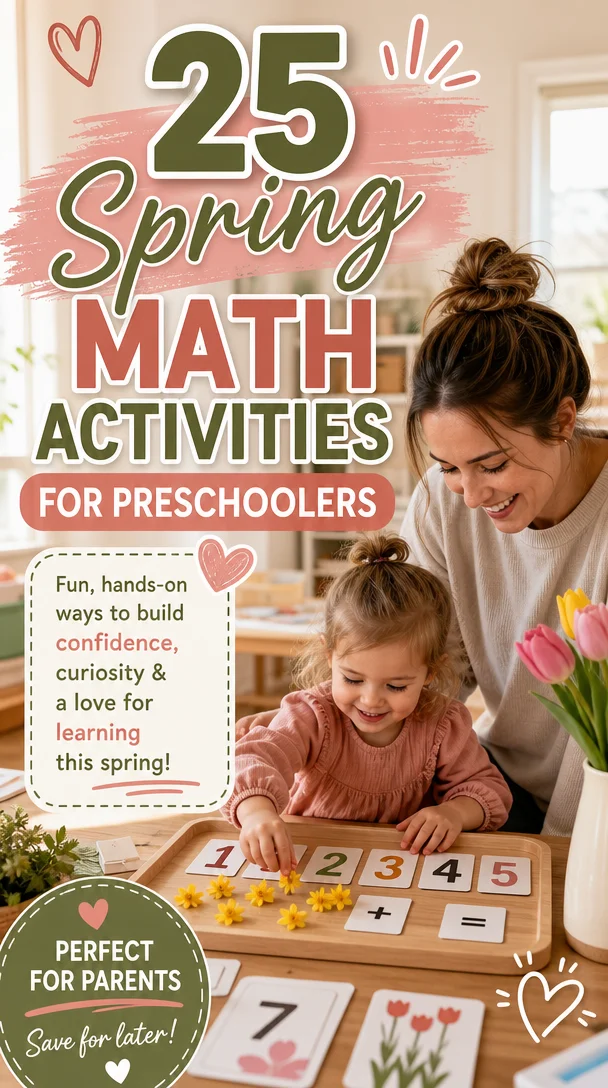
25 Spring Math Activities For Preschoolers
25 Spring Math Activities for Preschoolers: Making Learning Fun!
Meta Description: Discover 25 engaging spring math activities for preschoolers that make learning fun and memorable, helping your little ones blossom in their math skills!
As spring ushers in warmer days filled with blooming flowers and chirping birds, it’s the perfect time for your preschooler to explore and grow — not just in nature, but in their learning, too! Picture this: your little one giggling as they connect colorful blocks while practicing counting, or sorting flowers by size and color right in your backyard. Spring brings an explosion of life, and it also presents a fantastic opportunity to integrate math into playful activities that make learning feel natural and exciting.
Incorporating math into your child’s daily routines encourages not only number skills but also critical thinking and creativity. Whether you’re making memories in the garden or enjoying playtime at home, these 25 spring math activities will help your little learners thrive while having oodles of fun. So, let’s dive in and turn learning into an enchanting adventure!
Why Spring is the Perfect Time for Math
Spring is all about renewal and exploration. The changing environment allows your child to witness the beauty of nature while also giving you a unique backdrop for learning. Kids are naturally curious in spring, making it an ideal time to introduce math concepts through hands-on activities. With the world buzzing with life, your preschooler can enjoy interactive lessons that spark their imagination and fortify essential skills.
25 Spring Math Activities for Preschoolers
1. Nature Scavenger Hunt
Create a nature scavenger hunt list featuring different shapes, colors, and sizes. As your child spots items like triangular leaves or round stones, encourage them to collect and tally their findings. This activity promotes counting and classification skills while enjoying the great outdoors.
2. Flower Counting
Head to a garden or local park and count the flowers together! You can ask your child to count how many red, yellow, and blue flowers they find. Plus, you can turn it into a competition. Who can find and count the most flowers? Simple and effective!
3. Size Sorting with Leaves
Gather leaves of various shapes and sizes during a nature walk. At home, help your child sort them by size or shape. This activity develops pattern recognition and measurement concepts while having a tactile, sensory experience.
4. Math in the Garden
As you plant your spring garden, involve your child in counting seeds and spacing them. Ask questions like, "If we put two seeds in each hole, how many seeds do we need for five holes?" This simple math concept becomes a fun, practical application.
5. DIY Flower Patterns
Using colored paper or real flower petals, create different patterns (e.g., red, yellow, red, yellow). Encourage your child to extend the pattern, identify mistakes, or create their own. This helps them grasp sequencing and pattern recognition in a fun way!
6. Colorful Bug Count
Go on a bug hunt! Count all the bugs you find — ladybugs, ants, and butterflies. Take this a step further by creating a chart to visualize the different types or by comparing counts. This keeps math engaging and helps build data interpretation skills.
7. Pebble Addition
Collect small pebbles from your backyard or a nearby park. Set up simple addition problems by grouping the pebbles and asking your child to combine different groups. For example, “What’s 2 pebbles plus 3 pebbles?” It’s a hands-on approach to learning addition!
8. Springtime Bingo
Create Bingo cards filled with various spring images (flowers, sunshine, butterflies). As you play, ask your child to count how many of each item they see. It’s a delightful twist on a classic game while reinforcing counting skills.
9. Egg Hunt Math
During Easter, turn the classic egg hunt into a learning opportunity. Write numbers on each egg, and as your child collects them, they can practice counting, addition, or subtraction with the numbers they find.
10. DIY Flower Shop
Set up a flower shop with your little one. Use fake or real flowers, price them, and practice transactions. This activity introduces concepts like value and counting money, making math relatable and practical.
11. Measuring with Water
On a sunny day, fill several containers with varying amounts of water. Let your child measure, compare, and discuss which container holds the most or least water. This simple experiment builds a foundational understanding of measurement.
12. Spring Puzzles
Invest in puzzles that have spring themes. Discuss shapes and dimensions as your child pieces them together, fostering spatial awareness and cognitive development.
13. Garden Growth Graphs
Track the growth of plants in your garden by measuring their height weekly. Help your child create a simple graph of the plant’s growth over time. This combines math with science and is a fun ongoing project!
14. Shape Hunt
During a walk, encourage your child to find various shapes around them, from triangular rooftops to rectangular doors. Take pictures of the shapes and later sort them by type. They’ll learn about shapes in their environment!
15. Nature Art with Counting
Gather natural materials like twigs, leaves, and stones to create art. Ask your child to use a specific number of each material for their artwork. This exercise combines creativity with counting.
16. Spring-Themed Dominoes
Use spring-themed images to create a set of dominoes. Play with your child by matching and counting the images; this strengthens their number recognition and adds an element of fun.
17. Cloud Counting
On a partly sunny day, lie down and watch the clouds with your child. Count how many clouds you see or compare the number of fluffy vs. wispy clouds. This promotes observation and basic counting skills in a relaxed setting.
18. Planting Seeds and Math
When you plant seeds, involve your child in counting how many seeds go into each row. They can also help calculate how many rows of plants fit in your garden space. It’s a practical application of addition and multiplication.
19. Picnic Math
During a family picnic, ask your child to help set up. They can count plates, cups, and snacks. Encourage them to think critically about division: “How can we share these sandwiches among five people?”
20. Kites & Wind
Make kites with your child and discuss the measurements of the materials you use (strings, papers, etc.). Use this time to reinforce understanding of length and measurement.
21. Cloud Shape Art
After a rainy day, create art inspired by the fun shapes of clouds. Ask your child to identify the shapes they see. You can even discuss larger and smaller cloud shapes, tying in math skills beautifully.
22. Spin and Count Game
Create a simple spinner with numbers 1 to 10. Spin the wheel and collect items (like leaves or flower petals) based on the number to land on. This reinforces number recognition in a fun, interactive way.
23. Measuring with Rulers
Before enjoying outdoor crafts, teach your child how to measure lengths with a ruler. They can measure the length of sticks they’ve found to create structures, linking math skills with creativity.
24. Shapes and Shadows
On a sunny day, create shadow shapes with your child. Discuss the shapes and how they change as the sun moves. Use this opportunity to discuss angles and measurements in a playful context.
25. Spring Memory Game
Design a spring-themed memory game using cards with numbers and images of spring items. Matching pairs helps with memory skills and reinforces number recognition without even feeling like “schoolwork.”
Helpful Tips for Engaging Your Child in Math
- Tailor Activities to Their Interests: Adjust activities based on what excites your child. If they love flowers, focus math activities around garden themes.
- Use Everyday Situations: Integrate math in daily routines — measuring ingredients while cooking or counting steps while walking can make learning organic.
- Celebrate Their Success: Whether they crack a tough math problem or simply count to ten, celebrate their victories! This boosts confidence and encourages a love for learning.
- Be Patient and Encouraging: Your child may not grasp concepts right away — and that’s okay! Keep your tone positive and patient; it helps build their self-esteem.
Encouraging Conclusion
Spring is not just a season of growth in nature, but also a fantastic time for your little one to blossom in their math skills, filled with playfulness and adventure. By integrating these fun activities into your routine, you not only nurture their understanding of math but also create lasting memories that contribute to their emotional development. Remember, you don’t need to be a perfect parent — just being present is enough.
So step outside, get your hands dirty, and let the joyful learning unfold naturally. With each engaging activity, you’re not just teaching math; you’re cultivating a love for learning, the joy of discovery, and the cherished bond with your little one that will last far beyond spring.
Happy learning, lovely parents!
FAQs
Q: What if my child struggles with some concepts?
A: Every child learns at their own pace. Offer support and celebrate small victories to keep their spirits high!
Q: How do I keep these activities engaging?
A: Vary the approaches you take for each activity! Kids love surprises. Rotate tasks or introduce a new theme to keep things fresh.
Q: Can I involve my older children in these activities?
A: Absolutely! Older siblings can help guide younger ones through these activities, reinforcing their own math skills in the process and fostering family bonds.
So grab your favorite spring snacks, kick back, and enjoy the learning journey with your preschooler. You got this!
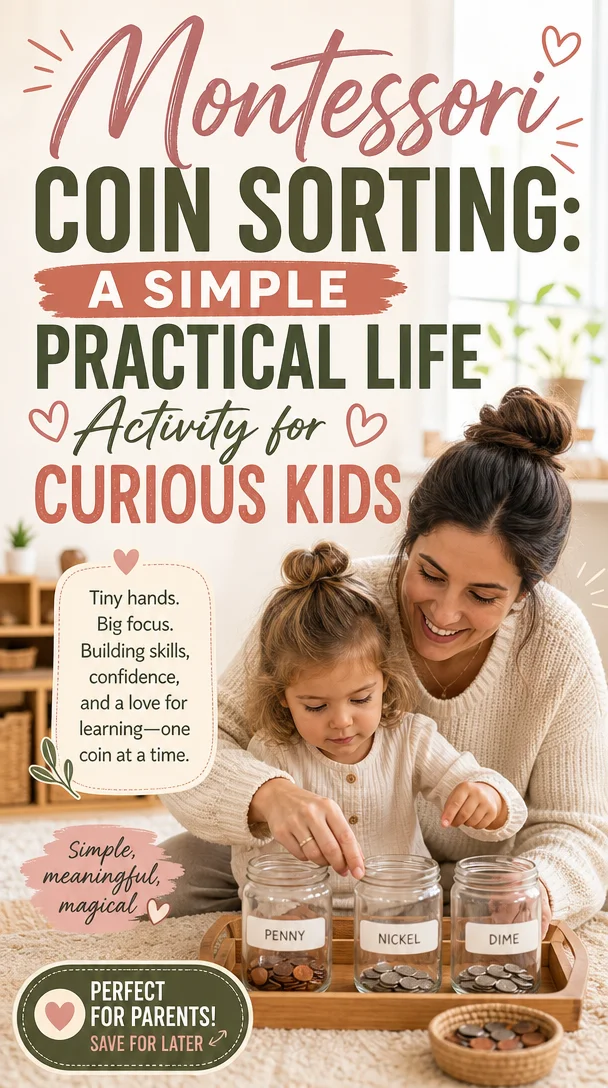
Montessori Coin Sorting: A Simple Practical Life Activity for Curious Kids
Coin Sorting Activity: Inspired by Montessori Sensorial Activities
Meta Description: Discover the joy of Montessori-inspired coin sorting activities! Enhance your child’s sensory skills, math readiness, and fine motor development at home.
Parenting can feel like a whirlwind of activity, can’t it? One moment you’re managing a snack time meltdown, and the next you’re navigating the delicate world of educational play. If you’re searching for meaningful ways to engage your little ones while fostering their development, you’re in the right place.
Today, let’s dive into a charming Montessori-inspired activity that not only captures your child’s attention but also builds their skills in a delightful way. Coin sorting might sound simple, but it offers a treasure trove of benefits for your child’s learning and growth. So, grab a snack, sit back, and let’s explore how you can turn this fun activity into a meaningful bonding experience with your child.
What is Montessori Coin Sorting?
Montessori education emphasizes hands-on learning, sensory experiences, and independent exploration. Coin sorting exercises perfectly embody these principles. By sorting coins, children engage their senses while developing fine motor skills that will serve them well in math and reading later on. Think of it as a small step with a giant leap in learning potential!
Benefits of Coin Sorting
- Sensory Development: Handling different coins helps children refine their tactile senses. They learn to differentiate between various materials, weights, and textures.
- Math Foundations: Coin sorting naturally introduces early math concepts like counting, grouping, and basic addition and subtraction.
- Fine Motor Skills: Picking up and placing coins strengthens those tiny hand muscles, laying the groundwork for writing and other crucial skills.
- Cognitive Growth: Sorting fosters critical thinking as children make decisions about grouping and organization.
- Confidence Building: Completing the task of sorting coins encourages a sense of accomplishment, boosting your child’s self-esteem.
Setting Up Your Coin Sorting Activity
Let’s make this as simple and fun as possible! Here’s how you can set up the coin sorting activity at home.
Gather Your Materials
- Coins: Collect a variety of coins from your wallet or piggy bank. Make sure to include different denominations to add variety.
- Containers: Use small bowls, jars, or even muffin tins to create sorting stations. You might want one container for each type of coin.
- Optional: If your child enjoys working with textures or colors, consider including items like paper cuts in different shapes or colors for a multi-sensory experience.
Create a Cozy Space
Choose a comfortable spot where your child can focus and feel relaxed. This could be at the kitchen table, playroom floor, or even outside on a sunny day. The key is to create an inviting environment that encourages exploration.
How to Play: Engaging Your Child
Now it’s time to dive into the fun! Here’s how you can guide your child through the coin sorting activity.
Start with a Conversation
Before jumping into the activity, engage your child with a few questions:
- “Have you seen these coins before? Where?”
- “What do you think makes each coin different?”
This simple chat not only sparks interest but also encourages your child to think critically right from the start.
Dive into Sorting
- Demonstrate First: Show your child how to sort one type of coin into a container. For example, “Let’s put all the pennies in this bowl. Can you help me?”
- Let Them Explore: Step back and let your child take the lead! Offer gentle guidance as they sort. This step is critical for developing their independence and confidence. You might say, “Great job! Should we sort out the nickels next?”
- Encourage Counting: After sorting, count the coins together. This reinforces math skills without feeling like a worksheet.
- Create Fun Challenges: Turn it into a game! Set a timer and see how quickly they can sort all the coins. Or mix them up and ask them to close their eyes and feel the coins before naming them.
Introduce More Complexity
As your child becomes more comfortable with the basics, add layers to the activity:
- Patterns: Create patterns with the coins and encourage your child to replicate them.
- Sorting by Size or Color: Challenge them to sort coins by size or arrange them based on color.
- Money Talk: Use the opportunity to introduce concepts like "how much" a quarter is worth compared to a dime.
Helpful Tips for Success
- Keep it Light: The goal is to engage and educate, not to rival a classroom environment. If your child loses interest, take a break and come back later.
- Be Patient: Every child learns at their own pace. Celebrate their efforts regardless of outcomes.
- Join In: Participate in the sorting with them. Kids love to see grown-ups engaged in playful learning!
- Incorporate Daily Life: Talk about how we use coins in our daily life. Invite your child to help you with real transactions. This links their activity to real-world contexts.
Conclusion
Coin sorting is not just a simple activity; it’s a wonderful opportunity to instill curiosity, confidence, and practical skills in your little one. As you lean into this hands-on learning experience, remember that the most powerful moments come from allowing your child to explore freely while you provide gentle guidance.
Embrace the mess, the chaos, and the laughter that comes with these learning experiences. You’re not just teaching your child about coins; you’re creating bonds, nurturing their growth, and making memories that will last a lifetime.
So go ahead, gather those coins, and watch as your child dives into a world of discovery! Remember, you’re doing an amazing job, and in the hustle of parenting, every little moment counts.
FAQs
Q: What if my child loses interest in the activity?
A: It’s perfectly normal! Keep it fun and lighthearted. You can always come back to it later or find ways to integrate it into daily life.
Q: How can I adapt this activity for older children?
A: Older kids can tackle more complex sorting concepts, such as making change or even introducing math problems involving coins.
Q: Can I incorporate other sensory materials?
A: Absolutely! You can mix in colorful beads, textured items, or even different kinds of button collections to keep things exciting.
By integrating this coin sorting activity into your home, you’re not only fostering a love for learning but also nurturing your child’s emotional and practical skills. Happy sorting! 😊
50 Life Skills Every Child Should Know
50 Life Skills Every Child Should Know
Meta Description
Explore 50 essential life skills for kids that promote independence and confidence. Equip your children with practical skills before they leave home!
Introduction
As parents, we often find ourselves drowning in the chaos of daily family life—balancing work, school, meals, and that endless laundry pile. In the midst of it all, have you paused to wonder what real-life skills you want to pass down to your kids? It’s a big question, and one that can feel a bit overwhelming at times.
Fostering independence and confidence in our children is a gift that lasts a lifetime. That’s why I’ve put together this comprehensive list of 50 life skills every child should know before they fly the nest. Whether your little ones are just starting to walk or you have teens ready to tackle the world, these skills will help pave the way for their future success. Grab a snack, settle in, and let’s dive into these small but mighty lessons!
Household Management Skills
Teaching Chores Early
-
Making Their Bed
Start small—show your child how to pull up the sheets and arrange their pillows. You’ll be amazed at how much pride they can take in their morning routine! -
Doing Laundry
Teach them how to sort clothes, use the washing machine, and fold their clean clothes. Consider making it a fun game to see who can match the most socks quickly! -
Sweeping and Dusting
Provide them with kid-sized cleaning tools. Let them know that everyone contributes to a tidy home and that even kids can make a difference. -
Basic Meal Prep
Introduce simple recipes that they can help with. Think scrambled eggs or sandwiches! Soon, they’ll feel comfortable enough to whip up something on their own. -
Understanding Grocery Lists
Make a grocery list together when you shop. As they grow, encourage them to pick up items from the store, promoting independence and decision-making skills.
Budgeting and Money Skills
-
Simple Budgeting
Teach them how to manage pocket money. Discuss saving vs. spending. They can use jars to separate their money: one for spending, one for saving, and one for sharing. -
Understanding "Needs" vs. "Wants"
Engage them in discussions about their purchases. This “money talk” helps them make decisions that reflect their values. -
Using Cash and Cards
Allow them to make small purchases. Explain how debit/credit works and the importance of tracking spending. -
Saving for a Goal
If they want a new toy or game, help them save up. It’s a great way to introduce delayed gratification. -
Basic Investment Knowledge
As they grow, introduce them to basic concepts of investing. Apps like Stockpile can be engaging for older kids.
Personal Care Skills
Building Independence in Daily Care
-
Brushing Teeth
Start with demonstration, then let them take over. Sing a fun song to make it enjoyable! -
Bathing and Personal Hygiene
Encourage them to take ownership of their shower routine and grooming game. Leaving reminders can be a good step! -
Dressing Themselves
Guide them to select their clothes based on weather and occasion. It empowers them to express their style. -
Nail Care
Teach them how to trim their nails. If they’re ready, consider encouraging them to explore nail design. -
Selecting Clothing
Help them understand when certain types of clothing are appropriate to wear, like gym clothes or formal wear.
Cooking and Meal Skills
-
Preparing Healthy Snacks
Have fun with no-bake recipes! Think smoothies or fruit bowls—great ways for them to be involved and teach about healthy eating. -
Using Kitchen Appliances
Start with basics! Show them how to use a microwave or a blender safely. These skills encourage independent snacking. -
Cleaning Up After Cooking
Make it a family event where everyone cleans up together. You can even create a fun cleanup song! -
Reading Recipes
Engage their reading skills with simple recipes. Let them pick a meal to make once a week! -
Setting the Table
Show them how to properly set a table for family dinners. It’s a lovely way to embrace family time!
Communication Skills
Encouraging Connection
-
Practicing Active Listening
Role-play scenarios where listening is key. It builds empathy and effective communication. -
Expressing Feelings
Give them tools or visuals to label feelings. Talking about emotions can help build emotional intelligence. -
Making Eye Contact
Encourage this during conversations. You might even practice with fun games like “staring contests.” -
Starting Conversations
Teach them friendly ways to introduce themselves or ask questions. Role-play helps ease any anxious feelings. -
Writing Thank You Notes
Make “thank you” notes a routine. They’ll learn gratitude while also practicing writing skills.
Life Skills for Social Situations
Navigating Friendships
-
Making Friends
Encourage them to reach out and introduce themselves. Role-play different social situations to build their confidence. -
Handling Disagreements
Teach them to express their feelings respectfully when conflicts arise. Talk about the importance of compromise. -
Saying "No"
Empower them to stand by their values. Explain that it’s okay not to do something they don’t want to, even if others are involved. -
Working in Teams
Prompt teamwork through group projects, whether at school or in casual settings. Allow them to learn the give and take of group dynamics. -
Respecting Differences
Encourage open discussion about diversity and acceptance. Share stories from different cultures and backgrounds.
Practical Skills for Everyday Life
Navigating Tools and Technology
-
Basic First Aid
Teach them how to clean a cut or use a band-aid. Empower them with the confidence to help others safely. -
Using a Phone
Start with basic skills—calling for help or messaging someone. Discuss when and how to use these tools responsibly. -
Finding Information Online
Guide them in exploring the internet safely. Show them how to differentiate between reliable sources and misinformation. -
Understanding Navigation
Take walks or bike rides together and teach them how to read a map or use a compass. Exploring can be both fun and educational! -
Basic DIY Repairs
Show them how to use basic tools like a screwdriver. Simple home projects can become fantastic bonding experiences.
Safety and Emergency Preparedness
Empowering Safety Awareness
-
Fire Safety
Discuss fire safety protocols, such as stop, drop, and roll, and creating a family emergency plan including escape routes. -
Recognizing Danger
Help your kids identify potentially dangerous situations, whether with strangers or unsafe environments. -
Basic Emergency Contacts
Ensure they can recite important phone numbers and know where to find adults in an emergency. -
Returning Home Alone
Discuss safety strategies for coming home without an adult, like safe routes and how to handle surprises. -
Using Public Transport
Teach them how to navigate public transportation. Start with familiar routes before branching out!
Emotional and Social Intelligence
Building Resilience
-
Problem-Solving Skills
Introduce problem-solving games or scenarios—encourage them to think through solutions independently. -
Building Empathy
Discuss feelings and ask them how they would feel in different scenarios. It fosters compassion toward others. -
Handling Stress
Teach them relaxation techniques like deep breathing or mindfulness practices. Make it a fun family routine! -
Setting Personal Goals
Help them identify and write down a small goal. Create a chart to visualize their progress—everyone loves a little motivation! -
Understanding Consequences
Discuss decision-making openly. Analyze past choices together to understand outcomes without judgment.
Life Skills for Community and Citizenship
Engaging with the Community
-
Volunteering
Encourage family involvement in community service. Not only does it help others, it also nurtures gratitude. -
Respecting the Environment
Teach them about recycling and taking care of nature. Turn it into a fun outdoor activity! -
Voting Basics
As they grow, introduce them to the importance of civic engagement and how the voting process works. -
Cultural Awareness
Explore different cultures together through food, music, and stories. Discuss the beauty of diversity. -
Engaging in Smart Consumerism
Introduce shopping choices—local vs. big box stores. Engage them in understanding the importance of supporting local businesses.
Encouraging Conclusion
You’ve made it through this list, and that’s a huge win! Teaching life skills doesn’t have to be overwhelming. Remember, it’s all about small, consistent actions that build up over time. Celebrate the process together, and don’t forget to share those precious moments with your kids. Each skill learned is a step toward independence, confidence, and becoming wonderfully resilient individuals.
You’re doing an amazing job, and your efforts today will create a brighter tomorrow filled with capable, well-rounded adults. So, embrace the mess, celebrate the small wins, and enjoy this beautiful parenting journey—you’re not alone in it!
FAQ Section
What are the most important life skills for kids?
While all 50 skills listed are invaluable, focus on the basics first: personal care, communication, and household management.
How can I incorporate these skills into daily life?
Use everyday moments—cooking, shopping, cleaning—to teach practical skills. Make it fun and interactive!
What if my child resists learning these skills?
Be patient! Find creative ways to make the learning process enjoyable, and always encourage their independence.
Remember, every little step they take today prepares them for a confident tomorrow. Happy parenting! 💛
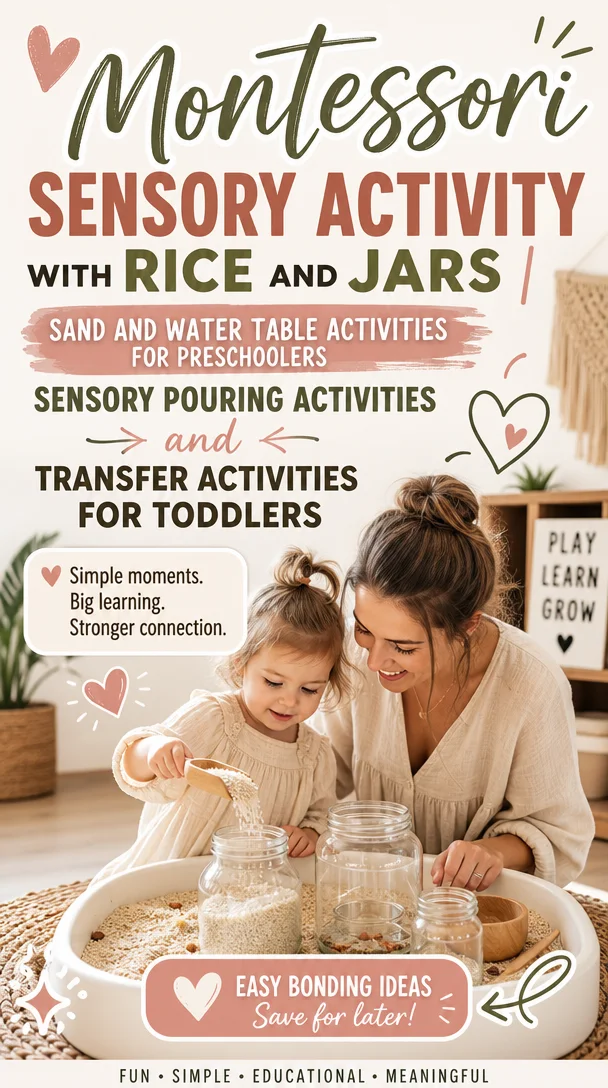
Montessori Sensory Activity with Rice and Jars | Sand and water table activities for preschoolers, Sensory pouring activities, Transfer activities for toddlers
Engaging Montessori Sensory Activities with Rice and Jars: Fun Ideas for Preschoolers
Meta Description: Discover fun Montessori sensory activities using rice and jars! Explore engaging pour and transfer activities for toddlers to enhance learning through play.
Introduction
Hey there, fellow parents! If you’re anything like me, you know that finding engaging activities for our little ones can sometimes feel like a monumental task. You want them to learn, explore, and have a blast, but where do you even start? Well, let’s make your life a bit easier today! 🌟
Imagine the gleeful giggles and endless curiosity as your child experiments with rice, jars, and their little hands. Today, I’m so excited to share Montessori-inspired sensory activities that utilize rice and jars, plus tips on how to create a magical sand and water table setup. These activities won’t just keep your toddler entertained; they will also support their emotional and cognitive development. Let’s dive in!
Why Sensory Play is Important
Before we jump into the fun, let’s take a moment to understand why sensory play, like pouring activities, is essential for our kiddos. Sensory play fosters creativity and curiosity while allowing children to explore various textures, sounds, and even smells. Here are some reasons why you should incorporate sensory activities into your child’s playtime:
- Boosts Fine Motor Skills: Manipulating objects like rice and jars encourages hand-eye coordination, which is crucial for writing later on.
- Encourages Problem Solving: Your child will face challenges—think spilling rice or pouring too much water—but these moments present valuable learning opportunities.
- Enhances Language Development: As you describe what they are doing, your little one picks up new vocabulary. Encourage them to express their feelings and thoughts about the activity.
- Provides Emotional Regulation: Sensory play is an excellent way for children to manage their emotions. The act of pouring, sorting, and feeling can be calming and grounding.
Feeling inspired? Let’s get started with our Montessori sensory activity using rice and jars!
Montessori Sensory Activities with Rice and Jars
The Basics of the Rice and Jars Activity
What You Need:
- Uncooked rice (white, brown, or colored for extra fun!)
- Clear jars (preferably with lids)
- A tray or large container to catch spills
- Measuring cups or scoops
- Small funnels (optional)
- A variety of scoops or cups (like spoons, small bowls, etc.)
How to Set Up:
-
Prepare Your Space: Lay down a blanket or use a tray to catch the inevitable spills. You can even set this up outside for easy cleanup!
-
Introduce the Materials: Present your child with the jars filled with rice and ensure various tools are available. Show them how to scoop and pour, modeling the activity before letting them explore.
-
Encourage Exploration: Invite your child to start pouring rice from one jar to another. Guide them to use different tools, helping them see what works best for each task.
Variations to Spice it Up
Once they’ve mastered the basics, here are some variations to keep the excitement going:
-
Color Sorting: If you use colored rice, encourage your child to sort the rice by color into different jars. This activity enhances their visual discrimination.
-
Size Exploration: Use jars of various sizes. Ask your child to figure out which jar can hold the most rice or how many small jars it takes to fill a larger one.
-
Sensory Exploration: Add a few drops of essential oils (like lavender) to the rice for aromatic sensory experiences. Ensure you’re using child-safe oils.
-
Sensory Challenges: Blindfold your child (with your supervision) and encourage them to identify different textures or sounds by feeling the jars or listening to the rice.
Sand and Water Table Activities
If you want to expand beyond rice-themed activities, let’s talk about setting up a sand and water table for even more sensory fun!
Creating Your Sand and Water Table
What You Need:
- Container: A shallow plastic container or a kiddie pool works well.
- Sand and Water: You can use kinetic sand, natural sand, or even substitute with dried rice instead of sand.
- Tools for Exploration: Include scoops, measuring cups, molds, and various cups. Don’t forget bath toys for some extra excitement!
How to Set Up:
-
Find a Suitable Location: Choose a space where water can splash around without causing too much worry—outdoors is ideal, but spread out towels indoors if needed!
-
Layer Your Materials: Fill half of your container with sand and the other half with water. Engage your child in the setup, showing them how they can move between the two environments.
-
Provide Varied Tools: Encourage your little one to fill, dump, sift, and pour using the tools you’ve provided. Challenge them with interesting tasks, like building sandcastles or collecting water in cups.
Activity Ideas for the Sand and Water Table
-
Transfer Tasks: Use cups to transfer just a small amount of sand into a jar. This activity helps develop fine motor control while practicing pouring.
-
Measurement Fun: Show your child how to measure larger vs. smaller cups of water, discussing concepts of volume and measurement.
-
Nature Exploration: Add natural items like rocks or leaves to the table, encouraging your child to create a mini-world and describe their creations.
-
Weather Experiments: Discuss what happens when water mixes with sand when making mud! Encourage your little one to describe the texture and what they observe changes.
Making the Activities Meaningful
When engaging in these activities, the goal is to keep them fun and meaningful. Here are some ideas to enhance the experience:
-
Ask Open-Ended Questions: Instead of giving directions, ask questions like, “What will happen if you pour that cup of water here?” This promotes critical thinking.
-
Encourage Language: Narrate your child’s actions—“Wow! Look how high you poured the rice!”—to enrich their vocabulary.
-
Celebrate Success: Acknowledge their small victories. If they manage to keep the rice from spilling, celebrate with high-fives or cheers!
Helpful Tips for a Smooth Experience
-
Set Rules: Decide in advance what the cleanup will look like. Will you allow spills, or will you provide specific areas for pouring? Ensure your child understands the guidelines.
-
Be Patient: Keep in mind that every child’s exploration looks different. Embrace the mess and be prepared to join in the fun too!
-
Limit Screen Time: These activities are a wonderful way to offer a screen-free alternative that engages your child deeply.
-
Encouraging Exploration: Provide diverse materials to play with and let your child take ownership of their learning journey.
Encouragement for the Journey Ahead
Remember, as parents, we’re all in this together, navigating the beautiful, messy chaos that is parenting. It’s easy to get overwhelmed, but when we find enjoyable activities like these, we foster not only their learning but also our own joy.
So, grab some rice, some jars, and maybe a few cups, and let the fun begin! You’ll not only have loads of smiles and giggles but also meaningful moments you’ll cherish.
Conclusion
Montessori sensory activities using rice and jars, along with engaging sand and water tables, offer countless opportunities for exploration and learning. You don’t need to be perfect; your love and involvement are what matter most to your child. So, embrace the mess, celebrate the little victories, and watch your little ones thrive in their imaginative play!
Want to share your experiences or your favorite tips? I’d love to hear from you! Let’s keep the conversation going, and support one another on this wild ride called parenting.
By incorporating these sensory activities into your daily routine, you provide a world of learning through play for your little ones—one joyful moment at a time. 💛
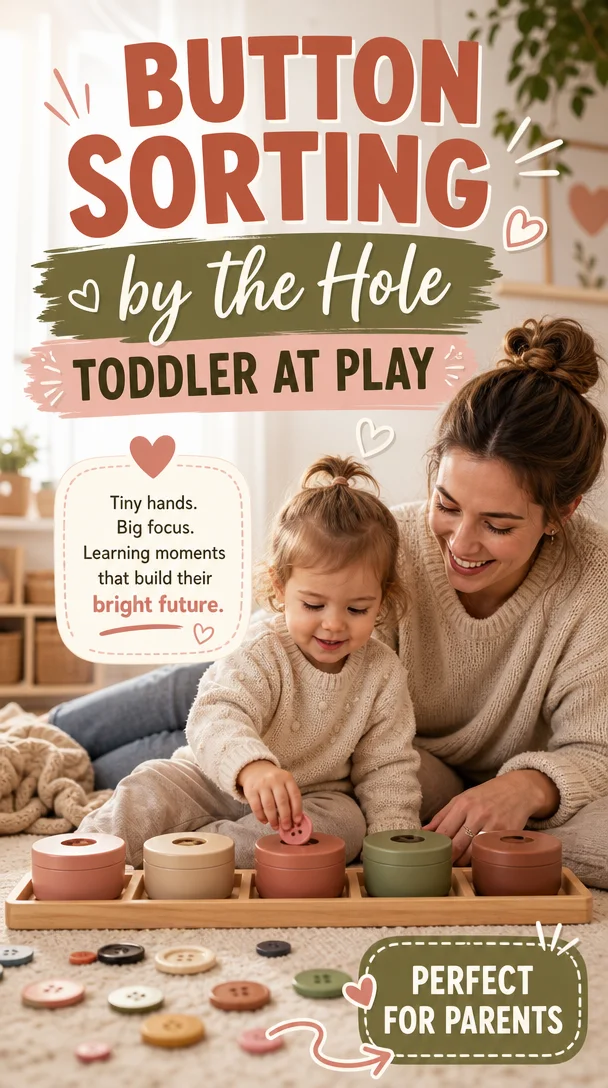
Button Sorting by the Hole – Toddler at Play
Fun and Engaging Button Sorting by the Hole: A DIY Activity for Toddlers
Meta Description: Discover an easy and fun button sorting activity for toddlers that promotes focus and learning! Keep little hands busy with this simple, screen-free idea.
Introduction
Hey fellow parents! If you ever find yourself in the thick of toddler chaos — toys scattered everywhere, fingers itching for a screen, and a schedule that feels a little too hectic — you might just be on the lookout for a fun, engaging, and interactive activity. Let’s be real; parenting is a beautiful, messy journey, and we all need a little helping hand sometimes.
Today, I’m excited to share a simple and delightful activity that brings you smiles and keeps those tiny hands busy: Button Sorting by the Hole! This activity captivates toddlers, supports their learning, and fosters a sense of achievement — and the best part? It requires minimal prep and everyday materials you probably already have at home. So, grab a snack, get comfy, and let’s explore just how magical a little sorting can be!
Why Button Sorting is Such a Hit with Toddlers
Boosting Fine Motor Skills
Sorting buttons might seem like just a fun way to pass the time, but it does wonders for those little hand muscles! As your child picks up buttons, manipulates them, and fits them into holes, they strengthen those crucial fine motor skills that serve as the foundation for writing, drawing, and countless other future activities.
Promoting Focus and Concentration
Does your little one have a tendency to bounce from one activity to the next? Button sorting is fantastic for helping them hone their attention span. It gives them a chance to settle into a focused activity while boosting their concentration in a calming, non-overwhelming environment.
Fostering Cognitive Development
By sorting buttons by size, color, or even shape, you engage your toddler’s emerging cognitive skills. They begin to understand concepts like categorization and differences, which builds important critical thinking skills in an enjoyable setting. Plus, who knew sorting could be so educational?
Setting Up Button Sorting by the Hole: Step-by-Step Guide
Gather Your Supplies
Before diving in, let’s gather the materials you’ll need. No need to head out to the store; this activity keeps it simple:
- Buttons: Collect a variety of buttons in different sizes and colors. You can raid your sewing kit or thrift shop for some treasures!
- A container: Use an old muffin tin, a cardboard box, or any small containers you have on hand.
- A surface to work on: Spread out a blanket on the floor or set up at the kitchen table.
Creating the Activity
-
Sort the Buttons: Start by sorting buttons into different areas. Keep some grouped by size, color, or shape, which creates fun challenges for your toddler.
-
Demonstrate: Show your child how to sort the buttons by fitting them into different holes or sections. If using a muffin tin, you can demonstrate how to place a button in each cup based on its size.
-
Let Them Explore: Now, it’s their turn! Encourage them to sort the buttons by themselves, but feel free to guide them as they begin. Celebrate their successes, even the small ones!
Variations to Keep Button Sorting Fun
Switch things up a bit! Here are some engaging twists on this activity you can try:
Color Matching
Challenge your toddler to match buttons to the correct colored section in their sorting area. They’ll hone their color recognition skills while having fun!
Shape Sorting
If you have a mix of buttons with different shapes, encourage your little one to sort them based on shape. This adds an extra layer of difficulty and reinforces their understanding of different physical properties.
Size Sorting
Have them practice sorting buttons from smallest to largest. Introducing concepts like "big," "medium," and "small" in a physical way helps solidify their understanding of sizes!
Creative Arts and Crafts
Once you have sorted the buttons, why not turn them into an art project? Use glue to make fun pictures or patterns! Transforming sorting into an art activity adds a whole new layer of creativity to the experience.
Tips for Success
-
Be Prepared for Mess: Embrace the chaos! Allowing your child to freely explore might lead to a scattered button mess, but remember that exploration is part of the fun (and learning).
-
Make It a Game: Add a timer and see how many buttons they can sort before it goes off! This increases engagement and excitement.
-
Keep It Short: Toddlers have short attention spans! If you sense their interest waning, it’s perfectly okay to wrap things up and revisit button sorting another day.
-
Encourage Communication: As they sort, ask open-ended questions about what they are doing. “Which button do you like the most?” or “What color do you see?” This brings in opportunities for language development and connection.
-
Add a Reward: Celebrate their accomplishments with a sticker, a stamp, or just verbal praise! Positive reinforcement encourages them to keep trying new things.
Finding Joy in Everyday Moments
As we glide through the beautiful chaos of parenting, it’s essential to seize those little moments of joy. Button Sorting by the Hole might seem simple, but it holds the powerful potential to enrich your child’s development while bringing you closer together. Remember, you don’t have to be a perfect parent; just being present and available makes a world of difference.
So, lean into the mess and embrace every giggle, every concentration face, and every triumphant button placed just right. Your child is learning and growing at their own pace, and you’re right there alongside them, cheering them on!
Conclusion
Creating fun, screen-free activities is a wonderful way to connect with your toddler and support their growth. Button sorting brings together learning, fun, and the chance for quality time — and you can do it with materials you already have on hand!
Next time chaos brews, reach for a handful of buttons instead of electronic distractions. You might just find that the simplest of activities can spark joy and connection in ways you never expected!
Here’s to warmer, lighter, and more joyful parenting, one little moment at a time. You’ve got this!
Optional FAQ Section
Q: Can I do this activity with a group of toddlers?
Absolutely! Button sorting can be a fantastic activity for playdates. Just make sure to have plenty of buttons available, and encourage sharing and teamwork!
Q: How do I clean up after the activity?
Have your child help you gather the buttons back into the container. It teaches responsibility and keeps the cleanup process fun!
Q: What if my toddler gets frustrated?
If frustration arises, take a break or shift to a different activity. Some days are just not for sorting, and that’s perfectly okay!
Feel free to adapt this guide to suit your child’s needs and interests, and most importantly, enjoy the process!
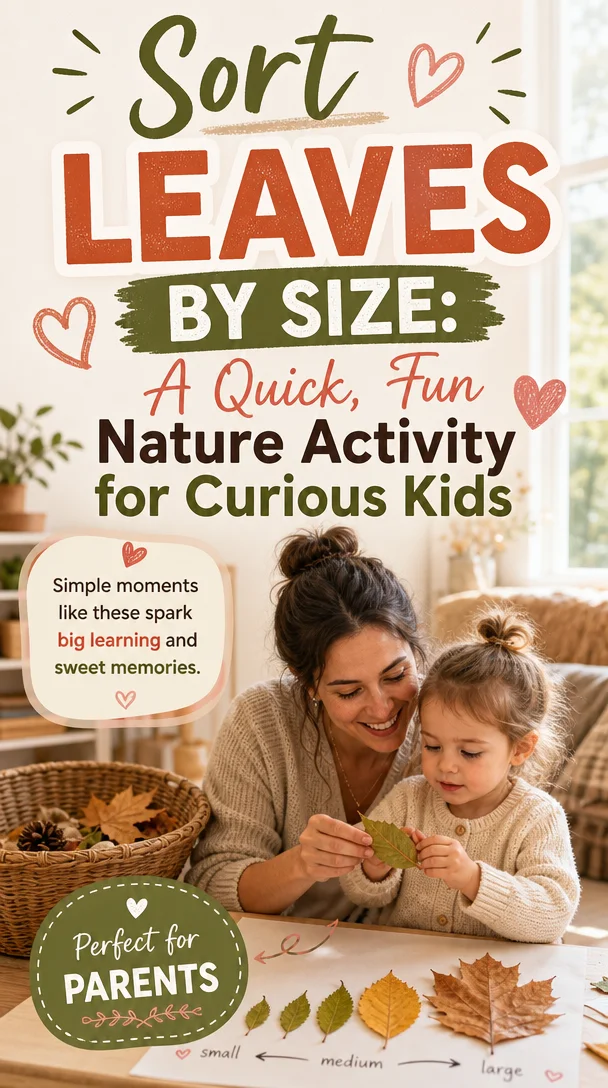
Sort Leaves by Size: A Quick, Fun Nature Activity for Curious Kids
Leaves Size-Sorting Kids Activity: A Fun Way to Engage Your Little Ones
Meta Description: Dive into a creative leaves size-sorting activity that supports your child’s learning and development. Get ready for fun, exploration, and family bonding!
Introduction
Picture this: it’s a crisp autumn morning, and your children are bursting with energy and curiosity as they step outside. Leaves of all shapes and sizes scatter the ground, creating a beautiful, colorful canvas for exploration. As parents, we want to create meaningful, engaging experiences that spark our little ones’ imaginations and foster a love for learning. That’s why today, I’m excited to share a delightful leaves size-sorting activity that not only captivates your child’s attention but also teaches valuable skills along the way!
We often find ourselves juggling various roles—and if you’re like me, you sometimes wonder how to combine fun with education without adding pressure to your already busy schedule. This leaves size-sorting activity is here to help! It’s simple, engaging, and offers a beautiful opportunity for connection with your kids. So, grab a warm cup of coffee, and let’s dive into this creative adventure that you can easily integrate into your family life!
Why Size-Sorting Activities Matter
Engaging your children in size-sorting activities brings numerous developmental benefits. Sorting helps enhance fine motor skills, boosts cognitive development, and teaches classification—skills that lay the foundation for early math understanding. Moreover, size-sorting activities encourage children to observe their surroundings, think critically, and express their discoveries.
The Benefits of the Leaves Size-Sorting Activity
- Fine Motor Skills Development: Picking up different sizes of leaves fosters dexterity and hand-eye coordination.
- Cognitive Growth: Children learn to compare, classify, and draw connections as they sort leaves based on size.
- Nurturing Creativity: This hands-on activity encourages imagination as children invent stories and scenarios about their findings.
- Emotional Bonding: Working together fosters a sense of teamwork and connection as you share in the excitement of discovery.
How to Set Up Your Leaves Size-Sorting Activity
Now that we understand the benefits, let’s explore how to create this enchanting leaves size-sorting activity! You don’t need elaborate materials or a large space; just some creative energy and a few simple steps!
Step 1: Gather Your Materials
- Leaves: Go on a nature walk to collect a variety of leaves in different sizes. Encourage your children to select leaves they find interesting, whether they are large oak leaves or tiny maple ones.
- Containers/Baskets: Use small baskets or containers to create sorting stations. You can even recycle old boxes to make it eco-friendly!
- Markers and Paper: Provide different colored markers and blank paper for your child to document their findings if they wish.
Step 2: Explore and Sort
Once you have collected your leaves, lay them out on a flat surface, and let the sorting begin! Here’s how you can guide your children through the activity:
- Discuss Sizes: Start by discussing the different sizes of leaves. Ask questions like, “Can you find a leaf that is bigger than your hand?” or “Which leaf is the smallest?”
- Sorting Time: Encourage your little ones to sort the leaves into different containers based on size—small, medium, and large. You’ll be amazed at how they interact with the leaves and each other during this process!
Tips for a Successful Sorting Experience
To ensure this activity is both enjoyable and educational, here are some practical tips:
- Be Patient: Allow your child to take the lead. If they want to sort leaves by color or shape instead, that’s perfectly fine! Follow their lead and let their creativity shine.
- Encourage Dialogue: Engage in conversations as they sort. Ask open-ended questions about their preferences and thoughts, like “Why do you think this leaf is larger than that one?”
- Integrate Learning: Use this opportunity to introduce concepts like weight or texture. Feel the leaves and discuss which ones are light and which are thick and sturdy.
Incorporating Other Learning Elements
If you want to expand this simple activity, consider adding other educational elements:
Additional Sorting Themes
- Colors: Sort the leaves by color, creating a vibrant spectrum.
- Textures: Talk about the differences in texture—smooth versus rough.
- Shapes: Incorporate shape sorting by categories, like pointy versus round leaves.
Nature Journals
Encourage your child to create a nature journal! After sorting, they can draw or write about their favorite leaves, what they learned, and the adventure of collecting them. This practice helps develop literacy skills while reminding them of the day’s discoveries!
Fun Conversations to Spark Imagination
Use this activity as a launching point for imaginative storytelling. Encourage your little ones to create tales about the leaves they collected. Ask questions like:
- “If this leaf could talk, what story would it tell?”
- “What adventures do you think this leaf has been on?”
These types of conversations not only stimulate their creativity but also enhance their communication skills. You’ll find yourself sharing laughter and creating beautiful memories with each story that unfolds.
Encouraging Teamwork and Family Bonding
Invite siblings, or the whole family, to join the leaves size-sorting fun! Working as a team allows everyone to learn from one another and encourages cooperative play. Plus, it’s an excellent way to bond as a family. Here are a few ideas to enhance teamwork during this activity:
- Create Groups: Split into teams and see who can find the highest number of leaves within a certain time. Celebrate the efforts of all with high-fives or snacks afterward!
- Build a Leaf Castle: Challenge your family to use the sorted leaves to construct a ‘leaf castle’ or ‘leaf monster.’ Collaborate on designs and enjoy the process together—this is where the magic happens!
Conclusion: Embrace the Joy in Simple Moments
Parenting isn’t just about teaching; it’s also about creating joyful, shared experiences with our children. The leaves size-sorting activity offers an effortless way to blend learning while embracing all the little magical moments springing from everyday life. Each leaf represents not only a unique feature of nature but also an opportunity for emotional connection and foundational education.
So, gather your family, head outdoors, and let the wonders of nature inspire your everyday learning. Remember, you don’t need to be a perfect parent; the goal is to raise happy, loved kids while still having a ton of fun along the way! You’re all doing a fantastic job, and every little effort counts. Happy sorting, and here’s to brighter days filled with laughter and discovery!
Optional FAQ Section
Q: What age group is this activity suitable for?
A: This activity can be adapted for children aged 2 and up. Toddlers can simply enjoy collecting and feeling the leaves, while older kids can engage with sorting and categorizing.
Q: Can this activity be done indoors?
A: Absolutely! If the weather isn’t ideal, you can collect leaves ahead of time and sort them indoors on a flat surface.
Q: How long should this activity take?
A: The duration can vary, but you can plan for about 20-30 minutes. However, your little ones may want to carry on longer, and that’s perfectly okay!
By making connections through simple activities like the leaves size-sorting, we build a foundational layer of love, learning, and laughter that lasts a lifetime. Happy parenting!

15 Life Skills Kids Need Before Leaving Home | Parenting tips, Smart parenting, Parenting skills
15 Life Skills Kids Need Before Leaving Home
Meta Description: Equip your kids with 15 essential life skills to thrive as they grow up. Practical tips, relatable moments, and encouragement for every parent!
Introduction
As parents, we want to raise kids who are not only happy but also capable of tackling the world on their own. But here’s the truth: parenting often feels like a balancing act between teaching life skills and managing the everyday chaos of family life. Trust me; I know it can be overwhelming at times!
Yet, instilling essential life skills in our children doesn’t have to be a daunting task. It starts with recognizing that you’re not alone in this journey. We all want our kids to grow into self-sufficient individuals who can confidently navigate life, and I’m here to help you achieve that!
Let’s dive into fifteen key life skills your kids need before leaving home. From managing finances to basic cooking, these skills can prepare them to face the world with confidence and independence.
1. Basic Cooking Skills
Why It Matters
Cooking is more than just preparing food; it’s a cornerstone of independence. Teaching your child basic cooking skills not only helps them eat healthier but also boosts their confidence.
Practical Tips
- Start with simple recipes. Think scrambled eggs or smoothies. These are quick and require minimal ingredients.
- Make it fun! Turn cooking into a family activity. Organize a “family cook-off” where everyone prepares a dish.
Example: Pick a day each week when your child can choose a recipe. They’ll feel empowered by the decision-making process!
2. Money Management
Why It Matters
Understanding money is crucial in today’s world. Teaching financial literacy early sets your kids up for success later in life.
Practical Tips
- Introduce them to the concept of budgeting. Have them keep track of their allowance or any money they receive.
- Use real-life scenarios, like grocery shopping. Discuss wants vs. needs when planning your shopping list.
Example: If your child wants a toy, discuss how many chores they’d need to do to save for it. This promotes delayed gratification!
3. Time Management
Why It Matters
Time management enables kids to prioritize tasks and manage their schedules effectively. These skills will serve them throughout their lives.
Practical Tips
- Use a weekly planner together. Help them visualize their tasks and commitments.
- Teach them how to break larger projects into smaller, manageable tasks.
Example: If they have a school project, help them create a timeline that includes research days, drafting days, and a final review.
4. Basic Household Chores
Why It Matters
Contributing to household chores fosters a sense of responsibility and teamwork. Plus, life skills don’t get much more practical than this!
Practical Tips
- Create a chore chart based on their age and abilities. Even toddlers can help put toys away!
- Make it a fun routine. Play music while cleaning or turn chores into a friendly competition.
Example: Set a timer for 15 minutes, and see how much they can tidy up. You might be surprised by their enthusiasm!
5. Communication Skills
Why It Matters
Effective communication is key to building relationships and resolving conflicts in any stage of life.
Practical Tips
- Encourage role-playing scenarios that involve different types of conversations. How about a mock family meeting?
- Teach active listening skills by practicing eye contact and summarizing what the other person said.
Example: Ask your child to share their day, and practice asking follow-up questions to keep the conversation flowing.
6. Problem-Solving
Why It Matters
Life is full of challenges. Teaching kids how to approach problems independently builds resilience and adaptability.
Practical Tips
- Present them with hypothetical situations and ask how they would solve them.
- Validate their feelings when they encounter a real problem and help them brainstorm solutions.
Example: If they’re struggling with a friendship issue, discuss different approaches they could take and weigh the pros and cons together.
7. Basic First Aid
Why It Matters
Accidents happen, and knowing how to respond can make a huge difference. Teaching first aid can empower kids in emergencies.
Practical Tips
- Take a family first-aid class together, making it a fun learning experience.
- Use real-life scenarios to practice. For example, if someone gets a small cut, walk them through what to do.
Example: Make a checklist of actions to follow during an emergency. Keep it where they can easily access it!
8. Self-Care
Why It Matters
Teaching kids to take care of themselves physically, emotionally, and mentally is vital for their overall well-being.
Practical Tips
- Discuss different self-care practices and what feels good for them — from taking a warm bath to reading a favorite book.
- Encourage them to have a regular routine that includes physical activity, quality sleep, and downtime.
Example: Create a "self-care toolbox" where they can pick activities to do when they feel overwhelmed.
9. Teamwork
Why It Matters
Teamwork lays the foundation for successful collaboration throughout life. Kids need to learn how to work with others toward common goals.
Practical Tips
- Involve your children in group activities, whether it’s sports, school projects, or community service.
- Set family goals that require everyone’s input, like planning a vacation or a family garden.
Example: They can lead a group project, delegating tasks to ensure everyone is involved and engaged.
10. Critical Thinking
Why It Matters
Developing critical thinking skills allows children to process information, analyze situations, and make sound decisions.
Practical Tips
- Encourage them to ask questions and seek out information. The more curious they are, the better thinkers they’ll be.
- Use games or puzzles to stimulate their analytical skills and make learning enjoyable.
Example: Play strategy-based board games that require planning and foresight, discussing decisions along the way.
11. Digital Literacy
Why It Matters
In today’s tech-driven world, digital literacy is crucial. Kids need to understand how to navigate technology safely and responsibly.
Practical Tips
- Set up family rules for technology use, including screen time limits and safe internet practices.
- Engage them in discussions about online safety, netiquette, and recognizing misinformation.
Example: When using apps or websites together, point out how to evaluate the credibility of information. This skill will serve them well!
12. Social Skills and Empathy
Why It Matters
Building relationships requires social skills and empathy. Kids must understand how to interact positively with others!
Practical Tips
- Use storytime to discuss characters’ feelings. Ask your child how they would feel in a given situation.
- Encourage them to volunteer in the community to develop compassion for others.
Example: Sign up for a community cleanup, allowing them to experience teamwork while discussing the importance of helping others.
13. Emotional Regulation
Why It Matters
Emotional regulation teaches children to manage their feelings constructively, which is vital for personal and social success.
Practical Tips
- Teach them to identify their emotions by using a feelings chart. You can even make this a nightly ritual to reflect on the day.
- Practice deep breathing or mindfulness techniques to help them calm down when feeling overwhelmed.
Example: Create a “calm-down corner” at home where they can go to regroup when they’re feeling upset or stressed.
14. Basic Grooming and Hygiene
Why It Matters
Good grooming and hygiene habits affect self-esteem and health. Kids need to learn how to care for their bodies.
Practical Tips
- Turn grooming routines into a fun game. For example, create a song for brushing teeth or set a timer for washing hands.
- Lead by example! Make sure they see you prioritize your hygiene routines as well.
Example: Have them plan a weekly “hygiene detective” day where they check off their grooming tasks while also learning.
15. Navigation Skills
Why It Matters
Understanding how to navigate their environment gives kids a sense of independence and confidence.
Practical Tips
- Use maps and mobile apps together when planning trips. Teach them how to find their way around new places.
- Encourage exploration by allowing them to walk home from a friend’s house as they become comfortable with their surroundings.
Example: Plan a family hike where they can navigate using a map, developing their skills in a fun and engaging way.
Encouraging Conclusion
Together, we embark on this vibrant journey of raising kids who are well-prepared for life’s many challenges. Each of these fifteen life skills serves as stepping stones toward raising confident, capable individuals. Remember, you don’t have to teach everything at once. Small, consistent efforts can make a significant difference over time.
So, whether you’re cooking together or setting up a chore chart, know that every moment matters. Celebrate those small wins — they pave the way for great success! Take a deep breath, enjoy the ride, and remember: you’re not alone. You’ve got this, and your kids will thank you for it!
FAQ Section (Optional)
Q: How can I effectively teach these skills to my child?
A: Start small and incorporate these skills into everyday routines. Make learning fun and engaging!
Q: What if my child resists learning these skills?
A: Try to make it more appealing by turning tasks into games or personal challenges. Allow them to choose the skills they want to learn first.
Q: Are these life skills age-appropriate?
A: Absolutely! Tailor the complexity of each skill to fit your child’s age and abilities, gradually increasing the difficulty as they grow.
Q: How can I monitor my child’s progress?
A: Create a chart to celebrate each skill they learn, encouraging them along the way!
By incorporating these skills into your family life, you prepare your children to flourish as they step into adulthood. Embrace the chaos, cherish the moments, and let’s nurture our little ones into their best selves, one step at a time!