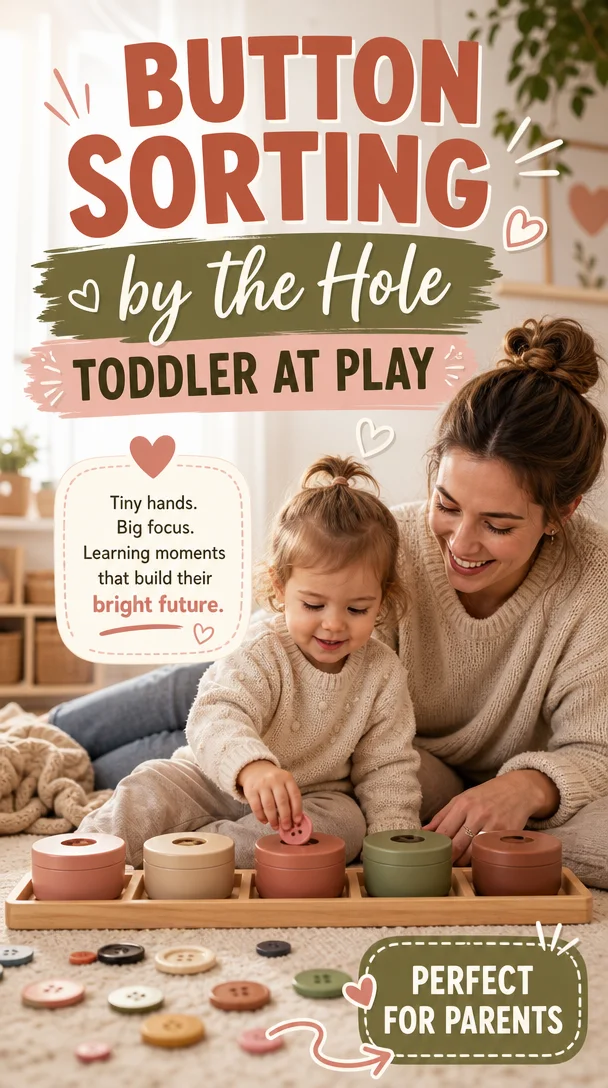
Button Sorting by the Hole – Toddler at Play
Fun and Engaging Button Sorting by the Hole: A DIY Activity for Toddlers
Meta Description: Discover an easy and fun button sorting activity for toddlers that promotes focus and learning! Keep little hands busy with this simple, screen-free idea.
Introduction
Hey fellow parents! If you ever find yourself in the thick of toddler chaos — toys scattered everywhere, fingers itching for a screen, and a schedule that feels a little too hectic — you might just be on the lookout for a fun, engaging, and interactive activity. Let’s be real; parenting is a beautiful, messy journey, and we all need a little helping hand sometimes.
Today, I’m excited to share a simple and delightful activity that brings you smiles and keeps those tiny hands busy: Button Sorting by the Hole! This activity captivates toddlers, supports their learning, and fosters a sense of achievement — and the best part? It requires minimal prep and everyday materials you probably already have at home. So, grab a snack, get comfy, and let’s explore just how magical a little sorting can be!
Why Button Sorting is Such a Hit with Toddlers
Boosting Fine Motor Skills
Sorting buttons might seem like just a fun way to pass the time, but it does wonders for those little hand muscles! As your child picks up buttons, manipulates them, and fits them into holes, they strengthen those crucial fine motor skills that serve as the foundation for writing, drawing, and countless other future activities.
Promoting Focus and Concentration
Does your little one have a tendency to bounce from one activity to the next? Button sorting is fantastic for helping them hone their attention span. It gives them a chance to settle into a focused activity while boosting their concentration in a calming, non-overwhelming environment.
Fostering Cognitive Development
By sorting buttons by size, color, or even shape, you engage your toddler’s emerging cognitive skills. They begin to understand concepts like categorization and differences, which builds important critical thinking skills in an enjoyable setting. Plus, who knew sorting could be so educational?
Setting Up Button Sorting by the Hole: Step-by-Step Guide
Gather Your Supplies
Before diving in, let’s gather the materials you’ll need. No need to head out to the store; this activity keeps it simple:
- Buttons: Collect a variety of buttons in different sizes and colors. You can raid your sewing kit or thrift shop for some treasures!
- A container: Use an old muffin tin, a cardboard box, or any small containers you have on hand.
- A surface to work on: Spread out a blanket on the floor or set up at the kitchen table.
Creating the Activity
-
Sort the Buttons: Start by sorting buttons into different areas. Keep some grouped by size, color, or shape, which creates fun challenges for your toddler.
-
Demonstrate: Show your child how to sort the buttons by fitting them into different holes or sections. If using a muffin tin, you can demonstrate how to place a button in each cup based on its size.
-
Let Them Explore: Now, it’s their turn! Encourage them to sort the buttons by themselves, but feel free to guide them as they begin. Celebrate their successes, even the small ones!
Variations to Keep Button Sorting Fun
Switch things up a bit! Here are some engaging twists on this activity you can try:
Color Matching
Challenge your toddler to match buttons to the correct colored section in their sorting area. They’ll hone their color recognition skills while having fun!
Shape Sorting
If you have a mix of buttons with different shapes, encourage your little one to sort them based on shape. This adds an extra layer of difficulty and reinforces their understanding of different physical properties.
Size Sorting
Have them practice sorting buttons from smallest to largest. Introducing concepts like "big," "medium," and "small" in a physical way helps solidify their understanding of sizes!
Creative Arts and Crafts
Once you have sorted the buttons, why not turn them into an art project? Use glue to make fun pictures or patterns! Transforming sorting into an art activity adds a whole new layer of creativity to the experience.
Tips for Success
-
Be Prepared for Mess: Embrace the chaos! Allowing your child to freely explore might lead to a scattered button mess, but remember that exploration is part of the fun (and learning).
-
Make It a Game: Add a timer and see how many buttons they can sort before it goes off! This increases engagement and excitement.
-
Keep It Short: Toddlers have short attention spans! If you sense their interest waning, it’s perfectly okay to wrap things up and revisit button sorting another day.
-
Encourage Communication: As they sort, ask open-ended questions about what they are doing. “Which button do you like the most?” or “What color do you see?” This brings in opportunities for language development and connection.
-
Add a Reward: Celebrate their accomplishments with a sticker, a stamp, or just verbal praise! Positive reinforcement encourages them to keep trying new things.
Finding Joy in Everyday Moments
As we glide through the beautiful chaos of parenting, it’s essential to seize those little moments of joy. Button Sorting by the Hole might seem simple, but it holds the powerful potential to enrich your child’s development while bringing you closer together. Remember, you don’t have to be a perfect parent; just being present and available makes a world of difference.
So, lean into the mess and embrace every giggle, every concentration face, and every triumphant button placed just right. Your child is learning and growing at their own pace, and you’re right there alongside them, cheering them on!
Conclusion
Creating fun, screen-free activities is a wonderful way to connect with your toddler and support their growth. Button sorting brings together learning, fun, and the chance for quality time — and you can do it with materials you already have on hand!
Next time chaos brews, reach for a handful of buttons instead of electronic distractions. You might just find that the simplest of activities can spark joy and connection in ways you never expected!
Here’s to warmer, lighter, and more joyful parenting, one little moment at a time. You’ve got this!
Optional FAQ Section
Q: Can I do this activity with a group of toddlers?
Absolutely! Button sorting can be a fantastic activity for playdates. Just make sure to have plenty of buttons available, and encourage sharing and teamwork!
Q: How do I clean up after the activity?
Have your child help you gather the buttons back into the container. It teaches responsibility and keeps the cleanup process fun!
Q: What if my toddler gets frustrated?
If frustration arises, take a break or shift to a different activity. Some days are just not for sorting, and that’s perfectly okay!
Feel free to adapt this guide to suit your child’s needs and interests, and most importantly, enjoy the process!
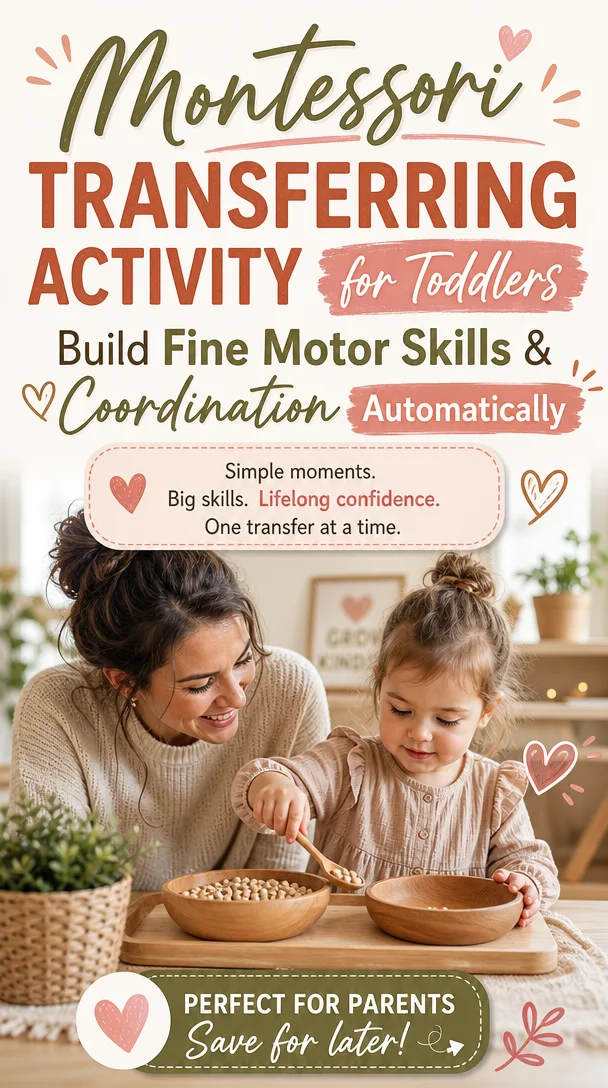
Montessori Transferring Activity for Toddlers: Build Fine Motor Skills & Coordination
Montessori Practical Life Transferring Activity: Boosting Fine Motor Skills & Coordination for Toddlers
Meta Description
Enhance your toddler’s fine motor skills with this Montessori-inspired transferring activity using beans and rice. Easy, engaging, and practical for home learning!
Introduction
Hey there, wonderful parents! If you’re anything like me, you know that parenting is a delightful mix of love, chaos, and a sprinkle of overwhelming moments. Your little one is constantly discovering the world, and as they do, their development grows! It’s amazing to think about the joy in those tiny hands mastering new skills, especially when it comes to fine motor development.
Today, let’s dive into a Montessori-inspired transferring activity that’s as engaging as it is educational. This simple yet highly effective exercise uses beans and rice to not only capture your child’s attention but also bolster their hand-eye coordination and concentration. It’s perfect for those bustling moments at home when you want to pave the way for your toddler’s independence and learning—one tiny scoop at a time.
So, grab that snack (I know you’ve got a few stashed away) and let’s explore how you can set up this delightful activity!
Understanding the Benefits of Fine Motor Skills
Fine motor skills encompass the small movements that children make using their hands and fingers. These skills are essential for everyday tasks—including writing, drawing, and self-feeding. The great news? With a few engaging activities, you can support your little one’s development right at home!
Why is Fine Motor Skills Development Important?
Fine motor skills play a critical role in your child’s overall growth. Here are just a few of the incredible benefits:
- Confidence Boost: Mastering a new skill encourages independence and a sense of accomplishment.
- Preparation for Future Skills: Developing these skills sets the foundation for tasks like buttoning shirts and holding pencils.
- Cognitive Growth: Engaging in these activities promotes focus, problem-solving, and curiosity about the world.
Encouraging fine motor development doesn’t have to be complicated; with simple activities like transferring beans and rice, you’ll nurture your child’s abilities while having a ton of fun together!
Setting Up Your Montessori Practical Life Transferring Activity
Now, let’s get into the nitty-gritty of setting up this activity. Trust me; it’s as easy as pie!
What You Will Need:
- Containers: Two small bowls or containers (think of a scoopable bowl for pouring and a receiving bowl).
- Beans and Rice: Use dry beans, rice, or any small items you have around. Colorful variations can be even more visually stimulating.
- Spoon or Cup: A scooping tool works wonders for this activity. Choose a child-friendly spoon or cup that fits nicely in their hands.
Step-by-Step Guide
-
Prepare the Space: Find a clean, flat surface. A table or a mat works perfectly. Lay down an old towel or tray underneath to catch any spills.
-
Introduce the Materials: Place one bowl filled with your chosen beans or rice on the table. Set the empty bowl next to it and show your toddler how to use the spoon to transfer the contents from one bowl to the other.
-
Demonstrate the Activity: Show them how to scoop, lift, and pour. Remember to gently encourage, use descriptive language, and model your excitement about the task.
-
Hands-On Exploration: Let your child take over! Let them explore the textures and sounds of the beans and rice. They may even enjoy pouring a bit on their hands—it’s all part of the experience!
Safety Tip
Always supervise your toddler during this activity. Ensure that they don’t put the beans, rice, or any small items in their mouths. Safety first!
Why Beans and Rice Are Ideal for This Activity
You might wonder, "Why beans and rice, specifically?" Let’s unpack that a bit!
Sensory Exploration
The different shapes and sizes of beans and rice offer a unique sensory experience. Your child can feel the variation, enjoy the sounds they make, and even observe how these items move from one bowl to the next.
Options for Variety
Switch it up! Try different materials like:
- Pasta: Twirl a handful of penne for a fun twist.
- Cornmeal or Sand: For an outdoor version, you can use kinetic sand.
- Colored Lentils: These vibrant options stimulate visual development and sensory play.
Enhancing the Learning Experience
You’re probably thinking how to extend this activity even further. Good news! Here are some ideas to enhance learning and make it more interactive:
Language Development
As you engage in the transferring activity, talk about colors, shapes, and textures. Ask questions such as:
- “What does it feel like?”
- “Can you tell me what color the beans are?”
Counting & Sorting
Turn the transferring activities into a mini-math lesson:
- Counting: Count the beans or rice together as they scoop from one container to another. “Let’s count to ten together!”
- Sorting: Introduce a sorting aspect—can they separate the beans from the rice by putting them in different bowls?
Practical Life Skills
As your child masters this transferring skill, encourage them to help with everyday tasks. Think of those moments when you’re cooking or cleaning—offer opportunities for them to transfer dry ingredients from one container to another during family meal prep. It’s a perfect way to blend learning with real-life skills.
The Joy of Mess
Let’s be honest: as much as we try to keep things tidy, messes happen! While we want to encourage exploration, we also recognize how overwhelming clean-up can feel. But fret not!
Embracing Messy Play
- Set Boundaries: Designate a specific area for messy play. A mat, tray, or even outdoors can make clean-up a breeze after fun activities.
- Involve Your Child: Turn clean-up into a game. Sing a song together or race to see how quickly they can collect the items. A little fun goes a long way!
Encouragement for the Journey
As you embark on this fantastic transferring activity, remember: every small step counts. Your child’s progress won’t come in leaps and bounds, but rather in those tiny moments filled with laughter, curiosity, and joy.
Conclusion
Oh, the beauty of parenting! Amidst the whirlwind of busy days, you create magical moments with activities as simple as transferring beans and rice. Engaging your child in practical life activities enhances their fine motor skills while building confidence and independence.
So, as you prepare to dive into this Montessori-inspired activity, know that you are doing an incredible job. Celebrate the small victories—the excitement in their eyes and the giggles that follow!
Keep creating those meaningful moments, and remember: you’ve got this, and you’re not alone in this tender, messy journey called parenthood. Until next time, relish those little moments that make life so richly beautiful.
Optional FAQ Section
Q: At what age can my toddler start doing this activity?
A: Generally, toddlers aged 2-3 years can start engaging with activities like this, with supervision. Adjust materials based on their developmental readiness.
Q: What if my toddler loses interest quickly?
A: That’s perfectly normal! Keep the sessions short and repeat them periodically. Change materials or introduce new challenges as they grow.
Q: How can I incorporate this into our daily routine?
A: Consider making this activity a part of your morning routines or as a quiet-time option in the afternoon. Consistency helps build familiarity!
Feel free to share this activity with fellow parents! It’s a fabulous way to foster fine motor development in a fun and engaging manner. Let’s create a supportive parenting community, one share at a time! 💛
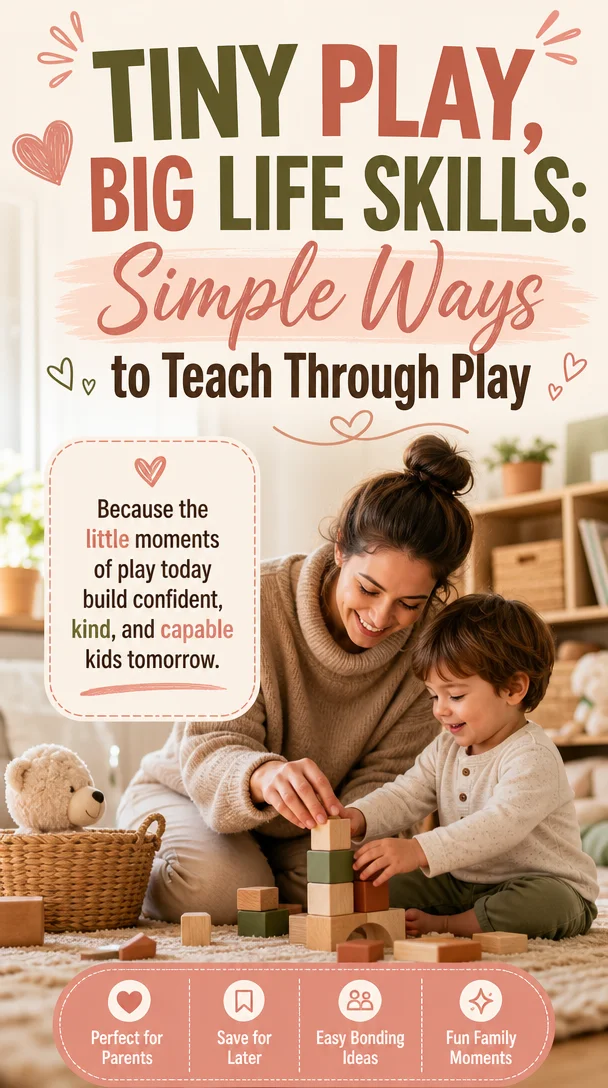
Tiny Play, Big Life Skills: Simple Ways to Teach Through Play
4 Ways to Teach Life Skills Through Play
Meta Description: Discover creative and engaging ways to teach life skills to your toddlers through play. Help them grow independent, capable, and confident from an early age!
Introduction
As parents, we often find ourselves juggling a never-ending list of chores while craving our children’s attention. Each day brings challenges and precious moments as we navigate the joyful chaos of family life. It’s easy to get caught up in the day-to-day grind, feeling overwhelmed by the weight of responsibilities. But what if I told you that playtime could be more than just a break from the busyness?
Teaching life skills through play not only enriches your child’s developmental journey but also gives you the chance to accomplish your tasks alongside them. Whether they’re zipping their jackets or cleaning up their toys, every small step counts on their path to independence. And the best part? At that tender age of two, they find learning to be an amazing adventure. Let’s explore four engaging ways to teach life’s essentials through play that transforms chores into fun-filled learning experiences!
1. Cooking Together: The Art of Culinary Independence
H2: Why Cooking?
Cooking is a fantastic way to teach kids important life skills, from basic math to nutrition. When your toddler helps in the kitchen, they learn about measurements, following directions, and even some science! Plus, who doesn’t love a tasty treat at the end of the lesson?
H3: How to Get Started
-
Toddler-Friendly Recipes: Choose simple recipes such as fruit salad or yogurt parfaits. These no-bake options involve minimal risk and maximum fun!
-
Measurement Games: Use measuring cups and spoons to introduce concepts like “one cup” or “half a cup.” Invite your little chef to scoop and pour, emphasizing counting during the process.
-
Clean-Up Play: Turn cleanup into a playful game—who can put away the most items in one minute? Not only does it foster teamwork, but it also builds their organizational skills.
Helpful Tip
Make it a family tradition! Designate a night where everyone cooks a meal together. Let each child take a turn being the head chef. It’ll make them feel important and responsible while also creating lasting memories.
2. Household Chores: Embracing Contribution
H2: The Power of Chores
While chores may seem tedious, involving your little one in household tasks helps them understand responsibility and develop a strong work ethic. Plus, it lightens your load!
H3: Ideas for Engaging Chores
-
Mini-Vacuuming: Give your toddler a lightweight vacuum (or even a broom) and let them “help” while you clean. It’s a great way to turn tidy-up time into a learning game.
-
Sorting Laundry: Turn laundry into a sorting game. Challenge your child to group clothes by colors or sizes. Celebrate small victories by making it a race!
-
Dusting Fun: Hand your toddler a dust cloth and let them go to town. Make it a scavenger hunt—who can find the most dusty spots in the room? They’ll learn to clean while playing an exciting game!
Example Routine
Incorporate chores into your daily routine. For example, after breakfast, have a quick 10-minute tidy-up session together. Sing a fun song while you clean, making the experience enjoyable and stress-free.
3. Role-Playing: Exploring Social Skills
H2: Why Role-Play?
Role-playing provides endless opportunities for your little one to practice essential social skills and emotional understanding. It allows them to take on different perspectives and develop empathy.
H3: Creative Role-Playing Ideas
-
Play Grocery Store: Set up a mini grocery store at home. Use empty boxes or play food, and let your toddler play shopper and cashier. They’ll learn simple math skills and the concept of exchanging money!
-
Dress-Up Games: Encourage your child to dress up and act out different scenarios. Whether they’re a doctor, teacher, or parent, role-playing fosters creativity and enhances their communication skills.
-
Story Time Acting: After reading a story, let them reenact it! Encourage them to express different emotions and dialogues. This helps with comprehension and emotional intelligence.
Conversation Ideas
Prompt them with questions like, “How do you think the character feels?” or “What would you do in that situation?” Such conversations not only nurture their empathy but also build critical thinking skills.
4. Gardening: Nurturing Nature and Responsibility
H2: The Benefits of Gardening
Gardening is a beautiful way to connect with nature while teaching valuable lessons about growth, responsibility, and patience. Watching plants thrive under their care instills a sense of accomplishment.
H3: Getting Your Hands Dirty
-
Planting Seeds: Choose easy-to-plant seeds like sunflowers or beans. Let your child dig, plant, and water them. Discuss how plants grow, and prompt them to imagine what’s happening under the soil.
-
Daily Responsibilities: Assign simple tasks, such as watering plants or pulling weeds. Make it a fun routine where they can proudly check on their plants each day.
-
Creating a Garden Journal: Help your child document their gardening journey. They can draw pictures or write simple notes about what they see. This cultivates their observation skills and creativity.
Encouragement Tip
Make it collaborative! As you garden together, share stories of your childhood experiences in nature. Allowing them to know the joys of gardening fosters a deeper connection with the earth.
Conclusion: Embrace the Fun of Learning
Teaching life skills through play offers an incredible opportunity to bond with your child while equipping them with essential tools for adulthood. By turning chores into engaging activities, you’re not just making life easier; you’re nurturing their independence, creativity, and confidence.
Remember, parenting is all about the little moments that create big impacts. Celebrate those small wins, and don’t worry about being perfect. Embrace the journey with a warm heart, invite plenty of laughter, and look forward to the magic of learning that happens every day in your cozy corner of family life!
So, grab your little one, and let’s start playing—because the joy of learning is all around us!
FAQ Section (Optional)
Q1: What age should I start teaching life skills through play?
A1: You can start as early as two years old! At this age, children love hands-on experiences, making it the perfect time to introduce simple tasks.
Q2: How can I keep my child engaged during chores?
A2: Turn chores into games, and use songs, timers, or challenges to make it fun! Kids love competition and creativity.
Q3: What are some other life skills I can teach through play?
A3: In addition to the ones mentioned, you can teaching skills like problem-solving, time management, and even emotional regulation through various play activities.
Happy parenting! Your warm, caring touch creates a beautiful atmosphere for growth and development.