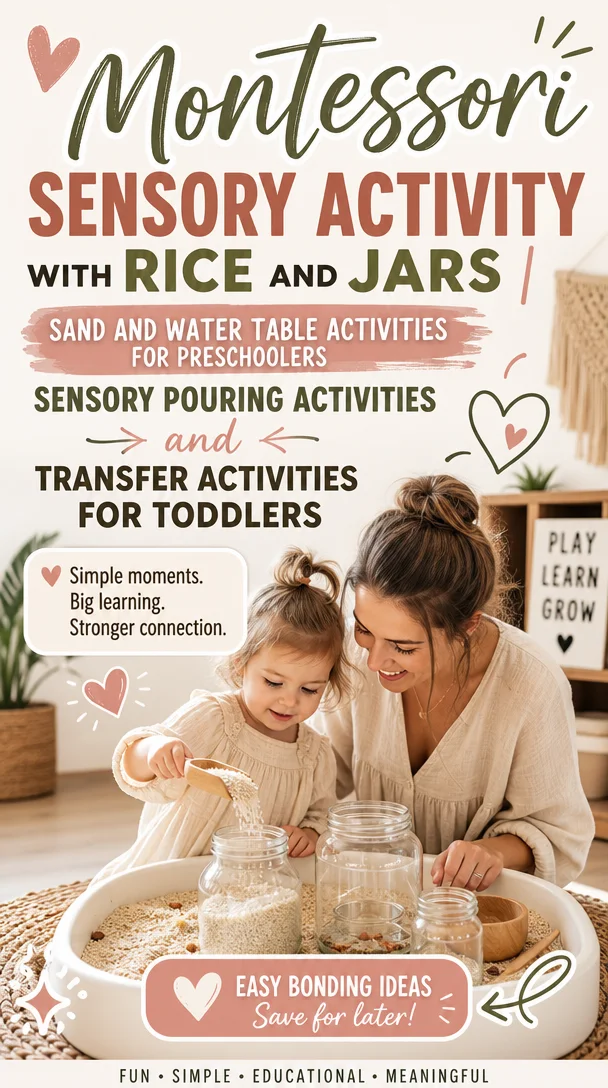
Montessori Sensory Activity with Rice and Jars | Sand and water table activities for preschoolers, Sensory pouring activities, Transfer activities for toddlers
Engaging Montessori Sensory Activities with Rice and Jars: Fun Ideas for Preschoolers
Meta Description: Discover fun Montessori sensory activities using rice and jars! Explore engaging pour and transfer activities for toddlers to enhance learning through play.
Introduction
Hey there, fellow parents! If you’re anything like me, you know that finding engaging activities for our little ones can sometimes feel like a monumental task. You want them to learn, explore, and have a blast, but where do you even start? Well, let’s make your life a bit easier today! 🌟
Imagine the gleeful giggles and endless curiosity as your child experiments with rice, jars, and their little hands. Today, I’m so excited to share Montessori-inspired sensory activities that utilize rice and jars, plus tips on how to create a magical sand and water table setup. These activities won’t just keep your toddler entertained; they will also support their emotional and cognitive development. Let’s dive in!
Why Sensory Play is Important
Before we jump into the fun, let’s take a moment to understand why sensory play, like pouring activities, is essential for our kiddos. Sensory play fosters creativity and curiosity while allowing children to explore various textures, sounds, and even smells. Here are some reasons why you should incorporate sensory activities into your child’s playtime:
- Boosts Fine Motor Skills: Manipulating objects like rice and jars encourages hand-eye coordination, which is crucial for writing later on.
- Encourages Problem Solving: Your child will face challenges—think spilling rice or pouring too much water—but these moments present valuable learning opportunities.
- Enhances Language Development: As you describe what they are doing, your little one picks up new vocabulary. Encourage them to express their feelings and thoughts about the activity.
- Provides Emotional Regulation: Sensory play is an excellent way for children to manage their emotions. The act of pouring, sorting, and feeling can be calming and grounding.
Feeling inspired? Let’s get started with our Montessori sensory activity using rice and jars!
Montessori Sensory Activities with Rice and Jars
The Basics of the Rice and Jars Activity
What You Need:
- Uncooked rice (white, brown, or colored for extra fun!)
- Clear jars (preferably with lids)
- A tray or large container to catch spills
- Measuring cups or scoops
- Small funnels (optional)
- A variety of scoops or cups (like spoons, small bowls, etc.)
How to Set Up:
-
Prepare Your Space: Lay down a blanket or use a tray to catch the inevitable spills. You can even set this up outside for easy cleanup!
-
Introduce the Materials: Present your child with the jars filled with rice and ensure various tools are available. Show them how to scoop and pour, modeling the activity before letting them explore.
-
Encourage Exploration: Invite your child to start pouring rice from one jar to another. Guide them to use different tools, helping them see what works best for each task.
Variations to Spice it Up
Once they’ve mastered the basics, here are some variations to keep the excitement going:
-
Color Sorting: If you use colored rice, encourage your child to sort the rice by color into different jars. This activity enhances their visual discrimination.
-
Size Exploration: Use jars of various sizes. Ask your child to figure out which jar can hold the most rice or how many small jars it takes to fill a larger one.
-
Sensory Exploration: Add a few drops of essential oils (like lavender) to the rice for aromatic sensory experiences. Ensure you’re using child-safe oils.
-
Sensory Challenges: Blindfold your child (with your supervision) and encourage them to identify different textures or sounds by feeling the jars or listening to the rice.
Sand and Water Table Activities
If you want to expand beyond rice-themed activities, let’s talk about setting up a sand and water table for even more sensory fun!
Creating Your Sand and Water Table
What You Need:
- Container: A shallow plastic container or a kiddie pool works well.
- Sand and Water: You can use kinetic sand, natural sand, or even substitute with dried rice instead of sand.
- Tools for Exploration: Include scoops, measuring cups, molds, and various cups. Don’t forget bath toys for some extra excitement!
How to Set Up:
-
Find a Suitable Location: Choose a space where water can splash around without causing too much worry—outdoors is ideal, but spread out towels indoors if needed!
-
Layer Your Materials: Fill half of your container with sand and the other half with water. Engage your child in the setup, showing them how they can move between the two environments.
-
Provide Varied Tools: Encourage your little one to fill, dump, sift, and pour using the tools you’ve provided. Challenge them with interesting tasks, like building sandcastles or collecting water in cups.
Activity Ideas for the Sand and Water Table
-
Transfer Tasks: Use cups to transfer just a small amount of sand into a jar. This activity helps develop fine motor control while practicing pouring.
-
Measurement Fun: Show your child how to measure larger vs. smaller cups of water, discussing concepts of volume and measurement.
-
Nature Exploration: Add natural items like rocks or leaves to the table, encouraging your child to create a mini-world and describe their creations.
-
Weather Experiments: Discuss what happens when water mixes with sand when making mud! Encourage your little one to describe the texture and what they observe changes.
Making the Activities Meaningful
When engaging in these activities, the goal is to keep them fun and meaningful. Here are some ideas to enhance the experience:
-
Ask Open-Ended Questions: Instead of giving directions, ask questions like, “What will happen if you pour that cup of water here?” This promotes critical thinking.
-
Encourage Language: Narrate your child’s actions—“Wow! Look how high you poured the rice!”—to enrich their vocabulary.
-
Celebrate Success: Acknowledge their small victories. If they manage to keep the rice from spilling, celebrate with high-fives or cheers!
Helpful Tips for a Smooth Experience
-
Set Rules: Decide in advance what the cleanup will look like. Will you allow spills, or will you provide specific areas for pouring? Ensure your child understands the guidelines.
-
Be Patient: Keep in mind that every child’s exploration looks different. Embrace the mess and be prepared to join in the fun too!
-
Limit Screen Time: These activities are a wonderful way to offer a screen-free alternative that engages your child deeply.
-
Encouraging Exploration: Provide diverse materials to play with and let your child take ownership of their learning journey.
Encouragement for the Journey Ahead
Remember, as parents, we’re all in this together, navigating the beautiful, messy chaos that is parenting. It’s easy to get overwhelmed, but when we find enjoyable activities like these, we foster not only their learning but also our own joy.
So, grab some rice, some jars, and maybe a few cups, and let the fun begin! You’ll not only have loads of smiles and giggles but also meaningful moments you’ll cherish.
Conclusion
Montessori sensory activities using rice and jars, along with engaging sand and water tables, offer countless opportunities for exploration and learning. You don’t need to be perfect; your love and involvement are what matter most to your child. So, embrace the mess, celebrate the little victories, and watch your little ones thrive in their imaginative play!
Want to share your experiences or your favorite tips? I’d love to hear from you! Let’s keep the conversation going, and support one another on this wild ride called parenting.
By incorporating these sensory activities into your daily routine, you provide a world of learning through play for your little ones—one joyful moment at a time. 💛
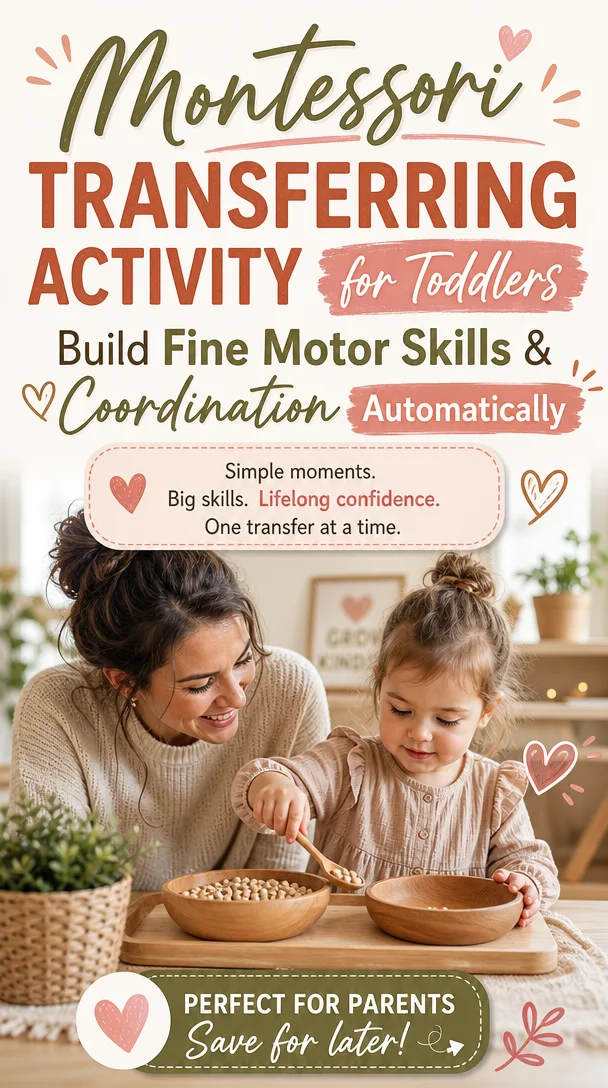
Montessori Transferring Activity for Toddlers: Build Fine Motor Skills & Coordination
Montessori Practical Life Transferring Activity: Boosting Fine Motor Skills & Coordination for Toddlers
Meta Description
Enhance your toddler’s fine motor skills with this Montessori-inspired transferring activity using beans and rice. Easy, engaging, and practical for home learning!
Introduction
Hey there, wonderful parents! If you’re anything like me, you know that parenting is a delightful mix of love, chaos, and a sprinkle of overwhelming moments. Your little one is constantly discovering the world, and as they do, their development grows! It’s amazing to think about the joy in those tiny hands mastering new skills, especially when it comes to fine motor development.
Today, let’s dive into a Montessori-inspired transferring activity that’s as engaging as it is educational. This simple yet highly effective exercise uses beans and rice to not only capture your child’s attention but also bolster their hand-eye coordination and concentration. It’s perfect for those bustling moments at home when you want to pave the way for your toddler’s independence and learning—one tiny scoop at a time.
So, grab that snack (I know you’ve got a few stashed away) and let’s explore how you can set up this delightful activity!
Understanding the Benefits of Fine Motor Skills
Fine motor skills encompass the small movements that children make using their hands and fingers. These skills are essential for everyday tasks—including writing, drawing, and self-feeding. The great news? With a few engaging activities, you can support your little one’s development right at home!
Why is Fine Motor Skills Development Important?
Fine motor skills play a critical role in your child’s overall growth. Here are just a few of the incredible benefits:
- Confidence Boost: Mastering a new skill encourages independence and a sense of accomplishment.
- Preparation for Future Skills: Developing these skills sets the foundation for tasks like buttoning shirts and holding pencils.
- Cognitive Growth: Engaging in these activities promotes focus, problem-solving, and curiosity about the world.
Encouraging fine motor development doesn’t have to be complicated; with simple activities like transferring beans and rice, you’ll nurture your child’s abilities while having a ton of fun together!
Setting Up Your Montessori Practical Life Transferring Activity
Now, let’s get into the nitty-gritty of setting up this activity. Trust me; it’s as easy as pie!
What You Will Need:
- Containers: Two small bowls or containers (think of a scoopable bowl for pouring and a receiving bowl).
- Beans and Rice: Use dry beans, rice, or any small items you have around. Colorful variations can be even more visually stimulating.
- Spoon or Cup: A scooping tool works wonders for this activity. Choose a child-friendly spoon or cup that fits nicely in their hands.
Step-by-Step Guide
-
Prepare the Space: Find a clean, flat surface. A table or a mat works perfectly. Lay down an old towel or tray underneath to catch any spills.
-
Introduce the Materials: Place one bowl filled with your chosen beans or rice on the table. Set the empty bowl next to it and show your toddler how to use the spoon to transfer the contents from one bowl to the other.
-
Demonstrate the Activity: Show them how to scoop, lift, and pour. Remember to gently encourage, use descriptive language, and model your excitement about the task.
-
Hands-On Exploration: Let your child take over! Let them explore the textures and sounds of the beans and rice. They may even enjoy pouring a bit on their hands—it’s all part of the experience!
Safety Tip
Always supervise your toddler during this activity. Ensure that they don’t put the beans, rice, or any small items in their mouths. Safety first!
Why Beans and Rice Are Ideal for This Activity
You might wonder, "Why beans and rice, specifically?" Let’s unpack that a bit!
Sensory Exploration
The different shapes and sizes of beans and rice offer a unique sensory experience. Your child can feel the variation, enjoy the sounds they make, and even observe how these items move from one bowl to the next.
Options for Variety
Switch it up! Try different materials like:
- Pasta: Twirl a handful of penne for a fun twist.
- Cornmeal or Sand: For an outdoor version, you can use kinetic sand.
- Colored Lentils: These vibrant options stimulate visual development and sensory play.
Enhancing the Learning Experience
You’re probably thinking how to extend this activity even further. Good news! Here are some ideas to enhance learning and make it more interactive:
Language Development
As you engage in the transferring activity, talk about colors, shapes, and textures. Ask questions such as:
- “What does it feel like?”
- “Can you tell me what color the beans are?”
Counting & Sorting
Turn the transferring activities into a mini-math lesson:
- Counting: Count the beans or rice together as they scoop from one container to another. “Let’s count to ten together!”
- Sorting: Introduce a sorting aspect—can they separate the beans from the rice by putting them in different bowls?
Practical Life Skills
As your child masters this transferring skill, encourage them to help with everyday tasks. Think of those moments when you’re cooking or cleaning—offer opportunities for them to transfer dry ingredients from one container to another during family meal prep. It’s a perfect way to blend learning with real-life skills.
The Joy of Mess
Let’s be honest: as much as we try to keep things tidy, messes happen! While we want to encourage exploration, we also recognize how overwhelming clean-up can feel. But fret not!
Embracing Messy Play
- Set Boundaries: Designate a specific area for messy play. A mat, tray, or even outdoors can make clean-up a breeze after fun activities.
- Involve Your Child: Turn clean-up into a game. Sing a song together or race to see how quickly they can collect the items. A little fun goes a long way!
Encouragement for the Journey
As you embark on this fantastic transferring activity, remember: every small step counts. Your child’s progress won’t come in leaps and bounds, but rather in those tiny moments filled with laughter, curiosity, and joy.
Conclusion
Oh, the beauty of parenting! Amidst the whirlwind of busy days, you create magical moments with activities as simple as transferring beans and rice. Engaging your child in practical life activities enhances their fine motor skills while building confidence and independence.
So, as you prepare to dive into this Montessori-inspired activity, know that you are doing an incredible job. Celebrate the small victories—the excitement in their eyes and the giggles that follow!
Keep creating those meaningful moments, and remember: you’ve got this, and you’re not alone in this tender, messy journey called parenthood. Until next time, relish those little moments that make life so richly beautiful.
Optional FAQ Section
Q: At what age can my toddler start doing this activity?
A: Generally, toddlers aged 2-3 years can start engaging with activities like this, with supervision. Adjust materials based on their developmental readiness.
Q: What if my toddler loses interest quickly?
A: That’s perfectly normal! Keep the sessions short and repeat them periodically. Change materials or introduce new challenges as they grow.
Q: How can I incorporate this into our daily routine?
A: Consider making this activity a part of your morning routines or as a quiet-time option in the afternoon. Consistency helps build familiarity!
Feel free to share this activity with fellow parents! It’s a fabulous way to foster fine motor development in a fun and engaging manner. Let’s create a supportive parenting community, one share at a time! 💛