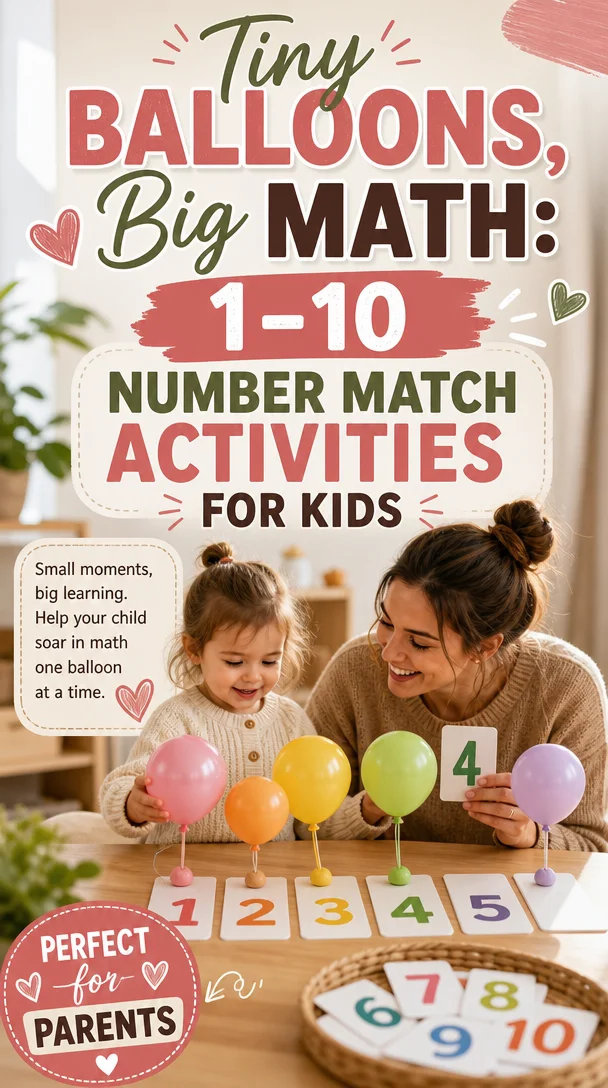
Tiny Balloons, Big Math: 1–10 Number Match Activities for Kids
🎈 Balloon Number Match: Learn 1–10 the Fun Way!
Meta Description
Discover a fun balloon number matching activity for toddlers and preschoolers to enhance number recognition, fine motor skills, and early math interest!
Introduction
Hey there, fellow parent! If you’re anything like me, you know that teaching little ones can feel like a delightful whirlwind of challenges and joy all rolled into one. We want our kids to learn and grow, but let’s be honest: sometimes it’s tough to make learning exciting! That’s why I’m thrilled to share a simple and colorful activity that combines fun with educational value — the Balloon Number Match! 🎈
Imagine your child giggling with excitement as they explore numbers 1 through 10 using vibrant, floating balloons. This is more than just a game; it’s a hands-on experience that fosters learning while keeping the mood light and playful. Whether you’re at home or in the classroom, this engaging activity will not only enhance number recognition but also build fine motor skills and spark an early love for math. Let’s dive into how to make learning numbers not just educational, but absolutely enjoyable!
Why Choose a Balloon Number Match?
As parents, we all strive to provide our children with engaging and effective learning opportunities. The Balloon Number Match activity offers numerous benefits for toddlers and preschoolers aged 2–5, including:
Enhances Number Recognition
By visually connecting each number with a balloon, children strengthen their ability to recognize numbers. This activity helps them avoid frustration while learning, making it feel more natural.
Boosts Visual Discrimination
Matching balloons to their respective numbers challenges kids to differentiate between various shapes and colors, honing their visual discrimination skills in a fun way.
Strengthens Fine Motor Skills
The act of grasping, lifting, and matching balloons requires hand-eye coordination, which is essential for developing fine motor skills necessary for writing and other tasks.
Encourages Independent Learning
This activity allows children to explore at their own pace. By enabling them to take the lead, you foster their independence and confidence in learning.
Promotes Early Math Interest
Fun and enjoyable activities like this one create a positive association with math from an early age. Kids will associate numbers with joy, laying the groundwork for future learning.
How to Set Up Your Balloon Number Match Activity
I promise, setting up this activity is as easy as pie (or should I say balloon?). Here’s what you need:
Materials Needed
- 10 balloons (one for each number from 1 to 10)
- Permanent markers (for writing numbers on balloons)
- A large surface area (like a wall or a table) for matching
- Optional: decorative items like stickers or ribbons to embellish the balloons
Step-by-Step Instructions
-
Inflate the Balloons: Inflate your balloons and tie them securely. If you’re feeling extra creative, you can use colorful balloons for each number range.
-
Write the Numbers: Use permanent markers to write numbers 1 through 10 on each balloon. You might even consider adding fun faces or characters to each balloon to bring your “cast” of numbers to life!
-
Prepare the Matching Surface: Choose a large surface area where your child can easily access the balloons. A wall with tape or a flat space on the floor works wonderfully.
-
Introduce the Activity: Gather your little one and explain the activity with lots of enthusiasm. Tell them they’ll be matching numbers with their balloon friends!
-
Get Matching: Encourage your child to find the correct balloon with the designated number and match it with the corresponding number on the surface. You can show them how to match a few first and then let them take over!
Tips for Maximizing Fun and Learning
Add a Splash of Competition
Make it a friendly race! Time them as they match the balloons and challenge them to beat their previous time. Just be sure to remind them that it’s all about the fun!
Create a Balloon Number Hunt
Hide the balloons around a room and turn the activity into a scavenger hunt. This adds an element of surprise that kids love. As they find each balloon, have them shout out the number!
Use Different Sizes for Variation
Incorporate various balloon sizes to match different numbers. For instance, the number "1" can be represented by a smaller balloon, and "10" can be a large, eye-catching one. This visual difference adds an extra layer of engagement.
Incorporate Songs and Rhymes
As you match numbers, sing songs or rhymes related to numbers. Making connections through music enhances memory retention while creating a joyful atmosphere.
Celebrate Small Wins
Every time your child correctly matches a balloon, cheer them on! Celebrating their victories no matter how small fosters encouragement and confidence.
Encouraging Understanding of Numbers Beyond the Activity
After the Balloon Number Match, it’s essential to weave the concept of numbers into everyday life. Here are some simple ways to build on this foundational activity:
Count Everyday Objects
When you’re at home or on a walk, point out objects and count them together. “Look at those five ducks in the pond!” This real-life application reinforces their number recognition effortlessly.
Use Cooking as a Learning Tool
While cooking, involve your child in measuring ingredients. Ask questions like, “Can you put in three scoops of flour?” This hands-on task not only teaches them numbers but also an essential life skill!
Explore Number Books Together
Incorporate fun learning through books that focus on numbers. Read together and encourage them to count the items on each page.
Create a Math Journal
Invite your little one to keep a journal where they can draw their favorite numbers or count objects they see daily. This offers a creative outlet while reinforcing their learning.
Conclusion
Parenting can often feel like an uphill battle, but remember: it’s all about celebrating those little moments. The Balloon Number Match is just one simple way to infuse joy into the learning process, encouraging your child to explore and grow with numbers in a fun, engaging way.
So grab some balloons, reduce the pressure of perfection, and enjoy the playful path of learning together. You’re doing great, and every little effort counts! With creativity, love, and a sprinkle of fun, you can make numbers a favorite topic at home. You’ve got this, and I’m cheering you on every step of the way! 🎈💛
Frequently Asked Questions
1. What age group is the Balloon Number Match suitable for?
This activity is perfect for toddlers and preschoolers aged 2 to 5, but older children may enjoy it as a fun refresher!
2. How long does the activity typically last?
The time can vary, but expect to spend about 20–30 minutes. Remember, it’s always okay to extend it if your child is having fun!
3. Can I adapt this activity for a classroom setting?
Absolutely! This activity translates well to a classroom. Consider having small groups practice matching to encourage teamwork and collaboration!
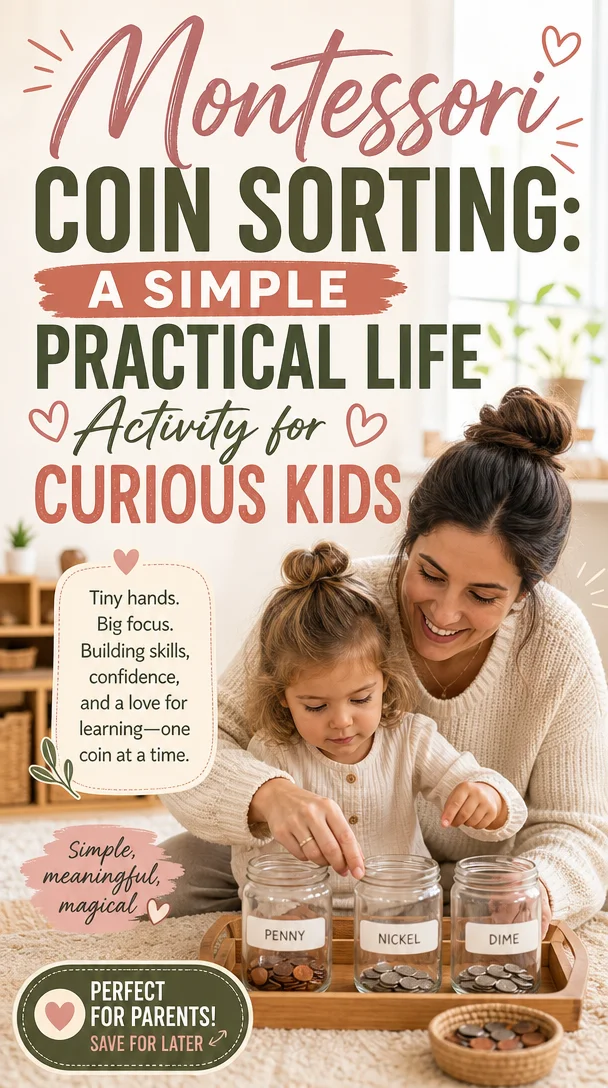
Montessori Coin Sorting: A Simple Practical Life Activity for Curious Kids
Coin Sorting Activity: Inspired by Montessori Sensorial Activities
Meta Description: Discover the joy of Montessori-inspired coin sorting activities! Enhance your child’s sensory skills, math readiness, and fine motor development at home.
Parenting can feel like a whirlwind of activity, can’t it? One moment you’re managing a snack time meltdown, and the next you’re navigating the delicate world of educational play. If you’re searching for meaningful ways to engage your little ones while fostering their development, you’re in the right place.
Today, let’s dive into a charming Montessori-inspired activity that not only captures your child’s attention but also builds their skills in a delightful way. Coin sorting might sound simple, but it offers a treasure trove of benefits for your child’s learning and growth. So, grab a snack, sit back, and let’s explore how you can turn this fun activity into a meaningful bonding experience with your child.
What is Montessori Coin Sorting?
Montessori education emphasizes hands-on learning, sensory experiences, and independent exploration. Coin sorting exercises perfectly embody these principles. By sorting coins, children engage their senses while developing fine motor skills that will serve them well in math and reading later on. Think of it as a small step with a giant leap in learning potential!
Benefits of Coin Sorting
- Sensory Development: Handling different coins helps children refine their tactile senses. They learn to differentiate between various materials, weights, and textures.
- Math Foundations: Coin sorting naturally introduces early math concepts like counting, grouping, and basic addition and subtraction.
- Fine Motor Skills: Picking up and placing coins strengthens those tiny hand muscles, laying the groundwork for writing and other crucial skills.
- Cognitive Growth: Sorting fosters critical thinking as children make decisions about grouping and organization.
- Confidence Building: Completing the task of sorting coins encourages a sense of accomplishment, boosting your child’s self-esteem.
Setting Up Your Coin Sorting Activity
Let’s make this as simple and fun as possible! Here’s how you can set up the coin sorting activity at home.
Gather Your Materials
- Coins: Collect a variety of coins from your wallet or piggy bank. Make sure to include different denominations to add variety.
- Containers: Use small bowls, jars, or even muffin tins to create sorting stations. You might want one container for each type of coin.
- Optional: If your child enjoys working with textures or colors, consider including items like paper cuts in different shapes or colors for a multi-sensory experience.
Create a Cozy Space
Choose a comfortable spot where your child can focus and feel relaxed. This could be at the kitchen table, playroom floor, or even outside on a sunny day. The key is to create an inviting environment that encourages exploration.
How to Play: Engaging Your Child
Now it’s time to dive into the fun! Here’s how you can guide your child through the coin sorting activity.
Start with a Conversation
Before jumping into the activity, engage your child with a few questions:
- “Have you seen these coins before? Where?”
- “What do you think makes each coin different?”
This simple chat not only sparks interest but also encourages your child to think critically right from the start.
Dive into Sorting
- Demonstrate First: Show your child how to sort one type of coin into a container. For example, “Let’s put all the pennies in this bowl. Can you help me?”
- Let Them Explore: Step back and let your child take the lead! Offer gentle guidance as they sort. This step is critical for developing their independence and confidence. You might say, “Great job! Should we sort out the nickels next?”
- Encourage Counting: After sorting, count the coins together. This reinforces math skills without feeling like a worksheet.
- Create Fun Challenges: Turn it into a game! Set a timer and see how quickly they can sort all the coins. Or mix them up and ask them to close their eyes and feel the coins before naming them.
Introduce More Complexity
As your child becomes more comfortable with the basics, add layers to the activity:
- Patterns: Create patterns with the coins and encourage your child to replicate them.
- Sorting by Size or Color: Challenge them to sort coins by size or arrange them based on color.
- Money Talk: Use the opportunity to introduce concepts like "how much" a quarter is worth compared to a dime.
Helpful Tips for Success
- Keep it Light: The goal is to engage and educate, not to rival a classroom environment. If your child loses interest, take a break and come back later.
- Be Patient: Every child learns at their own pace. Celebrate their efforts regardless of outcomes.
- Join In: Participate in the sorting with them. Kids love to see grown-ups engaged in playful learning!
- Incorporate Daily Life: Talk about how we use coins in our daily life. Invite your child to help you with real transactions. This links their activity to real-world contexts.
Conclusion
Coin sorting is not just a simple activity; it’s a wonderful opportunity to instill curiosity, confidence, and practical skills in your little one. As you lean into this hands-on learning experience, remember that the most powerful moments come from allowing your child to explore freely while you provide gentle guidance.
Embrace the mess, the chaos, and the laughter that comes with these learning experiences. You’re not just teaching your child about coins; you’re creating bonds, nurturing their growth, and making memories that will last a lifetime.
So go ahead, gather those coins, and watch as your child dives into a world of discovery! Remember, you’re doing an amazing job, and in the hustle of parenting, every little moment counts.
FAQs
Q: What if my child loses interest in the activity?
A: It’s perfectly normal! Keep it fun and lighthearted. You can always come back to it later or find ways to integrate it into daily life.
Q: How can I adapt this activity for older children?
A: Older kids can tackle more complex sorting concepts, such as making change or even introducing math problems involving coins.
Q: Can I incorporate other sensory materials?
A: Absolutely! You can mix in colorful beads, textured items, or even different kinds of button collections to keep things exciting.
By integrating this coin sorting activity into your home, you’re not only fostering a love for learning but also nurturing your child’s emotional and practical skills. Happy sorting! 😊