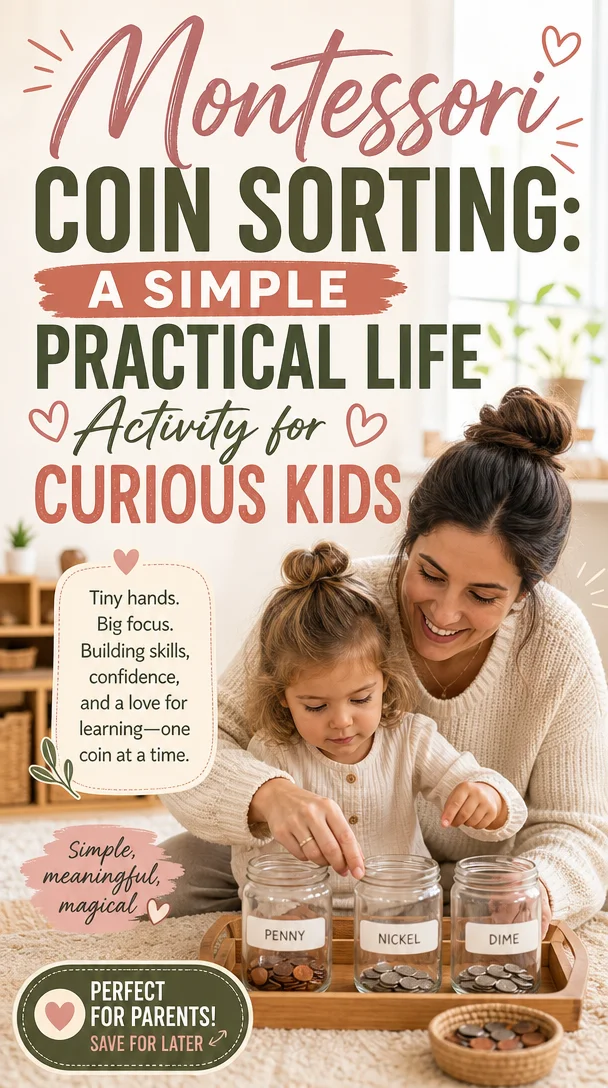
Montessori Coin Sorting: A Simple Practical Life Activity for Curious Kids
Coin Sorting Activity: Inspired by Montessori Sensorial Activities
Meta Description: Discover the joy of Montessori-inspired coin sorting activities! Enhance your child’s sensory skills, math readiness, and fine motor development at home.
Parenting can feel like a whirlwind of activity, can’t it? One moment you’re managing a snack time meltdown, and the next you’re navigating the delicate world of educational play. If you’re searching for meaningful ways to engage your little ones while fostering their development, you’re in the right place.
Today, let’s dive into a charming Montessori-inspired activity that not only captures your child’s attention but also builds their skills in a delightful way. Coin sorting might sound simple, but it offers a treasure trove of benefits for your child’s learning and growth. So, grab a snack, sit back, and let’s explore how you can turn this fun activity into a meaningful bonding experience with your child.
What is Montessori Coin Sorting?
Montessori education emphasizes hands-on learning, sensory experiences, and independent exploration. Coin sorting exercises perfectly embody these principles. By sorting coins, children engage their senses while developing fine motor skills that will serve them well in math and reading later on. Think of it as a small step with a giant leap in learning potential!
Benefits of Coin Sorting
- Sensory Development: Handling different coins helps children refine their tactile senses. They learn to differentiate between various materials, weights, and textures.
- Math Foundations: Coin sorting naturally introduces early math concepts like counting, grouping, and basic addition and subtraction.
- Fine Motor Skills: Picking up and placing coins strengthens those tiny hand muscles, laying the groundwork for writing and other crucial skills.
- Cognitive Growth: Sorting fosters critical thinking as children make decisions about grouping and organization.
- Confidence Building: Completing the task of sorting coins encourages a sense of accomplishment, boosting your child’s self-esteem.
Setting Up Your Coin Sorting Activity
Let’s make this as simple and fun as possible! Here’s how you can set up the coin sorting activity at home.
Gather Your Materials
- Coins: Collect a variety of coins from your wallet or piggy bank. Make sure to include different denominations to add variety.
- Containers: Use small bowls, jars, or even muffin tins to create sorting stations. You might want one container for each type of coin.
- Optional: If your child enjoys working with textures or colors, consider including items like paper cuts in different shapes or colors for a multi-sensory experience.
Create a Cozy Space
Choose a comfortable spot where your child can focus and feel relaxed. This could be at the kitchen table, playroom floor, or even outside on a sunny day. The key is to create an inviting environment that encourages exploration.
How to Play: Engaging Your Child
Now it’s time to dive into the fun! Here’s how you can guide your child through the coin sorting activity.
Start with a Conversation
Before jumping into the activity, engage your child with a few questions:
- “Have you seen these coins before? Where?”
- “What do you think makes each coin different?”
This simple chat not only sparks interest but also encourages your child to think critically right from the start.
Dive into Sorting
- Demonstrate First: Show your child how to sort one type of coin into a container. For example, “Let’s put all the pennies in this bowl. Can you help me?”
- Let Them Explore: Step back and let your child take the lead! Offer gentle guidance as they sort. This step is critical for developing their independence and confidence. You might say, “Great job! Should we sort out the nickels next?”
- Encourage Counting: After sorting, count the coins together. This reinforces math skills without feeling like a worksheet.
- Create Fun Challenges: Turn it into a game! Set a timer and see how quickly they can sort all the coins. Or mix them up and ask them to close their eyes and feel the coins before naming them.
Introduce More Complexity
As your child becomes more comfortable with the basics, add layers to the activity:
- Patterns: Create patterns with the coins and encourage your child to replicate them.
- Sorting by Size or Color: Challenge them to sort coins by size or arrange them based on color.
- Money Talk: Use the opportunity to introduce concepts like "how much" a quarter is worth compared to a dime.
Helpful Tips for Success
- Keep it Light: The goal is to engage and educate, not to rival a classroom environment. If your child loses interest, take a break and come back later.
- Be Patient: Every child learns at their own pace. Celebrate their efforts regardless of outcomes.
- Join In: Participate in the sorting with them. Kids love to see grown-ups engaged in playful learning!
- Incorporate Daily Life: Talk about how we use coins in our daily life. Invite your child to help you with real transactions. This links their activity to real-world contexts.
Conclusion
Coin sorting is not just a simple activity; it’s a wonderful opportunity to instill curiosity, confidence, and practical skills in your little one. As you lean into this hands-on learning experience, remember that the most powerful moments come from allowing your child to explore freely while you provide gentle guidance.
Embrace the mess, the chaos, and the laughter that comes with these learning experiences. You’re not just teaching your child about coins; you’re creating bonds, nurturing their growth, and making memories that will last a lifetime.
So go ahead, gather those coins, and watch as your child dives into a world of discovery! Remember, you’re doing an amazing job, and in the hustle of parenting, every little moment counts.
FAQs
Q: What if my child loses interest in the activity?
A: It’s perfectly normal! Keep it fun and lighthearted. You can always come back to it later or find ways to integrate it into daily life.
Q: How can I adapt this activity for older children?
A: Older kids can tackle more complex sorting concepts, such as making change or even introducing math problems involving coins.
Q: Can I incorporate other sensory materials?
A: Absolutely! You can mix in colorful beads, textured items, or even different kinds of button collections to keep things exciting.
By integrating this coin sorting activity into your home, you’re not only fostering a love for learning but also nurturing your child’s emotional and practical skills. Happy sorting! 😊