
Simple Arts and Crafts Activities for Kids That Spark Creativity at Home
Unleashing Creativity: A Treasure Trove of Arts and Crafts Ideas for Kids
Meta Description
Explore a treasure trove of arts and crafts ideas that will keep your kids creatively engaged all year round! Find practical tips and projects for every season.
Introduction
Hey there, fellow parents! If you’ve ever found yourself staring at a blank canvas—or more likely, the wall that your little Picasso just turned into their masterpiece—you know just how important it is to keep our kids busy and creatively engaged. Summer days, rainy afternoons, or the itch of winter weather can leave us scrambling for fresh, fun ideas to channel that boundless energy!
But don’t fret! Today, I’m excited to share one of the most valuable resources you can have as a parent: a treasure trove of arts and crafts ideas that are perfect for kids. Whether your child is a budding artist or just looking for some fun, you’ll find plenty of ideas here to last through the seasons—summer, fall, winter, and spring. Let’s dive in and see how simple materials can spark joy, laughter, and creativity in your home!
The Benefits of Arts and Crafts for Kids
Creating art isn’t just about making something pretty; it’s a fantastic opportunity for learning and growth. Here are just a few wonderful benefits that come along with diving into arts and crafts:
1. Enhances Fine Motor Skills
Did you know that activities like cutting, gluing, and coloring help improve your child’s dexterity? When kids manipulate scissors or hold a paintbrush, they hone their fine motor skills, which are crucial for everyday tasks and academic success!
2. Boosts Creativity and Imagination
Letting children create gives them the freedom to express themselves. Whether it’s painting a sunset or crafting an alien spaceship, creativity knows no bounds. Your kitchen table can become a blank canvas where imagination takes flight!
3. Encourages Problem Solving
Arts and crafts naturally encourage kids to think critically and solve problems. How do you turn a sock into a puppet? What happens if I mix blue and yellow? These questions spark their curiosity and initiate a journey of discovery—creating little innovators in the process.
4. Fosters Emotional Expression
Art provides an incredible avenue for emotional expression. Sometimes kids find it hard to articulate their feelings. Through art, they can communicate their joys, frustrations, or fears, creating a healthy outlet for their emotions.
5. Creates Family Bonds
Let’s not forget how wonderful it is to spend quality time as a family! Crafting together creates moments full of laughter, conversation, and connection. So grab those markers, and let’s create some unforgettable memories together!
Arts and Crafts Ideas for Every Season
Each season brings new emotions, colors, and textures to explore, so let’s jump into some projects that will celebrate the beauty of each time of year!
Spring: Welcoming New Beginnings
Plant Pot Decorating
Grab some terracotta pots and let your kids unleash their inner garden designers! Provide acrylic paints and a variety of brushes and let them paint sunflowers, butterflies, or their favorite colors. Once dry, you can plant flowers or herbs together to watch as nature blooms!
Nature Collage
Go on a nature walk and collect leaves, flowers, or small twigs. Once you’re home, gather your supplies and create a beautiful collage. Use the collected items, glue, and any other embellishments like glitter or stickers. This craft combines creativity with a love for the outdoors!
Summer: Soaking Up the Sun
DIY Tie-Dye T-Shirts
Summer screams tie-dye fun! Buy some plain white t-shirts and fabric dyes (or use food coloring in a pinch). Set up your DIY dye station and let your kids design their own colorful masterpieces. The joy on their faces when they see the reveal will be priceless!
Sun Catchers
With clear contact paper and tissue paper, your kids can create stunning sun catchers! Cut out shapes from the tissue paper—think flowers or geometric designs—and let them arrange them on the contact paper. Hang them in windows to watch the sunlight dance through!
Fall: Embracing Change
Leaf Rubbings
Discover the beauty of fall leaves by doing leaf rubbings! Collect various leaves and place them under a piece of paper. Using crayons or colored pencils, have your children rub over the paper to reveal the impressive leaf shapes. This simple craft highlights the beauty of nature’s artwork.
Pumpkin Painting
Instead of carving, why not paint pumpkins? Let your kids use washable paints to turn pumpkins into silly faces or colorful designs. This way, they can keep their creations longer, and you get to enjoy their artistry all season long!
Winter: Finding Warmth in Creativity
Winter Wonderland Scene
Using cotton balls, googly eyes, and cardstock, help your kids create a winter wonderland scene. They can build snowmen or snowy landscapes that bring the joy of the season indoors. Don’t forget a sprinkle of glitter for extra magic!
Homemade Ornaments
Get crafty and create ornaments for the holidays! Use salt dough or even paper plates. Let the kids cut out shapes and decorate them with paint or markers. Hang them on your tree to cherish family memories each holiday season.
Actionable Tips for a Successful Crafting Experience
As we dive into these exciting projects, remember that crafting should feel joyful, not overwhelming. Here are some tips to ensure your arts and crafts time remains engaging and fun:
-
Set Up a Craft Station
Designate a special spot in your home for crafting. Stock it with supplies such as glue, scissors, crayons, and paper. Having a dedicated area makes it easy to dive into creativity whenever the mood strikes! -
Keep It Simple
You don’t need fancy supplies or complex ideas. Often, the simplest projects bring the most joy. Look around your home for items like cardboard boxes, straws, or old magazines—the possibilities are endless! -
Encourage Conversation
While crafting, spark conversations with your kids. Ask them about their ideas, their colors of choice, or what story their artwork tells. This not only builds emotional connections but boosts their communication skills, too! -
Celebrate All Creations
Whether it’s a masterpiece or a playful scribble, embrace every creation. Display their art proudly around your home. This validation encourages them to keep exploring their talents. -
Incorporate Learning
Use arts and crafts as a gateway to introduce subjects such as math (counting supplies) or science (exploring textures). It’s a fun way to blend learning and creativity seamlessly!
Conversation Starters: Art Talk with Your Child
- “If your artwork could talk, what would it say?”
- “What do you think about using those colors together?”
- “If you could create something amazing, what would it be?”
Conclusion
Crafting with your little ones can transform the ordinary into the extraordinary, bringing joy, laughter, and connection to your everyday life. Remember that every scribble, assess, and splash of paint is a precious moment worth celebrating. As you embark on these artistic adventures together, keep your heart open and enjoy the journey of creativity with your child.
You’ve got this! Keep the art supplies handy, and let your family’s imagination come alive. I hope this treasure trove of arts and crafts ideas lights up your home with creativity, warmth, and cherished memories for many seasons to come.
FAQ Section
Q: What age is appropriate for crafts?
A: Crafts can be tailored for all ages! For toddlers, focus on safe, simple materials like crayons and large paper. As children grow, introduce more complex projects that challenge their creativity.
Q: How do I handle mess during crafts?
A: Embrace the mess! Set up a designated area with newspapers or butcher paper for easy cleanup. Have wet wipes or a damp cloth nearby for quick fixes, and remember, creativity can often be a little messy!
Q: Can crafting help with emotional regulation?
A: Absolutely! Crafting serves as a wonderful tool for emotional expression. Encouraging your child to express their feelings through art can significantly aid in regulating emotions and communication.
Now, grab your crafting supplies and let the artistic fun begin! Your children will thank you for these incredibly memorable moments, and you’ll cherish these beautiful creations for years to come. Happy crafting!

Atividade sensorial INCRÍVEL é tão simples para fazer com a criançada!
Incredible Sensory Activities So Simple to Do with Your Kids!
Meta Description: Discover simple and engaging sensory activities that your little ones will adore! Explore practical tips and ideas to enrich your parenting journey.
Hey there, wonderful parents! 🌼 Today, I want to share something that’s perfect for your family’s bonding time and super easy to do. If you’re searching for incredible sensory activities that will keep your kids engaged while offering a world of learning and fun, you’re in the right place!
I know how hectic parenting can get. The chaos of juggling chores, meals, and everything else can sometimes leave us feeling a little overwhelmed. But here’s a cheerful thought: sensory activities can not only provide a much-needed pause but also create beautiful moments of connection with your little ones.
Imagine watching your child’s eyes light up as they explore different textures, colors, and scents. You’re not just keeping them entertained; you’re nurturing their curiosity and creativity, too! And trust me, they will love it just as much as we do! 😍
So grab a seat, cozy up, and let’s dive into some fantastic sensory activity ideas that you can whip up in no time.
Why Sensory Activities Matter
Before we jump into the fun, let’s chat about why sensory play is so beneficial for our kiddos. Sensory activities are not just about fun; they play a crucial role in your child’s development. These activities:
- Enhance Cognitive Skills: Through exploration, children learn to make connections between different sensory inputs and develop critical thinking skills.
- Promote Emotional Regulation: Engaging with sensory play can help children express their emotions and manage stress.
- Boost Motor Skills: Many sensory activities encourage kids to use their hands and fingers in creative ways, fine-tuning their motor skills as they play.
- Encourage Creativity: Working with different materials and ideas sparks imagination and originality in your little ones.
Isn’t it reassuring to know that play can be such a powerful tool in our parenting toolbox?
Exciting Sensory Activities to Try
Now, let’s explore some incredible sensory activities that you can easily implement at home. Get ready, because these ideas are not only simple but also guaranteed to be a hit with the kids!
1. Rainbow Rice Bin
What You Need:
- 2 cups of white rice
- Food coloring
- Ziplock bags
- A large bin or tray
- Scoops, spoons, and small toys (optional)
How To Do It:
-
Color the Rice: Divide the rice into ziplock bags and add a few drops of food coloring to each bag. Seal the bags and shake to mix the color. Let it dry for a bit.
-
Set Up the Bin: Pour the colored rice into a large bin or tray. This creates a beautiful rainbow effect that kids will love!
-
Engage: Provide scoops, spoons, and little toys for digging and playing. Let your kids explore the textures and colors as they create, discover, and enjoy.
Why They’ll Love It:
The tactile experience of playing with rice not only entertains but also helps children learn about colors and sorting. Plus, it’s incredibly satisfying to pour and scoop!
2. DIY Sensory Bags
What You Need:
- Clear ziplock bags
- Hair gel or liquid soap
- Small items (buttons, beads, glitter, or googly eyes)
How To Do It:
-
Fill the Bags: Pour hair gel or liquid soap into a ziplock bag. Add in the small items for your child to find and explore.
-
Seal and Tape: Seal the bag tightly and tape it to an easily reachable surface.
-
Explore: Let your little one squish and move the items around within the bag.
Why They’ll Love It:
Sensory bags are squishy, messy free, and oh-so-fun! They stimulate curiosity while promoting sensory exploration.
3. Nature Sensory Box
What You Need:
- A shallow box or container
- Various nature items (leaves, flowers, pebbles, twigs)
How To Do It:
-
Gathering Supplies: Go for a nature walk with your kids. Collect leaves, flowers, smooth pebbles, and interesting twigs.
-
Create the Box: Place all the collected items in the shallow box or container.
-
Sensory Play: Encourage your kids to touch, smell, and arrange the items. You can even discuss their colors and shapes.
Why They’ll Love It:
Engaging with nature is a wonderful way for kids to connect with the world around them. Plus, it’s free and promotes outdoor exploration!
4. Cloud Dough Fun
What You Need:
- 8 cups of flour
- 1 cup of baby oil
- Food coloring (optional)
How To Do It:
-
Mix Ingredients: In a large bowl, combine the flour and baby oil. Mix until you create a dough-like consistency.
-
Add Color: If you’d like, add a few drops of food coloring and mix well to incorporate.
-
Playtime: Let your kids create shapes, sculptures, and more with the soft, moldable dough.
Why They’ll Love It:
Cloud dough is soft and moldable, providing endless opportunities for creativity. The unique texture is both calming and stimulating, making it a joy for little hands.
5. Sensory Water Play
What You Need:
- A large tub or basin
- Warm water
- Cups, scoops, and floating toys
How To Do It:
-
Set Up: Fill a tub with warm water.
-
Add Fun Items: Toss in cups, scoops, and any floating toys or bath letters your kids love.
-
Explore and Play: Let your kids pour, splash, and dive into imaginative play.
Why They’ll Love It:
Water play is invigorating and therapeutic! It encourages those little ones to practice fine motor skills while having tons of fun.
Helpful Tips for Sensory Play Success
-
Safety First: Always supervise your children during sensory activities, especially when using small objects or water.
-
Follow Their Lead: Allow your child to explore in their own way. Engage in the play without directing every move they make.
-
Encourage Language: Talk to your child about what they’re experiencing. Ask questions to develop vocabulary and understanding.
-
Keep It Simple: Don’t feel pressured to prepare elaborate activities. Often, the simplest ideas create the most memorable experiences.
-
Prepare for Mess: Enjoyment often comes with a little mess. Embrace it! Have cleaning supplies ready but remember the joy of play is worth it.
Conclusion
As parents, we often feel the weight of expectations, wondering if we’re doing enough. Here’s the heart of the matter: you are enough. Just by being present and enjoying simple moments through sensory activities, you are forging connections that matter.
Let your kids dive into the joy of exploration, and don’t forget to enjoy the smiles, laughter, and occasional chaos that accompanies it. Remember, parenting is a journey, not a race. Celebrate every little win and cherish the moments you create together.
You’ve got this, and every little moment spent nurturing curiosity and creativity is a step in the right direction. So grab those supplies, clear your minds, and dive into the wonderful world of sensory exploration. Your children will thank you for it!
Feel free to share your favorite sensory activity in the comments below, or let us know how your kiddos responded to these fun ideas! Your experiences enrich our community and inspire us all. Happy exploring! 💛
Optional FAQ Section
Q: What age is suitable for sensory activities?
A: Sensory play caters to various ages. Toddlers and preschoolers often enjoy it the most, but even older children can benefit from engaging sensory experiences.
Q: How do I clean up after sensory play?
A: Clean up can feel overwhelming! Set up a designated play area for sensory activities, and use trays or bins to contain mess. Once playtime ends, involve your child in the cleanup—it can be part of the fun!
Q: Can I combine sensory play with learning?
A: Absolutely! Incorporating educational elements, like counting or color recognition, can enhance the fun and promote deeper learning during play.
With these tips and activities, your family adventures in sensory play are not just about having fun—they’re about building memories that last a lifetime. Enjoy every moment!

What No One Tells Parents About Teaching Life Skills to Kids
The Ultimate List of Life Skills to Teach Children
Meta Description: Discover essential life skills to teach your children at home that aren’t covered in school. Empower them to thrive in everyday life with joy!
Hey there, fellow parent! If you’ve ever wondered about the important life skills your child needs to navigate the world outside of textbooks, you’re not alone. It’s easy to feel overwhelmed with so much to teach—and let’s face it, traditional schooling often misses the mark on practical skills. But guess what? You have the power to equip your kids with essential skills that will set them up for success and happiness in life.
Imagine your child confidently baking a cake from scratch, handling financial basics, or communicating effectively with others—all skills that build independence and self-reliance. It’s time to embrace this journey together. So grab your favorite mug of coffee (or tea!) and let’s dive into the ultimate list of life skills you can teach your children outside the traditional classroom.
Why Life Skills Matter
Before we leap into the list, let’s chat about why these skills hold such importance in your child’s life. Just like learning to ride a bike or play a sport, mastering life skills boosts their confidence, independence, and emotional intelligence. These abilities aren’t just useful in navigating adult life; they help kids better understand themselves and the world around them. It helps them feel prepared and capable—a vital part of growing up.
Now, let’s get into the meat of it! Here are life skills that you can weave into daily routines at home.
Essential Life Skills for Children
1. Cooking Basics
Why It’s Important
Cooking not only teaches healthy eating habits but also gives kids a sense of accomplishment.
How to Teach It
Get your little ones involved in the kitchen! Start small by letting them wash veggies or stir ingredients. As they grow more confident, introduce them to more complex recipes.
Example Recipe: Simple Pancakes
- Ingredients: 1 cup all-purpose flour, 1 tbsp sugar, 1 tsp baking powder, 1/2 cup milk, 1 egg.
- Steps: Mix dry ingredients, add wet ingredients, and cook on a skillet. Let them flip the pancakes (with your supervision, of course)!
2. Financial Literacy
Why It’s Important
Teaching children about money management early on helps them make informed financial decisions later.
How to Teach It
Introduce concepts using a play money system or set up a pretend store. Engage them in discussions about saving, spending, and giving.
Tips to Implement
- Allowance: Start giving them a small weekly allowance to manage. Discuss how they can save a portion, spend on treats, and possibly donate to a charity.
- Goal Setting: Help them set a savings goal for something they want to buy.
3. Time Management
Why It’s Important
Understanding how to manage time helps children prioritize tasks and reduces stress.
How to Teach It
Use visual aids—like calendars or timer apps—and create routines around their daily activities.
Example Routine
- Morning: Wake up, brush teeth, breakfast.
- After School: Homework, chores, playtime.
4. Laundry Skills
Why It’s Important
Learning to do laundry fosters independence and responsibility in children.
How to Teach It
Create a simple guide with pictures showing how to sort clothes, load the washer, and fold correctly.
Tips
- Start Off Simple: Let them help with sorting laundry first. Progress to loading and unloading the machine.
- Make It Fun: Play a sorting game with colors or patterns!
5. Communication Skills
Why It’s Important
Effective communication builds strong relationships and reduces misunderstandings.
How to Teach It
Encourage children to express their thoughts and feelings verbally. Role-play different scenarios to practice.
Conversation Idea
Ask open-ended questions like, “What was the best part of your day?” or “How did you solve a problem at school?”
6. Basic Home Maintenance
Why It’s Important
Fostering a sense of care for their surroundings instills responsibility and can save money later.
How to Teach It
Introduce simple tasks like changing light bulbs, using a broom, or watering plants.
Engagement Strategy
- Use a Checklist: Ensure they remember tasks, like checking air filters or wiping surfaces.
- Fun Fixes: Create an engaging DIY project for them, like building a birdhouse.
7. Conflict Resolution
Why It’s Important
Learning how to handle conflict equips children with tools for navigating friendships and social interactions.
How to Teach It
Discuss various conflict scenarios and guide them on finding solutions. Role-playing different outcomes can also help.
Example Scenario
- “What would you do if a friend borrowed your toy without asking?”
8. Self-Care Routines
Why It’s Important
Teaching self-care fosters independence and mental health awareness.
How to Teach It
Help them develop morning and bedtime routines, emphasizing the significance of personal hygiene and rest.
Tips for Self-Care Routines
- Morning: Brush teeth, wash face, daily outfit choice.
- Evening: Create a wind-down ritual—reading or relaxation exercises.
9. Emotional Awareness
Why It’s Important
A good understanding of emotions builds empathy and supports mental well-being.
How to Teach It
Use storytelling to explore different feelings. Discuss emotions that arise in daily life.
Practical Techniques
- Feeling Chart: Create a chart with various emotions and encourage your child to express how they feel each day.
- Journaling: Encourage them to keep a journal about their day, focusing on how they felt.
10. Gardening Skills
Why It’s Important
Gardening fosters responsibility, patience, and a connection to nature.
How to Teach It
Start small with indoor plants or a small outdoor vegetable patch. Allow them to care for the plants they choose.
Getting Started
Provide a checklist of necessary tasks:
- Watering schedule
- Tracking growth progress
- Identifying pests or issues
Implementing Life Skills Through Homeschooling
Whether you take a more formal homeschooling approach or infuse life skills into your day-to-day life, you can effortlessly engage your kids in learning these essential skills. Here are some ideas to implement life skills in your home:
Create a Homeschool Room
Set up a cozy and functional space dedicated to learning. Use areas for cooking, crafting, and studying. Decorate it with visual aids, calendars, and inspiring quotes to keep motivation high.
Daily Life Skills Schedule
You can create a weekly schedule focusing on life skills. Include themes for each day—like Money Mondays for finance basics, or Cooking Wednesdays for hands-on kitchen time.
Support with Checklists and Resources
Provide checklists for daily chores and life skills to track progress. Utilize resources like books, online videos, or workshops focused on specific skills.
Conclusion
You, dear parent, play a pivotal role in shaping your child’s future by equipping them with these essential life skills. While no one can master everything at once, remember that every small lesson builds a foundation for independent and capable adults.
So, embrace the messiness of learning together and celebrate the little victories. As you weave these skills into daily life, you’ll not only lighten your parenting load but also nurture your child’s confidence and resilience. Remember, you’re not alone—and your journey matters.
If you find value in this post, please consider sharing it with fellow parents who might also be looking for simple and effective ways to teach their children life skills. Every bit of encouragement helps us all grow and learn!
FAQ Section
What age should I start teaching life skills?
Start as early as possible! Tailor small tasks to your child’s age and abilities, gradually increasing complexity.
How do I keep my child engaged while teaching these skills?
Make it fun! Use games, involve them in family projects, stay patient, and encourage them to ask questions.
Can I integrate life skills into academic subjects?
Absolutely! Link math with budgeting, science with gardening, and literacy with journaling or storytelling to make lessons holistic.
Let’s cultivate a generation of capable, confident children together!

Montessori Coin Sorting: A Simple Practical Life Activity for Curious Kids
Coin Sorting Activity: Inspired by Montessori Sensorial Activities
Meta Description: Discover the joy of Montessori-inspired coin sorting activities! Enhance your child’s sensory skills, math readiness, and fine motor development at home.
Parenting can feel like a whirlwind of activity, can’t it? One moment you’re managing a snack time meltdown, and the next you’re navigating the delicate world of educational play. If you’re searching for meaningful ways to engage your little ones while fostering their development, you’re in the right place.
Today, let’s dive into a charming Montessori-inspired activity that not only captures your child’s attention but also builds their skills in a delightful way. Coin sorting might sound simple, but it offers a treasure trove of benefits for your child’s learning and growth. So, grab a snack, sit back, and let’s explore how you can turn this fun activity into a meaningful bonding experience with your child.
What is Montessori Coin Sorting?
Montessori education emphasizes hands-on learning, sensory experiences, and independent exploration. Coin sorting exercises perfectly embody these principles. By sorting coins, children engage their senses while developing fine motor skills that will serve them well in math and reading later on. Think of it as a small step with a giant leap in learning potential!
Benefits of Coin Sorting
- Sensory Development: Handling different coins helps children refine their tactile senses. They learn to differentiate between various materials, weights, and textures.
- Math Foundations: Coin sorting naturally introduces early math concepts like counting, grouping, and basic addition and subtraction.
- Fine Motor Skills: Picking up and placing coins strengthens those tiny hand muscles, laying the groundwork for writing and other crucial skills.
- Cognitive Growth: Sorting fosters critical thinking as children make decisions about grouping and organization.
- Confidence Building: Completing the task of sorting coins encourages a sense of accomplishment, boosting your child’s self-esteem.
Setting Up Your Coin Sorting Activity
Let’s make this as simple and fun as possible! Here’s how you can set up the coin sorting activity at home.
Gather Your Materials
- Coins: Collect a variety of coins from your wallet or piggy bank. Make sure to include different denominations to add variety.
- Containers: Use small bowls, jars, or even muffin tins to create sorting stations. You might want one container for each type of coin.
- Optional: If your child enjoys working with textures or colors, consider including items like paper cuts in different shapes or colors for a multi-sensory experience.
Create a Cozy Space
Choose a comfortable spot where your child can focus and feel relaxed. This could be at the kitchen table, playroom floor, or even outside on a sunny day. The key is to create an inviting environment that encourages exploration.
How to Play: Engaging Your Child
Now it’s time to dive into the fun! Here’s how you can guide your child through the coin sorting activity.
Start with a Conversation
Before jumping into the activity, engage your child with a few questions:
- “Have you seen these coins before? Where?”
- “What do you think makes each coin different?”
This simple chat not only sparks interest but also encourages your child to think critically right from the start.
Dive into Sorting
- Demonstrate First: Show your child how to sort one type of coin into a container. For example, “Let’s put all the pennies in this bowl. Can you help me?”
- Let Them Explore: Step back and let your child take the lead! Offer gentle guidance as they sort. This step is critical for developing their independence and confidence. You might say, “Great job! Should we sort out the nickels next?”
- Encourage Counting: After sorting, count the coins together. This reinforces math skills without feeling like a worksheet.
- Create Fun Challenges: Turn it into a game! Set a timer and see how quickly they can sort all the coins. Or mix them up and ask them to close their eyes and feel the coins before naming them.
Introduce More Complexity
As your child becomes more comfortable with the basics, add layers to the activity:
- Patterns: Create patterns with the coins and encourage your child to replicate them.
- Sorting by Size or Color: Challenge them to sort coins by size or arrange them based on color.
- Money Talk: Use the opportunity to introduce concepts like "how much" a quarter is worth compared to a dime.
Helpful Tips for Success
- Keep it Light: The goal is to engage and educate, not to rival a classroom environment. If your child loses interest, take a break and come back later.
- Be Patient: Every child learns at their own pace. Celebrate their efforts regardless of outcomes.
- Join In: Participate in the sorting with them. Kids love to see grown-ups engaged in playful learning!
- Incorporate Daily Life: Talk about how we use coins in our daily life. Invite your child to help you with real transactions. This links their activity to real-world contexts.
Conclusion
Coin sorting is not just a simple activity; it’s a wonderful opportunity to instill curiosity, confidence, and practical skills in your little one. As you lean into this hands-on learning experience, remember that the most powerful moments come from allowing your child to explore freely while you provide gentle guidance.
Embrace the mess, the chaos, and the laughter that comes with these learning experiences. You’re not just teaching your child about coins; you’re creating bonds, nurturing their growth, and making memories that will last a lifetime.
So go ahead, gather those coins, and watch as your child dives into a world of discovery! Remember, you’re doing an amazing job, and in the hustle of parenting, every little moment counts.
FAQs
Q: What if my child loses interest in the activity?
A: It’s perfectly normal! Keep it fun and lighthearted. You can always come back to it later or find ways to integrate it into daily life.
Q: How can I adapt this activity for older children?
A: Older kids can tackle more complex sorting concepts, such as making change or even introducing math problems involving coins.
Q: Can I incorporate other sensory materials?
A: Absolutely! You can mix in colorful beads, textured items, or even different kinds of button collections to keep things exciting.
By integrating this coin sorting activity into your home, you’re not only fostering a love for learning but also nurturing your child’s emotional and practical skills. Happy sorting! 😊

50 Life Skills Every Child Should Know
50 Life Skills Every Child Should Know
Meta Description
Explore 50 essential life skills for kids that promote independence and confidence. Equip your children with practical skills before they leave home!
Introduction
As parents, we often find ourselves drowning in the chaos of daily family life—balancing work, school, meals, and that endless laundry pile. In the midst of it all, have you paused to wonder what real-life skills you want to pass down to your kids? It’s a big question, and one that can feel a bit overwhelming at times.
Fostering independence and confidence in our children is a gift that lasts a lifetime. That’s why I’ve put together this comprehensive list of 50 life skills every child should know before they fly the nest. Whether your little ones are just starting to walk or you have teens ready to tackle the world, these skills will help pave the way for their future success. Grab a snack, settle in, and let’s dive into these small but mighty lessons!
Household Management Skills
Teaching Chores Early
-
Making Their Bed
Start small—show your child how to pull up the sheets and arrange their pillows. You’ll be amazed at how much pride they can take in their morning routine! -
Doing Laundry
Teach them how to sort clothes, use the washing machine, and fold their clean clothes. Consider making it a fun game to see who can match the most socks quickly! -
Sweeping and Dusting
Provide them with kid-sized cleaning tools. Let them know that everyone contributes to a tidy home and that even kids can make a difference. -
Basic Meal Prep
Introduce simple recipes that they can help with. Think scrambled eggs or sandwiches! Soon, they’ll feel comfortable enough to whip up something on their own. -
Understanding Grocery Lists
Make a grocery list together when you shop. As they grow, encourage them to pick up items from the store, promoting independence and decision-making skills.
Budgeting and Money Skills
-
Simple Budgeting
Teach them how to manage pocket money. Discuss saving vs. spending. They can use jars to separate their money: one for spending, one for saving, and one for sharing. -
Understanding "Needs" vs. "Wants"
Engage them in discussions about their purchases. This “money talk” helps them make decisions that reflect their values. -
Using Cash and Cards
Allow them to make small purchases. Explain how debit/credit works and the importance of tracking spending. -
Saving for a Goal
If they want a new toy or game, help them save up. It’s a great way to introduce delayed gratification. -
Basic Investment Knowledge
As they grow, introduce them to basic concepts of investing. Apps like Stockpile can be engaging for older kids.
Personal Care Skills
Building Independence in Daily Care
-
Brushing Teeth
Start with demonstration, then let them take over. Sing a fun song to make it enjoyable! -
Bathing and Personal Hygiene
Encourage them to take ownership of their shower routine and grooming game. Leaving reminders can be a good step! -
Dressing Themselves
Guide them to select their clothes based on weather and occasion. It empowers them to express their style. -
Nail Care
Teach them how to trim their nails. If they’re ready, consider encouraging them to explore nail design. -
Selecting Clothing
Help them understand when certain types of clothing are appropriate to wear, like gym clothes or formal wear.
Cooking and Meal Skills
-
Preparing Healthy Snacks
Have fun with no-bake recipes! Think smoothies or fruit bowls—great ways for them to be involved and teach about healthy eating. -
Using Kitchen Appliances
Start with basics! Show them how to use a microwave or a blender safely. These skills encourage independent snacking. -
Cleaning Up After Cooking
Make it a family event where everyone cleans up together. You can even create a fun cleanup song! -
Reading Recipes
Engage their reading skills with simple recipes. Let them pick a meal to make once a week! -
Setting the Table
Show them how to properly set a table for family dinners. It’s a lovely way to embrace family time!
Communication Skills
Encouraging Connection
-
Practicing Active Listening
Role-play scenarios where listening is key. It builds empathy and effective communication. -
Expressing Feelings
Give them tools or visuals to label feelings. Talking about emotions can help build emotional intelligence. -
Making Eye Contact
Encourage this during conversations. You might even practice with fun games like “staring contests.” -
Starting Conversations
Teach them friendly ways to introduce themselves or ask questions. Role-play helps ease any anxious feelings. -
Writing Thank You Notes
Make “thank you” notes a routine. They’ll learn gratitude while also practicing writing skills.
Life Skills for Social Situations
Navigating Friendships
-
Making Friends
Encourage them to reach out and introduce themselves. Role-play different social situations to build their confidence. -
Handling Disagreements
Teach them to express their feelings respectfully when conflicts arise. Talk about the importance of compromise. -
Saying "No"
Empower them to stand by their values. Explain that it’s okay not to do something they don’t want to, even if others are involved. -
Working in Teams
Prompt teamwork through group projects, whether at school or in casual settings. Allow them to learn the give and take of group dynamics. -
Respecting Differences
Encourage open discussion about diversity and acceptance. Share stories from different cultures and backgrounds.
Practical Skills for Everyday Life
Navigating Tools and Technology
-
Basic First Aid
Teach them how to clean a cut or use a band-aid. Empower them with the confidence to help others safely. -
Using a Phone
Start with basic skills—calling for help or messaging someone. Discuss when and how to use these tools responsibly. -
Finding Information Online
Guide them in exploring the internet safely. Show them how to differentiate between reliable sources and misinformation. -
Understanding Navigation
Take walks or bike rides together and teach them how to read a map or use a compass. Exploring can be both fun and educational! -
Basic DIY Repairs
Show them how to use basic tools like a screwdriver. Simple home projects can become fantastic bonding experiences.
Safety and Emergency Preparedness
Empowering Safety Awareness
-
Fire Safety
Discuss fire safety protocols, such as stop, drop, and roll, and creating a family emergency plan including escape routes. -
Recognizing Danger
Help your kids identify potentially dangerous situations, whether with strangers or unsafe environments. -
Basic Emergency Contacts
Ensure they can recite important phone numbers and know where to find adults in an emergency. -
Returning Home Alone
Discuss safety strategies for coming home without an adult, like safe routes and how to handle surprises. -
Using Public Transport
Teach them how to navigate public transportation. Start with familiar routes before branching out!
Emotional and Social Intelligence
Building Resilience
-
Problem-Solving Skills
Introduce problem-solving games or scenarios—encourage them to think through solutions independently. -
Building Empathy
Discuss feelings and ask them how they would feel in different scenarios. It fosters compassion toward others. -
Handling Stress
Teach them relaxation techniques like deep breathing or mindfulness practices. Make it a fun family routine! -
Setting Personal Goals
Help them identify and write down a small goal. Create a chart to visualize their progress—everyone loves a little motivation! -
Understanding Consequences
Discuss decision-making openly. Analyze past choices together to understand outcomes without judgment.
Life Skills for Community and Citizenship
Engaging with the Community
-
Volunteering
Encourage family involvement in community service. Not only does it help others, it also nurtures gratitude. -
Respecting the Environment
Teach them about recycling and taking care of nature. Turn it into a fun outdoor activity! -
Voting Basics
As they grow, introduce them to the importance of civic engagement and how the voting process works. -
Cultural Awareness
Explore different cultures together through food, music, and stories. Discuss the beauty of diversity. -
Engaging in Smart Consumerism
Introduce shopping choices—local vs. big box stores. Engage them in understanding the importance of supporting local businesses.
Encouraging Conclusion
You’ve made it through this list, and that’s a huge win! Teaching life skills doesn’t have to be overwhelming. Remember, it’s all about small, consistent actions that build up over time. Celebrate the process together, and don’t forget to share those precious moments with your kids. Each skill learned is a step toward independence, confidence, and becoming wonderfully resilient individuals.
You’re doing an amazing job, and your efforts today will create a brighter tomorrow filled with capable, well-rounded adults. So, embrace the mess, celebrate the small wins, and enjoy this beautiful parenting journey—you’re not alone in it!
FAQ Section
What are the most important life skills for kids?
While all 50 skills listed are invaluable, focus on the basics first: personal care, communication, and household management.
How can I incorporate these skills into daily life?
Use everyday moments—cooking, shopping, cleaning—to teach practical skills. Make it fun and interactive!
What if my child resists learning these skills?
Be patient! Find creative ways to make the learning process enjoyable, and always encourage their independence.
Remember, every little step they take today prepares them for a confident tomorrow. Happy parenting! 💛
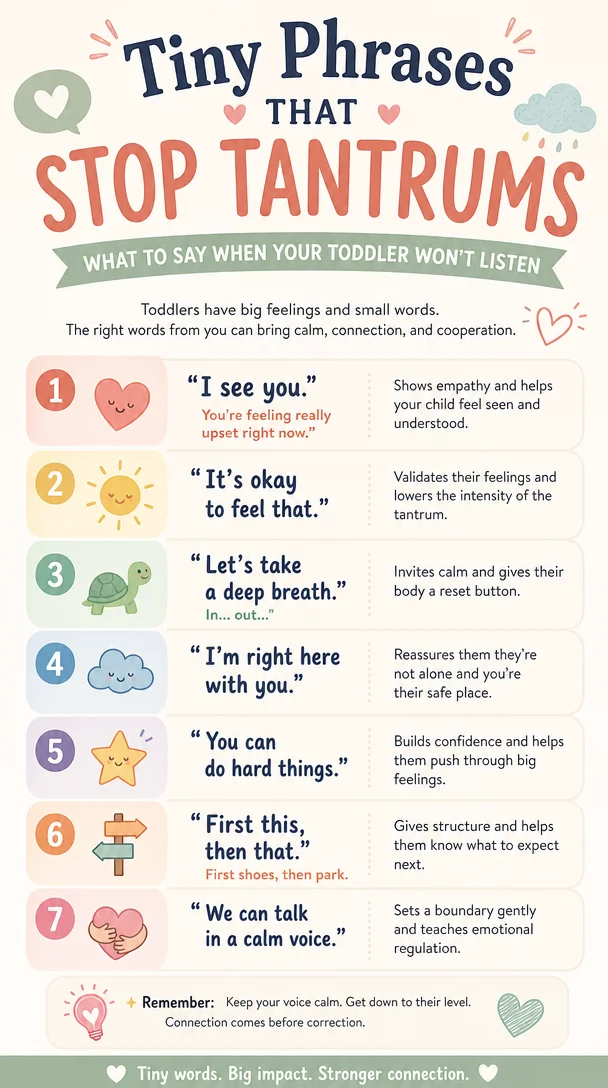
Tiny Phrases That Stop Tantrums: What to Say When Your Toddler Won’t Listen
What to Say When Your Child Won’t Listen: Stop Power Struggles Fast
Meta Description: Discover practical responses and scripts to help your child listen and reduce daily power struggles. Stop the tantrums and embrace peaceful parenting!
Introduction
We’ve all been there. It’s a sunny afternoon, and you’ve asked your little one to put away their toys for the fifth time. Instead of compliance, you get the classic toddler response: a loud “NO!” followed by a full-blown tantrum. Frustration builds as you find yourself caught in a power struggle. You try reasoning, bribing, or simply yelling, but nothing seems to work. In moments like these, it’s easy to feel overwhelmed, alone, and unsure of what to do next.
But here’s the truth: navigating our children’s behaviors doesn’t have to feel like a battle. Every child occasionally tunes out, and the good news is, there are effective ways to handle these situations without losing your cool or self-esteem. In this post, we’ll explore practical phrases to use when your child won’t listen and share strategies that can turn those power struggles into nurturing moments. Let’s dive in and find a bit of peace amidst the chaos!
Understanding the Root of the Issue
Why Won’t They Listen?
Before we jump into the scripts and responses, let’s take a moment to understand what might be happening in your child’s little world. Children often resist listening for several reasons:
-
Developmental Gaps: Toddlers and preschoolers are still developing their listening skills. They may hear you, but they aren’t always ready or able to respond appropriately.
-
Seeking Independence: As children grow, they crave autonomy. Saying “no” feels powerful to them, and they might use it to assert their independence.
-
Overstimulation: Sometimes, too much noise, activity, or chaos can overwhelm your child, making it hard for them to focus on what you’re saying.
-
Just Testing Boundaries: Children naturally test limits as a part of learning. They explore what happens when they push against rules and boundaries.
Recognizing these underlying reasons can shift our perspective and approach, allowing us to respond with more empathy.
Calm and Composed Responses: Your Go-To Scripts
Learning what to say when your child won’t listen can make all the difference. Here are some phrases and scripts that can help de-escalate the situation while making your child feel heard.
Offer Choices
Script: “You can choose to put your toys away now, or we can put them away in five minutes together. What do you want to do?”
By giving your child a sense of control, you empower them to make decisions while still guiding them toward the desired behavior.
Validate Their Feelings
Script: “I see you don’t want to stop playing. It’s hard to leave fun things behind. I understand.”
Sometimes all your child needs is to feel their emotions validated. When they feel heard, they may be more inclined to listen to what comes next.
Use Neutral Language
Script: “It’s time to get dressed. I will count to ten, and then I need you to be ready. Let’s see if we can make it fun!"
Neutral language can reduce pressure and allow your child to engage with you rather than against you. Setting a small, fun challenge adds a playful element.
Reinforce Positive Behavior
Script: “I loved how you put your shoes away when I asked! Thank you for being so helpful!”
Acknowledging their good behavior encourages them to repeat it. Kids thrive on praise, and small wins go a long way in building motivation.
Managing Tantrums: Tips to Create Calm
Create a Comfortable Exit Strategy
When you notice a tantrum brewing, consider having a designated calm-down spot. This could be a cozy corner with pillows and calming toys. You might say, “Let’s go to our calm spot for a minute. We can take deep breaths together!”
Keep a Calm Voice
Your tone matters! Use a calm and soothing voice regardless of the situation. “I see you’re upset. Let’s take a moment to breathe together.” It models emotional regulation and helps signal to your child that it’s okay to feel their feelings.
Introduce Visual Cues
Sometimes words alone aren’t enough. Using charts or visual timers can help communicate transitions. Try visual schedules that show what’s coming next.
Create Routines That Work
Establish Consistent Schedules
Children flourish with routine. When they know what to expect, they feel secure. Try incorporating consistent wake-up, play, and bedtime routines. “After lunch, we will have quiet time, then play outside for a bit.” This predictability can significantly reduce pushback.
Use a Timer for Play
If your child struggles with transitions, try setting a timer for playtime. “We have ten more minutes of blocks, then we’ll start our picture time.” This way, they feel in control of their time while preparing for the next activity.
Fun Activities for Connection
Screen-Free Ideas
Here’s a list of engaging, screen-free activities you can do together:
- Treasure Hunts: Hide items around the house for your child to find.
- Storytime Theater: Act out their favorite stories with different voices or props.
- Art Projects: Create seasonal crafts using simple materials.
Create a Family Board
Designate a space for family fun ideas. Each week, let your child choose an activity to do together, promoting participation and ownership.
Encouraging a Mindful Ending
At the end of the day, remember that parenting is a journey full of ups and downs. You might not get it all right, and that’s perfectly okay. By using these scripts and strategies, you embrace a more peaceful, constructive approach to parenting.
Celebrate the little moments, and remember: you’re doing an amazing job! Building strong connections and understanding your child’s needs can help you navigate even the stormiest moments.
Conclusion
Every time your child doesn’t listen, it presents a unique opportunity to learn and grow together. By choosing to respond with compassion rather than frustration, you can turn “power struggles” into moments of connection.
Stay kind to yourself as you find your rhythm. Remember, small changes can lead to big transformations in your parenting journey. You aren’t alone in these struggles, and with practice, you’ll find what works best for your family.
If you’re ready to take your parenting skills to the next level, don’t forget to check out my Exact Parenting Scripts When Nothing Works guide for ready-to-use phrases that can help reduce daily struggles. Together, we can navigate this beautiful journey of parenting with confidence and joy!
FAQ Section
Q: What should I do if my child keeps throwing tantrums?
A: Consistent responses, validation, and structured routines often help reduce tantrums. Try using the calm-down spot approach or visual cues.
Q: How do I stay calm during a meltdown?
A: Take deep breaths, maintain a calm tone, and remind yourself that this phase will pass. Use your calm energy to help regulate your child’s emotions.
Q: Can I use consequences for bad behavior?
A: Positive discipline focuses on teaching rather than punishing. It’s essential to guide them through their emotions rather than apply strict consequences.
Are you feeling inspired to tackle the next power struggle? Remember, every moment with your child is a chance to connect, learn, and grow together. Share these tips with other parents and let’s make parenting a little lighter, warmer, and infinitely more joyful!
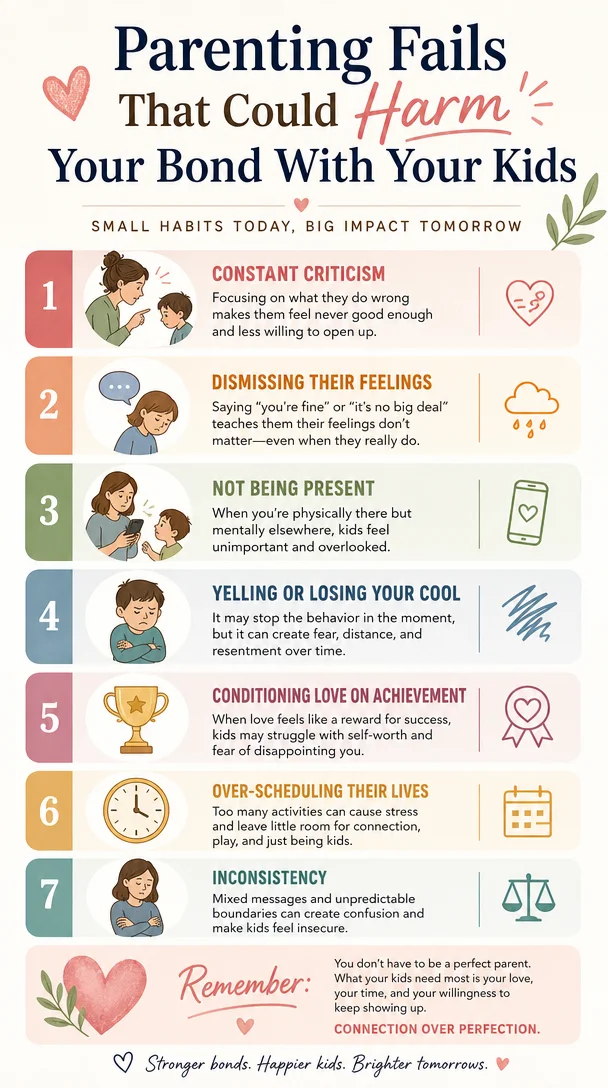
Parenting Fails That Could Harm Your Bond With Your Kids
3 Parent Fails That Could Negatively Affect Your Relationship With Your Kids – Words From The Bird
Meta Description
Discover common parenting pitfalls that can impact your connection with your kids. Learn positive strategies for nurturing healthy relationships and emotional well-being.
Introduction
As parents, we wear many hats. From chef and chauffeur to cheerleader and hug dispenser, our daily lives overflow with responsibilities. Yet, amid the chaos, we sometimes stumble in ways that can affect our relationships with our little ones. Maybe you snapped at your toddler during a stressful moment or forgot to engage during family dinner. These “parent fails,” while common, can leave lasting impressions on our children’s emotional health and our bonds with them.
But don’t worry! We all make mistakes. What matters most is recognizing them and taking steps toward positive change. Let’s dive into three common parent fails that could negatively affect your relationship with your kids and explore practical tips to mend and strengthen those connections.
H2: Parenting Fail #1: Losing Your Temper
H3: The Impact of Anger
We all have those days where our patience runs thin. Perhaps it’s the third time you’ve asked your child to put their shoes on, or maybe they’ve decided that today is the day to test every boundary. In these moments, losing your temper might feel unavoidable. But have you considered the emotional toll it takes on your child?
When parents raise their voices, kids often feel scared, confused, or neglected. They might internalize those moments, feeling they’re not good enough. This can impact their self-esteem and shape their understanding of emotions for years to come.
H3: How to Navigate Anger
Instead of immediate outbursts, try these strategies:
-
Breathe Before You React: When you feel anger bubbling, take a moment to breathe deeply. This simple action can give you the space to choose a more measured response. For example, if your child won’t eat their vegetables, take a beat, and say, “I feel frustrated, but let’s talk about why veggies are important.”
-
Model Emotional Regulation: Show your child how to express feelings healthily. Instead of snapping, consider saying, “I’m feeling really irritated right now, can we find a solution together?” By modeling emotion regulation, you teach your kids how to handle their feelings.
-
Use “I” Statements: When things get tense, using “I” statements can help keep the dialogue open and constructive. For example, instead of saying, “You never listen!” try, “I feel unheard when you don’t respond to my requests.”
H3: Engaging with Your Little Ones
When you find yourself feeling calmer, take some time to re-connect. Schedule regular family meetings or one-on-one time to discuss feelings and experiences, making sure to create a judgment-free space. Encourage your kids to share their thoughts with prompts like:
- “What was the best part of your day?”
- “How did you feel during that activity?”
H2: Parenting Fail #2: Overemphasizing Perfection
H3: The Pressure of Perfect Parenting
In today’s fast-paced digital world, it’s easy to feel the pressure to be the “perfect parent.” Do you scroll through social media and feel like you’re constantly falling short in comparisons? It’s tempting to strive for perfection, but this can create a cycle of stress, both for you and your child.
Children need to see that everyone makes mistakes and that it’s okay to learn from them. When they sense that perfection is the expectation, they may develop anxiety around disappointing you or avoid challenges altogether.
H3: Embracing Imperfection
Shift your mindset with these actionable steps:
-
Celebrate Small Wins: Recognize and affirm the little steps your child takes every day. Did they tie their shoes for the first time? Celebrate it! Acknowledgment plants seeds of confidence.
-
Share Your Own Mistakes: Openly discuss your mistakes with your children to create an environment where they feel safe to express their feelings. If you accidentally burn dinner, use it as a moment to highlight the beauty of trying new recipes and laughing it off together.
-
Create a “Mistakes Wall”: Turn your home into a reminder of growth by creating a wall where everyone can post their mistakes and learnings. The goal? To normalize the learning process. You could include sayings like, “Every mistake is a step toward success!”
H3: Encouraging Open Dialogue
Let your kids express their struggles without fear of judgment. Use conversation starters like:
- “What do you think is the funniest mistake you’ve made?”
- “Is there something you’re afraid to try? Let’s tackle it together!”
H2: Parenting Fail #3: Neglecting Emotional Needs
H3: Understanding Emotional Needs
Many parents unintentionally prioritize physical needs (like meals and bedtimes) over emotional ones. Children crave connection, affection, and validation. Ignoring their emotional needs can lead to feelings of isolation or lower self-worth.
H3: Tending to Emotional Needs
Foster emotional well-being with these strategies:
-
Dedicate Daily Connection Time: Make it a priority to carve out time each day for deep connection with your child. This could be as simple as a 10-minute chat during bedtime or an afternoon walk.
-
Ask Open-Ended Questions: Encourage your child to express their feelings. Questions like, “How did that make you feel?” or “What was the hardest part of your week?” can promote dialogue that strengthens bonds.
-
Use Positive Reinforcement: Offer praise for emotional expression. If your child shares something that’s troubling them, acknowledge their courage with phrases like, “I appreciate you sharing that with me; it’s important.”
H3: Creating an Emotionally Safe Space
To foster emotional safety, promote an atmosphere of empathy. Allow your kids to speak openly without interruptions. Show they can trust you with their feelings by responding thoughtfully and compassionately.
Encouraging Conclusion
Parenting is undeniably messy, and we all encounter moments where we could do better. The important thing is recognizing these pitfalls and taking steps to reshape our responses as we nurture our little ones. Remember, you’re doing the best you can, and every small change you make helps foster a loving, supportive environment for your kids.
Create connections through communication, embrace imperfections, and always strive to meet your child’s emotional needs. You’re not just raising kids; you’re cultivating a bond that will last a lifetime. So, let’s lean into this journey together, finding joy in the little moments, and above all, know that you are not alone in this adventure.
Let’s celebrate the beauty of imperfection and the magic of connection—one day at a time!
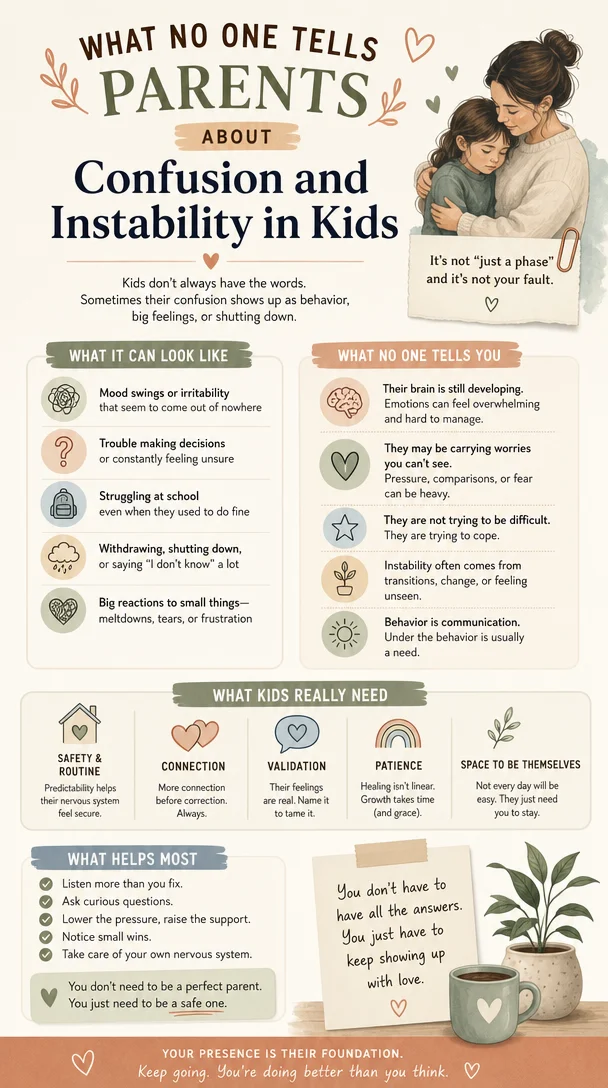
What No One Tells Parents About Confusion and Instability in Kids
How Parents Accidentally Cause Confusion and Instability for Kids (And How to Fix It)
Meta Description
Discover common parenting mistakes that confuse kids and create instability at home. Learn simple strategies to help build a smoother, more supportive family life.
Introduction
As parents, we navigate a delicate balance of love, discipline, and an endless to-do list. Sometimes, in the hustle and bustle of daily life, we might unintentionally confuse our little ones or create an environment that feels unstable. Yet, these moments don’t have to define our parenting journey. With a little awareness and some actionable steps, we can turn things around, making life a little clearer and a lot more joyful for our kids.
Let’s face it: parenting isn’t exactly a walk in the park. It’s more like a toddler-led marathon where the finish line keeps moving! But don’t worry — many parents make similar accidental mistakes. With empathy and encouragement, we can unpack how these missteps occur and, more importantly, how we can fix them.
Let’s dive into some common accidental parenting mistakes and explore ways to bring stability and clarity back into our homes.
Why Confusion Occurs and How It Affects Kids
Children thrive on routine and clear communication. When parents unintentionally create instability, whether through mixed messages or erratic schedules, kids can become confused, anxious, or even resistant.
The Impact of Mixed Messages
One of the biggest culprits of confusion is mixed messages. Imagine telling your toddler, “No snacks before dinner” one day and then allowing treats the next just because you’re tired. This inconsistency can leave your child feeling anxious and questioning which rules really matter.
Fix: Consistent Boundaries
To build a stable environment, parents need to set clear, consistent boundaries. Choose three main rules you want to enforce at home (like “no screens during dinner”). Stick to these rules as much as possible, but remain open to discussion. For example, if you need to change a rule temporarily because of a family event, explain it to your child. “Tonight, we’re having a party, and we can have dessert first! But tomorrow, we go back to no snacks before dinner.” This allows your child to understand that changes are exceptional, not the norm.
Routines Matter: Why Consistency Creates Comfort
Routines offer kids a sense of security. Changes in the routine can often create confusion and frustration.
Examples of an Effective Daily Routine
Here’s a simple daily routine that can make your mornings smoother and reduce chaos:
- 7:00 AM – Wake Up, Stretch, and Get Dressed
- 7:30 AM – Family Breakfast
- 8:00 AM – Brush Teeth and Gather School Stuff
- 8:30 AM – Outdoor Play before School
- 9:00 AM – Off to School
By sticking to this routine, your kids know what to expect, which makes mornings less stressful for everyone.
Fix: Establish a Visual Schedule
Create a visual schedule using pictures that represent each activity in your routine. Hang this on the wall where your kids can see it. This not only allows them to know what comes next but can also help them feel empowered as they check off each task.
The Importance of Emotionally Available Parenting
Emotional availability is crucial for nurturing a child’s mental health. When parents get caught up in their plans, they may inadvertently neglect their child’s emotional needs.
Real-Life Scenario
Consider a busy evening filled with chores, dinner prep, and phone calls. If your child approaches you with something they want to share, but you’re distracted and brush them off, they might feel ignored or invalidated. This can lead to feelings of instability in their relationship with you.
Fix: Create Dedicated Connection Time
Set aside “connection time” at least once a day. This could be during your evening routine or even after school. Ask open-ended questions that encourage conversation. For example, “What was the best part of your day?” This simple act of dedicating time shows your child that their thoughts and feelings are important to you!
Praise and Criticism: The Balance is Key
While it’s essential to celebrate accomplishments, it’s equally vital to provide constructive feedback instead of criticism.
Common Parenting Mistake: Overpraising
Overpraising by labeling behaviors as “always wonderful” can backfire. Kids might think they must be perfect to earn love, which can lead to anxiety.
Fix: Celebrate in Balance
Instead of saying, "You’re the best at art!" try something like, “I love the way you mixed those colors in your painting. You really made it unique!” This teaches children to value effort and creativity, not just achievement.
The Power of Positive Discipline
Using positive discipline techniques helps children learn from mistakes without causing feelings of instability. When discipline leads to understanding rather than punishment, kids can learn to better manage their behavior.
Practical Positive Discipline Tip
When a child misbehaves, rather than immediately resorting to a timeout, try asking, “What do you think you could have done differently?” This approach encourages accountability and gives them the tools to behave better next time.
Communication is a Two-Way Street
Communication is vital in a family. When parents assume they know what their kids are thinking or feeling, it can sow seeds of confusion.
Effective Strategies for Open Communication
- Use “I” Statements: Instead of saying, “You never listen,” try “I feel overwhelmed when I repeat myself.”
- Ask for Their Perspective: Invite your kids to share their thoughts by asking questions like, “What do you think about this rule?” This validates their feelings and shows them that their opinions matter.
Nurturing Emotional Development
Encouraging emotional intelligence in children sets them up for long-term success. Parents can accidentally hinder this development by dismissing feelings or not allowing children to express themselves.
Fix: Normalize Feelings
When kids express emotions, acknowledge them. If your child feels sad about a friend moving away, you could say, “It’s okay to feel sad. I feel sad when my friends leave, too.”
Activities to Foster Emotional Skills
- Feelings Charades: Have family members act out different feelings and have others guess what they are.
- Emotion Journals: Encourage kids to draw or write about their feelings, helping them identify and express emotions constructively.
Encouraging Independence While Providing Stability
Parents often feel stuck between wanting to nurture their child’s independence and ensuring they are stable and secure. Striking that balance can be a challenge.
Encouragement without Chaos
Allowing kids to do things independently – like dressing themselves or making simple meals – helps build self-confidence. But without guidance, they can feel overwhelmed.
Fix: Gradual Independence
Offer “jobs” that are manageable. For instance, if a child wants to make their lunch, start by showing them how to assemble a simple sandwich. Over time, encourage them to take on more responsibility. This way, kids build their independence while still relying on the stability you provide.
Family Bonding Through Shared Experiences
Amid the hustle of life, it’s vital to prioritize family bonding. Family activities can become chaotic when parents don’t set realistic expectations for fun.
Practical Ways to Bond and Create Stability
- Weekly Game Night: Choose one night a week to play board games—this fosters connection without the need for elaborate planning.
- Nature Walks: Go for a walk in your neighborhood or a nearby park. This informal setting encourages relaxed conversations.
Encouraging Self-Care for Parents
Finally, let’s not forget about self-care for you as a parent. Taking care of yourself ultimately leads to a more stable environment for your kids.
Self-Care Ideas
- Take a Daily Break: Dedicate 15 minutes to yourself daily, whether it’s sipping coffee in silence or enjoying a quick stroll outside.
- Connect with Other Parents: Join a parenting group or find friends to share experiences and support.
Conclusion
Parenting can be a beautiful chaos. But when we acknowledge our unintentional missteps, we empower ourselves to create a stable and nurturing environment for our children. Remember, it’s the consistent, small changes that foster significant impact.
As you explore this journey, know you are not alone — many parents face similar challenges. Celebrate your progress, and be gentle with yourself. Every moment you choose to connect, communicate, and create stability brightens your family life.
Now grab that warm coffee, take a deep breath, and embrace the little moments — all those tiny victories add up. Together, we can navigate the complexities of parenting, making those "messy" moments a bit more manageable and filled with love.
FAQ Section
1. How do I know if I’m confusing my child?
Look for signs of frustration or anxiety. If your child seems unsure of what’s expected, you may need to clarify your messages.
2. What practical steps can I take to improve communication?
Use open-ended questions, validate their feelings, and actively listen without interruptions. This fosters a more open dialogue.
3. How can I create a routine that works for my family?
Start small by implementing a few core elements and gradually expand as your family adjusts. Gather everyone’s input to make the routine feel collaborative and enjoyable.
4. What if I change my mind about a rule?
It’s okay to change rules occasionally, but communicate why to your kids. This helps them understand that rules can be flexible when necessary.
5. How important is self-care for parents?
Self-care is vital for your well-being and ability to parent effectively. By taking care of yourself, you enhance your ability to provide a stable, nurturing environment for your children.
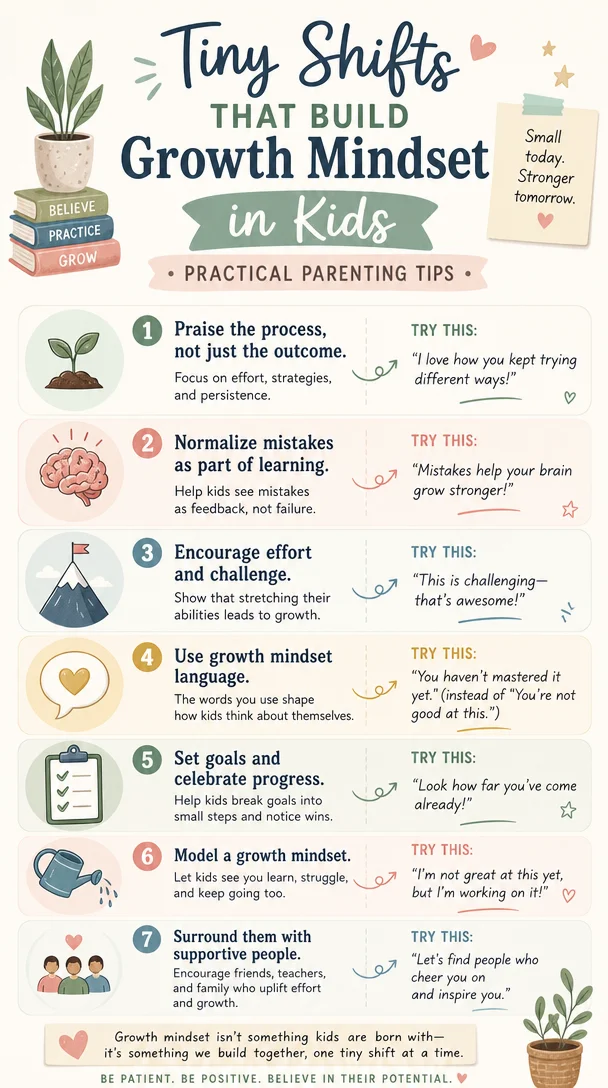
Tiny Shifts That Build Growth Mindset in Kids: Practical Parenting Tips
Parenting with a Growth Mindset: Gentle Tips for Raising Resilient Kids
Meta Description: Discover growth mindset parenting tips to raise happy, resilient kids. Transform parenting worries into confidence with these gentle, actionable strategies.
Introduction
As parents, we all want our children to thrive, don’t we? We dream of watching them grow into happy, resilient adults who can tackle challenges with confidence. But sometimes, it feels like we’re caught in the whirlwind of everyday parenting struggles, unsure of how to empower our little ones. If you’ve ever found yourself worrying that your child might adopt a “poor me” attitude or feel overwhelmed by setbacks, you’re not alone.
Imagine this: your child faces a challenging task, perhaps trying to tie their shoes for the first time. Instead of feeling defeated and ready to give up, they take a deep breath, gather their thoughts, and try again. Yes! That’s the essence of a growth mindset. This mindset doesn’t come naturally to everyone, but you can help nurture it. With a few gentle tweaks in how we respond to our children’s challenges, we can lead them toward resilience and happiness.
In this blog post, we’ll explore five simple changes you can make today to encourage a growth mindset in your kids. Let’s dive in and discover how we can empower our kids to embrace challenges and grow through their experiences!
Understanding the Growth Mindset
What is a Growth Mindset?
A growth mindset is the belief that abilities and intelligence can be developed through dedication and hard work. This understanding fosters a love for learning and resilience, making children more willing to take on challenges.
On the other hand, kids with a fixed mindset often feel trapped by their perceived limitations. They might think, “I can’t do this” or “I’m just not good at that.” By shifting our parenting approaches, we can guide our children toward a more adaptive mindset.
Why is it Important?
Raising children with a growth mindset can provide them with tools to navigate life’s ups and downs, from school assignments to friendship struggles. Children who embrace this mindset tend to bounce back from failures, demonstrate a greater passion for learning, and develop stronger emotional resilience.
Five Gentle Parenting Changes to Foster a Growth Mindset
Ready to make a difference? Here are five effective yet gentle changes you can incorporate into your parenting style that will help sow the seeds of a growth mindset in your little ones.
1. Shift the Focus from Failure to Learning
When our kids face obstacles, they often hear us react to failures or mistakes. Instead of asking, “What went wrong?” try reframing your conversations to emphasize learning.
Example: If your child didn’t score well on a quiz, say something like, “What did you learn from that quiz? Were there any questions that surprised you? Let’s revisit them together!”
Focusing on learning rather than simply the outcome conveys that it’s okay to stumble on the path to success. Remind them that mistakes are just stepping stones toward greater understanding.
2. Celebrate Efforts, Not Just Achievements
As parents, we become so proud the moment we witness our children achieving something great. Yet, it’s just as crucial to recognize the process they went through to get there. Celebrating effort instills a growth-oriented mindset.
Practical Tip: Create a family “effort chart” where you can jot down instances of persistence. Big or small, every effort counts! Whether your child tried a new sport or practiced reading aloud—all those attempts deserve recognition.
Every time you highlight their effort, you strengthen their belief that perseverance leads to success.
3. Model a Growth Mindset in Your Own Life
Children learn by observing us. When they see us challenge ourselves and embrace new experiences, they are more likely to do the same.
Example Conversation: Share your own struggles. If you’re learning to cook a new recipe, talk about the mistakes you’ve made and how you learned from them. You might say, “I burned dinner last night, but I figured out what went wrong. Next time, I’ll set a timer!”
By exposing them to your learning process, you grant permission for them to be a work in progress too.
4. Encourage Problem-Solving
When your child encounters a roadblock, resist the urge to swoop in and solve it for them. Instead, prompt them to brainstorm solutions. This practice not only boosts their problem-solving skills but also cultivates independence.
Helpful Technique: Use open-ended questions that guide them without giving away the answer. For example, ask, “What are some ways you think you could tackle this challenge? Have you tried anything different?”
Encouraging self-reflection provides them with a sense of agency and empowers them to find their own answers.
5. Foster Mindfulness and Self-Compassion
Teaching mindfulness helps children develop awareness of their thoughts and feelings, which plays a crucial role in fostering resilience. Mindfulness practices, such as deep breathing and meditation, can help your child stay centered when faced with challenges.
Quick Activity: Try a simple breathing exercise with your child. Sit together, close your eyes, and take ten deep breaths while counting together. This calm-down moment can build emotional awareness.
Coupling this with self-compassion means teaching them to be kind to themselves during tough situations. Remind them, “It’s okay to feel overwhelmed sometimes. What matters is how we choose to respond!”
Bringing It All Together: Actionable Tips
There you have it! Five gentle yet impactful strategies to help your children cultivate a growth mindset. Here’s a quick summary of actionable tips:
- Focus on Learning: Encourage conversations about what they learned from mistakes.
- Celebrate Efforts: Create an “effort chart” to track persistence and effort, not just results.
- Model Growth: Share your own challenges and learning experiences openly.
- Encourage Problem-Solving: Ask guiding questions to foster independence and critical thinking.
- Practice Mindfulness & Self-Compassion: Incorporate mindfulness exercises and encourage self-kindness when facing challenges.
Encouraging Conclusion
Navigating the beautiful chaos of parenting isn’t always easy, but you have the power to enrich your child’s life with these simple yet profound changes. Remember, cultivating a growth mindset in our children doesn’t happen overnight; it takes patience, empathy, and a sprinkle of persistence.
As you embark on this journey, remind yourself that small efforts will create lasting impacts. You’re paving the way for your children to embrace challenges, learn from setbacks, and ultimately grow into the resilient, happy adults you imagine.
So lean into these gentle parenting practices, and know that every little moment spent nurturing a growth mindset is a moment well invested. You’ve got this, and you’re not alone in this adventure. Here’s to raising a new generation of confident, resilient kids—one mindful moment at a time!
FAQ Section
Q: What is a growth mindset?
A: A growth mindset is the belief that abilities and intelligence can be developed through learning and effort.
Q: How can I encourage my child to have a growth mindset?
A: Use the strategies above—focus on learning from failures, celebrate efforts, model growth, encourage problem-solving, and foster mindfulness.
Q: Is it possible to change a child’s fixed mindset into a growth mindset?
A: Yes! By making small, consistent changes in how you respond to their challenges, you can help them develop a more resilient and adaptive mindset.
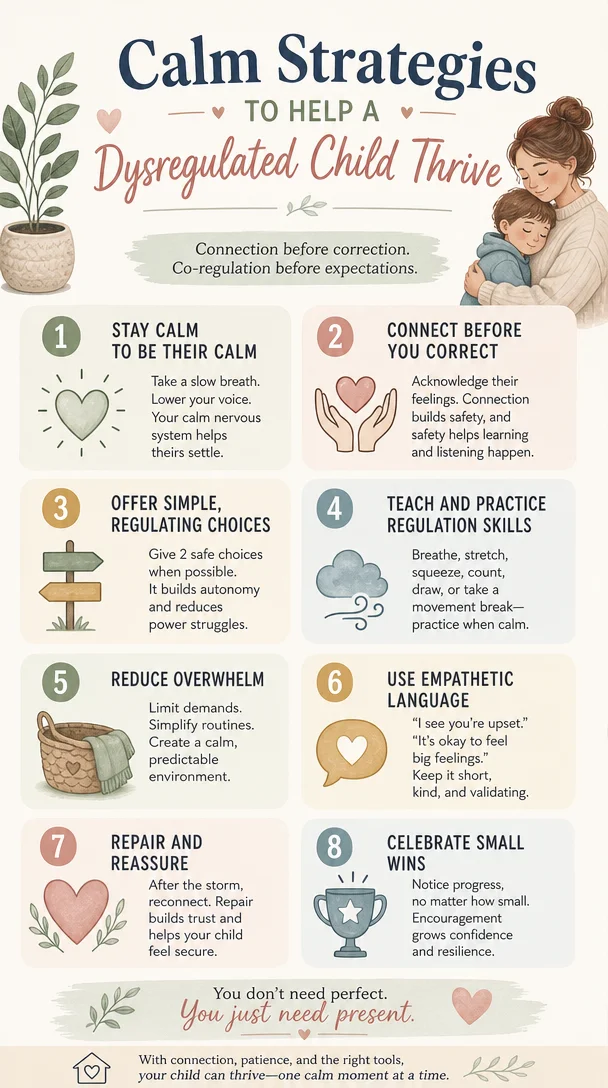
Calm Strategies to Help a Dysregulated Child Thrive
How to Help a Dysregulated Child: 9 Calm Strategies That Work
Meta Description: Discover 9 effective strategies to support a dysregulated child. Practical parenting tips that help create calm moments and emotional connection.
Introduction
Every parent has those days when their little ones seem to be caught in a whirlwind of emotions. One moment, they’re giggling over a game, and the next, they’re overwhelmed by frustration or sadness. If you’ve ever found yourself wondering how to help a dysregulated child, know that you’re not alone. Navigating the ups and downs of toddler emotions can feel like an emotional rollercoaster!
But guess what? It doesn’t have to be overwhelming. By learning a few calm strategies and connecting with your child in those tough moments, you can create a soothing environment that fosters emotional regulation and connection. In this article, I’ll share nine effective approaches to help you support your dysregulated little one.
Let’s take this journey together, sharing our struggles and victories as we learn how to nurture our kids’ emotional well-being.
Understanding Emotional Dysregulation in Kids
Before diving into strategies, let’s take a moment to understand what dysregulation really means. Kids experience big feelings, and sometimes those feelings can spiral out of control. A tantrum, sudden tears, or aggressive behavior often stem from overwhelming emotions, fatigue, hunger, or even the inability to express their needs effectively.
As parents, it’s essential to remember that these moments are not a reflection of failure but an opportunity to guide our children through the chaos. Here are nine calm strategies to help you—and your child—find more balance during these challenging times.
1. Create a Safe Space for Expression
H3: Why This Works
Kids need to feel safe expressing their emotions without fear of judgment. By providing a calm and welcoming environment, you encourage them to share their feelings openly.
H3: How to Do It
Set up a cozy corner in your home with pillows, soft lighting, and a few comforting items like stuffed animals or favorite books. When your child feels overwhelmed, invite them to this space. Use gentle prompts like, “Let’s go to our cozy corner and talk,” to help them transition to a safe space.
2. Practice Deep Breathing Together
H3: Why This Works
Deep breathing helps kids calm their nervous system and regain control over their emotions. It’s a technique they can use throughout their lives.
H3: How to Do It
Turn deep breathing into a fun game! Try the “bubble breathing” method: Pretend to blow bubbles as you inhale deeply and exhale slowly. You can say, “Inhale the smell of yummy cookies, and then let’s blow big bubbles!” This creates a playful moment, easing tension and promoting calmness.
3. Use Visual Aids for Emotions
H3: Why This Works
Sometimes kids struggle to articulate their feelings. Visual aids help them understand and express their emotions better, offering a sense of validation.
H3: How to Do It
Create an emotion chart filled with faces representing different feelings (happy, sad, angry, etc.). You can even personalize it with your child’s drawings! When they seem upset, gently ask, “Which one are you feeling right now?” This encourages open conversations about their emotions without the pressure.
4. Establish Consistent Routines
H3: Why This Works
Kids thrive on predictability. Having a consistent daily routine helps them know what to expect, reducing anxiety and emotional outbursts.
H3: How to Do It
Map out your daily routine with your child, including mealtimes, playtimes, and quiet times. Use a colorful chart or a digital calendar with visual icons. Share it with them, and refer back to it whenever you sense their emotions rising, saying, “I think we should move to our quiet time now!”
5. Encourage Physical Activity
H3: Why This Works
Physical movement releases pent-up energy and frustrations, leading to emotional relief and calmness.
H3: How to Do It
Incorporate regular physical activities into your daily routine, like family walks, dance parties in the living room, or obstacle courses in the backyard. You can say, “Let’s run like we’re superheroes!” to turn movement into an exciting challenge.
6. Offer Comfort Items
H3: Why This Works
Comfort items can provide a sense of security during dysregulation, helping kids regain their composure.
H3: How to Do It
Encourage your child to choose a beloved stuffed animal, blanket, or fidget toy—something they can hold onto when feelings overwhelm them. You might say, “Would you like to hold Mr. Bear while we talk about what’s wrong?”
7. Use Positive Reinforcements
H3: Why This Works
Acknowledging and celebrating small victories can create a more positive environment and motivate your child to regulate their emotions.
H3: How to Do It
When your child manages to express their feelings or calm down after a challenge, offer praise and encouragement: “I’m so proud of you for telling me how you feel! You did such a great job!” This recognition fuels their self-esteem and willingness to communicate in the future.
8. Implement a Calm Down Routine
H3: Why This Works
A clear routine for calming down empowers children to take ownership of their emotions and navigate difficult moments.
H3: How to Do It
Together, come up with a “Calm Down Plan.” It could include a combination of deep breaths, hugging a stuffed animal, or drawing pictures. Share the routine with them, making it a fun and collaborative plan: “What do you think will help you calm down when you feel mad?”
9. Validate Their Feelings
H3: Why This Works
Simply acknowledging your child’s feelings reinforces that their emotions are valid and helps them to feel understood.
H3: How to Do It
When they express frustration or sadness, say things like, “I see you’re really upset right now. It’s okay to feel that way.” By legitimizing their feelings, you build a strong emotional bond and assist them in moving through their dysregulation.
Helpful Tips to Keep in Mind
- Stay Calm Yourself: Your emotional state directly impacts your child’s feelings. Breathe deeply and maintain composure during challenging moments.
- Be Present: Put away distractions and focus solely on your child when they need you. That special one-on-one time can make all the difference.
- Use Books and Stories: Incorporate storytelling to illustrate emotions. Discuss characters in their favorite stories, asking how they might feel in specific situations.
Conclusion
Helping a dysregulated child doesn’t have to be an uphill battle. With these nine strategies, you can create a nurturing and calm environment where your child feels understood and empowered. Every small step you take contributes to their emotional growth and confidence.
Remember, parenting is a journey filled with ups and downs. You are doing an amazing job, even on the hardest days. Keep celebrating those small wins, and know that every effort makes a difference. Grab your child’s hand, remind them they’re not alone, and walk this path of emotional understanding together. You’ve got this!
Optional FAQ Section
Q: What if my child doesn’t respond to these strategies?
That’s okay! Every child is unique. Try to experiment with different strategies and stay patient as you discover what works best for your child.
Q: How can I model emotional regulation for my child?
Talk freely about your feelings and how you manage them. Use your moments of dysregulation as teaching opportunities, explaining how you calm down and move forward.
Q: Are there resources for further learning?
Absolutely! Consider books on gentle parenting, emotional intelligence, or child development to deepen your understanding and skills.
Save this for later 📌 Practical parenting tips backed by child development research. More at monstie.ink #ParentingTips #GentleParenting #ChildDevelopment #MindfulParenting