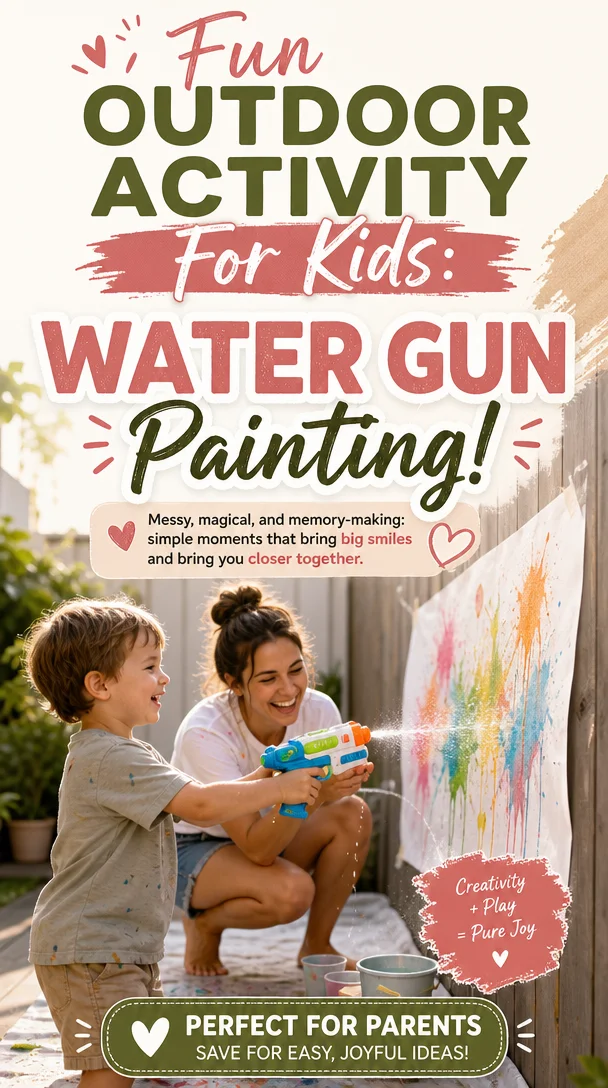
Fun Outdoor Activity For Kids: Water Gun Painting!
Water Gun Painting: A Refreshing Fun Outdoor Activity for Kids
Meta Description
Transform your summer days with water gun painting! This engaging outdoor activity encourages creativity while getting kids active outside.
Introduction
Summer days can sometimes stretch out endlessly when the kids are home, and those TV marathons or video game sessions can start to wear thin. As parents, we all know the struggle of keeping our little ones engaged while finding activities that spark their creativity. Here’s a fun idea that blends play and art — water gun painting!
Picture this: Sunshine dapples the backyard as your kids transform into little artists, armed with colorful water guns and the freedom to express themselves. Not only does this activity unleash creativity, but it also provides an exciting outlet for energy, encouraging children to run, laugh, and play around the yard while enjoying the great outdoors. Let’s dive into this vibrant world of water gun painting and explore how to make the most out of it with your little ones.
Why Water Gun Painting?
Water gun painting combines the joy of outdoor play with the thrill of artistic expression. It brings together the thrill of splashing colors and the satisfaction of creating something unique. Here are a few reasons why you should give this activity a try:
- Encourages Creativity: Kids get to explore different colors and techniques, fostering their artistic skills.
- Promotes Physical Activity: Running around to aim their shots helps kids burn off excess energy.
- Sensory Fun: The squishy, wet sensation of paint and water stimulates their senses.
- Quality Time: It’s a fantastic way for families to bond and create joyful memories together.
Now that you’re ready to embrace the fun, let’s go over how to set up this exciting activity.
How to Set Up Water Gun Painting
Gather Your Supplies
Getting everything ready is half the fun! Check out this simple list of what you’ll need:
Materials:
- Plastic Water Guns: You can find these at any dollar store or online. Choose ones with adjustable nozzles for different spray effects!
- Washable Paint: Opt for non-toxic, washable paint to ensure an easy cleanup. Consider picking a few vibrant colors to spark creativity.
- Water Color Paper: Large sheets work best. If you don’t have water color paper on hand, older cardboard boxes also work great!
- Water Bucket: To mix your paint with water.
- Old Clothes or Smocks: Painting can get messy, so protect your kids’ clothing with some old shirts or smocks.
- Sun Protection: Remember sunscreen and hats to keep your little artists safe from the sun.
Setting the Scene
Choose a sunny spot in your yard or park for the painting, ensuring it’s easy to clean up afterward. Lay down a tarp or plastic sheet to protect the ground from splashes and paint spills. You’re now ready for the colorful creativity to unfold!
Getting Started with Water Gun Painting
Fill the Water Guns
Start by mixing the washable paint with water in your bucket. Aim for a 1:1 ratio to keep the color vibrant but thin enough to spray out of the water guns easily. Once mixed, use a funnel (or a homemade paper cone) to fill the water guns.
Let the Fun Begin!
Gather your kiddos, explain the activity, and encourage them to aim and fire! Set some ground rules such as keeping the paint in the designated area and no aiming at each other (unless it’s a friendly splash!).
Creativity Rules!
Encourage your little ones to experiment with colors, blending, and patterns. They can create abstract art, fun designs, or even use stencils to guide their artistic expressions.
Incorporate Learning
To make the experience even richer, turn it into a learning opportunity by discussing colors, mixing them to create new shades, or even talking about the process of making art. Every splash can be a learning moment!
Tips for Making Water Gun Painting Even More Fun
1. Add Music
Set the mood by playing some upbeat music. A little background soundtrack can keep the energy high and the spirits even higher.
2. Create Themes
Turn your painting session into themed fun. For example, have a “nature day” where kids can paint flowers, trees, or animals. This could spark conversations about nature while enhancing their creativity.
3. Challenge Each Other
Introduce fun challenges such as creating the biggest splash or using only one color. Who can create the coolest abstract design? This adds an element of friendly competition.
4. Involve the Neighborhood
Invite other families to join in! Hosting a little backyard art party can enhance social skills and offer a great opportunity for parents to connect.
5. Capture the Moment
Don’t forget to take pictures! Document the fun and creativity so you can cherish the memories. Consider creating a scrapbook or a family art gallery later on.
6. Art Exhibition
At the end of the session, take time to display the finished masterpieces. You could even hold a friendly “art review” where each child talks about their artwork.
Encouraging Creativity Beyond the Backyard
While water gun painting is an excellent summer activity, you can keep the creative momentum going all year long. Here are a few simple ideas to explore:
- Finger Painting: Great for toddlers and preschoolers, messy art allows full exploration of textures.
- Nature Collages: Collect leaves, flowers, and twigs to glue onto paper for beautiful, natural art.
- Chalk Art: When the sun sets, let your kids create colorful chalk murals on the driveway.
- Paint and Play: Try painting with unconventional tools like sponges, brushes, or even veggies.
These activities not only provide artistic outlets but also deepen your connection with your kids while fostering their creativity.
Encouraging Self-Expression and Emotional Development
As parents, we want our kids to feel free expressing themselves while building their confidence. Art, in whatever form, provides this avenue. Children often experience emotions that they may not know how to articulate. Art allows them to express feelings that can’t always be put into words.
The Benefits of Expression Through Art:
- Emotional Outlet: Art offers children a way to process their emotions, be it joy, frustration, or sadness.
- Confidence Building: Completing a project and witnessing their efforts come to life boosts their self-esteem.
- Creative Problem Solving: Working through challenges, even in art, teaches kids to think critically and find solutions.
Wrapping It Up: Creating Joyful Memories Together
At the end of the day, the goal of activities like water gun painting isn’t just to create masterpieces, but also to create joyful memories. These are the moments your kids will cherish as they grow — the laughter, the creativity, and the love shared between family.
Whenever the days feel long and the summer heat wears on, remember that these simple, little moments can make a significant impact not just on your child’s development but also on your family bond. So grab those water guns, invite some friends, and create beautiful, messy, joyful memories this summer.
You got this, and remember — parenting is about embracing the chaos and finding joy in every little moment.
FAQ Section
Q1: Is water gun painting easy to clean up?
Absolutely! Since you use washable paint, most of it comes off easily with water. Just spray down the area with a hose afterward, and everything should wash away nicely.
Q2: What age group is water gun painting suitable for?
Kids of all ages can enjoy water gun painting. For younger kiddos, you can even use smaller squirt bottles if they find water guns challenging.
Q3: How long does this activity last?
Depending on the kids’ interest and energy levels, water gun painting can last anywhere from 30 minutes to a couple of hours. Be ready for some giggles and creative outbursts!
By making memories through activities like these, you introduce creativity and fun into everyday life. So take a deep breath, dive into summer with your kids, and paint the world bright!
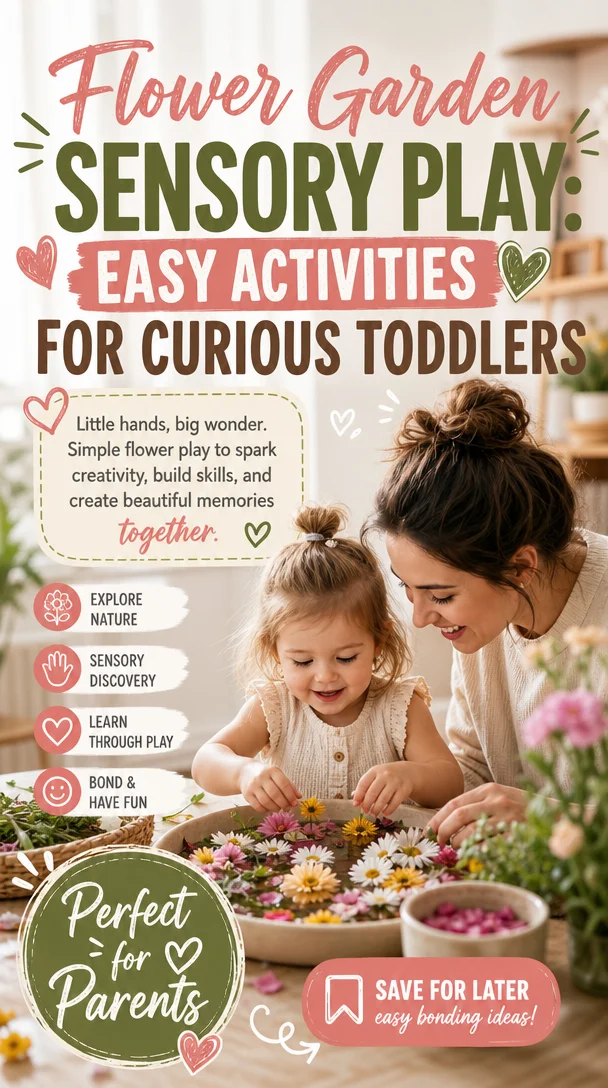
Flower Garden Sensory Play: Easy Activities for Curious Toddlers
Create a Vibrant Flower Garden Sensory Play Experience for Your Kids
Meta Description:
Discover the joy of a Flower Garden Sensory Bin! This engaging sensory play idea promotes creativity and development while providing an easy, fun activity for your toddlers.
Introduction
Do you ever feel like your little ones are brimming with energy, eager to explore every corner of your home? I get it! As a parent, those moments can feel both magical and overwhelming. But fear not! Engaging your child in creative play can turn that energy into a delightful experience. Today, let’s dive into a fun and easy sensory play idea that will keep their curiosity alive while fostering creativity: the Flower Garden Sensory Bin!
Imagine the joy of watching your child’s face light up as they dive into a world of colors, textures, and the joys of gardening—all from the comfort of your living room or backyard. This sensory bin not only captivates their imagination but also enhances their fine motor skills, encourages language development, and provides a fabulous opportunity for you to bond. So grab your supplies, and let’s get started on creating a beautiful garden without the muddy shoes!
What is a Sensory Bin?
Before we plant our gardening seeds, let’s quickly discuss what a sensory bin is, in case you’re new to this concept. A sensory bin is a container filled with materials that stimulate a child’s senses. It allows for open-ended play, where kids can explore, discover, and learn at their own pace. With a mix of tactile elements and creative themes—like our Flower Garden—you can transform any ordinary day into an extraordinary adventure of learning and discovery.
Setting Up Your Flower Garden Sensory Bin
Creating a Flower Garden Sensory Bin is an enjoyable activity you can do together with your children. Not only does it foster their engaging exploration, but it also allows them to connect with nature in a playful way. Here’s what you’ll need to set up your sensory garden:
Supplies Needed
-
Base Materials:
- A large plastic tub or bin (I love using clear bins so the kids can see the contents!)
- Kinetic sand or potting soil for a realistic gardening feel
- Rice, or even dried beans for added texture
-
Flower Supplies:
- Artificial flowers (think colorful blooms in various sizes)
- Small gardening tools (toy spades, rakes, watering cans)
- Pots for planting (you can even use recycled containers or cups)
- Natural elements (pine cones, pebbles, or real leaves)
-
Decorative Touches:
- Gardening gloves for your little ones (they’ll love wearing them!)
- Colorful bowls or scoops for sorting and playing
- Optional: Bug figurines or butterflies for added fun!
How to Assemble the Bin
-
Start with the Base: Pour the kinetic sand or potting soil into the bin. Spread it out evenly to create a gardening playground.
-
Add the Flowers: Place the artificial flowers strategically around the bin. Let your kids decide where each flower goes!
-
Incorporate Tools & Accessories: Scatter the gardening tools and pots throughout the sensory bin. This invites your child to engage in pretend play—“Let’s plant flowers!” “I need a watering can!”
-
Get Creative: Drop in some natural elements, like pebbles and leaves, to enhance the sensory experience and spark imagination.
-
Time to Play: Invite your child to explore. Allow them to dig, plant, water, and create their own floral masterpiece.
Engaging Activities with Your Flower Garden Sensory Bin
Your Flower Garden Sensory Bin serves as more than just a fun activity—it’s a multifaceted learning experience! Here are some ways to bring more depth to your child’s playtime:
1. Counting Flowers:
Encourage your little ones to count their flowers, pots, or gardening tools. Use this as an opportunity to practice counting together, or even introduce simple math concepts like addition and subtraction.
2. Talk About Colors and Shapes:
Engage your child’s imagination by discussing the colors of the flowers. Ask them to sort the flowers by color or shape, enhancing their language skills. For example, “Which flower is the biggest?” or “Can you find the purple flower?”
3. Role Play:
Tap into their imaginative side by role-playing as gardeners. Take turns from planting to watering, and even selling flowers! Dialogue like, “I’m planting a sunflower! What will you plant?” encourages creativity and communication.
4. Sensory Exploration:
Discuss the textures and scents they experience. Touch the sand, feel the smooth plastic flowers, and smell the fresh air. This encourages sensory awareness and vocabulary development.
5. Storytime Connection:
Create stories around their experiences. Ask, “What happens to the flowers if they don’t get water?” This activates their critical thinking and creativity.
Practical Tips for a Successful Sensory Play Experience
As you embark on this engaging sensory journey, here are a few practical tips to keep in mind:
-
Set Up Outside (If Possible): If you can, consider setting up the sensory bin outdoors. This not only allows for easier clean-up but also connects your little one directly to nature.
-
Control the Mess: Keep a dustpan and broom handy for easy cleanup afterwards. Sometimes the mess adds to the fun!
-
Supervise Closely: While sensory experiences are a great opportunity for independent play, always keep a close eye to ensure safe play.
-
Be Prepared for Questions: Your child’s curiosity will likely lead to a myriad of questions. Prepare yourself to engage in meaningful conversations about gardening, nature, and the world around them.
-
Rotate Materials: Change out some supplies every few weeks to keep the activity fresh and exciting.
Celebrating Small Wins in Sensory Play
Remember, the goal of sensory play is not just to entertain but to create meaningful moments. Celebrate the small wins: their first plant, their courage to explore new textures, or simply seeing the joy on their face. Every little step matters in building confidence and curiosity in your child.
Here’s a quick tip: take photos during their play! Capturing these moments not only preserves memories but also allows you to reflect on how they’ve grown, both in skills and confidence.
Encouraging Conclusion
As you and your child dig into this Flower Garden Sensory Bin, know that you are fostering their development in a fun, engaging way. Remember, parenting isn’t about being perfect — it’s about creating loving, learning experiences. Allowing your child the freedom to explore, observe, and play nurtures their imagination and fuels their sense of wonder.
So, what are you waiting for? Grab those supplies and watch as your little one blossoms into a joyful gardener! These small moments can offer big opportunities for connection, so lean into the fun and enjoy every second.
Optional FAQ Section
Q: How long can we keep the sensory bin active?
A: As long as you maintain the materials, the sensory bin can stay active for weeks! Just remember to periodically clean and check for any signs of wear.
Q: Can I tailor this idea for older kids?
A: Absolutely! Introduce more complex concepts like plant care, seed germination, or even discussions on ecosystems for older children.
Q: What if my child doesn’t seem interested?
A: Engage them by demonstrating the first few steps of play, or involve them in the setup process. Sometimes, the excitement comes from being part of the creation!
Invite your little ones into the magic of gardening with this Flower Garden Sensory Bin. Enjoy the laughter, the learning, and the beautiful chaos that comes with it! Happy parenting! 🌼

Atividade sensorial INCRÍVEL é tão simples para fazer com a criançada!
Incredible Sensory Activities So Simple to Do with Your Kids!
Meta Description: Discover simple and engaging sensory activities that your little ones will adore! Explore practical tips and ideas to enrich your parenting journey.
Hey there, wonderful parents! 🌼 Today, I want to share something that’s perfect for your family’s bonding time and super easy to do. If you’re searching for incredible sensory activities that will keep your kids engaged while offering a world of learning and fun, you’re in the right place!
I know how hectic parenting can get. The chaos of juggling chores, meals, and everything else can sometimes leave us feeling a little overwhelmed. But here’s a cheerful thought: sensory activities can not only provide a much-needed pause but also create beautiful moments of connection with your little ones.
Imagine watching your child’s eyes light up as they explore different textures, colors, and scents. You’re not just keeping them entertained; you’re nurturing their curiosity and creativity, too! And trust me, they will love it just as much as we do! 😍
So grab a seat, cozy up, and let’s dive into some fantastic sensory activity ideas that you can whip up in no time.
Why Sensory Activities Matter
Before we jump into the fun, let’s chat about why sensory play is so beneficial for our kiddos. Sensory activities are not just about fun; they play a crucial role in your child’s development. These activities:
- Enhance Cognitive Skills: Through exploration, children learn to make connections between different sensory inputs and develop critical thinking skills.
- Promote Emotional Regulation: Engaging with sensory play can help children express their emotions and manage stress.
- Boost Motor Skills: Many sensory activities encourage kids to use their hands and fingers in creative ways, fine-tuning their motor skills as they play.
- Encourage Creativity: Working with different materials and ideas sparks imagination and originality in your little ones.
Isn’t it reassuring to know that play can be such a powerful tool in our parenting toolbox?
Exciting Sensory Activities to Try
Now, let’s explore some incredible sensory activities that you can easily implement at home. Get ready, because these ideas are not only simple but also guaranteed to be a hit with the kids!
1. Rainbow Rice Bin
What You Need:
- 2 cups of white rice
- Food coloring
- Ziplock bags
- A large bin or tray
- Scoops, spoons, and small toys (optional)
How To Do It:
-
Color the Rice: Divide the rice into ziplock bags and add a few drops of food coloring to each bag. Seal the bags and shake to mix the color. Let it dry for a bit.
-
Set Up the Bin: Pour the colored rice into a large bin or tray. This creates a beautiful rainbow effect that kids will love!
-
Engage: Provide scoops, spoons, and little toys for digging and playing. Let your kids explore the textures and colors as they create, discover, and enjoy.
Why They’ll Love It:
The tactile experience of playing with rice not only entertains but also helps children learn about colors and sorting. Plus, it’s incredibly satisfying to pour and scoop!
2. DIY Sensory Bags
What You Need:
- Clear ziplock bags
- Hair gel or liquid soap
- Small items (buttons, beads, glitter, or googly eyes)
How To Do It:
-
Fill the Bags: Pour hair gel or liquid soap into a ziplock bag. Add in the small items for your child to find and explore.
-
Seal and Tape: Seal the bag tightly and tape it to an easily reachable surface.
-
Explore: Let your little one squish and move the items around within the bag.
Why They’ll Love It:
Sensory bags are squishy, messy free, and oh-so-fun! They stimulate curiosity while promoting sensory exploration.
3. Nature Sensory Box
What You Need:
- A shallow box or container
- Various nature items (leaves, flowers, pebbles, twigs)
How To Do It:
-
Gathering Supplies: Go for a nature walk with your kids. Collect leaves, flowers, smooth pebbles, and interesting twigs.
-
Create the Box: Place all the collected items in the shallow box or container.
-
Sensory Play: Encourage your kids to touch, smell, and arrange the items. You can even discuss their colors and shapes.
Why They’ll Love It:
Engaging with nature is a wonderful way for kids to connect with the world around them. Plus, it’s free and promotes outdoor exploration!
4. Cloud Dough Fun
What You Need:
- 8 cups of flour
- 1 cup of baby oil
- Food coloring (optional)
How To Do It:
-
Mix Ingredients: In a large bowl, combine the flour and baby oil. Mix until you create a dough-like consistency.
-
Add Color: If you’d like, add a few drops of food coloring and mix well to incorporate.
-
Playtime: Let your kids create shapes, sculptures, and more with the soft, moldable dough.
Why They’ll Love It:
Cloud dough is soft and moldable, providing endless opportunities for creativity. The unique texture is both calming and stimulating, making it a joy for little hands.
5. Sensory Water Play
What You Need:
- A large tub or basin
- Warm water
- Cups, scoops, and floating toys
How To Do It:
-
Set Up: Fill a tub with warm water.
-
Add Fun Items: Toss in cups, scoops, and any floating toys or bath letters your kids love.
-
Explore and Play: Let your kids pour, splash, and dive into imaginative play.
Why They’ll Love It:
Water play is invigorating and therapeutic! It encourages those little ones to practice fine motor skills while having tons of fun.
Helpful Tips for Sensory Play Success
-
Safety First: Always supervise your children during sensory activities, especially when using small objects or water.
-
Follow Their Lead: Allow your child to explore in their own way. Engage in the play without directing every move they make.
-
Encourage Language: Talk to your child about what they’re experiencing. Ask questions to develop vocabulary and understanding.
-
Keep It Simple: Don’t feel pressured to prepare elaborate activities. Often, the simplest ideas create the most memorable experiences.
-
Prepare for Mess: Enjoyment often comes with a little mess. Embrace it! Have cleaning supplies ready but remember the joy of play is worth it.
Conclusion
As parents, we often feel the weight of expectations, wondering if we’re doing enough. Here’s the heart of the matter: you are enough. Just by being present and enjoying simple moments through sensory activities, you are forging connections that matter.
Let your kids dive into the joy of exploration, and don’t forget to enjoy the smiles, laughter, and occasional chaos that accompanies it. Remember, parenting is a journey, not a race. Celebrate every little win and cherish the moments you create together.
You’ve got this, and every little moment spent nurturing curiosity and creativity is a step in the right direction. So grab those supplies, clear your minds, and dive into the wonderful world of sensory exploration. Your children will thank you for it!
Feel free to share your favorite sensory activity in the comments below, or let us know how your kiddos responded to these fun ideas! Your experiences enrich our community and inspire us all. Happy exploring! 💛
Optional FAQ Section
Q: What age is suitable for sensory activities?
A: Sensory play caters to various ages. Toddlers and preschoolers often enjoy it the most, but even older children can benefit from engaging sensory experiences.
Q: How do I clean up after sensory play?
A: Clean up can feel overwhelming! Set up a designated play area for sensory activities, and use trays or bins to contain mess. Once playtime ends, involve your child in the cleanup—it can be part of the fun!
Q: Can I combine sensory play with learning?
A: Absolutely! Incorporating educational elements, like counting or color recognition, can enhance the fun and promote deeper learning during play.
With these tips and activities, your family adventures in sensory play are not just about having fun—they’re about building memories that last a lifetime. Enjoy every moment!
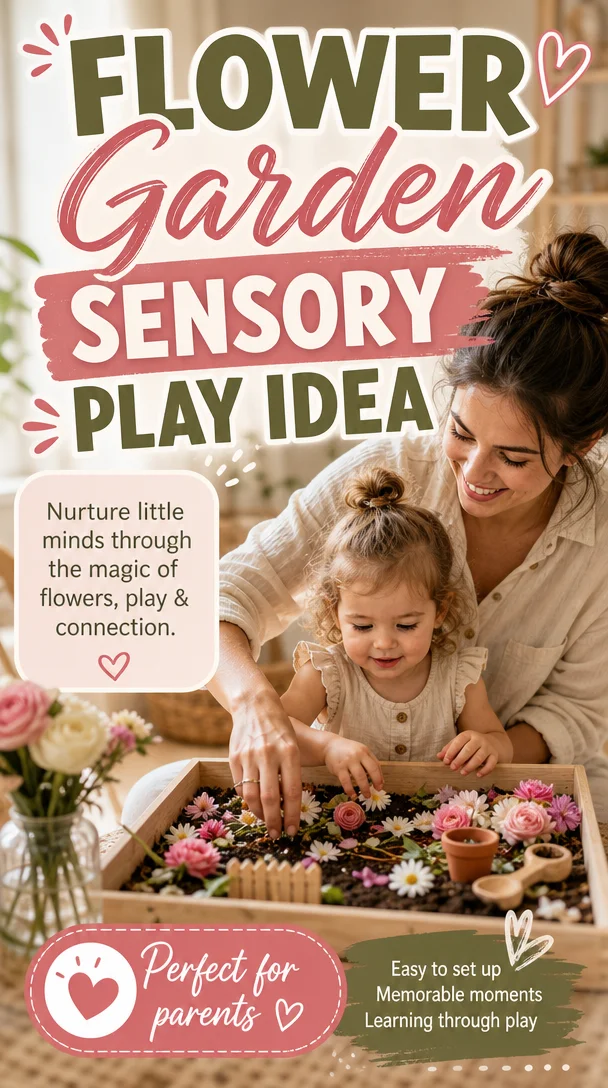
Flower Garden Sensory Play Idea
Discover the Magic of Flower Garden Sensory Play: A Heartwarming Experience for Kids
Meta Description
Engage your kids with this fun Flower Garden Sensory Bin! Discover easy steps to create a magical sensory play experience that inspires creativity.
Introduction
Hey there, fellow parent! Have you ever found yourself in a sea of toys, crafts, and endless “what do we do now?” moments, wishing for a simple way to spark creativity and joy in your children? Trust me, you’re not alone! Raising little ones can be both beautiful and chaotic, and sometimes we all need a little breather—or in our case today, something fresh and inspiring to get the family playing happily together.
Enter the Flower Garden Sensory Bin, an engaging and easy sensory play idea that allows your children to dive into a world of color, texture, and imagination. This activity not only enables kids to explore the wonders of gardening in a hands-on way, but it also provides an outlet for their sensory development, creativity, and even fine motor skills. And let’s face it, who doesn’t want a quick-win moment for both themselves and their children?
So, grab a snack, settle in, and let’s stroll through the vibrant world of sensory play with this delightful flower garden experience!
What is a Flower Garden Sensory Bin?
A Flower Garden Sensory Bin is more than just a container filled with items; it’s a creativity hub where your little ones can dig, plant, and explore different textures and colors. Think of it as a miniaturized garden that allows your kids to engage in imaginative play while also developing their senses.
Why Sensory Play Matters
Sensory play is crucial for young children as it fosters exploration and encourages them to process the world around them. Through sensory experiences, kids can:
- Enhance Motor Skills: Digging, scooping, and pouring help develop fine and gross motor skills.
- Encourage Imagination: Open-ended play stimulates creativity and storytelling.
- Stimulate Senses: Different textures and scents offer rich sensory experiences that are integral for brain development.
How to Create Your Flower Garden Sensory Bin
Ready to get started? Creating your own Flower Garden Sensory Bin requires minimal supplies and offers maximum fun. Here’s what you’ll need to gather:
Supplies You’ll Need
-
A Container: Use a shallow bin or plastic tub. Clear ones are awesome as kids can see the colorful items inside!
-
Base Materials: Start with a base like soil, sensory sand, or colored rice to mimic garden soil. For a sensory twist, consider adding some potting mix or play dough.
-
Plastic Flowers and Seeds: Use plastic flowers for fun visuals. Don’t forget some toy seeds—these can be actual craft beads or pom-poms.
-
Gardening Tools: Get small shovels, brushes, and watering cans. You can easily find these at a craft or dollar store!
-
Scoops and Bowls: Include measuring cups or scoops to encourage pouring and transferring.
-
Natural Elements: If you’re feeling adventurous, you can add small pebbles, sticks, or even real flower petals to add different textures.
Step-by-Step Instructions
Now that you have your supplies ready, let’s put this bin together:
-
Prepare the Base: Fill your container with the base material. Aim for about 3-4 inches deep, allowing plenty of room for digging and exploring.
-
Add the Elements: Distribute the plastic flowers and any natural elements evenly across the base. Feel free to hide some seeds in the soil for an element of surprise!
-
Include Tools: Toss in the gardening tools, scoops, and any other items you want to encourage kids to use freely.
-
Engage Your Kids: Present the sensory bin to your children and allow them to explore independently. Ask them open-ended questions about what they see, feel, and want to create.
Making It Special: Tips for Engagement
Once you have your Flower Garden Sensory Bin assembled, consider these tips to enrich the experience further:
Invite Imagination
Encourage storytelling! Let your kids create a narrative around their garden. What flowers are they planting? What’s happening in their magical garden world? You might say something like, “What do you think is hiding beneath the soil?”
Introduce Routine Play Activities
Add some structure to playtime by introducing small challenges. For instance, ask them to plant five flowers in one row or to scoop a specific number of ‘seeds’ from one bucket to another. This can gently incorporate counting or simple math!
Keep It Seasonal
Change your bin’s theme based on the seasons. During spring, introduce pastel colors; in autumn, explore earthy tones with leaves. This not only keeps the activity fresh but also teaches kids about the cycles of nature.
Helpful Tips for Success
-
Supervision is Key: Always supervise your kids during sensory play. They may want to taste everything, and it’s a great time for gentle reminders about what’s safe.
-
Embrace the Mess!: Sensory play can get messy, and that’s OK! Lay down a protective mat under your bin to make clean-up easier, and remind yourself that mess often equals fun!
-
Incorporate Learning: Use this time to introduce new vocabulary words, like ‘soil,’ ‘petal,’ or ‘gardening’, making it both educational and entertaining.
Conclusion: Nurturing Little Moments of Joy
As parents, we wear many hats, and some days just getting through the routine feels like an achievement. However, introducing simple and joyful activities like the Flower Garden Sensory Bin can create lasting memories and provide your children with invaluable experiences. Remember, you don’t need to be a perfect parent to raise happy, loved kids—sometimes, it’s these little moments that ignite their imagination and inspire growth.
So, I encourage you to try this sensory play idea! Dive into those messes, celebrate the small wins, and remember—the world of parenting is as much about enjoying the journey as it is about teaching and guiding our children.
Happy gardening, my friends! 🌼
Optional FAQ Section
Q: How long can I expect my kids to play with the sensory bin?
A: Engagement can vary, but most kids will find joy in it for at least 30 minutes to an hour. Rotate out elements occasionally to keep the interest alive!
Q: Can I introduce this idea with older kids?
A: Absolutely! Adjust the complexity by encouraging older children to create intricate designs, share gardening tips, or incorporate mini gardening projects.
Q: What if my child has allergies to certain plants?
A: Always err on the side of caution. There are plenty of synthetic flower options available, and you can always just skip using any natural materials altogether if in doubt.
So, what are you waiting for? Grab those supplies and start your flower garden adventure today!

What No One Tells You About Fall Toddler Activities in Daycare
Easy Daycare Activities: Fall Themes for Toddlers
Meta Description
Explore easy daycare activities perfect for fall! Discover creative toddler art and simple seasonal ideas to spark joy and learning in your little ones.
Introduction
Ah, fall! The air turns crisp, leaves transform into stunning hues of orange and gold, and for parents everywhere, it’s the perfect opportunity to create fun, engaging activities for toddlers. If you’re anything like me, you often find yourself balancing the desire to keep your little ones entertained with the lack of time and energy. You’re not alone! Parenting can be a whirlwind, but with a few simple fall-themed activities, you can inspire creativity and joy without the overwhelm.
In this post, I’ll share easy daycare activities centered around beloved fall themes. These activities spark creativity, encourage learning, and bring families closer together. Let’s celebrate the little moments this season brings, with art, exploration, and connection.
Fall-Themed Toddler Activities
Nature Scavenger Hunt
One of the simple joys of fall is the beauty of nature. Why not take advantage of this colorful season with a nature scavenger hunt? This activity encourages exploration and gets everyone moving!
What You Need:
- Printable scavenger hunt list (you can easily find templates online)
- A small bag or basket for collecting items
- Your toddler’s enthusiastic spirit!
How to Do It:
- Print or create a scavenger hunt list featuring items like acorns, colorful leaves, pine cones, and rocks.
- Take your toddler on a short walk outdoors. Hold their hand and point out the beauty around you.
- As they find each item, encourage them to talk about what they see and how it feels. For instance, "Look at this smooth rock! What color is it?"
This activity not only supports fine motor skills but also fosters a love for nature. Plus, it’s a fantastic way to bond over shared discoveries!
Leaf Printing Fun
Embrace the beautiful fall foliage with leaf printing art. It’s a perfect blend of nature and creativity!
What You Need:
- Colorful leaves
- Washable paint
- A large sheet of paper
- Paintbrushes or sponges
How to Do It:
- Help your toddler collect various leaf shapes during your nature walk.
- Once back home, pour some washable paint onto a plate.
- Show them how to paint one side of a leaf and press it onto the paper. Let them experiment with colors and techniques!
Encourage them to mix colors or make patterns. The resulting artwork will not only be stunning but also a keepsake of their fall adventure!
Pumpkin Sensory Bin
Pumpkins bring such joy in the fall! Create a sensory bin to explore their textures and colors. This activity is stimulating and encourages independent play.
What You Need:
- A small bin or large bowl
- Mini pumpkins or soft pumpkin toys
- Various sensory items (dried corn, leaves, twigs, or even small gourds)
How to Do It:
- Fill your bin with mini pumpkins and sensory items.
- Invite your toddler to explore with their hands. Discuss the textures, colors, and shapes of what they feel.
- Ask open-ended questions, such as, “How does this pumpkin feel?” or “What color do you see?”
Sensory play promotes cognitive development and fine motor skills, all while having a great time!
Fall-Themed Crafts
Crafts are always a hit with toddlers. Here are a few quick ideas to embrace the season:
Paper Plate Pumpkins
- Use orange paper plates as the base.
- Let your toddler paint or color the plates.
- After it dries, allow them to glue on green paper cutouts for leaves.
Leaf Collages
- Collect fallen leaves in various shapes and sizes.
- Provide your toddler with glue and a large piece of construction paper.
- Help them arrange and stick leaves onto the paper in a fun collage.
These crafts don’t just inspire creativity; they also improve hand-eye coordination!
Storytime Adventures
Every toddler can benefit from snuggling up with a good book, especially when it’s themed around fall. Take this time to bond, stir their imagination, and grow their love for reading.
Suggestions:
- “The Pigeon Finds a Hot Dog!” by Mo Willems
- “Leaf Man” by Lois Ehlert
- “Spookley the Square Pumpkin” by Joe Troiano
How to Make It Interactive:
- Choose a cozy spot with a warm blanket.
- As you read, encourage your toddler to articulate their favorite characters or ask questions about the story.
- After reading, spark their creativity by asking what they would do if they were in the story.
This cozy activity builds their listening skills and creates a sense of safety and connection.
Helpful Tips for a Successful Fall Season
-
Make It Routine: Choose a day of the week, like “Fall Fun Fridays,” dedicated to your fall activities and crafts. Routines create excitement and give your little ones something to look forward to!
-
Get Other Parents Involved: Organize playdates with friends or neighbors to expand the toddler fun. Sharing experiences and ideas with other parents often leads to new insights and creativity.
-
Keep It Simple: Remember that the goal is to enjoy these activities together, not to create something Pinterest-perfect. Focus on the laughter and joy that come with sharing these moments.
-
Capture the Memories: Take pictures of your toddlers as they engage in these fall activities. Creating a seasonal scrapbook or digital album can serve as a delightful keepsake!
-
Be Flexible: Depending on your child’s mood or energy levels, adapt the activities to suit their needs. If they prefer painting to a nature walk, go with it! The most important thing is that they enjoy themselves.
Encouraging Conclusion
As we step into the vibrant embrace of fall, remember that you have all the tools you need to create lasting memories with your toddler. These easy daycare activities don’t just fill the day; they build a foundation of creativity, exploration, and connection.
You don’t need to be the “perfect” parent. Celebrate the small wins, cherish these moments of play, and remember that it’s the love and laughter you share that matters most. Whether your days are filled with leaf printing or storytime adventures, lean into the joy that parenting can bring. You’re doing an amazing job, and every moment counts.
So grab those mini pumpkins, gather your leaves, and dive into the vibrant world of fall activities with open hearts! You belong here, and together, we can make this season magical one little moment at a time. Enjoy every step along the way, and don’t forget to share your autumn adventures — I’d love to see what you create!
Optional FAQ Section
What are some other easy fall activities for toddlers?
You might also try baking pumpkin muffins together, creating homemade apple cider, or visiting a local pumpkin patch for a day of exploration!
How can I make activities more educational?
Incorporate counting or color recognition during crafts and play. Ask your toddler questions to reinforce what they have learned during your activities.
How do I manage messy play with toddlers?
Use a designated play area, and have cleaning supplies nearby. Lay down a plastic sheet or old newspaper to catch any spills or mess!
Let the fall fun begin! 🍂

Quick Toddler Activities to Beat Boredom (At Home with Simple Supplies)
The Best Toddler Activities: Engaging Fun for Your Little One
Meta Description
Discover engaging and purposeful toddler activities for 16- to 18-month-olds. Foster development with these fun ideas that make parenting easier and joyful!
Introduction
Ah, the magic of toddlerhood! Those tiny hands, curious eyes, and the way they light up with every new discovery can make your heart swell with joy. But let’s be real — parenting a toddler can also feel like navigating a miniature whirlwind. As they enter the 16 to 18-month phase, these little explorers crave engagement, and finding the right activities can be a game-changer for both of you.
You may wonder how to nurture their natural curiosity while also staving off the chaos. Spoiler alert: it doesn’t require any magic wands, just a sprinkle of creativity and a dash of purpose! In this article, I’ll share a treasure trove of toddler activities designed to stimulate their minds and fine-tune those growing motor skills while keeping the “messy” part of parenting surprisingly delightful.
Let’s jump in and explore the best toddler activities that’ll have your little one giggling, learning, and maybe even napping a little better. Grab your coffee (while it’s still warm!) and let’s make this journey through toddlerhood a joyful one.
Open-Ended Play: The Key to Imaginative Learning
What is Open-Ended Play?
Open-ended play involves toys and activities that allow your toddler to explore freely and creatively. Unlike toys with preset functions, these activities let them experiment, creating their own narratives and scenarios.
Examples of Open-Ended Activities
-
Sensory Bins: Fill a shallow bin with rice, beans, or pasta and hide small toys or scoops for them to discover. This tactile experience develops fine motor skills while satisfying their innate curiosity.
-
Building Blocks: Invest in a variety of building blocks. Encourage your toddler to build tall towers or even replicate what they see around them. Celebrate their creations, no matter how wobbly!
-
Art Station: Set up a dedicated art corner with crayons, washable markers, and paper. Let them scribble away freely to express themselves. Remember, it’s more about the process than the product!
The Joy of Messy Play
Absolutely embrace the mess! While you may cringe at the thought of paint splatters or glitter explosions, messy play is essential for their development. It fosters creativity and builds problem-solving skills as they navigate textures and colors.
Practical Life Activities: Learning by Doing
What Are Practical Life Activities?
These activities mimic daily tasks that adults perform, giving toddlers a sense of ownership and responsibility. They help develop fine and gross motor skills while giving them real-world context.
Examples of Practical Life Activities
-
Transferring Objects: Use small cups or scoops and teach them to transfer items from one bowl to another. Be it beans, buttons, or even pieces of fruit — the focus is on honing those motor skills.
-
Water Play: Fill a shallow basin with a bit of water and give them cups, sponges, or small toys. Not only does this develop coordination, but it also offers a calming sensory experience.
-
Simple Cooking Tasks: Get your little chef involved in the kitchen! Let them mix, stir, or even help wash fruits and vegetables. Kids feel proud being part of family meals, and they learn vital skills along the way.
Montessori-Inspired Activities: Isolating Skills in a Fun Way
What is Montessori Play?
The Montessori approach emphasizes self-directed, hands-on learning. By isolating specific skills in playful contexts, toddlers can cultivate independence and confidence.
Examples of Montessori Activities
-
Puzzle Play: Provide simple wooden puzzles that incorporate shapes and animals. Discuss the pieces and their names as they fit them together.
-
Color Sorting: Use colorful pom-poms or blocks and a muffin tin. Have your toddler sort them by color, fostering both color recognition and classification skills.
-
Buttoning Frames: Create or buy frames that allow them to practice buttoning, zipping, and snapping. This not only aids in fine motor skill development but also builds their self-sufficiency.
Screen-Free Activities: Keeping It Real
In our tech-savvy world, it’s easy to slip into screen time, but let’s prioritize enriching play that engages their minds and bodies.
Screen-Free Ideas
-
Nature Walks: Take them outside and explore the wonders of nature. Collect leaves, stones, or flowers, and discuss colors, shapes, and textures.
-
Dance Party: Play music you both enjoy and have a mini dance-off. Just remember, it’s not about being graceful but about having fun and expressing joy!
-
Storytime Adventures: Choose colorful storybooks with vibrant imagery or interactive textures. Discuss the characters and ask questions to enhance comprehension and social skills.
Tips for Intentional Playtime
1. Set Up a Routine
Establish a flexible daily schedule that includes focused playtime. It could be as simple as:
- Morning: Open-ended play
- Midday: Practical life activities
- Afternoon: Montessori-inspired tasks
2. Be Present
Put away distractions and immerse in the activity together. Your engagement transforms ordinary moments into extraordinary connections.
3. Celebrate Progress
Acknowledge their achievements, no matter how small. “Wow, look how high that tower is!” reinforces their sense of accomplishment and encourages them to keep exploring.
Encouraging Emotional Development
1. Model Emotional Awareness
Talk about feelings openly. Use scenarios from their play to contextually teach empathy — "How do you think that character feels?"
2. Introduce Gentle Discipline
Encourage gentle boundaries. Instead of “No hitting,” rephrase to “We use our hands to help, not hurt.” This redirects behavior positively and cultivates understanding.
3. Engage in Play with Purpose
Use role-play or storytelling to introduce ideas like sharing or taking turns. Narrate actions to gently guide emotional development while keeping it light and fun.
Conclusion
Raising a toddler can feel overwhelming at times, but remember, you’re not alone in this journey. As you explore these engaging and purposeful activities, celebrate each small victory, whether it’s a new word spoken or a tower built. These moments of connection will build a sturdy foundation for their development while making the everyday chaos a little easier to manage.
Embrace the mess, the giggles, and the wondrous exploration. You’re doing an amazing job, and as our little ones grow, so do we as parents. Keep creating those meaningful moments, and let the magic of childhood unfold — one delightful activity at a time.
FAQs about Toddler Activities
Q: How do I choose the right activities for my toddler?
A: Observe what your child enjoys. Choose activities that excite them and introduce new ones gradually to keep their curiosity alive.
Q: What if my toddler loses interest quickly?
A: That’s completely normal! It’s okay to switch activities, keeping things fresh. Follow their lead and adapt as necessary.
Q: Are screen-free activities truly beneficial?
A: Yes! Engaging in screen-free activities promotes cognitive development and nurtures creativity, allowing toddlers to explore the world around them actively.
Remember, in this ever-changing phase of parenting, just know: you’ve got this! Let every little moment count.

Screen-Free Activities That Engage Preteens and Teens Without Screens
40 Fun Screen-Free Activities for Preteens and Teenagers
Meta Description: Discover 40 engaging screen-free activities for your preteen or teenager that promote creativity, skill-building, and family bonding.
When was the last time you had an uninterrupted conversation with your preteen or teen? In our screen-filled world, it’s easy to lose sight of the moments that make us feel connected as a family. Between scrolling, gaming, and streaming, our kids might be missing out on some fabulous adventures right in their own homes—or even outside!
Parenthood often feels like a tightrope walk, balancing our kids’ interests with the need to get them off screens. But here’s the silver lining: there are countless screen-free activities just waiting to be discovered. These experiences can help foster new skills, relationships, and memories that last a lifetime. So grab your favorite cup of coffee, and let’s explore these 40 screen-free activities that will invigorate your home and your relationship with your preteen or teen!
Why Choose Screen-Free?
In a world dominated by screens, opting for screen-free activities offers numerous benefits:
- Enhanced Creativity: Engaging in hands-on activities sparks imagination and encourages your kids to think outside the box.
- Improved Social Skills: Activities that involve family or friends cultivate communication and teamwork.
- Physical Health: Many screen-free options promote physical movement, which is crucial for growing bodies and minds.
- Mental Well-being: Stepping away from screens helps reduce stress, anxiety, and can foster a sense of calm and mindfulness.
Ready to dive in? Below are 40 exciting screen-free activities your preteen or teen will love!
Creative Activities
1. Arts and Crafts
Bring out the inner artist! Set up a crafting station with supplies like paper, markers, glue, and recycled materials. Try themed projects like DIY greeting cards or friendship bracelets that your kids can gift to others.
2. Photography
Equip your child with a camera and a theme for the day—nature, portraits, or urban landscapes. Encourage them to capture the world from their perspective, and later, organize a mini photo exhibition at home!
3. Scrapbooking
Gather memorabilia—photos, ticket stubs, or postcards—and create a scrapbook together. Not only does this spark creativity, but it’s a wonderful way to reminisce over shared memories.
4. Writing Stories or Letters
Encourage your kids to express their imaginations through writing. They can write short stories, poems, or letters to family members. Host a “reading night” where everyone shares their writings!
Fun Learning Activities
5. Science Experiments
Turn your kitchen into a science lab with easy experiments using household items. Baking soda volcanoes or DIY lava lamps can be both exciting and educational!
6. Cooking or Baking Together
Involve your preteens in meal prep! Choose a recipe, plan the ingredients, and dive into cooking or baking together. This promotes teamwork and introduces them to valuable life skills.
7. Gardening
Start a small garden in your backyard or even a few pots on the porch. Planting flowers, vegetables, or herbs allows them to connect with nature and learn about responsibility.
8. Learning a New Language
Use books, flashcards, or online resources to start learning a new language together. You can practice with each other or find a language partner!
Physical Activities
9. Outdoor Adventures
Plan a hike, bike ride, or visit a local park. Explore nature trails and engage in discussions about the beauty of the outdoors while being active.
10. Dance Party
Create a fun playlist and have a spontaneous dance party at home! Moving to music is a great way to boost mood and energy.
11. Yoga or Stretching
Find a beginner’s yoga guide or app, and try a family yoga session. This practice promotes relaxation and encourages mindfulness.
12. Sports
Get involved in sports like basketball, soccer, or frisbee. Friendly matches strengthen bonds and fill your day with laughter and exercise.
Creative Learning Opportunities
13. DIY Projects
Tackle a DIY project around the home. Whether it’s furniture refinishing or simple decor, working together fosters teamwork and results in a sense of accomplishment.
14. Building Models
Explore your child’s interest in construction with model building. Choose kits that reflect their hobbies—cars, planes, or architectural models.
15. Puzzle Time
Challenge your family with jigsaw puzzles. This activity enhances problem-solving skills and gives you a chance to bond over shared accomplishments.
16. Birdwatching
Grab a guidebook on local birds, bring binoculars, and venture into your backyard or a nearby park for birdwatching. Keep a journal to record findings, which encourages observation skills.
Engaging Social Activities
17. Board Games
Pull out classic board games or try modern ones. Set a family game night, complete with snacks and fun prizes for the winner!
18. Book Club
Choose a book to read together as a family and have a discussion night. It leads to meaningful conversations, and everyone gets a chance to share their thoughts!
19. Volunteer Together
Find local volunteer opportunities, such as community clean-up events or charity work. This experience enriches their sense of empathy and social responsibility.
20. Family Themed Night
Host themed dinner nights based on different cultures or movies. Incorporate food, music, and even costumes to make it fun and engaging!
Creative Use of Resources
21. Visit the Library
Your local library may host events like storytelling sessions or craft activities. Check their calendar and make a trip together!
22. Nature Journals
Encourage your kids to keep a nature journal, jotting down observations, sketches, or thoughts from outdoor excursions. It combines creativity and mindfulness.
23. DIY Escape Room
Design your own escape room at home! Use puzzles and clues to create challenges that you solve together, leading to a fun and exciting bonding experience.
24. Cultural Exploration
Pick a country and explore its culture through cooking, music, and art. You can create themed evenings to make the learning experience fun and immersive!
Mindfulness and Emotional Well-being
25. Journaling
Encourage your teens to keep a journal where they express their feelings and thoughts. It can be a private space for reflection and personal growth.
26. Meditation
Practice mindfulness together through guided meditation sessions. It helps reduce stress and improves their emotional well-being.
27. Gratitude Jar
Start a gratitude jar where each family member adds notes about things they are grateful for. Reading these together can foster positivity and connection.
28. Mood Mapping
Create a mood map on a large poster. Use stickers or colors to represent emotions. This activity promotes emotional awareness and discussions about feelings.
Building Relationships
29. Family Storytelling
Engage in storytelling sessions where family members share personal anecdotes. It enhances communication and strengthens familial bonds.
30. DIY Family Newsletter
Create a family newsletter to capture highlights from your lives over the month. This project allows everyone to contribute their updates and keeps everyone connected.
Practical Life Skills
31. Basic Life Skills Workshops
Teach your preteen or teen essential life skills, such as laundry, budgeting, or cleaning. This knowledge is invaluable as they grow more independent.
32. Financial Planning Game
Play games focused on budgeting where family members learn about saving and spending wisely.
33. Home Maintenance
Involve them in home maintenance tasks. Whether it’s fixing a leaky faucet or basic home repairs, these experiences provide valuable skills.
34. Car Maintenance Basics
Teach your child how to check tire pressure, change windshield wipers, and perform other basic car maintenance tasks.
Fun and Light-hearted Activities
35. Outdoor Movie Night
Set up a projector for an outdoor movie night. Add blankets, popcorn, and twinkling lights for that cozy feel!
36. Talent Show
Organize an in-house talent show where everyone showcases their talents—singing, dancing, or magic tricks. Encourage creativity and humor!
37. Fashion Show
Use clothes and accessories in the house to create silly outfits and host a family fashion show. It’s all about fun and laughter!
38. Scavenger Hunt
Create a scavenger hunt in your home or neighborhood. List items to find or tasks to complete—this adds excitement to your day!
Wrapping It Up
39. Family Reflection Time
Set aside time each week to discuss your family’s highs and lows. It encourages open conversations and emotional expression.
40. End-of-Day Family Bonding
At the end of each day, gather for a brief family check-in. Share one thing you loved about the day, helping your family connect on a deeper level.
Conclusion
While screens have a valid place in our lives, it’s important to remind ourselves and our children of the joy that exists beyond them. Rediscovering the art of togetherness and creativity through screen-free activities not only enhances family bonds but also builds new skills and unforgettable memories. So the next time you feel stuck in the digital whirlwind, recall these fun options and dive in together. It’s these moments that truly enrich our parenting journey and shape our children into well-rounded individuals.
Remember, you don’t have to be a perfect parent; just show up, be present, and enjoy the ride. You’ve got this! 💛

63 Screen-Free Activities for a Screen-Free Week
63 Screen-Free Activities for a Screen-Free Week
Meta Description
Discover 63 engaging screen-free activities for families to enjoy during a week without screens. Create lasting memories and foster connections!
Introduction
Let’s be real: living life with little ones often feels like an endless cycle of screens. Between cartoons, educational apps, and that scrolling habit we picked up, it’s easy to find ourselves glued to devices. But what if we hit pause on all that for just a week? Imagine the giggles, the imaginative play, and the chaos-free conversations when we dive into a world beyond screens! In this post, we’ll explore 63 incredible screen-free activities to inspire connection, creativity, and joyful family moments.
Whether your goal is to reclaim family time or simply to shake things up a bit, you’re in the right place. Let’s give our kids and ourselves the gift of presence — no pixels required!
Embracing Screen-Free Family Time
Transitioning to a screen-free week sounds daunting, but it can also be genuinely delightful. The key is to replace screen time with engaging activities that foster enjoyment and connection. Let’s break down these activities into categories to make it easier for you to choose what your family might like best.
Fun Outdoor Adventures
1. Nature Scavenger Hunt
Create a list of items for your kids to find in your backyard or at a local park. Think leaves, rocks, or even certain flowers. It gets them moving and exploring!
2. Family Picnic
Pack some sandwiches, fruits, and drinks, and head to a nearby park. Spread out a blanket and enjoy a meal under the open sky.
3. Gardening Together
Start a small garden in your backyard or even some pots on the balcony. Let your kids help plant seeds and care for them, teaching patience and responsibility.
4. Go for a Nature Walk
Explore nearby trails or even just stroll around your neighborhood. Point out interesting plants or animals, making it an adventure.
Creative Indoor Activities
5. DIY Crafts
Gather supplies like paper, crayons, glue, and other craft materials. Set a theme for each day, like “animals” or “nature,” and create.
6. Cooking or Baking Together
Invite your kids into the kitchen to help with dinner or bake cookies. This doesn’t just fill their bellies; it creates memories and teaches valuable skills.
7. Indoor Fort Building
Use pillows, blankets, and furniture to construct the ultimate indoor fort. It can transform your living room into an imaginative world.
8. Family Art Night
Set up a canvas or paper and invite each family member to draw, paint, or color. You can even build a theme for each session, like “favorite animal” or “dream vacation.”
Learning and Reading
9. Reading Hour
Choose a cozy spot at home, snuggle up with blankets, and read books together. You can each take turns reading or even act out the stories!
10. Write Letters to Each Other
Encourage your kids to write letters to family members or friends. It teaches them to express thoughts and feelings beautifully.
11. Science Experiments
Look for simple science experiments you can do at home, like making a volcano using baking soda and vinegar. It’s fun and educational!
Engaging Family Games
12. Board Game Night
Dust off your favorite board games and have a family tournament. It’s a lovely way to bond and enjoy some friendly competition.
13. Charades
Get everyone involved in this classic game of acting out words or phrases. It guarantees laughter and creates cherished memories.
14. Puzzle Challenges
Bring out jigsaw puzzles and work together as a team to complete them. It fosters teamwork and a sense of achievement.
Active Play Ideas
15. Dance Party
Turn on some music and have a blast dancing in your living room. It’s a great way to burn energy and boost everyone’s mood.
16. Obstacle Course
Create a simple obstacle course in your home or yard using cushions, ropes, and chairs. Time each other and see who completes it the fastest!
17. Family Sports Day
Head to a local park with sports equipment. Spend the day playing soccer, frisbee, or even a good old game of tag.
Mindfulness and Relaxation
18. Guided Meditation
Introduce your kids to mindfulness with simple guided meditation or deep breathing exercises. It can help everyone relax and find calm throughout the week.
19. Family Journaling
Encourage everyone to write or draw about their day. Share reflections at the end of each day to foster connection and communication.
20. Stargazing
Spend an evening outside just looking up at the stars. You can share stories, or even try to identify constellations together.
Tips for a Screen-Free Week
Set Clear Goals
Decide as a family why you want to have a screen-free week. Is it to connect more? To explore new activities? Understanding the “why” behind your goals can keep motivation high.
Make a Family Plan
Create a family calendar with activities scheduled each day. Having a plan prevents boredom and keeps everyone excited about what’s coming next.
Communicate with Your Kids
Explain the screen-free concept to your kids. Help them understand the benefits, and encourage them to think of activities they’d like to try.
Celebrate Small Wins
Celebrate each successful screen-free day with small victories. A fun family dessert night or an extra story at bedtime works wonders!
Be Prepared for Challenges
There will be moments when your kids might miss their screens, and that’s totally okay. Acknowledge those feelings and remind them why you’re focusing on this time together.
Stay Flexible
Remember, it’s fine to adjust your plans. Some days might call for more downtime than others. Follow your family’s energy levels and needs.
Encouraging Conclusion
As you embark on this screen-free week, remember that it’s all about connection, creativity, and joy. Each little moment matters and contributes to a rich tapestry of family life. Embrace the beautiful chaos, the giggles, the mess—and, most importantly, the love. Your kids will remember these moments far longer than they would fleeting screen time. So, take a deep breath, stay positive, and dive in. You’ve got this!
Feel free to share your screen-free experiences and favorite activities with us! We’d love to hear what brought your family closer during this week. Remember, parenting is hard sometimes, but you’re not alone — and small changes can make a huge difference.
Optional FAQs
Q: Can screen-free activities be just for kids, or should the parents join in?
A: It’s best if parents join in, too! It builds connections and provides a supportive environment for your kids to express themselves and have fun.
Q: What if my kids are really resistant to not using screens?
A: Start with activities that incorporate some of their interests and gradually introduce more variety. It may take time to adjust, but keeping it fun can help!
Q: How can we maintain the benefits after the screen-free week?
A: Continue to prioritize screen-free times regularly. Whether it’s a device-free dinner or the last hour of the day, small adjustments keep the momentum going.
Now, gather your family, roll up your sleeves, and have a blast exploring all these possibilities!

Screen-Free Activities for Kids That Spark Creativity and Focus
50 Amazing Screen-Free Activities for Kids: Fun Ideas to Spark Their Imagination
Meta Description: Discover 50 amazing screen-free activities for kids that inspire creativity, connection, and joy! Say goodbye to boredom and welcome fun family moments.
Hey there, fellow parents! If you’ve ever felt that pang of parental frustration when the kids are glued to screens, you’re definitely not alone. In today’s digital age, finding engaging, screen-free activities for kids can often feel like searching for a needle in a haystack. But here’s a comforting thought: you can create joyful moments and connections without turning on a device.
Imagine the laughter echoing through your home as your little ones engage in activities that spark their creativity and encourage exploration. Whether you want to foster emotional development, build family bonds, or just find a way to make the day a bit more fun, I’ve got your back! Let’s dive into 50 amazing screen-free activities for kids that will inspire adventure and connection in your home.
Creative Play and Imagination
1. DIY Craft Station
Set up a craft corner with paper, markers, stickers, and everyday items like cardboard boxes and egg cartons. Let their imaginations run wild! Encourage them to create whatever pops into their minds.
2. Nature Scavenger Hunt
Head outside for a scavenger hunt! Create a list of items (like a pinecone, a feather, or a specific flower) for your little explorers to find. They’ll learn about nature while having a blast.
3. Puppet Show Time
Use old socks or paper bags to create puppets, then put on a show! This activity is not only super fun, but it also encourages storytelling and creativity.
4. Build a Fort
Transform your living room into a magical fortress using cushions, blankets, and furniture. Your kids will adore their cozy hideaway for reading or play.
5. Cooking Together
Involve your kids in the kitchen. Pick a simple recipe and let them help measure, mix, and decorate. You’ll create delicious memories and teach them valuable cooking skills.
6. Creative Storytelling
Take turns creating a story one sentence at a time. Start with “Once upon a time…” and see where your imaginations take you! This is a great way to bond as a family.
7. Art Gallery
Host an art show at home. Have your kids create various pieces of artwork and display them around the house. Invite family members to admire their masterpieces!
Physical Activities
8. Backyard Obstacle Course
Use household items to set up a fun obstacle course outside. Encourage your kids to jump, crawl, and dash through the course. This helps improve coordination and provides a great energy outlet!
9. Dance Party
Turn up the music and have a family dance-off! Besides being a fantastic way to shake off stress, dancing is a joyful way to express feelings.
10. Gardening Together
Start a small garden—whether it’s in pots on a windowsill or a plot in the backyard. Kids love watching things grow, and they’ll learn about responsibility and nature.
11. Family Yoga
Search for kid-friendly yoga poses and practice them together. Not only does yoga promote flexibility, but it also teaches relaxation techniques.
12. Scavenger Hunt Walk
Create a list of objects to spot on your next walk. Encourage your kids to look around and check things off the list. This is a great way to make walks more exciting!
Brain-Boosting Activities
13. Puzzle Fun
Pick age-appropriate puzzles and work on them together. This activity sharpens problem-solving skills and fosters patience.
14. Science Experiments
Get messy with exciting science experiments! From baking soda volcanoes to homemade slime, there are plenty of simple experiments that ignite curiosity.
15. Reading Hour
Set aside a dedicated reading hour where everyone cozies up with their favorite books. Share stories or read aloud to each other for an extra layer of connection.
16. Family Trivia Night
Create fun trivia questions about family memories or general knowledge. This is a perfect way to learn while sharing laughs!
17. Board Games or Card Games
Dig out the family board games or a deck of cards. Schedule a game night to bring everyone together for some friendly competition.
18. DIY Science Lab
Turn your kitchen table into a science lab! Use safe ingredients to conduct experiments that inspire wonder and learning.
Arts and Crafts
19. DIY Tie-Dye
Have a blast with a tie-dye project using plain white t-shirts. It’s a colorful activity that allows kids to express their creativity through patterns and colors.
20. Scrapbooking
Gather photos, magazine clippings, and other keepsakes to make fun scrapbooks together. This activity encourages storytelling through visuals and memories.
21. Nature Art
Collect leaves, flowers, and twigs to create a nature-inspired mural. Kids will love getting messy and using their surroundings in creative ways.
22. Origami
Introduce your children to the art of origami. Start with simple shapes and watch as their fine motor skills improve while they create beautiful paper animals.
23. Painting Party
Grab some canvases, paints, and brushes for a painting party. Let your kids unleash their creativity while you paint alongside them, encouraging artistic expression.
Collaborative Activities
24. Family Journal
Create a family journal where everyone can contribute thoughts, drawings, or poems. This activity fosters communication and creates a treasure trove of memories.
25. Make a Time Capsule
Gather items that represent your current family life and place them in a box. Seal it and decide on a future date to open it. This provides a fun surprise down the line!
26. Music Creation
Use simple instruments or even homemade ones to create music together. Kicking off a family jam session can lead to lots of laughs and dance breaks.
27. Neighborhood Cleanup
Teach kids the value of community service by organizing a neighborhood cleanup. They’ll feel proud contributing positively while being outside.
Exploring and Learning
28. Visit Local Museums
Check out local museums or cultural centers for engaging experiences for children. Many offer interactive exhibits that kids love!
29. Animal Encounters
Plan a visit to a local farm or petting zoo to learn about animals up close. Kids will enjoy hands-on experiences interacting with nature.
30. Library Outings
Spend an afternoon at your local library. Encourage your kids to explore different sections and pick out books they want to read. Libraries often host fun events, too!
31. Art Museum Visits
Visit an art museum and challenge your kids to find their favorite piece. Discuss what they love about the artwork, encouraging critical thinking and expression.
Social Engagement
32. Playdates
Schedule regular playdates with friends or neighbors. Social interactions promote emotional growth and help kids learn important interpersonal skills.
33. Cooking for Friends
Get together with friends or family to cook meals. Kids can help in the kitchen and also learn about sharing food with others, creating a communal experience.
34. Group Sports
Sign up your children for group sports. Engage with others while staying active, building teamwork skills and new friendships.
Mindfulness and Relaxation
35. Nature Walks
Take time to engage with nature by going for a walk in a park. Encourage your kids to notice sights, sounds, and smells, fostering mindfulness and connection.
36. Meditation for Kids
Incorporate a few minutes of meditation or deep breathing exercises into your daily routine to help kids recenter and relax.
Encouraging Independence
37. Independent Playtime
Set aside a bit of time for independent play. This lets your kids explore their interests freely and develop self-confidence in their abilities.
38. Chore Charts
Create a chore chart to encourage responsibility in a fun way. Kids often feel proud accomplishing tasks around the house!
Connect over Daily Activities
39. Family Meetings
Hold weekly family meetings to discuss plans, goals, or challenges. This builds communication skills and reinforces a sense of belonging.
40. Plan a Family Trip
Get the kids involved in planning your next family outing or trip. Let them choose the destination or activities, making everyone feel valued.
41. DIY Memory Book
Create a family memory book, adding photos, drawings, or notes. It’s a cherished project that will keep family memories alive.
Encouraging Emotional Growth
42. Emotion Charades
Play a game of charades where participants act out different emotions. This develops emotional awareness and helps kids articulate their feelings better.
43. Kindness Projects
Encourage acts of kindness, like making cards for neighbors or donating toys. Performing kind deeds boosts empathy and awareness of others’ feelings.
Enriching Routine Ideas
44. Morning Dance Routine
Kickstart your day with a morning dance party! It’s a great way to wake up and energize the family for the day ahead.
45. Family Dinner Themes
Make dinner fun with themed nights, like Taco Tuesday or Pizza Night. Get everyone involved in preparation for a wonderful family bonding experience.
46. Songwriting Challenge
Try a family songwriting challenge! Each member can contribute a verse or a line, creating a collaborative family anthem.
Practical Encouragement
47. Mindfulness Walk
Take a slow walk and encourage your kids to describe everything they feel, see, and hear. This cultivates mindfulness and deepens their connection to the present moment.
48. DIY Family Challenges
Create weekly family challenges. Whether it’s trying a new vegetable, completing a puzzle, or reading a certain number of books, challenges bring excitement into daily life.
49. Family Volunteering
Volunteer as a family at local shelters or community services. Doing good together creates shared memories and deep emotional connections.
50. Reflection Time
At night, spend a few moments reflecting on the day. Ask your kids about their favorite parts or what they’re grateful for, cultivating positivity and gratitude.
Conclusion
Finding screen-free activities for kids might seem overwhelming at first, but remember, you’re not alone in navigating this parenting journey. By fostering creativity, connection, and exploration, we can help our children grow into confident, well-rounded individuals. With these 50 amazing screen-free activities for kids, you can spark joy, build memories, and embrace the messiness of family life together.
So, grab your kids, pick a few fun activities, and enjoy the laughter and warmth that comes from these moments together. You’ve got this, and each small joyful effort adds up to the beautiful adventure of parenting. Here’s to making family life a little lighter, warmer, and a whole lot more joyful—one activity at a time!
FAQ Section
-
What are some easy screen-free activities for toddlers?
Simple ideas include sensory bins, coloring, storytelling, and outdoor play to keep them engaged. -
How can I encourage my kids to play independently?
Gradually increase their independent playtime, introduce engaging toys, and praise their creativity when they play solo. -
What if my kids resist screen-free activities?
Offer choices and invite them to participate in selecting activities. Make it fun by joining them, and they may warm up to the idea! -
How do I balance screen time and screen-free activities?
Set defined limits for screen time and create a routine that incorporates a variety of engaging, screen-free activities throughout the day.