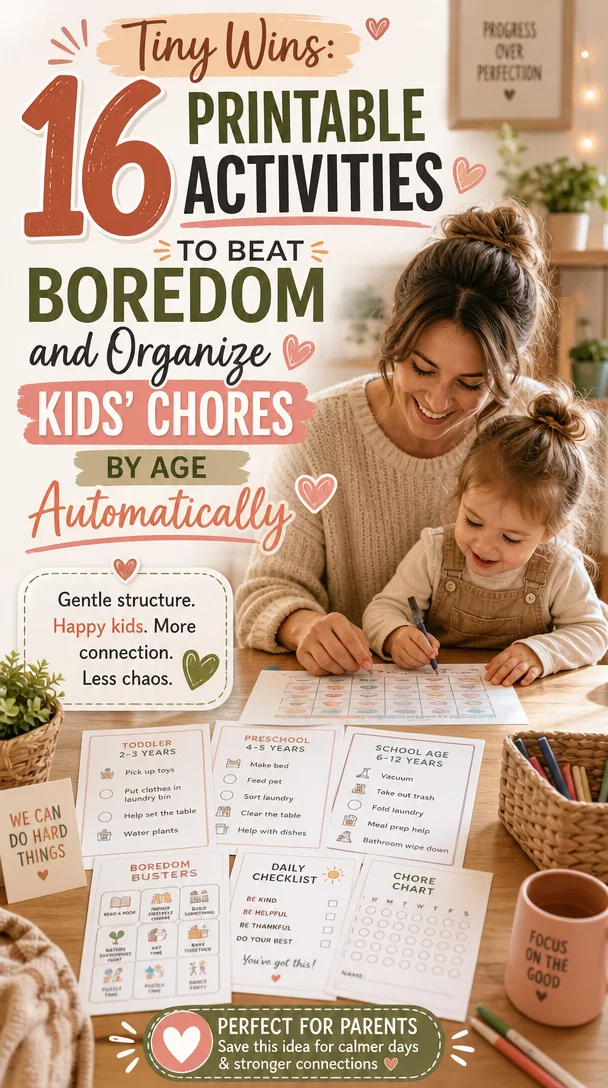
Tiny Wins: 16 Printable Activities to Beat Boredom and Organize Kids’ Chores by Age
16 Printable Activities for Kids: Boredom Busters + Chore Chart
Meta Description: Discover 16 printable activities for kids, plus age-appropriate chore chart ideas! Keep boredom at bay and teach kids responsibility with our fun, printable resources.
Introduction
Hey there, fellow parents! If you’ve ever found yourself staring at the clock, wondering how it’s only noon and your little ones are already bouncing off the walls, you’re not alone. As we juggle the demands of parenting, finding engaging activities for kids can feel like an endless challenge. You want to keep their minds active while also teaching them responsibility along the way.
That’s why I’ve created this fun list of 16 printable activities for kids that double as boredom busters and incorporate chores into their daily routine. These activities not only keep your kids entertained but also instill a sense of responsibility through age-appropriate chores. Trust me, you’ll find something here that fits perfectly into your family dynamic. Ready? Let’s dive into the world of creative activities and chore charts!
Boredom Busters: Fun Activities for Kids
1. Create Your Own Storybook
Encourage your kids to unleash their inner author by crafting their own storybook. Provide them with blank pages and colorful markers. Prompt them to illustrate their stories, blending creativity with literacy. This activity keeps them engaged and enhances their storytelling skills!
2. DIY Science Experiments
Let’s get those tiny brains buzzing with a few simple science experiments. A classic baking soda and vinegar volcano is a great start. Gather the ingredients and let your kids experience the thrill of watching their creation erupt. Science can be super fun and teaches them about reactions in the world around them!
3. Scavenger Hunt Adventure
Set up a scavenger hunt in your home or backyard. Create a list of items for the kids to find or challenges to complete. You can even theme it around colors, shapes, or nature. Watching them work together and use their problem-solving skills will warm your heart.
4. Art from Nature
Take those nature walks to a whole new level! Collect leaves, rocks, and flowers, then encourage your kids to create art from their findings. They could make leaf rubbings or paint rocks with fun patterns. This bridging of nature and creativity fosters a love for the environment!
5. Build a Fort
Every kid loves a good fort! Hand over some blankets, pillows, and chairs, and let their imagination run wild. This activity is not only fun but helps them develop spatial awareness and teamwork skills.
6. Make Homemade Playdough
With just a few ingredients, you can whip up a batch of homemade playdough. Allow your kids to mix and knead the dough, adding colors as they go. Playdough is a wonderful sensory experience and helps develop fine motor skills. Plus, it’s easy to clean up!
Engaging Kids with Chores: Finding the Right Balance
Teaching our little ones about responsibility through chores doesn’t need to be daunting. With the right approach, it can be an enjoyable part of their day. Below, you’ll find age-appropriate chore lists designed to help you create a chore chart that fits your family.
Chores for Toddlers (Ages 2-4)
At this young age, chores should feel more like fun games than obligations. Here are some simple tasks to include:
- Put away toys: After playtime, guide them to place their toys in designated spots. Make it a game!
- Help with sorting dirty laundry: Ask them to help by selecting colors or matching socks—perfect for those tiny hands.
- Wipe spills: Hand them a damp cloth and let them “help” clean up their messes.
Chores for Preschoolers (Ages 4-5)
As kids grow, they can take on slightly more challenging tasks. Here’s what you can assign:
- Dusting low furniture: Provide them with a microfiber cloth and let them dust reachables—sneaky cleaning!
- Feeding pets: Supervised pet tasks can teach empathy and responsibility.
- Setting the table: Give them small responsibilities like placing utensils or napkins.
Chores for Early Elementary (Ages 6-8)
Kids this age can handle more responsibility. These chores can be enjoyable and slightly more involved:
- Make their bed: Teach them how to make their space feel cozy and organized.
- Help with grocery shopping: Take them along and assign them simple tasks like finding items from the list.
- Water plants: Allow them to care for indoor plants or outdoor gardens—what a fantastic way to connect with nature!
Creating an Easy-to-Follow Chore Chart
Now that you have some chore ideas, it’s time to put them into action with a chore chart! Here’s how to create a flexible, age-appropriate system:
-
Pick a Format: Decide whether you want a digital chart or something colorful on paper. Kids love a visual representation of their work!
-
Involve Your Kids: Let them help design the chart. Ask them about fun stickers or colors to use. Giving them a say will encourage them to take ownership of their chores.
-
Start Small: Introduce one or two new chores at a time. Celebrate these small wins to motivate them to embrace their responsibilities!
-
Use Positive Reinforcement: Offer praise when they complete their chores. Consider using a reward system where points lead to special treats or activities.
-
Review Regularly: Sit down weekly and review their progress together. Adjust the chores as needed, incorporating new responsibilities as they grow.
Printable Activities for Kids: The Fun Continues!
Want to keep the momentum rolling? Here are a few fun printables to grab that will help both keep boredom at bay and encourage responsibility:
7. Coloring Pages
Coloring pages bring out creativity and keep little hands busy. Create your own or download free printable ones featuring their favorite characters.
8. Chore Chart Printable
Design a customizable chore chart that fits your family’s needs. There are plenty of free templates available to start your journey into responsibility.
9. Activity Cards
Create a set of activity cards with various boredom busters written on them. Let your kids pick one during moments of “I’m bored!”
10. Puzzle Printables
Puzzles engage their brains, promote problem solving, and can be a fun solo or family activity for all ages.
Helpful Tips to Enhance Your Parenting Journey
- Set a Routine: Kids thrive on routine. Establish a consistent time for chores and fun activities. This consistency helps them understand expectations and creates a sense of security.
- Make It a Family Affair: Turn chores into family time! Get everyone involved in cleaning or cooking, and make it a fun bonding experience.
- Use Music: Create a playlist of upbeat songs to play during chore time. Music not only makes chores more enjoyable, but it can also help keep the energy high!
Encouraging Conclusion
Parenting can feel like a circus act at times, juggling responsibilities, activities, and everything in between. But remember, you don’t have to get it all perfect. The journey of parenting is about small, meaningful moments that add up to a life filled with love and growth.
By incorporating fun activities and well-structured chores, you create a balanced environment where your kids will thrive—both in play and personal responsibility. You’ve got this; take it one day at a time!
So, grab a snack, gather your family, and explore these fun ideas together. Enjoy every moment, and don’t forget to celebrate those little wins along the way!
FAQ Section
Q: How do I motivate my child to do chores?
A: Start with small tasks they can manage and use praise to encourage them. Making chores a game or involving them in creating their chore chart also helps!
Q: What age should kids start doing chores?
A: Kids as young as two can participate in simple chores. Adjust tasks according to their age, skills, and your family’s routine.
Q: Are printable activities effective?
A: Absolutely! Printables provide structure and inspire creativity. They keep kids engaged and can be easily customized for various interests and skills.
Remember, parenting is hard sometimes, but you’re not alone—and small changes can make a huge difference!

Endless Tween Fun: 31 Indoor and Outdoor Activities to Beat Boredom All Year
31 Indoor and Outdoor Tween Activities to Beat Boredom Year-Round
Meta Description: Discover 31 engaging indoor and outdoor tween activities that inspire creativity and joy while keeping boredom at bay, no matter the season!
Hey there, fellow parents! Isn’t it amazing how quickly our little ones grow? One minute they’re chubby-cheeked toddlers, and the next, they’re tweens with their own interests, opinions, and, let’s be honest, a fair share of boredom! If you’ve found yourself staring at a group of tweens wondering how to keep them entertained year-round, you’re in the right place.
Parenting tweens presents its own set of challenges—particularly when it comes to keeping them engaged without relying on screens. You want to nurture their creativity, encourage their independence, and create lasting memories. Whether you’re at home or exploring the great outdoors, we all need a little inspiration to fight that familiar foe, boredom.
So, grab a cozy seat, a warm drink (or perhaps a glass of iced tea!), and let’s dive into 31 fun ideas that will keep your tweens happy, engaged, and excited to spend time with the family. Let’s make every moment count!
Indoor Activities to Spark Creativity and Connection
1. DIY Science Experiments
Nothing piques curiosity like fun science experiments. Thin slices of potato can turn an ordinary kitchen into a science lab! Trying out a homemade volcano or chromatography with markers will not only entertain but also educate. You’ll find that hands-on learning can spark some great conversations.
2. Bake-Off Challenge
Unleash those inner bakers! Organize a bake-off where each tween gets creative with a unique recipe. Whether they whip up cookies, cupcakes, or even a pizza, the entire family can enjoy taste-testing at the end. This could lead to fun discussions about flavors, toppings, and their baking techniques!
3. Indoor Obstacle Course
Clear some space and create an obstacle course using cushions, chairs, and blankets. Let them race against the clock, and add challenges like carrying a spoonful of water while balancing on one foot. This gets them moving and laughing, and you’ll get to unleash your inner goofiness right alongside them.
4. Start a Book Club
Encourage a love of reading with a family book club. Choose a book that interests your tweens, set a date for discussion, and plan some snacks to enjoy while chatting. Invite your tweens to choose the next book. This sparks both conversation and a sense of responsibility.
5. Art and Craft Day
Gather supplies like watercolor, colored pencils, and canvases for an art day. Let their creativity fly! They can paint, draw, or even try their hand at DIY crafts. Share your own artwork, and then create a mini gallery to showcase everyone’s masterpieces.
6. Virtual Museum Tours
On days when everyone feels indoorsy, take a virtual tour of a museum, zoo, or even an aquarium together. This offers an exciting opportunity to learn and interact during your virtual excursions. Discuss what they see, and ask them what sparks their interest the most.
7. Write and Perform a Skit
Get imaginative! Your tweens can brainstorm a fun storyline, write scripts, and perform a short skit. This encourages teamwork, creativity, and lots of laughter. Don’t forget to record it for fun family memories!
8. Puzzle Game Night
Dig out those puzzles that have been collecting dust (or head to a store for a new one) and spend an evening piecing them together. This activity fosters a sense of accomplishment and collaboration. Plus, it’s a great way to bond while solving challenges!
Outdoor Adventures to Embrace Nature
9. Nature Scavenger Hunt
Bring some excitement to a walk by organizing a nature scavenger hunt. Create a list of things to find—like a pinecone, a feather, or a specific type of leaf. Let them be explorers for the day.
10. Camping in the Backyard
Set up a tent in the backyard for an outdoor campout. Complete the ambiance with cozy sleeping bags, ghost stories, and s’mores! This can provide an easy escape from technology while enjoying starry skies.
11. Gardening Together
Encourage green thumbs by starting a small garden together. Teach your tweens about planting and caring for flowers or vegetables. This activity offers lessons in responsibility, patience, and the joy of nurturing life. Plus, they’ll feel proud seeing their plants thrive!
12. Neighborhood Bike Ride
Let your tweens hop on their bikes for a neighborhood adventure! Make a plan to explore different streets or check out local parks. You might even stumble upon new trails or fun spots in your area.
13. DIY Nature Crafts
Collect leaves, flowers, and twigs during your outdoor explorations, and then create beautiful nature crafts. Crafting with natural materials adds a layer of creativity, and you’ll have mementos to remember your adventures.
14. Outdoor Movie Night
Set up a projector in the backyard for an outdoor movie night! Lay out blankets and pillows, pop some popcorn, and settle in for a night under the stars. Ask your tweens to pick a movie, making it feel like a special family event.
15. Fun Water Balloon Games
Why limit water play to just summer? Prepare some water balloons for an afternoon of splashing fun. Incorporate games like water balloon toss or capture-the-flag-style events. Trust me, laughter will echo from your yard!
Combining Fun with Learning
16. Coding Games
Introduce your tweens to the world of coding with engaging games and tutorials online. This teaches them valuable skills while keeping them entertained. Plus, it can spark their interest in tech careers!
17. DIY Musical Instruments
Repurpose household items to create instruments together. For example, use rubber bands on an empty tissue box to make a guitar or shake rice-filled bottles for maracas. Then, hold a mini family concert showcasing your musical talents!
18. Language Challenges
Make learning a new language fun! Turn it into a game where everyone learns a few words or phrases. Write them on flashcards and quiz each other later. This keeps the learning light-hearted and engaging.
19. Family Sports Tournament
Organize a mini-sports tournament in your backyard or local park. From soccer to frisbee to relay races, let the games begin! This promotes healthy competition and joyful family bonding.
20. Explore STEM Projects
Get hands-on with fun STEM projects! Create simple machines, build bridges with spaghetti, or conduct volcano experiments. The best part? You’ll guide them through learning and skill-building without traditional textbooks.
Encouraging Independent Play
21. Set Up a Reading Nook
Create a cozy reading corner where your tweens can settle down with their favorite books. Add cushions, a blanket, and good lighting to encourage them to immerse themselves in stories. Let them curate the space with books they love!
22. Journaling for Reflection
Introduce journaling as a way to express thoughts and feelings. Encourage them to write about their day, their dreams, or even doodle their moods. This promotes emotional awareness and can be a healthy outlet for their inner thoughts.
23. Creative Writing Prompts
Spark their imagination with unique writing prompts. Questions like “If you could travel anywhere in time, where would you go?” can inspire creativity. These exercises encourage storytelling and writing skills—plus, you might even get a good laugh from their ideas!
24. DIY Escape Room
Channel your inner puzzle master! Set up a DIY escape room in your home using riddles and clues. Give your tweens tasks to solve within a time limit, adding an element of adventure that can be both fun and challenging.
25. Themed Days
Plan themed days such as “Adventure Day,” “Art Day,” or “Science Day.” Provide materials and activities related to the day’s theme. This sparks excitement and gives them something to look forward to!
Bringing It All Together
26. Family Game Night
Pick a night each week for board games or card games. Whether you’re playing classics or new ones, a game night encourages friendly competition and laughter, creating boundless memories.
27. Build a Blanket Fort
Revisit this childhood joy! Build a gigantic blanket fort in the living room. Fill it with pillows, bring in some books, and enjoy cozy stories together. This simple activity brings warmth and encourages bonding.
28. Visit Local Markets or Fairs
Explore local farmers’ markets or city fairs together. Engaging with local vendors offers real-life experiences your tweens will cherish. Plus, it’s a great way to teach them about supporting local businesses.
29. Photography Challenge
Embark on a photography scavenger hunt, where each tween documents what they find interesting. This teaches them about composition and perspective and encourages them to look at the world through a new lens.
30. Community Service Projects
Get involved as a family through community service. Tasks like cleaning up a park, volunteering at a local shelter, or helping out at an event teach children the importance of giving back while creating shared experiences.
31. Host a Family Talent Show
Let your tweens showcase their skills and talents through a family talent show! Singing, dancing, comedy—anything goes! This boosts their confidence and provides lots of laughs as you enjoy each other’s talents.
Encouraging Conclusion
You did it! You now have a treasure trove of 31 exciting indoor and outdoor tween activities. These ideas will keep boredom at bay and foster development, laughter, and connection with your growing kids. Embrace the beauty of those delightful and sometimes messy moments together—they’ll become cherished memories you’ll hold close as a family.
Remember, parenting isn’t about perfection; it’s about being present and creating magic in small moments. So, put these ideas to use, and watch your tweens thrive while having fun. You’ve got this!
FAQ Section (Optional)
Q: How can I motivate my tween to try these activities?
A: Share your enthusiasm! Show them how much fun you think the activities will be, and even consider doing some alongside them.
Q: What if my tween isn’t interested in a particular activity?
A: Encourage them to pick activities that resonate with their interests. Having ownership will make them more excited to participate.
Q: How can I ensure we make time for family activities?
A: Consider scheduling family time on the calendar. Consistent time together can strengthen bonds and create lasting traditions.
Q: What if I don’t have all the materials for some of these activities?
A: Get creative! Many activities can adapt to what you have at home, and improvisation can lead to unexpected fun.
Now, go out there, get creative, and conquer boredom in style—one adventure at a time!
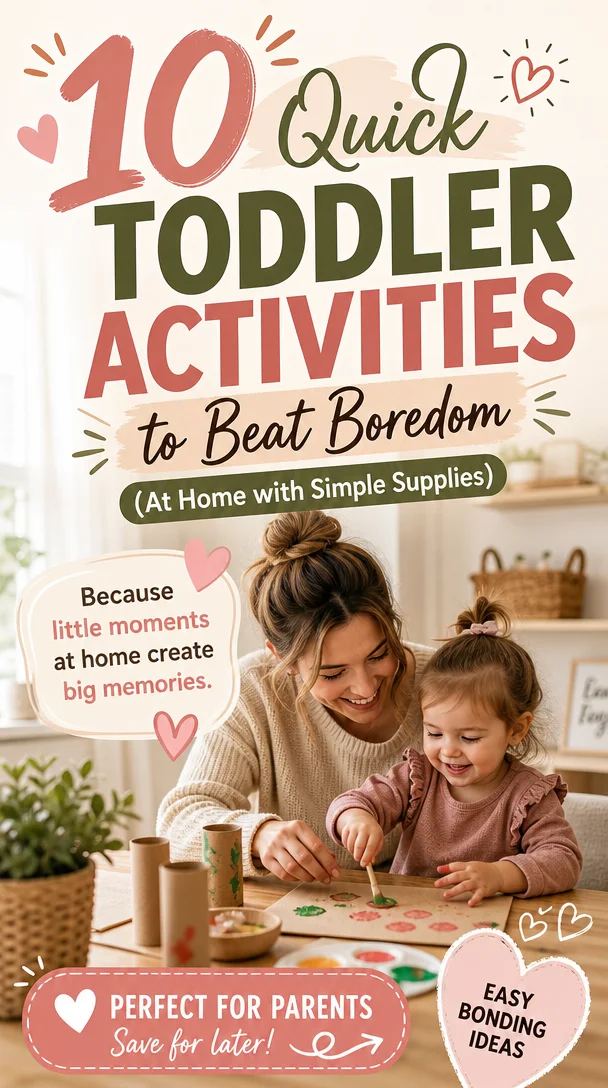
Quick Toddler Activities to Beat Boredom (At Home with Simple Supplies)
The Best Toddler Activities: Engaging Fun for Your Little One
Meta Description
Discover engaging and purposeful toddler activities for 16- to 18-month-olds. Foster development with these fun ideas that make parenting easier and joyful!
Introduction
Ah, the magic of toddlerhood! Those tiny hands, curious eyes, and the way they light up with every new discovery can make your heart swell with joy. But let’s be real — parenting a toddler can also feel like navigating a miniature whirlwind. As they enter the 16 to 18-month phase, these little explorers crave engagement, and finding the right activities can be a game-changer for both of you.
You may wonder how to nurture their natural curiosity while also staving off the chaos. Spoiler alert: it doesn’t require any magic wands, just a sprinkle of creativity and a dash of purpose! In this article, I’ll share a treasure trove of toddler activities designed to stimulate their minds and fine-tune those growing motor skills while keeping the “messy” part of parenting surprisingly delightful.
Let’s jump in and explore the best toddler activities that’ll have your little one giggling, learning, and maybe even napping a little better. Grab your coffee (while it’s still warm!) and let’s make this journey through toddlerhood a joyful one.
Open-Ended Play: The Key to Imaginative Learning
What is Open-Ended Play?
Open-ended play involves toys and activities that allow your toddler to explore freely and creatively. Unlike toys with preset functions, these activities let them experiment, creating their own narratives and scenarios.
Examples of Open-Ended Activities
-
Sensory Bins: Fill a shallow bin with rice, beans, or pasta and hide small toys or scoops for them to discover. This tactile experience develops fine motor skills while satisfying their innate curiosity.
-
Building Blocks: Invest in a variety of building blocks. Encourage your toddler to build tall towers or even replicate what they see around them. Celebrate their creations, no matter how wobbly!
-
Art Station: Set up a dedicated art corner with crayons, washable markers, and paper. Let them scribble away freely to express themselves. Remember, it’s more about the process than the product!
The Joy of Messy Play
Absolutely embrace the mess! While you may cringe at the thought of paint splatters or glitter explosions, messy play is essential for their development. It fosters creativity and builds problem-solving skills as they navigate textures and colors.
Practical Life Activities: Learning by Doing
What Are Practical Life Activities?
These activities mimic daily tasks that adults perform, giving toddlers a sense of ownership and responsibility. They help develop fine and gross motor skills while giving them real-world context.
Examples of Practical Life Activities
-
Transferring Objects: Use small cups or scoops and teach them to transfer items from one bowl to another. Be it beans, buttons, or even pieces of fruit — the focus is on honing those motor skills.
-
Water Play: Fill a shallow basin with a bit of water and give them cups, sponges, or small toys. Not only does this develop coordination, but it also offers a calming sensory experience.
-
Simple Cooking Tasks: Get your little chef involved in the kitchen! Let them mix, stir, or even help wash fruits and vegetables. Kids feel proud being part of family meals, and they learn vital skills along the way.
Montessori-Inspired Activities: Isolating Skills in a Fun Way
What is Montessori Play?
The Montessori approach emphasizes self-directed, hands-on learning. By isolating specific skills in playful contexts, toddlers can cultivate independence and confidence.
Examples of Montessori Activities
-
Puzzle Play: Provide simple wooden puzzles that incorporate shapes and animals. Discuss the pieces and their names as they fit them together.
-
Color Sorting: Use colorful pom-poms or blocks and a muffin tin. Have your toddler sort them by color, fostering both color recognition and classification skills.
-
Buttoning Frames: Create or buy frames that allow them to practice buttoning, zipping, and snapping. This not only aids in fine motor skill development but also builds their self-sufficiency.
Screen-Free Activities: Keeping It Real
In our tech-savvy world, it’s easy to slip into screen time, but let’s prioritize enriching play that engages their minds and bodies.
Screen-Free Ideas
-
Nature Walks: Take them outside and explore the wonders of nature. Collect leaves, stones, or flowers, and discuss colors, shapes, and textures.
-
Dance Party: Play music you both enjoy and have a mini dance-off. Just remember, it’s not about being graceful but about having fun and expressing joy!
-
Storytime Adventures: Choose colorful storybooks with vibrant imagery or interactive textures. Discuss the characters and ask questions to enhance comprehension and social skills.
Tips for Intentional Playtime
1. Set Up a Routine
Establish a flexible daily schedule that includes focused playtime. It could be as simple as:
- Morning: Open-ended play
- Midday: Practical life activities
- Afternoon: Montessori-inspired tasks
2. Be Present
Put away distractions and immerse in the activity together. Your engagement transforms ordinary moments into extraordinary connections.
3. Celebrate Progress
Acknowledge their achievements, no matter how small. “Wow, look how high that tower is!” reinforces their sense of accomplishment and encourages them to keep exploring.
Encouraging Emotional Development
1. Model Emotional Awareness
Talk about feelings openly. Use scenarios from their play to contextually teach empathy — "How do you think that character feels?"
2. Introduce Gentle Discipline
Encourage gentle boundaries. Instead of “No hitting,” rephrase to “We use our hands to help, not hurt.” This redirects behavior positively and cultivates understanding.
3. Engage in Play with Purpose
Use role-play or storytelling to introduce ideas like sharing or taking turns. Narrate actions to gently guide emotional development while keeping it light and fun.
Conclusion
Raising a toddler can feel overwhelming at times, but remember, you’re not alone in this journey. As you explore these engaging and purposeful activities, celebrate each small victory, whether it’s a new word spoken or a tower built. These moments of connection will build a sturdy foundation for their development while making the everyday chaos a little easier to manage.
Embrace the mess, the giggles, and the wondrous exploration. You’re doing an amazing job, and as our little ones grow, so do we as parents. Keep creating those meaningful moments, and let the magic of childhood unfold — one delightful activity at a time.
FAQs about Toddler Activities
Q: How do I choose the right activities for my toddler?
A: Observe what your child enjoys. Choose activities that excite them and introduce new ones gradually to keep their curiosity alive.
Q: What if my toddler loses interest quickly?
A: That’s completely normal! It’s okay to switch activities, keeping things fresh. Follow their lead and adapt as necessary.
Q: Are screen-free activities truly beneficial?
A: Yes! Engaging in screen-free activities promotes cognitive development and nurtures creativity, allowing toddlers to explore the world around them actively.
Remember, in this ever-changing phase of parenting, just know: you’ve got this! Let every little moment count.