
Easy Sponge Toss Water Activities to Turn a Hot Day into Pure Summer Fun for Kids
Splash into Summer Fun with a Sponge Toss Water Activity!
Meta Description: Looking for a fun way to cool off this summer? Discover the joy of a Sponge Toss Water Activity that brings families together while beating the heat!
Dive into Family Fun!
Summer is a magical time for families. The sun shines a little brighter, the days stretch a bit longer, and laughter fills the air. But let’s be honest—keeping kids entertained and cool during those sizzling hot months can feel like a monumental task. Don’t fret! I have the perfect solution that’s not only fun but also brings everyone together: the Sponge Toss Water Activity!
Picture this: you gather your family in the backyard, armed with colorful sponges, buckets, and loads of laughter. Kids squeal in delight as they soak each other (maybe you, too!) with water, all while giving their giggles a workout. This easy-to-set-up game offers a refreshing escape from the summer heat and creates endless opportunities for bonding and laughter.
Why Choose Sponge Toss Water Activity?
When it comes to summer fun, I believe in making the most of simple pleasures. The Sponge Toss Water Activity embodies everything we love about sunny days: ease, laughter, and connection. This activity checks all the boxes—it’s cheap to create, wonderfully fun, and fully adaptable for any age group!
Benefits of Sponge Toss Water Play
- Encourages Physical Activity: Kids naturally love to move, and tossing sponges helps them burn off energy effectively.
- Builds Social Skills: This activity is perfect for playdates or family gatherings, allowing children to practice teamwork and communication.
- Enhances Sensory Play: Water play stimulates the senses, making it soothing and even a little therapeutic.
- Nurtures Creativity: Whether they create their own rules or invent games, kids have a chance to be imaginative while having fun!
So, let’s jump in and learn how to make the most of this joyous sponge toss experience!
Setting Up Your Sponge Toss Water Activity
Preparing for the sponge toss is a breeze! Here’s a step-by-step guide to ensure you have everything ready for an unforgettable afternoon.
Gather Your Materials
Before you start, collect a few supplies. You don’t need much—just a handful of inexpensive items! Here’s your shortlist:
-
Sponges: Purchase several sponges in different colors. You can find these at your local dollar store or online. Cut them into smaller pieces if you’re working with toddlers.
-
Buckets: Grab a couple of large buckets or containers to hold the water and sponge toss targets.
-
Water Source: A garden hose, shower, or even a large bowl filled with water will work perfectly.
-
A Target Area: Set up a small area in your backyard or park where everyone can stand at a safe distance! Mark the spots with cones or brightly colored markers.
-
Protective Gear (optional): Sunglasses or hats can make your participants snazzy and sun-safe!
Step-by-Step Instructions
-
Prepare the Sponges: Soak the sponges in water and place them in one of the buckets. You can even set them in the shade if it’s scorching to keep them cool until ready to toss.
-
Designate Teams: Split everyone into teams. Depending on how many players are involved, you can create multiple teams for a little friendly competition or keep it simple with just two.
-
Establish Tossing Rules: Set a specific distance for the tossing challenge. Aim for at least 10-15 feet away from each other.
-
Time to Toss! Each player takes turns to toss a soaked sponge at their opponents or into a designated target area. Points can be awarded based on distance, accuracy, or creativity!
-
End with a Splash: Allow the last couple of minutes for free play, letting the kids soak anyone they wish with the remaining sponges!
Tips for a Successful Sponge Toss
- Ensure Safety First: Always keep an eye on little ones to prevent slips and spills.
- Switch It Up: Change the game by introducing challenges. For example, stand on one leg while tossing or wear goofy hats!
- Incorporate Learning: Use this time to teach kids about water conservation or the science of displacement as they see how water moves.
- Capture the Moments: Snap pictures of the laughter and fun. These memories are worth sharing!
Ongoing Family Bonding Ideas
After enjoying your sponge toss, consider these additional activities to keep the joy flowing:
Creative Follow-Up Activities
-
Water Balloon Toss: Incorporate water balloons for an exciting variation. This adds a little more surprise and silliness to your day!
-
DIY Water Games: Get crafty by making a DIY water slide using a tarp and some soap. It turns your backyard into a mini water park!
-
Nature Exploration: After a water-filled day, head to a local park. Explore nature, collect wildflowers, or even go on a scavenger hunt.
Conversations to Spark Connection
While enjoying the sunshine, try these discussion starters with your kids:
- “What was your favorite part of today?”
- “If you could create a water game, what would it look like?”
- “How do you feel when you spend time playing together as a family?”
Encouraging these conversations strengthens your bond and opens pathways for communication.
Wrap-Up: Summer Joy Awaits
As you soak in the sunny moments this summer, the Sponge Toss Water Activity is just one way to create cherished memories as a family. I hope you find joy in the simple act of playing together, even amid the busy chaos of parenthood. Embrace the laughter, and don’t fear the mess! Remember that parenting is about creating moments, not perfection.
So gather your supplies, call over your loved ones, and let the sponge fun begin! Embrace the lighthearted joy of summer and make every splash count. You’ve got this, and I’m cheering for you every sticky, messy, and joyful step of the way!
Frequently Asked Questions
1. How can I make the sponge toss activity safer for younger children?
- Keep the tossing distance shorter and use smaller sponges. Consider laying down slip-resistant mats to prevent slips.
2. Can we create challenges within the sponge toss game?
- Absolutely! Change up the rules as you go: challenge kids to toss from different angles or have them try throwing with their non-dominant hand!
3. What if it is too hot outside?
- If it’s sweltering, consider doing the sponge toss in a kiddie pool or hosting the activity in the shade. Always ensure everyone stays hydrated!
Creating joys like these doesn’t just fill a summer day; it fosters memories that last a lifetime. So, splash headfirst into fun, and enjoy each soak and giggle along the way!
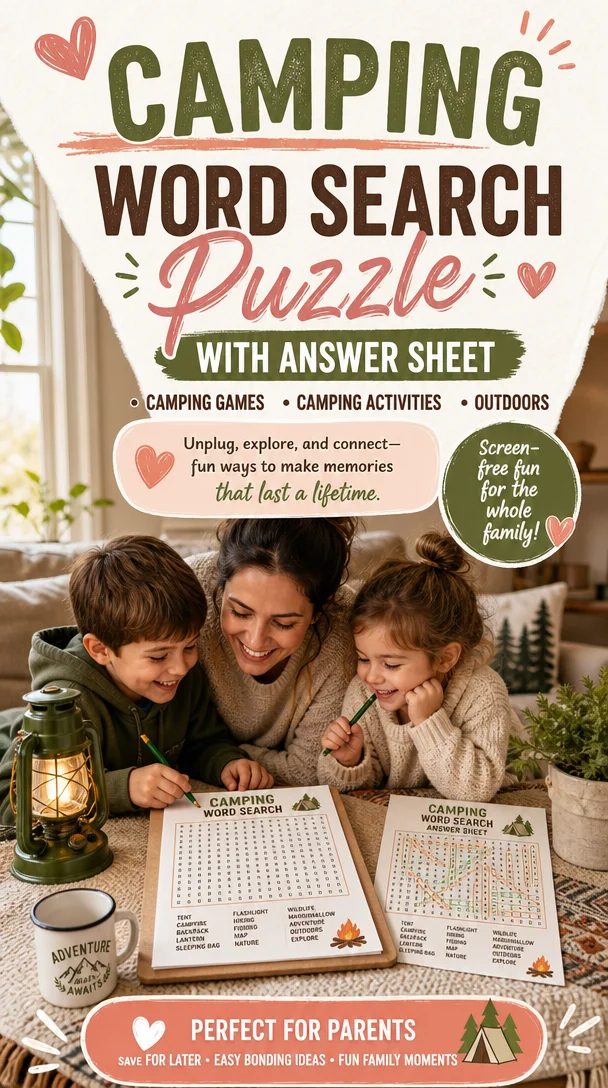
Camping Word Search Puzzle with Answer Sheet, Camping Games, Camping Activities, Outdoors
Unplug and Play: A Fun Camping Word Search Puzzle for Family Bonding
Meta Description
Discover a fun Camping Word Search Puzzle that’s perfect for family bonding on your next camping trip! Engage kids and create lasting memories with outdoor activities.
Introduction
Imagine the warmth of a crackling campfire, the smell of pine trees, and all those magical moments spent outdoors with your family. Camping not only reconnects us with nature but also strengthens our family bonds in ways that busy daily life can’t quite match. But let’s face it—sometimes, amidst the s’mores and stargazing, we need a little downtime to help everyone unwind. That’s where a fun Camping Word Search Puzzle can come to your rescue!
This simple activity is perfect for those peaceful moments around the fire or while waiting for lunch to cook. Not only does it challenge your family’s word recognition and spelling skills, but it also sparks conversations about your camping adventure and builds excitement for the fun ahead. So, gather everyone together, let’s dive in, and make your next camping trip even more memorable—one word at a time!
The Joy of Camping Activities
H2: Why Camping Matters for Families
Camping offers a unique opportunity to bond as a family. Studies show that spending time outdoors reduces stress and encourages creativity. Kids thrive in nature, which promotes their emotional development. Yet, the adventure doesn’t have to end with hiking and fishing. Let’s explore some exciting camping activities alongside our wonderful word search puzzle.
Pro Tip: Before you leave for your trip, set intentions as a family. Talk about what you hope to experience, from hiking challenges to connecting with each other around the campfire.
H3: How to Integrate the Word Search Puzzle into Your Camping Routine
Integrating the Camping Word Search Puzzle into your camping routine can create joyful moments your family will cherish. Here are ideas on how to do just that:
-
Morning Kickoff: Start each camping day with this puzzle during breakfast. It sets a relaxed tone and is a great conversation starter. Whip up some pancakes and challenge your kids to complete the puzzle before the syrup hits the table!
-
Quiet Time Activity: Use the puzzle during downtime, especially after lunch when kids might get a bit restless. Provide colored pencils to make it colorful and engaging. You might even consider a prize for the first one to finish!
-
Campfire Fun: Have the family gather around the fire in the evening. Lightly challenge each other with the puzzle and share stories about the words found within. This could lead to reminiscing about past camping trips and future adventures!
-
Pre-Camping Hype: Engage the kids in the days leading up to your trip. Print the puzzle out as part of the countdown to camping, where completing it becomes an exciting part of the family’s preparation.
The Camping Word Search Puzzle: What’s Inside?
Whether you’re at home or camping in the wild, the Camping Word Search Puzzle truly adds depth to the family experience. When you purchase your word search on platforms like Etsy, you’ll receive:
- A downloadable PDF of the word search puzzle measuring 8.5 x 11 inches, making it easy to print at home or at the campsite.
- An answer key in bold letters for the ultimate game-master experience!
Once you shop for the puzzle, you can easily add it to your camping gear. Bring along some snacks, and let the competitive spirit fly in the beauty of the great outdoors.
Helpful Tips for Maximizing Family Time While Camping
H2: Beyond the Word Search: More Family Camping Activities
H3: Nature Scavenger Hunt
Turn your camping trip into a thrilling adventure by organizing a nature scavenger hunt. Create a simple list of items to find, such as a pine cone, a unique leaf, or a feather. Kids love this activity, which combines exploration with learning!
H3: Storytelling
Gather around the campfire and take turns telling stories. Encourage everyone to share their favorite camping memories or invent silly tales. This tradition not only helps improve your children’s storytelling skills but also strengthens family ties.
H3: Stargazing Guide
If you’re camping in a dark area away from city lights, take advantage of the night sky. Bring a stargazing guide or download a stargazing app. Kids can learn about constellations while soaking in the beauty above.
The Importance of Words in Learning
H2: Enhancing Language Skills with Fun Activities
Engaging in games like the Camping Word Search strengthens your kids’ language skills in a fun and non-stressful manner. Here’s how you can encourage learning while having fun:
-
Talk About the Words: Discuss each new word as you find it, like “campfire,” “hiking,” and “s’mores.” Ask your kids to tell you their favorite camping memory associated with each word.
-
Create a Word List: After completing the puzzle, create a word bank. Write sentences using the words together to strengthen language skills and storytelling ability.
-
Encourage Spelling: Use the words as spelling tests. Ask your kids to spell out loud, giving them praise for their efforts, no matter the outcome.
Encouraging Family Involvement and Teamwork
H2: Make It a Challenge!
Make your Camping Word Search puzzle a fun family competition! Set up teams (parents against kids, anyone?) and keep track of who finishes first. Celebrating small wins with silly prizes adds excitement to the mix. After all, who doesn’t enjoy a little friendly rivalry?
Conclusion: Embrace Every Moment
Camping can truly nourish the soul as we disconnect from screens and reconnect with nature and each other. Integrating simple activities like a Camping Word Search Puzzle into your trip enriches your experience, allowing for learning, laughter, and connection.
So, as you gear up for your next adventure, remember this: you don’t have to be the perfect parent. Your kids just want your presence and the love you provide. So grab those puzzles, pack those s’mores, and hit the great outdoors. You’re creating cherished memories one little moment at a time!
FAQ Section
Q: How can I find an engaging Camping Word Search Puzzle?
A: Check platforms like Etsy or craft stores for downloadable puzzles that fit your family’s interests!
Q: What are some other screen-free activities we can do while camping?
A: Consider storytelling, board games, or a nature scavenger hunt as delightful alternatives!
Q: How can I manage quiet time during our camping trip?
A: Encourage reading, mindfulness exercises, or activities like coloring or art projects to help everyone unwind.
By embracing these ideas, you can transform your family camping experience into an adventure filled with laughter, learning, and love. Happy camping!
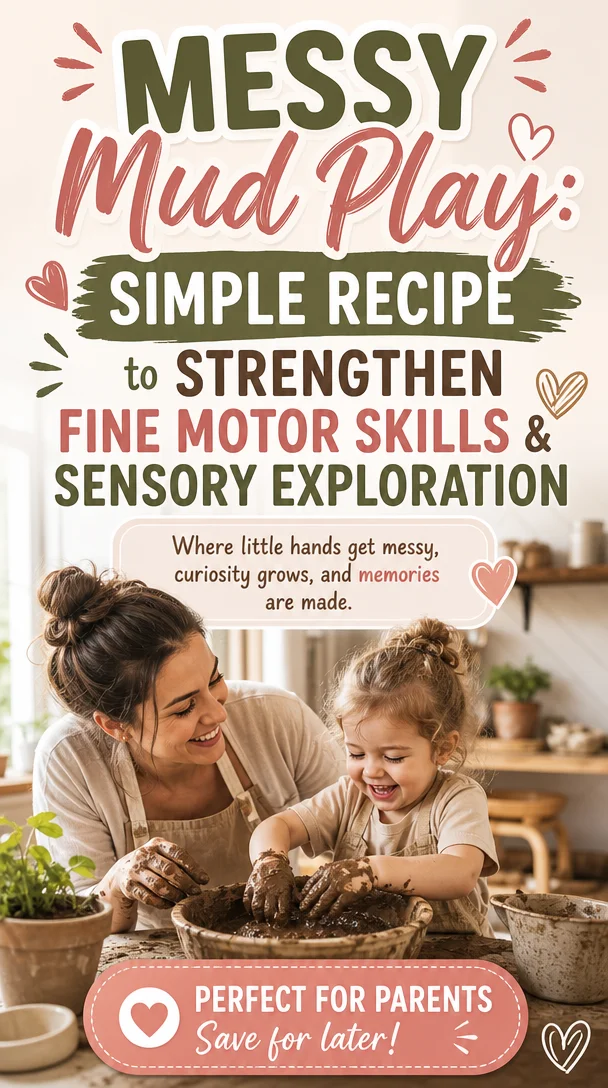
Messy Mud Play: Simple Recipe to Strengthen Fine Motor Skills & Sensory Exploration
Play Mud Recipe: Strengthening Fine Motor Skills Through Sensory Play
Meta Description
Engage your child’s fine motor skills with our easy play mud recipe! Discover how this sensory play is a fun way to learn and grow together.
Introduction
As parents, we all know that children learn best through play. It’s astonishing how something as simple as mud can open up a world of exploration and learning. Have you ever watched your little one joyfully squishing their hands in a muddy puddle or digging in the dirt? Those moments are more than just messy fun; they’re instrumental in developing essential skills like fine motor control and sensory awareness.
Today, I want to share an exciting play mud recipe that’s incredibly easy to make, requires just a few household ingredients, and will keep your little ones engaged for hours. Plus, we’ll discuss how to incorporate insect figurines into the play for an extra layer of exploration. So, grab your apron, and let’s get our hands dirty—figuratively and literally!
Why Play Mud Matters
Fostering Fine Motor Skills
Fine motor skills are essential for everyday tasks. From writing to buttoning shirts, strengthening these skills early on helps set our kids up for success. The act of squishing, rolling, and molding play mud requires coordination and dexterity, which naturally develops these critical abilities.
Enhancing Sensory Experiences
Sensory play is vital for toddlers and preschoolers. Engaging with different textures stimulates their senses and enhances cognitive development. Play mud not only feels cool and squishy but also smells earthy, providing a holistic sensory experience.
The Perfect Play Mud Recipe
Here’s the best part; you can whip up this play mud using items you likely have around your home. Here’s how:
Ingredients
- 2 cups all-purpose flour
- 1 cup water
- 1 tablespoon vegetable oil
- Food coloring (optional)
- 1/2 cup cocoa powder (optional, for color and scent)
Instructions
- Mix Dry Ingredients: In a large bowl, combine the flour and cocoa powder (if using). Stir well until combined.
- Add Wet Ingredients: Slowly add water and vegetable oil to the dry mixture. If you want colored mud, now is the time to add a few drops of food coloring.
- Knead the Mud: With your hands, knead the mixture until you achieve a smooth, pliable consistency. If it feels too wet, add a little more flour. If it’s too dry, add a spoonful of water.
- Store Smarter: Keep your play mud in an airtight container or resealable bag to maintain freshness.
Adding Insect Figurines for Extra Fun
To enhance your sensory experience, consider incorporating small insect figurines into your play mud. These tiny creatures can inspire imaginative play and offer endless opportunities for learning about nature. You could:
- Conduct a “bug rescue” mission where kids dig to find hidden insects.
- Create a mini ecosystem in the mud, explaining how each bug plays a role in the environment.
- Use the figurines to talk about different habitats and behaviors.
Helpful Tips for an Engaging Play Experience
- Set Up a Play Station: Create a designated play area with a tarp or old blanket. This way, cleanup becomes a breeze, allowing everyone to enjoy the activity without worrying about the mess.
- Use Tools: Provide your child with tools like small shovels, spoons, or even cookie cutters. These tools encourage manipulation, enhancing fine motor skills while also making play more engaging.
- Incorporate Themes: Change the play scenario week to week. One week could focus on a bug adventure, while another could revolve around a beach or construction theme—endless opportunities for creativity!
Engaging Conversation Starters
As your child plays, engage them with simple questions to encourage conversation and curiosity:
- “What colors do you see in the mud?”
- “How does it feel in your hands?”
- “What do you think these insects are doing?”
The Importance of Process Over Perfection
As you embark on this messy adventure, remind yourself that this is all part of the process. It’s not about creating the perfect mud sculpture; it’s about the joy of exploration, the giggles, and the learning that occurs through the experience. Celebrate those small wins—whether it’s your child befriending a bug or realizing they can make a mud pie!
Wrapping Up
Engaging in sensory play with your child doesn’t just bolster their fine motor skills; it creates opportunities for bonding, exploration, and joy. Remember, parenting often involves embracing the messy parts of life, and play mud offers a fantastic way to celebrate those moments.
So, get ready to mix some mud, let your imagination run wild with those bug figurines, and enjoy this wonderful opportunity to bond with your little ones. And remember, you’re doing an incredible job navigating this parenting journey. Celebrate the small victories, like warm coffee and messy hands!
FAQs
Can I store play mud for later use?
Yes! Keep it in an airtight container or a plastic bag. It should last for about a week or two if stored properly.
Is this play mud safe for younger children?
Absolutely! All the ingredients are safe; however, always supervise young kids to prevent any accidental ingestion.
What if my child doesn’t enjoy the texture?
That’s okay! Some children are sensitive to touch. Try introducing the texture gradually or allow them to engage in other ways, like scooping with tools.
Join the Little Life Society community for more ideas, encouragement, and tips on navigating this beautiful, messy journey of parenting! 💛
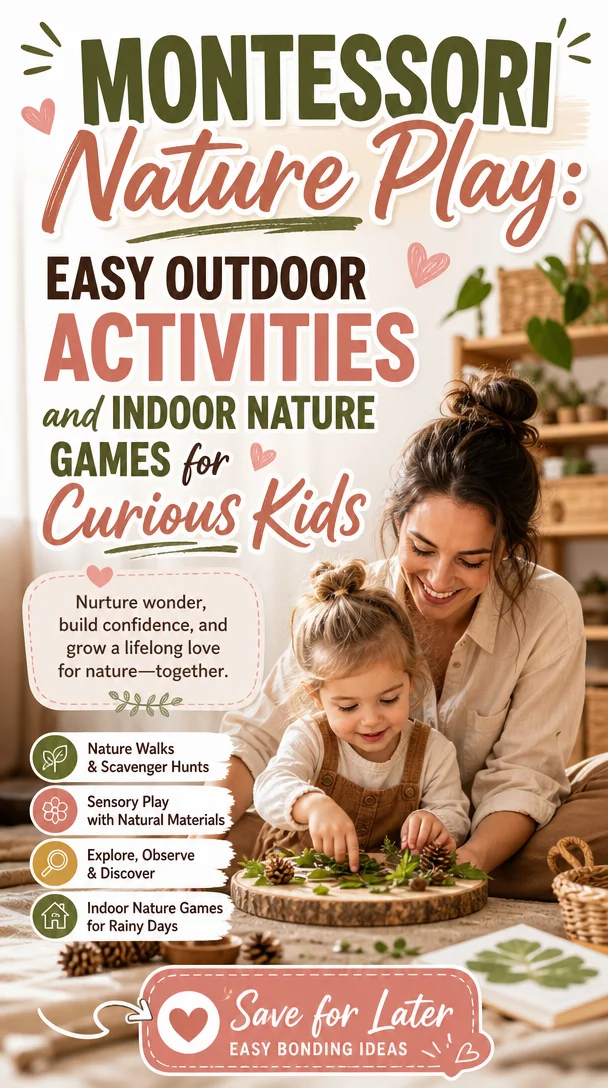
Montessori Nature Play: Easy Outdoor Activities and Indoor Nature Games for Curious Kids
Unlocking the Magic of Montessori: Fun Activities for Outside and Nature-Themed Learning
Meta Description: Discover engaging Montessori activities for outdoor learning and nature-themed games to inspire creativity and connection in your family life!
Introduction
Hey there, fellow parents! If you’ve ever found yourself searching for activities that can spark joy and learning in your little ones, then you’re in the right place. Parenting often feels like juggling a million balls in the air, and the quest for enriching yet simple activities can seem daunting. But it doesn’t have to be!
Montessori education beautifully combines hands-on learning with the exploration of the world around us. Imagine your toddler running barefoot on grass, collecting leaves, or building a mini garden — all while learning in the most natural and joyful way. In this post, we’re diving into Montessori-inspired activities for outside, nature-themed learning, and indoor games that can turn every day into an adventure. Grab a cozy seat, maybe a cup of your favorite brew, and let’s get inspired!
Exploring Montessori Outside: Nature and Movement
The great outdoors offers endless opportunities for children to learn and awaken their senses. Here are some delightful Montessori-inspired activities to embrace nature’s wonders.
Nature Scavenger Hunt
Why not turn a simple walk into a thrilling adventure? Create a scavenger hunt by providing your little one with a checklist of nature items to find. This could include:
- Different types of leaves (maple, oak, etc.)
- Rocks of various shapes and sizes
- Flowers in various colors
- Insects or birds
As your child checks off each item, encourage them to observe the textures, colors, and shapes. It’s an excellent way to sharpen their observation skills while fostering a sense of wonder.
Sensory Exploration Bags
Get creative by making sensory exploration bags filled with items from nature. Here’s how you can do it:
- Collect: Gather leaves, flowers, small stones, and other textures.
- Fill: Place the items in clear ziplock bags. Add a little water and tape them securely.
- Explore: Let your child squeeze, press, and squish the bags to feel the different textures.
This activity not only allows them to explore their tactile senses but also sparks conversations about colors, shapes, and the different parts of plants.
DIY Butterfly Garden
Building a butterfly garden can be a magical activity for your child. Here’s a simple way to involve them in the process:
- Select a Spot: Find a sunny area in your yard or balcony.
- Choose Plants: Plant flowers that attract butterflies, such as milkweed or lantana.
- Create a Routine: Water the plants together and check for butterflies regularly.
Creating a butterfly garden teaches kids about life cycles and the importance of our environment. Plus, they’ll love watching the butterflies flit around their efforts!
Engaging Indoor Nature Games
Sometimes, the weather may not cooperate with our outdoor plans. No worries! Here are a few Montessori-inspired indoor games that keep the outdoor vibe alive.
Nature Art Collage
Bring nature indoors by making a beautiful art collage. Here’s how:
- Collect: Gather leaves, petals, and twigs on your next outdoor adventure.
- Create: Provide a canvas or sturdy paper, and let your child glue their collection onto it.
- Discuss: Talk about the colors and shapes of each item while they create.
This crafts project promotes fine motor skills and encourages creativity. It also provides a perfect opportunity to discuss the different aspects of nature.
Indoor Garden Observation
Set up a mini indoor garden using pots, soil, and seeds. Choose quick-growing plants like beans or grass. Each day, have your little one observe and note any changes. They can sketch the growth stages or simply talk about what they see.
This hands-on activity instills patience and responsibility while allowing your child to connect with nature in a meaningful way.
Nature-Themed Treasure Boxes
Create nature-themed treasure boxes! Get a small container and fill it with items related to nature. For instance, you might include:
- Pinecones
- Acorns
- Small stones
- Dried flowers
Encourage your child to explore the box and describe what they find. This can lead to storytelling, sensory play, and creativity in design.
Encouraging Emotional Connection through Nature
Using nature as a focal point isn’t just about learning; it’s about connecting emotionally, too. Here are a few ways to foster a deeper connection:
Mindfulness Moments
During outdoor activities, incorporate moments of mindfulness. Pause and take a breath together, listen to the sounds around you, or close your eyes and feel the breeze. This practice can help ground your child and foster an appreciation for their surroundings.
Gratitude Walks
Take walks in nature and encourage your child to express their gratitude. You might say, “What’s something beautiful we see today?” This fosters an emotional connection to nature and a positive mindset.
Practical Tips for Implementing Montessori Activities
- Keep It Simple: Choose activities that require minimal preparation and materials. This empowers you to focus on enjoying the moment.
- Follow Their Lead: Pay attention to your child’s interests. If they show excitement about a particular topic (like bugs or plants), dive deeper into those areas.
- Involve Them in Preparation: Let your child help with setting up activities or gathering materials. It builds independence and ownership over their learning.
- Be Patient: Remember, every child learns at their own pace. Celebrate small wins and encourage exploration without pressure.
Conclusion
Remember, dear parents, you don’t have to be perfect to create a world of wonder for your little ones. Embracing Montessori principles with nature-themed activities cultivates curiosity and joy, turning every moment into an opportunity for learning.
Each time you step outside or gather materials together, you create lasting memories and teach your children about the beauty of simplicity and exploration. The best part? You’re not just nurturing their minds; you’re strengthening your emotional bond. So, as you embark on this adventure, know that every small step counts, and you’re doing an incredible job!
Grab those leaves, make those collages, and enjoy every little moment. You’ve got this, and your kids will thrive because of your efforts. Happy exploring!
Optional FAQs
1. What age group is Montessori outdoor learning suitable for?
Montessori activities can suit a wide range of ages, but they are typically designed for toddlers to preschool-aged children. Adjust activities according to your child’s interests and capabilities.
2. How can I encourage my child to engage with nature if they’re hesitant?
Start small! Introduce nature gradually through short outdoor activities, quick walks, or even nature-themed stories. Create a low-pressure environment to spark their curiosity.
3. Are there specific materials I need for Montessori nature activities?
No special materials are required! Most activities utilize common household items or items you can gather from nature. Keep it simple and fun!
4. How do I balance structured activities and free play in nature?
Both structured activities and free play hold value! Offer guided activities then allow open-ended exploration where your child can follow their interests.
5. Can Montessori activities be done indoors?
Absolutely! Many Montessori principles encourage indoor learning, and you can easily adapt many activities to fit indoor spaces.
Now go on, embrace these activities, and enjoy the magic of the great outdoors and your little ones’ discoveries! 🌿✨

Endless Tween Fun: 31 Indoor and Outdoor Activities to Beat Boredom All Year
31 Indoor and Outdoor Tween Activities to Beat Boredom Year-Round
Meta Description: Discover 31 engaging indoor and outdoor tween activities that inspire creativity and joy while keeping boredom at bay, no matter the season!
Hey there, fellow parents! Isn’t it amazing how quickly our little ones grow? One minute they’re chubby-cheeked toddlers, and the next, they’re tweens with their own interests, opinions, and, let’s be honest, a fair share of boredom! If you’ve found yourself staring at a group of tweens wondering how to keep them entertained year-round, you’re in the right place.
Parenting tweens presents its own set of challenges—particularly when it comes to keeping them engaged without relying on screens. You want to nurture their creativity, encourage their independence, and create lasting memories. Whether you’re at home or exploring the great outdoors, we all need a little inspiration to fight that familiar foe, boredom.
So, grab a cozy seat, a warm drink (or perhaps a glass of iced tea!), and let’s dive into 31 fun ideas that will keep your tweens happy, engaged, and excited to spend time with the family. Let’s make every moment count!
Indoor Activities to Spark Creativity and Connection
1. DIY Science Experiments
Nothing piques curiosity like fun science experiments. Thin slices of potato can turn an ordinary kitchen into a science lab! Trying out a homemade volcano or chromatography with markers will not only entertain but also educate. You’ll find that hands-on learning can spark some great conversations.
2. Bake-Off Challenge
Unleash those inner bakers! Organize a bake-off where each tween gets creative with a unique recipe. Whether they whip up cookies, cupcakes, or even a pizza, the entire family can enjoy taste-testing at the end. This could lead to fun discussions about flavors, toppings, and their baking techniques!
3. Indoor Obstacle Course
Clear some space and create an obstacle course using cushions, chairs, and blankets. Let them race against the clock, and add challenges like carrying a spoonful of water while balancing on one foot. This gets them moving and laughing, and you’ll get to unleash your inner goofiness right alongside them.
4. Start a Book Club
Encourage a love of reading with a family book club. Choose a book that interests your tweens, set a date for discussion, and plan some snacks to enjoy while chatting. Invite your tweens to choose the next book. This sparks both conversation and a sense of responsibility.
5. Art and Craft Day
Gather supplies like watercolor, colored pencils, and canvases for an art day. Let their creativity fly! They can paint, draw, or even try their hand at DIY crafts. Share your own artwork, and then create a mini gallery to showcase everyone’s masterpieces.
6. Virtual Museum Tours
On days when everyone feels indoorsy, take a virtual tour of a museum, zoo, or even an aquarium together. This offers an exciting opportunity to learn and interact during your virtual excursions. Discuss what they see, and ask them what sparks their interest the most.
7. Write and Perform a Skit
Get imaginative! Your tweens can brainstorm a fun storyline, write scripts, and perform a short skit. This encourages teamwork, creativity, and lots of laughter. Don’t forget to record it for fun family memories!
8. Puzzle Game Night
Dig out those puzzles that have been collecting dust (or head to a store for a new one) and spend an evening piecing them together. This activity fosters a sense of accomplishment and collaboration. Plus, it’s a great way to bond while solving challenges!
Outdoor Adventures to Embrace Nature
9. Nature Scavenger Hunt
Bring some excitement to a walk by organizing a nature scavenger hunt. Create a list of things to find—like a pinecone, a feather, or a specific type of leaf. Let them be explorers for the day.
10. Camping in the Backyard
Set up a tent in the backyard for an outdoor campout. Complete the ambiance with cozy sleeping bags, ghost stories, and s’mores! This can provide an easy escape from technology while enjoying starry skies.
11. Gardening Together
Encourage green thumbs by starting a small garden together. Teach your tweens about planting and caring for flowers or vegetables. This activity offers lessons in responsibility, patience, and the joy of nurturing life. Plus, they’ll feel proud seeing their plants thrive!
12. Neighborhood Bike Ride
Let your tweens hop on their bikes for a neighborhood adventure! Make a plan to explore different streets or check out local parks. You might even stumble upon new trails or fun spots in your area.
13. DIY Nature Crafts
Collect leaves, flowers, and twigs during your outdoor explorations, and then create beautiful nature crafts. Crafting with natural materials adds a layer of creativity, and you’ll have mementos to remember your adventures.
14. Outdoor Movie Night
Set up a projector in the backyard for an outdoor movie night! Lay out blankets and pillows, pop some popcorn, and settle in for a night under the stars. Ask your tweens to pick a movie, making it feel like a special family event.
15. Fun Water Balloon Games
Why limit water play to just summer? Prepare some water balloons for an afternoon of splashing fun. Incorporate games like water balloon toss or capture-the-flag-style events. Trust me, laughter will echo from your yard!
Combining Fun with Learning
16. Coding Games
Introduce your tweens to the world of coding with engaging games and tutorials online. This teaches them valuable skills while keeping them entertained. Plus, it can spark their interest in tech careers!
17. DIY Musical Instruments
Repurpose household items to create instruments together. For example, use rubber bands on an empty tissue box to make a guitar or shake rice-filled bottles for maracas. Then, hold a mini family concert showcasing your musical talents!
18. Language Challenges
Make learning a new language fun! Turn it into a game where everyone learns a few words or phrases. Write them on flashcards and quiz each other later. This keeps the learning light-hearted and engaging.
19. Family Sports Tournament
Organize a mini-sports tournament in your backyard or local park. From soccer to frisbee to relay races, let the games begin! This promotes healthy competition and joyful family bonding.
20. Explore STEM Projects
Get hands-on with fun STEM projects! Create simple machines, build bridges with spaghetti, or conduct volcano experiments. The best part? You’ll guide them through learning and skill-building without traditional textbooks.
Encouraging Independent Play
21. Set Up a Reading Nook
Create a cozy reading corner where your tweens can settle down with their favorite books. Add cushions, a blanket, and good lighting to encourage them to immerse themselves in stories. Let them curate the space with books they love!
22. Journaling for Reflection
Introduce journaling as a way to express thoughts and feelings. Encourage them to write about their day, their dreams, or even doodle their moods. This promotes emotional awareness and can be a healthy outlet for their inner thoughts.
23. Creative Writing Prompts
Spark their imagination with unique writing prompts. Questions like “If you could travel anywhere in time, where would you go?” can inspire creativity. These exercises encourage storytelling and writing skills—plus, you might even get a good laugh from their ideas!
24. DIY Escape Room
Channel your inner puzzle master! Set up a DIY escape room in your home using riddles and clues. Give your tweens tasks to solve within a time limit, adding an element of adventure that can be both fun and challenging.
25. Themed Days
Plan themed days such as “Adventure Day,” “Art Day,” or “Science Day.” Provide materials and activities related to the day’s theme. This sparks excitement and gives them something to look forward to!
Bringing It All Together
26. Family Game Night
Pick a night each week for board games or card games. Whether you’re playing classics or new ones, a game night encourages friendly competition and laughter, creating boundless memories.
27. Build a Blanket Fort
Revisit this childhood joy! Build a gigantic blanket fort in the living room. Fill it with pillows, bring in some books, and enjoy cozy stories together. This simple activity brings warmth and encourages bonding.
28. Visit Local Markets or Fairs
Explore local farmers’ markets or city fairs together. Engaging with local vendors offers real-life experiences your tweens will cherish. Plus, it’s a great way to teach them about supporting local businesses.
29. Photography Challenge
Embark on a photography scavenger hunt, where each tween documents what they find interesting. This teaches them about composition and perspective and encourages them to look at the world through a new lens.
30. Community Service Projects
Get involved as a family through community service. Tasks like cleaning up a park, volunteering at a local shelter, or helping out at an event teach children the importance of giving back while creating shared experiences.
31. Host a Family Talent Show
Let your tweens showcase their skills and talents through a family talent show! Singing, dancing, comedy—anything goes! This boosts their confidence and provides lots of laughs as you enjoy each other’s talents.
Encouraging Conclusion
You did it! You now have a treasure trove of 31 exciting indoor and outdoor tween activities. These ideas will keep boredom at bay and foster development, laughter, and connection with your growing kids. Embrace the beauty of those delightful and sometimes messy moments together—they’ll become cherished memories you’ll hold close as a family.
Remember, parenting isn’t about perfection; it’s about being present and creating magic in small moments. So, put these ideas to use, and watch your tweens thrive while having fun. You’ve got this!
FAQ Section (Optional)
Q: How can I motivate my tween to try these activities?
A: Share your enthusiasm! Show them how much fun you think the activities will be, and even consider doing some alongside them.
Q: What if my tween isn’t interested in a particular activity?
A: Encourage them to pick activities that resonate with their interests. Having ownership will make them more excited to participate.
Q: How can I ensure we make time for family activities?
A: Consider scheduling family time on the calendar. Consistent time together can strengthen bonds and create lasting traditions.
Q: What if I don’t have all the materials for some of these activities?
A: Get creative! Many activities can adapt to what you have at home, and improvisation can lead to unexpected fun.
Now, go out there, get creative, and conquer boredom in style—one adventure at a time!