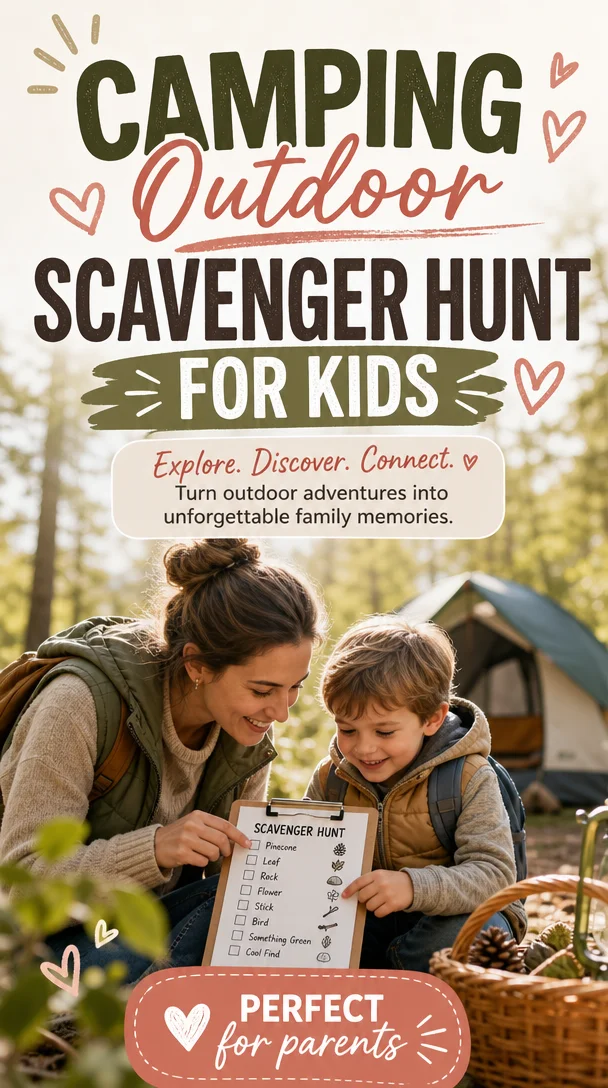
Camping/Outdoor Scavenger Hunt for kids JPEG, PNG, PDF
Create Joyful Family Memories with a Fun Outdoor Scavenger Hunt
Meta Description
Embark on a thrilling outdoor scavenger hunt with your kids! Discover tips, ideas, and free downloadable templates to make family time unforgettable.
Introduction
As parents, we all want to create magical moments with our little ones, don’t we? But let’s be honest—sometimes, the routine can feel a bit dull, and our kids might just be too glued to their screens. If you’re looking for a simple yet exciting way to ignite some adventure and exploration, then you’re in the right place! 🌳✨
Imagine this: a beautiful sunny day, your kids bursting with energy, and you have a little plan tucked away in your pocket—a scavenger hunt! This simple outdoor activity not only engages their curious minds but also encourages them to bond with nature and each other. Whether you’re at the local park, in your own backyard, or on a camping trip, an outdoor scavenger hunt can turn an ordinary day into a treasure trove of fun and laughter.
In this article, I’ll guide you through the joys of hosting a scavenger hunt, offer practical tips, and share fun ideas to ensure your family experience is both memorable and full of connection. Let’s dive in!
Why an Outdoor Scavenger Hunt is Perfect for Family Bonding
Embrace the Great Outdoors
Nothing beats the great outdoors when it comes to letting kids explore. Much like we, parents, feel rejuvenated by fresh air, our children thrive when they can stretch their legs and soak up nature’s wonders. A scavenger hunt allows them to notice the little things—a fluttering butterfly, a chirping bird, or the rustle of leaves underfoot.
Learning Opportunities
Scavenger hunts are not just about finding items; they present fantastic learning experiences. While hunting for specific things, kids practice observation and critical thinking skills without even realizing it! You can sneak in a lesson about colors, textures, and even environmental science.
Quality Family Time
Let’s be real: life gets hectic, and sit-down family meals can feel like a rare treat. An outdoor scavenger hunt allows your family to connect over shared experiences and laughter. You’ll find that working as a team encourages cooperation and strengthens family bonds.
Preparing for the Perfect Scavenger Hunt
Gather Your Supplies
You don’t need much to set off on your adventure! Here’s a quick checklist to get you started:
- Clipboard or book: Ideal for older kids to keep their lists neat.
- Pencil or washable markers: Perfect for checking off items.
- Bag or basket: A fun way to collect small items (like pinecones or leaves) along the way.
- Camera or smartphone: Capture those priceless moments!
Create the Scavenger Hunt List
One of the most fun parts! Making your scavenger hunt list can be a creative activity in itself. Depending on where you’re going, think about including:
- Nature items: A yellow flower, smooth stone, specific tree leaves.
- Animal sightings: A squirrel, butterfly, or bird.
- Man-made objects (if you’re in a park or an urban area): A park bench, a painted rock, or a fountain.
You can download and customize a scavenger hunt template in JPEG, PNG, or PDF format, making it easy to print and share! Remember, this playful list sparks curiosity, so feel free to get imaginative!
Set the Rules
Before you head out, gather your little adventurers and explain the rules. How long do you have for the hunt? Are there bonus points for creativity? Maybe introduce a fun twist, like requiring them to take a photo of each item instead of collecting it. This way, everyone feels included, even younger siblings who can’t quite keep up.
Tips to Make Your Scavenger Hunt Engaging
Involve Your Kids in Planning
Let your children help design a portion of the scavenger hunt! Allow them to pick specific items they’d like to find or areas to explore. This involvement gives them a sense of ownership and excitement.
Use Themes
Consider incorporating themes for added excitement! For example, you could do a nature-themed hunt or even a color-themed hunt where kids only search for items in a specific color. Themes add an extra layer of fun and creativity.
Include Educational Snippets
As you search for items, include small facts or stories related to what you find. If you spot a ladybug, share a quick fact about how they help gardens. This blend of engagement and learning creates a nurturing atmosphere.
Make it a Friendly Competition
Consider turning the scavenger hunt into a friendly competition. Divide into teams and see who can find the most items. Just a touch of competition can boost enthusiasm, particularly among older kids.
Examples of Fun Scavenger Hunts
Nature Expedition
- Objective: Explore and learn about nature.
- Items to find:
- Smooth pebble
- Feather
- Yellow flower
- Odd-shaped stick
Neighborhood Adventure
- Objective: Discover familiar sights in a new way.
- Items to find:
- Mailbox with a flag
- Red car
- Unique door knocker
- A happy pet (bonus points for taking a selfie with it!)
Camping Quest
- Objective: Enjoy the great outdoors at your campsite.
- Items to find:
- Pinecone
- Something soft (like moss)
- Stars in the night sky (can sketch as night falls)
- Campfire supplies (safe gathering sticks)
Helpful Tips for a Successful Scavenger Hunt
Keep it Simple
If your kids are very young, ensure the list remains manageable. Scavenger hunts should feel like an adventure, not a chore. You want them to explore eagerly and fill their hearts with joy—not frustration.
Be Patient and Flexible
Sometimes, your little explorers might get side-tracked by a cool bug or a brightly colored flower, and that’s okay! Encourage their curiosity— you may end up discovering gems you hadn’t planned for.
Capture the Moments
Just like you cherish those special family moments, remind yourself to snap a few photos during your adventure. Later, you can compile these memories into a scrapbook or a digital album.
Conclusion
Whether you’re heading into the woods or simply stepping outside your front door, an outdoor scavenger hunt provides a perfect opportunity to bond with your kids. This low-pressure, high-fun activity fosters teamwork, curiosity, and creativity—all while you share some quality time together.
Remember, you don’t have to create elaborate or perfect experiences to make lasting memories. Sometimes, the simplest activities—like seeking out the wonders of nature together—bring the most joy and laughter.
So grab that downloadable template, plan your list, and head out for a day of fun and exploration. You’ve got this, and your little ones are sure to cherish the adventure you create together!
Frequently Asked Questions
1. What age is best for a scavenger hunt?
You can customize scavenger hunts for any age! For toddlers, keep it simple. For older kids, add challenges or trivia related to each item.
2. Can I do this indoors?
Absolutely! You can create indoor scavenger hunts using household items or specific colors, perfect for rainy days.
3. How can I make it more educational?
Introduce themes that focus on specific skills, like science or art, and integrate questions or facts about each item on the list.
4. Is there a way to incorporate technology?
Consider using a mobile app for a digital scavenger hunt, linking to photos and clues as your kids find items. Just balance screen time to keep it fun!
Download your scavenger hunt files today and get ready to make unforgettable memories with your family!

Sort Leaves by Size: A Quick, Fun Nature Activity for Curious Kids
Leaves Size-Sorting Kids Activity: A Fun Way to Engage Your Little Ones
Meta Description: Dive into a creative leaves size-sorting activity that supports your child’s learning and development. Get ready for fun, exploration, and family bonding!
Introduction
Picture this: it’s a crisp autumn morning, and your children are bursting with energy and curiosity as they step outside. Leaves of all shapes and sizes scatter the ground, creating a beautiful, colorful canvas for exploration. As parents, we want to create meaningful, engaging experiences that spark our little ones’ imaginations and foster a love for learning. That’s why today, I’m excited to share a delightful leaves size-sorting activity that not only captivates your child’s attention but also teaches valuable skills along the way!
We often find ourselves juggling various roles—and if you’re like me, you sometimes wonder how to combine fun with education without adding pressure to your already busy schedule. This leaves size-sorting activity is here to help! It’s simple, engaging, and offers a beautiful opportunity for connection with your kids. So, grab a warm cup of coffee, and let’s dive into this creative adventure that you can easily integrate into your family life!
Why Size-Sorting Activities Matter
Engaging your children in size-sorting activities brings numerous developmental benefits. Sorting helps enhance fine motor skills, boosts cognitive development, and teaches classification—skills that lay the foundation for early math understanding. Moreover, size-sorting activities encourage children to observe their surroundings, think critically, and express their discoveries.
The Benefits of the Leaves Size-Sorting Activity
- Fine Motor Skills Development: Picking up different sizes of leaves fosters dexterity and hand-eye coordination.
- Cognitive Growth: Children learn to compare, classify, and draw connections as they sort leaves based on size.
- Nurturing Creativity: This hands-on activity encourages imagination as children invent stories and scenarios about their findings.
- Emotional Bonding: Working together fosters a sense of teamwork and connection as you share in the excitement of discovery.
How to Set Up Your Leaves Size-Sorting Activity
Now that we understand the benefits, let’s explore how to create this enchanting leaves size-sorting activity! You don’t need elaborate materials or a large space; just some creative energy and a few simple steps!
Step 1: Gather Your Materials
- Leaves: Go on a nature walk to collect a variety of leaves in different sizes. Encourage your children to select leaves they find interesting, whether they are large oak leaves or tiny maple ones.
- Containers/Baskets: Use small baskets or containers to create sorting stations. You can even recycle old boxes to make it eco-friendly!
- Markers and Paper: Provide different colored markers and blank paper for your child to document their findings if they wish.
Step 2: Explore and Sort
Once you have collected your leaves, lay them out on a flat surface, and let the sorting begin! Here’s how you can guide your children through the activity:
- Discuss Sizes: Start by discussing the different sizes of leaves. Ask questions like, “Can you find a leaf that is bigger than your hand?” or “Which leaf is the smallest?”
- Sorting Time: Encourage your little ones to sort the leaves into different containers based on size—small, medium, and large. You’ll be amazed at how they interact with the leaves and each other during this process!
Tips for a Successful Sorting Experience
To ensure this activity is both enjoyable and educational, here are some practical tips:
- Be Patient: Allow your child to take the lead. If they want to sort leaves by color or shape instead, that’s perfectly fine! Follow their lead and let their creativity shine.
- Encourage Dialogue: Engage in conversations as they sort. Ask open-ended questions about their preferences and thoughts, like “Why do you think this leaf is larger than that one?”
- Integrate Learning: Use this opportunity to introduce concepts like weight or texture. Feel the leaves and discuss which ones are light and which are thick and sturdy.
Incorporating Other Learning Elements
If you want to expand this simple activity, consider adding other educational elements:
Additional Sorting Themes
- Colors: Sort the leaves by color, creating a vibrant spectrum.
- Textures: Talk about the differences in texture—smooth versus rough.
- Shapes: Incorporate shape sorting by categories, like pointy versus round leaves.
Nature Journals
Encourage your child to create a nature journal! After sorting, they can draw or write about their favorite leaves, what they learned, and the adventure of collecting them. This practice helps develop literacy skills while reminding them of the day’s discoveries!
Fun Conversations to Spark Imagination
Use this activity as a launching point for imaginative storytelling. Encourage your little ones to create tales about the leaves they collected. Ask questions like:
- “If this leaf could talk, what story would it tell?”
- “What adventures do you think this leaf has been on?”
These types of conversations not only stimulate their creativity but also enhance their communication skills. You’ll find yourself sharing laughter and creating beautiful memories with each story that unfolds.
Encouraging Teamwork and Family Bonding
Invite siblings, or the whole family, to join the leaves size-sorting fun! Working as a team allows everyone to learn from one another and encourages cooperative play. Plus, it’s an excellent way to bond as a family. Here are a few ideas to enhance teamwork during this activity:
- Create Groups: Split into teams and see who can find the highest number of leaves within a certain time. Celebrate the efforts of all with high-fives or snacks afterward!
- Build a Leaf Castle: Challenge your family to use the sorted leaves to construct a ‘leaf castle’ or ‘leaf monster.’ Collaborate on designs and enjoy the process together—this is where the magic happens!
Conclusion: Embrace the Joy in Simple Moments
Parenting isn’t just about teaching; it’s also about creating joyful, shared experiences with our children. The leaves size-sorting activity offers an effortless way to blend learning while embracing all the little magical moments springing from everyday life. Each leaf represents not only a unique feature of nature but also an opportunity for emotional connection and foundational education.
So, gather your family, head outdoors, and let the wonders of nature inspire your everyday learning. Remember, you don’t need to be a perfect parent; the goal is to raise happy, loved kids while still having a ton of fun along the way! You’re all doing a fantastic job, and every little effort counts. Happy sorting, and here’s to brighter days filled with laughter and discovery!
Optional FAQ Section
Q: What age group is this activity suitable for?
A: This activity can be adapted for children aged 2 and up. Toddlers can simply enjoy collecting and feeling the leaves, while older kids can engage with sorting and categorizing.
Q: Can this activity be done indoors?
A: Absolutely! If the weather isn’t ideal, you can collect leaves ahead of time and sort them indoors on a flat surface.
Q: How long should this activity take?
A: The duration can vary, but you can plan for about 20-30 minutes. However, your little ones may want to carry on longer, and that’s perfectly okay!
By making connections through simple activities like the leaves size-sorting, we build a foundational layer of love, learning, and laughter that lasts a lifetime. Happy parenting!

Screen-Free Activities That Engage Preteens and Teens Without Screens
40 Fun Screen-Free Activities for Preteens and Teenagers
Meta Description: Discover 40 engaging screen-free activities for your preteen or teenager that promote creativity, skill-building, and family bonding.
When was the last time you had an uninterrupted conversation with your preteen or teen? In our screen-filled world, it’s easy to lose sight of the moments that make us feel connected as a family. Between scrolling, gaming, and streaming, our kids might be missing out on some fabulous adventures right in their own homes—or even outside!
Parenthood often feels like a tightrope walk, balancing our kids’ interests with the need to get them off screens. But here’s the silver lining: there are countless screen-free activities just waiting to be discovered. These experiences can help foster new skills, relationships, and memories that last a lifetime. So grab your favorite cup of coffee, and let’s explore these 40 screen-free activities that will invigorate your home and your relationship with your preteen or teen!
Why Choose Screen-Free?
In a world dominated by screens, opting for screen-free activities offers numerous benefits:
- Enhanced Creativity: Engaging in hands-on activities sparks imagination and encourages your kids to think outside the box.
- Improved Social Skills: Activities that involve family or friends cultivate communication and teamwork.
- Physical Health: Many screen-free options promote physical movement, which is crucial for growing bodies and minds.
- Mental Well-being: Stepping away from screens helps reduce stress, anxiety, and can foster a sense of calm and mindfulness.
Ready to dive in? Below are 40 exciting screen-free activities your preteen or teen will love!
Creative Activities
1. Arts and Crafts
Bring out the inner artist! Set up a crafting station with supplies like paper, markers, glue, and recycled materials. Try themed projects like DIY greeting cards or friendship bracelets that your kids can gift to others.
2. Photography
Equip your child with a camera and a theme for the day—nature, portraits, or urban landscapes. Encourage them to capture the world from their perspective, and later, organize a mini photo exhibition at home!
3. Scrapbooking
Gather memorabilia—photos, ticket stubs, or postcards—and create a scrapbook together. Not only does this spark creativity, but it’s a wonderful way to reminisce over shared memories.
4. Writing Stories or Letters
Encourage your kids to express their imaginations through writing. They can write short stories, poems, or letters to family members. Host a “reading night” where everyone shares their writings!
Fun Learning Activities
5. Science Experiments
Turn your kitchen into a science lab with easy experiments using household items. Baking soda volcanoes or DIY lava lamps can be both exciting and educational!
6. Cooking or Baking Together
Involve your preteens in meal prep! Choose a recipe, plan the ingredients, and dive into cooking or baking together. This promotes teamwork and introduces them to valuable life skills.
7. Gardening
Start a small garden in your backyard or even a few pots on the porch. Planting flowers, vegetables, or herbs allows them to connect with nature and learn about responsibility.
8. Learning a New Language
Use books, flashcards, or online resources to start learning a new language together. You can practice with each other or find a language partner!
Physical Activities
9. Outdoor Adventures
Plan a hike, bike ride, or visit a local park. Explore nature trails and engage in discussions about the beauty of the outdoors while being active.
10. Dance Party
Create a fun playlist and have a spontaneous dance party at home! Moving to music is a great way to boost mood and energy.
11. Yoga or Stretching
Find a beginner’s yoga guide or app, and try a family yoga session. This practice promotes relaxation and encourages mindfulness.
12. Sports
Get involved in sports like basketball, soccer, or frisbee. Friendly matches strengthen bonds and fill your day with laughter and exercise.
Creative Learning Opportunities
13. DIY Projects
Tackle a DIY project around the home. Whether it’s furniture refinishing or simple decor, working together fosters teamwork and results in a sense of accomplishment.
14. Building Models
Explore your child’s interest in construction with model building. Choose kits that reflect their hobbies—cars, planes, or architectural models.
15. Puzzle Time
Challenge your family with jigsaw puzzles. This activity enhances problem-solving skills and gives you a chance to bond over shared accomplishments.
16. Birdwatching
Grab a guidebook on local birds, bring binoculars, and venture into your backyard or a nearby park for birdwatching. Keep a journal to record findings, which encourages observation skills.
Engaging Social Activities
17. Board Games
Pull out classic board games or try modern ones. Set a family game night, complete with snacks and fun prizes for the winner!
18. Book Club
Choose a book to read together as a family and have a discussion night. It leads to meaningful conversations, and everyone gets a chance to share their thoughts!
19. Volunteer Together
Find local volunteer opportunities, such as community clean-up events or charity work. This experience enriches their sense of empathy and social responsibility.
20. Family Themed Night
Host themed dinner nights based on different cultures or movies. Incorporate food, music, and even costumes to make it fun and engaging!
Creative Use of Resources
21. Visit the Library
Your local library may host events like storytelling sessions or craft activities. Check their calendar and make a trip together!
22. Nature Journals
Encourage your kids to keep a nature journal, jotting down observations, sketches, or thoughts from outdoor excursions. It combines creativity and mindfulness.
23. DIY Escape Room
Design your own escape room at home! Use puzzles and clues to create challenges that you solve together, leading to a fun and exciting bonding experience.
24. Cultural Exploration
Pick a country and explore its culture through cooking, music, and art. You can create themed evenings to make the learning experience fun and immersive!
Mindfulness and Emotional Well-being
25. Journaling
Encourage your teens to keep a journal where they express their feelings and thoughts. It can be a private space for reflection and personal growth.
26. Meditation
Practice mindfulness together through guided meditation sessions. It helps reduce stress and improves their emotional well-being.
27. Gratitude Jar
Start a gratitude jar where each family member adds notes about things they are grateful for. Reading these together can foster positivity and connection.
28. Mood Mapping
Create a mood map on a large poster. Use stickers or colors to represent emotions. This activity promotes emotional awareness and discussions about feelings.
Building Relationships
29. Family Storytelling
Engage in storytelling sessions where family members share personal anecdotes. It enhances communication and strengthens familial bonds.
30. DIY Family Newsletter
Create a family newsletter to capture highlights from your lives over the month. This project allows everyone to contribute their updates and keeps everyone connected.
Practical Life Skills
31. Basic Life Skills Workshops
Teach your preteen or teen essential life skills, such as laundry, budgeting, or cleaning. This knowledge is invaluable as they grow more independent.
32. Financial Planning Game
Play games focused on budgeting where family members learn about saving and spending wisely.
33. Home Maintenance
Involve them in home maintenance tasks. Whether it’s fixing a leaky faucet or basic home repairs, these experiences provide valuable skills.
34. Car Maintenance Basics
Teach your child how to check tire pressure, change windshield wipers, and perform other basic car maintenance tasks.
Fun and Light-hearted Activities
35. Outdoor Movie Night
Set up a projector for an outdoor movie night. Add blankets, popcorn, and twinkling lights for that cozy feel!
36. Talent Show
Organize an in-house talent show where everyone showcases their talents—singing, dancing, or magic tricks. Encourage creativity and humor!
37. Fashion Show
Use clothes and accessories in the house to create silly outfits and host a family fashion show. It’s all about fun and laughter!
38. Scavenger Hunt
Create a scavenger hunt in your home or neighborhood. List items to find or tasks to complete—this adds excitement to your day!
Wrapping It Up
39. Family Reflection Time
Set aside time each week to discuss your family’s highs and lows. It encourages open conversations and emotional expression.
40. End-of-Day Family Bonding
At the end of each day, gather for a brief family check-in. Share one thing you loved about the day, helping your family connect on a deeper level.
Conclusion
While screens have a valid place in our lives, it’s important to remind ourselves and our children of the joy that exists beyond them. Rediscovering the art of togetherness and creativity through screen-free activities not only enhances family bonds but also builds new skills and unforgettable memories. So the next time you feel stuck in the digital whirlwind, recall these fun options and dive in together. It’s these moments that truly enrich our parenting journey and shape our children into well-rounded individuals.
Remember, you don’t have to be a perfect parent; just show up, be present, and enjoy the ride. You’ve got this! 💛