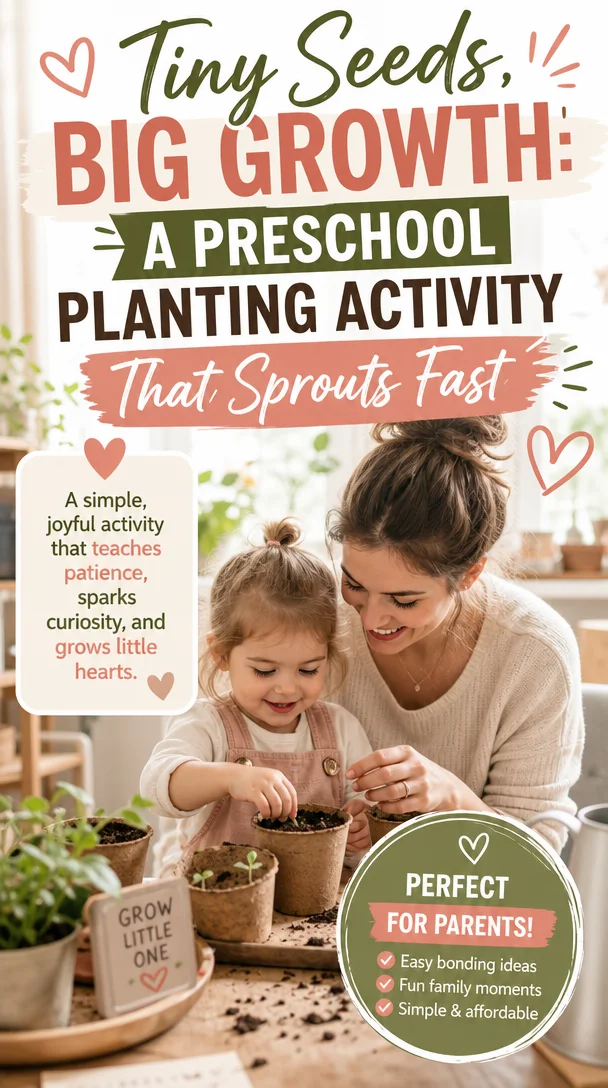
Tiny Seeds, Big Growth: A Preschool Planting Activity That Sprouts Fast
The Preschool Planting Activity That’s Always a Hit (Spoiler: It Grows Fast!)
Meta Description: Discover a fun and easy preschool planting activity that engages little ones, grows quickly, and creates meaningful moments without the mess!
Ah, the joys of parenting! One moment you’re navigating the epic battles of getting your toddler to eat their veggies, and the next, you’re trying to keep them entertained while nurturing their curiosity. If you’re anything like me, you often search for activities that engage your little ones and provide that delightful sense of accomplishment. Here’s a fun secret: a preschool planting activity can be just what you need! This activity isn’t just easy to prep and low on the mess factor; it also grows incredibly fast, keeping kids engaged and excited from start to finish.
Imagine your little one’s face lighting up as they witness something they planted sprouting before their very eyes. It’s rewarding, it’s educational, and trust me, it’s a fantastic way to introduce your child to the joys of gardening and nature. Today, let’s dive deep into this engaging preschool planting activity!
Why Planting Activities Matter
Before we get into the nitty-gritty, let’s chat about the benefits of involving our children in planting activities. These moments can be so much more than cute Instagram photos of tiny hands in the soil. Here’s why they matter:
Encourages Curiosity
Planting seeds and watching them grow sparks scientific inquiry. Children can ask questions like:
- What do plants need to grow?
- Why do some plants grow faster than others?
This inquiry nurtures their innate curiosity about the world around them.
Fosters Responsibility
Taking care of plants teaches your child responsibility. They learn that watering, sunlight, and care can make a difference in a plant’s health—much like how your care and love nurture them!
Boosts Emotional Development
As children observe growth, they experience a sense of achievement. They learn patience as they wait for their seeds to sprout and grow, fostering emotional resilience and joy.
Sparks Creativity
Give kids a chance to decorate pots or choose different seeds, allowing them to express their creativity. Whether they opt for flowers or vegetables, their choices reflect their personalities.
Get Started with Your Planting Activity
Ready to dive into the details? Let’s break down this preschool planting activity step by step so you can easily replicate it at home or even in a classroom setting.
Supplies You’ll Need
Gather these simple supplies to kick off your planting adventure:
- Small pots (biodegradable ones work wonders)
- Potting soil
- Seeds (fast-growing options like beans or sunflower seeds)
- Watering can or spray bottle
- Crayons or markers for decorating pots
- Optional: small gardening tools (shovel, rake)
Step 1: Setup Your Space
Choose a spot that’s easy to clean up in case of spills. Lay down a plastic tablecloth or some newspaper to contain the mess. Set up your supplies, making everything accessible for tiny hands. Having a dedicated workspace creates excitement and a sense of purpose.
Step 2: Decorate the Pots
Encourage creativity by letting the kids decorate their pots. Use crayons or markers to add their names, drawings, or even fun illustrations of what they expect their plants to become. This personal touch makes the activity feel more special.
Step 3: Fill Pot with Soil
Once the pots are decorated, guide your children in filling them with potting soil. Let them feel the texture and smell the earthy scent—a wonderful sensory experience! This is also a chance to chat about how soil helps plants grow.
Step 4: Planting Seeds
Now comes the exciting part: planting the seeds! Explore the seeds together—show them how they vary in size and shape. Let each child plant 1-3 seeds in their pots, covering them gently with soil. This hands-on approach keeps them engaged and teaches them how to be gentle with their plants.
Step 5: Water Carefully
Provide a watering can or a spray bottle. Children love being in charge of watering their seeds! Demonstrate how much water plants typically need, encouraging them to give just enough without drowning the seeds. This also opens up discussions about moisture and sun—all vital elements for their future plant!
Step 6: Find a Sunny Spot
After planting, make a big deal of finding the perfect sunny spot in your home or backyard. Explain to your child the importance of sunlight in the growing process. You can say something like, "Just like we need sunshine to play outside, our plants need it to grow!"
Encouragement Tip: Keep a Growth Journal
Consider making planting even more interactive by keeping a growth journal. Together, take notes and draw pictures as the days go by, tracking the changes in their plants. Kids love seeing the progress, and this habit nurtures their observation skills and creativity. Each day, ask them:
- What did they notice about their plant?
- How tall is it now?
Instant Gratification: Choose Fast-Growing Seeds
To keep your preschoolers interested, remember: the faster the growth, the better! Here are some seed suggestions that sprout quickly:
- Beans: They grow rapidly and are fun to watch due to their sturdy nature.
- Sunflower seeds: Kids love the big, cheerful flowers that come later on, making their efforts feel rewarding.
- Radishes: If you want to surprise little ones, this vegetable can sprout within a week!
How to Expand the Activity
Let’s make things extra fun! Here are some bonus ideas to get more out of your preschool planting activity:
Add a Science Lesson
Talk to your child about the plant lifecycle. Use this opportunity to introduce terms like “germination” and “photosynthesis.” Simple explanations go a long way in helping them understand how nature works.
Explore Different Plants
Why not try planting different types? You could start by comparing herbs like basil or mint, which also smell delightful! Discuss why some plants are taller than others, or why some sprout more quickly.
Get Messy with Nature
Incorporate nature walks where kids can collect leaves, rocks, or flowers. They can create a nature collage alongside their plants, making a holistic creation that fuels both creativity and a love for the outdoors.
Close the Loop with Harvest Time
If you plant vegetables, celebrate the harvest! Create a little cooking day where you can make a meal together using what you’ve grown. Kids feel immense pride when they see what they cultivate reaching the dinner table.
Plan a Gardening Day
If you have an outdoor space, gather some friends and have a gardening day! Plant together, decorate pots, and share experiences. Not only does it deepen friendships, but kids also love the social aspect of learning together!
Conclusion: Celebrate Small Wins and Grow Together
Remember, parenting is a beautiful, messy journey filled with moments that matter—even in the planting of seeds! This preschool planting activity allows both you and your child to connect in meaningful ways. As they witness growth first-hand, you foster a sense of responsibility and wonder within them. So grab those pots, dig your fingers into the earth, and watch as your children blossom right alongside their plants!
Parenting can feel overwhelming at times, but creating these small moments makes all the difference. You’re doing an incredible job just by being present. So celebrate those little victories, cherish the mess, and nurture your child’s natural curiosity. If you found this activity helpful, share it with fellow parents and tag us in your planting adventures!
With love and roots,
Lucy Everly 💛
FAQs about Preschool Planting Activities
Q1: How can I prevent mess during this activity?
A1: Setting up a designated space with protective coverings, like a plastic tablecloth, can keep spills contained. Making use of biodegradable pots can also minimize mess when moving plants outside later.
Q2: What if my child loses interest in their plants?
A2: To keep their interest alive, incorporate storytelling about the plants. Explain what they need and invite them to participate in observing and recording growth.
Q3: Can I do this activity indoors?
A3: Absolutely! Just ensure they receive adequate sunlight from windows or use grow lights if necessary. Indoor gardening works well with smaller pots and adds to home decor too!
Q4: How often should I water the plants?
A4: A good rule of thumb is to water when the top inch of soil feels dry. Involve your child in this process so they can learn about moisture levels.
Feel free to reach out if you have any more questions or if there’s another engaging activity you’d like to explore! Happy planting!
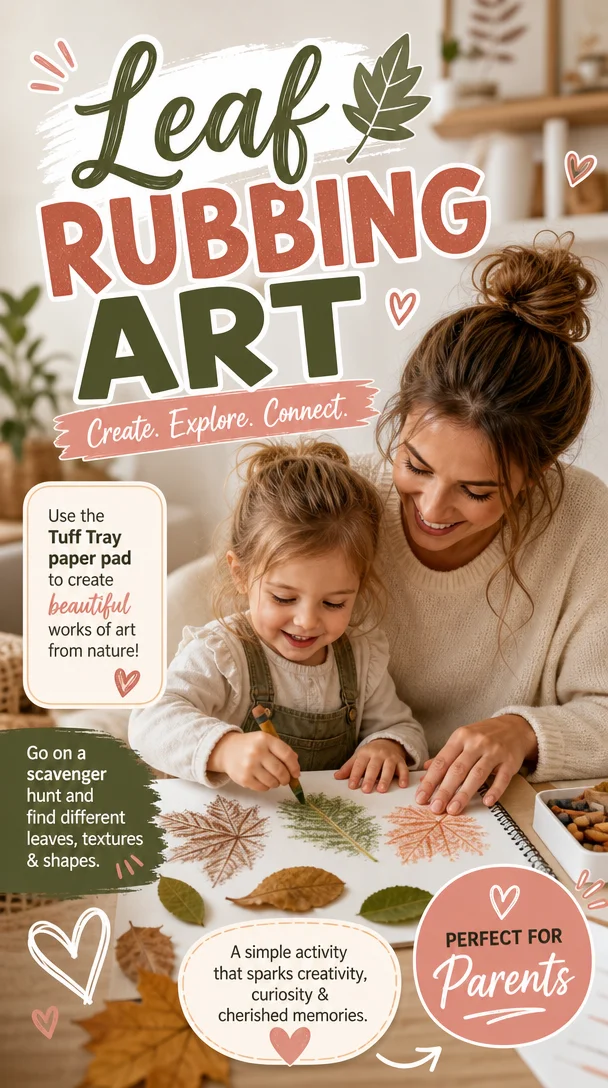
Leaf rubbing art 🍁 Use the Tuff Tray paper pad to create works of art from nature! Go on a scavenger hunt and find diff… [Video] | Provocation ideas for kindergarten, Nature exploration activities for kids, Ece activities early childhood
Get Creative with Nature: Leaf Rubbing Art for Kids 🍁
Meta Description
Discover the joy of leaf rubbing art! Engage your kids in nature exploration, creativity, and learning with this easy, fun, and educational activity.
Introduction
Hey there, fellow parents! Isn’t it amazing how nature offers endless opportunities for exploration and creativity? If you’re looking for an activity that beautifully combines both, look no further than leaf rubbing art! Imagine the excitement on your child’s face when they discover various leaf shapes, textures, and the magic of seeing nature’s artwork come to life with just a few simple materials.
Not only does this activity allow your children to express their creativity, but it does so in a way that promotes curiosity, scientific observation, and fine motor skills. Are you ready to embark on this artistic adventure? Let’s dive into the wonderful world of leaf rubbing art together!
Why Leaf Rubbing Art?
Leaf rubbing art is more than just a fun project; it’s an educational journey! Here’s why you should definitely consider introducing this activity to your family:
- Nature Exploration: Going on a scavenger hunt for leaves encourages your kids to engage with their environment. They’ll learn about different plants and appreciate the beauty of nature around them.
- Artistic Expression: With a little creativity, each leaf rubbing becomes a unique piece of art, showcasing your child’s imagination and style.
- Fine Motor Skills: Rubbing with crayons enhances those crucial hand-eye coordination skills. This simple act of pressing down helps develop your child’s dexterity.
- Science Connection: Each leaf provides a wonderful opportunity for discussions about plant life, ecosystems, and the importance of trees in our environment.
Setting Up for Success
Before diving into the artistic fun, let’s ensure you have everything ready to go! Here’s what you’ll need:
Materials Needed
- Tuff Tray Paper Pad: This sturdy surface makes cleanup a breeze and adds excitement to the process.
- Various Leaves: Head outdoors and gather a variety of leaves. Look for different shapes, colors, and sizes—the more unique, the better!
- Wax Crayons: Opt for different colors to create vibrant patterns. Make sure to remove the wrappers for your little ones!
- Paper (if not using Tuff Tray): You can also use plain paper if a Tuff Tray isn’t available.
- Optional: A clipboard can be handy to help stabilize the paper if you’re outside.
Preparing the Activity
-
Go on a Scavenger Hunt: Involve the whole family! Head to a park, your backyard, or even along your neighborhood sidewalks to collect leaves. Encourage the kids to observe textures and colors as they gather.
-
Sort and Select: Once you’re back home, spread out the leaves and invite your kids to pick their favorites. Discuss the shapes and what type of trees they may come from.
-
Set Up Your Workspace: Lay out your Tuff Tray paper pad or a flat surface for your crafty session. Keep the space organized and free from distractions.
How to Create Leaf Rubbing Art
Now that you have everything in place, it’s time for the main event! Here’s a step-by-step guide so your kids can start creating their masterpiece.
Step-by-Step Instructions
Step 1: Position the Leaf
Place a leaf underside up on the Tuff Tray or paper. Press it down so it doesn’t move while your little artists get to work.
Step 2: Cover with Paper
Take a piece of paper and gently lay it over the leaf. This allows the kids to see where to color without disrupting the leaf’s position.
Step 3: Rub with Crayons
Using a wax crayon, show your kids how to rub over the paper, applying gentle pressure. They’ll start to see the beautiful designs of the leaf emerge! Encourage them to experiment with different colors and patterns.
Step 4: Discover and Repeat
Let them continue creating with various leaves. Each rubbing will be unique, showcasing intricate patterns and shapes.
Tips for a Memorable Experience
Creating leaf rubbing art is so much more than just a craft project. Here are some tips and ideas to enhance the experience:
Encourage Conversation
- Discuss Nature: While you work, talk about the types of leaves and trees you encountered. Ask questions like, “What do you think this tree feels like?” or “How does the color change with the seasons?”
Explore Different Techniques
- Layering Colors: After the first rubbing, let your child layer another color over the same leaf to create a blended effect. This can spark discussions about mixing colors and patterns.
Capture the Learning
- Nature Journal: Keep a dedicated notebook to tape or glue the leaf rubbings onto. Include notes about where you found each leaf. This not only documents their creations but also serves as a lovely keepsake.
Experiment with Materials
- Try Different Crayons: Use different brands or types of crayons (like metallic ones) to see how they affect the outcome.
- Add Watercolor: After the leaf rubbings are complete, let the kids paint over the designs with watercolors for an extra pop of color!
A Learning Adventure Outdoors
Incorporating this type of art into outdoor exploration can create some fantastic family bonding moments. Here are some playful ideas to make it even more memorable:
Nature Trail Walks
Take regular walks as a family in local parks or nature trails. Collect not just leaves, but also stones, flowers, and sticks. Later, use these items for additional art projects!
Seasonal Variations
Encourage your kids to do seasonal leaf rubbings. In spring, focus on young, tender leaves. In fall, gather colorful leaves and explore the changing seasons as they create their art.
Engage in Group Activities
Consider inviting friends over for a leaf rubbing playdate! Kids can share their discoveries with one another, exchange leaves, and collaborate on group projects.
Conclusion: Embrace the Art of Parenting
As parents, we often seek ways to elevate family time into joy-filled experiences. Leaf rubbing art not only sparks creativity but also cultivates curiosity and bonds you with nature. Remember, every little moment matters—so let’s make the most of these opportunities to connect with our kiddos.
Whether you’re wrangling small hands during craft time or sharing laughter on a scavenger hunt, know that you’re doing an amazing job. Embrace the beautiful chaos of parenting, and let each art piece tell its own story—one that’s uniquely shaped by your family’s adventure together.
So go ahead—grab those leaves and start rubbing! You’ll create not only art but also cherished memories that your family will treasure for years to come.
FAQ Section
Q: Can younger children participate in leaf rubbing art?
Absolutely! Even toddlers can enjoy this activity with supervision. Just ensure they have help with rubbing the crayon, as they may need assistance with fine motor skills.
Q: What if we can’t find any leaves?
No worries! You can use other objects like textured fabric or even patterned items around the house for a similar rubbing effect.
Q: How long does this activity take?
This is a flexible project! Depending on how many leaves you collect and your children’s interest, set aside 30 minutes to an hour for a relaxed experience.
By filling your days with activities like leaf rubbing art, you pave the way for joyful connections and memorable moments. So, go out there, explore, create, and most importantly, enjoy every wonderful moment of this parenting journey! 💛
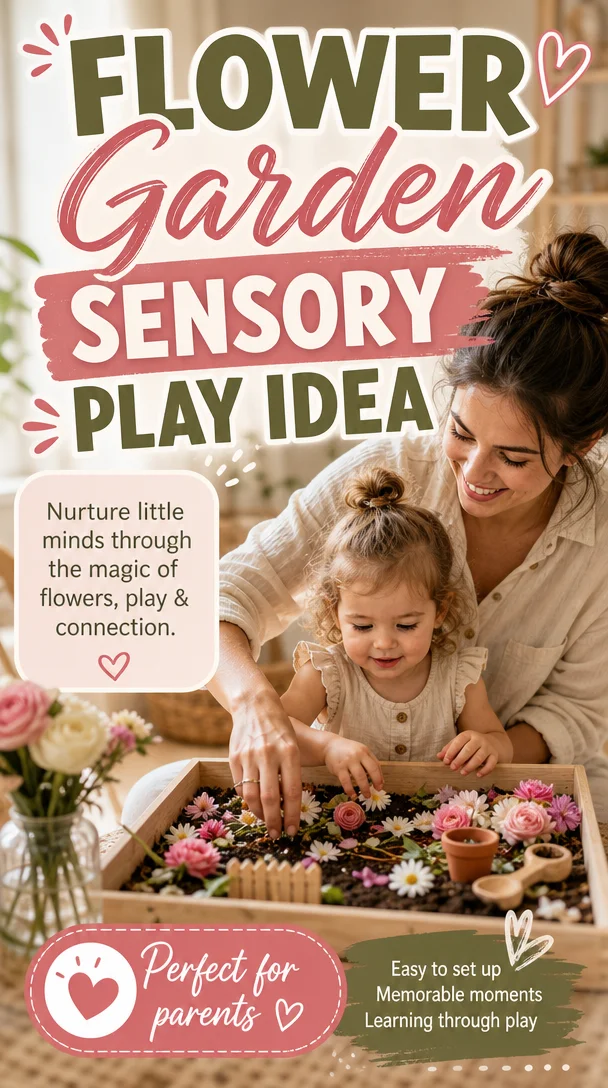
Flower Garden Sensory Play Idea
Discover the Magic of Flower Garden Sensory Play: A Heartwarming Experience for Kids
Meta Description
Engage your kids with this fun Flower Garden Sensory Bin! Discover easy steps to create a magical sensory play experience that inspires creativity.
Introduction
Hey there, fellow parent! Have you ever found yourself in a sea of toys, crafts, and endless “what do we do now?” moments, wishing for a simple way to spark creativity and joy in your children? Trust me, you’re not alone! Raising little ones can be both beautiful and chaotic, and sometimes we all need a little breather—or in our case today, something fresh and inspiring to get the family playing happily together.
Enter the Flower Garden Sensory Bin, an engaging and easy sensory play idea that allows your children to dive into a world of color, texture, and imagination. This activity not only enables kids to explore the wonders of gardening in a hands-on way, but it also provides an outlet for their sensory development, creativity, and even fine motor skills. And let’s face it, who doesn’t want a quick-win moment for both themselves and their children?
So, grab a snack, settle in, and let’s stroll through the vibrant world of sensory play with this delightful flower garden experience!
What is a Flower Garden Sensory Bin?
A Flower Garden Sensory Bin is more than just a container filled with items; it’s a creativity hub where your little ones can dig, plant, and explore different textures and colors. Think of it as a miniaturized garden that allows your kids to engage in imaginative play while also developing their senses.
Why Sensory Play Matters
Sensory play is crucial for young children as it fosters exploration and encourages them to process the world around them. Through sensory experiences, kids can:
- Enhance Motor Skills: Digging, scooping, and pouring help develop fine and gross motor skills.
- Encourage Imagination: Open-ended play stimulates creativity and storytelling.
- Stimulate Senses: Different textures and scents offer rich sensory experiences that are integral for brain development.
How to Create Your Flower Garden Sensory Bin
Ready to get started? Creating your own Flower Garden Sensory Bin requires minimal supplies and offers maximum fun. Here’s what you’ll need to gather:
Supplies You’ll Need
-
A Container: Use a shallow bin or plastic tub. Clear ones are awesome as kids can see the colorful items inside!
-
Base Materials: Start with a base like soil, sensory sand, or colored rice to mimic garden soil. For a sensory twist, consider adding some potting mix or play dough.
-
Plastic Flowers and Seeds: Use plastic flowers for fun visuals. Don’t forget some toy seeds—these can be actual craft beads or pom-poms.
-
Gardening Tools: Get small shovels, brushes, and watering cans. You can easily find these at a craft or dollar store!
-
Scoops and Bowls: Include measuring cups or scoops to encourage pouring and transferring.
-
Natural Elements: If you’re feeling adventurous, you can add small pebbles, sticks, or even real flower petals to add different textures.
Step-by-Step Instructions
Now that you have your supplies ready, let’s put this bin together:
-
Prepare the Base: Fill your container with the base material. Aim for about 3-4 inches deep, allowing plenty of room for digging and exploring.
-
Add the Elements: Distribute the plastic flowers and any natural elements evenly across the base. Feel free to hide some seeds in the soil for an element of surprise!
-
Include Tools: Toss in the gardening tools, scoops, and any other items you want to encourage kids to use freely.
-
Engage Your Kids: Present the sensory bin to your children and allow them to explore independently. Ask them open-ended questions about what they see, feel, and want to create.
Making It Special: Tips for Engagement
Once you have your Flower Garden Sensory Bin assembled, consider these tips to enrich the experience further:
Invite Imagination
Encourage storytelling! Let your kids create a narrative around their garden. What flowers are they planting? What’s happening in their magical garden world? You might say something like, “What do you think is hiding beneath the soil?”
Introduce Routine Play Activities
Add some structure to playtime by introducing small challenges. For instance, ask them to plant five flowers in one row or to scoop a specific number of ‘seeds’ from one bucket to another. This can gently incorporate counting or simple math!
Keep It Seasonal
Change your bin’s theme based on the seasons. During spring, introduce pastel colors; in autumn, explore earthy tones with leaves. This not only keeps the activity fresh but also teaches kids about the cycles of nature.
Helpful Tips for Success
-
Supervision is Key: Always supervise your kids during sensory play. They may want to taste everything, and it’s a great time for gentle reminders about what’s safe.
-
Embrace the Mess!: Sensory play can get messy, and that’s OK! Lay down a protective mat under your bin to make clean-up easier, and remind yourself that mess often equals fun!
-
Incorporate Learning: Use this time to introduce new vocabulary words, like ‘soil,’ ‘petal,’ or ‘gardening’, making it both educational and entertaining.
Conclusion: Nurturing Little Moments of Joy
As parents, we wear many hats, and some days just getting through the routine feels like an achievement. However, introducing simple and joyful activities like the Flower Garden Sensory Bin can create lasting memories and provide your children with invaluable experiences. Remember, you don’t need to be a perfect parent to raise happy, loved kids—sometimes, it’s these little moments that ignite their imagination and inspire growth.
So, I encourage you to try this sensory play idea! Dive into those messes, celebrate the small wins, and remember—the world of parenting is as much about enjoying the journey as it is about teaching and guiding our children.
Happy gardening, my friends! 🌼
Optional FAQ Section
Q: How long can I expect my kids to play with the sensory bin?
A: Engagement can vary, but most kids will find joy in it for at least 30 minutes to an hour. Rotate out elements occasionally to keep the interest alive!
Q: Can I introduce this idea with older kids?
A: Absolutely! Adjust the complexity by encouraging older children to create intricate designs, share gardening tips, or incorporate mini gardening projects.
Q: What if my child has allergies to certain plants?
A: Always err on the side of caution. There are plenty of synthetic flower options available, and you can always just skip using any natural materials altogether if in doubt.
So, what are you waiting for? Grab those supplies and start your flower garden adventure today!