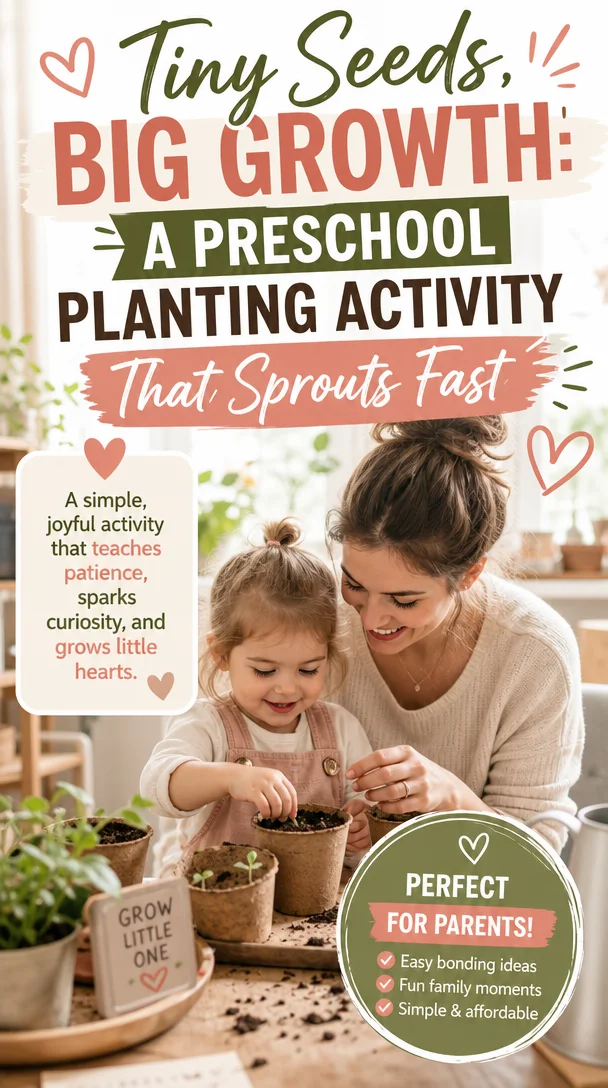
Tiny Seeds, Big Growth: A Preschool Planting Activity That Sprouts Fast
The Preschool Planting Activity That’s Always a Hit (Spoiler: It Grows Fast!)
Meta Description: Discover a fun and easy preschool planting activity that engages little ones, grows quickly, and creates meaningful moments without the mess!
Ah, the joys of parenting! One moment you’re navigating the epic battles of getting your toddler to eat their veggies, and the next, you’re trying to keep them entertained while nurturing their curiosity. If you’re anything like me, you often search for activities that engage your little ones and provide that delightful sense of accomplishment. Here’s a fun secret: a preschool planting activity can be just what you need! This activity isn’t just easy to prep and low on the mess factor; it also grows incredibly fast, keeping kids engaged and excited from start to finish.
Imagine your little one’s face lighting up as they witness something they planted sprouting before their very eyes. It’s rewarding, it’s educational, and trust me, it’s a fantastic way to introduce your child to the joys of gardening and nature. Today, let’s dive deep into this engaging preschool planting activity!
Why Planting Activities Matter
Before we get into the nitty-gritty, let’s chat about the benefits of involving our children in planting activities. These moments can be so much more than cute Instagram photos of tiny hands in the soil. Here’s why they matter:
Encourages Curiosity
Planting seeds and watching them grow sparks scientific inquiry. Children can ask questions like:
- What do plants need to grow?
- Why do some plants grow faster than others?
This inquiry nurtures their innate curiosity about the world around them.
Fosters Responsibility
Taking care of plants teaches your child responsibility. They learn that watering, sunlight, and care can make a difference in a plant’s health—much like how your care and love nurture them!
Boosts Emotional Development
As children observe growth, they experience a sense of achievement. They learn patience as they wait for their seeds to sprout and grow, fostering emotional resilience and joy.
Sparks Creativity
Give kids a chance to decorate pots or choose different seeds, allowing them to express their creativity. Whether they opt for flowers or vegetables, their choices reflect their personalities.
Get Started with Your Planting Activity
Ready to dive into the details? Let’s break down this preschool planting activity step by step so you can easily replicate it at home or even in a classroom setting.
Supplies You’ll Need
Gather these simple supplies to kick off your planting adventure:
- Small pots (biodegradable ones work wonders)
- Potting soil
- Seeds (fast-growing options like beans or sunflower seeds)
- Watering can or spray bottle
- Crayons or markers for decorating pots
- Optional: small gardening tools (shovel, rake)
Step 1: Setup Your Space
Choose a spot that’s easy to clean up in case of spills. Lay down a plastic tablecloth or some newspaper to contain the mess. Set up your supplies, making everything accessible for tiny hands. Having a dedicated workspace creates excitement and a sense of purpose.
Step 2: Decorate the Pots
Encourage creativity by letting the kids decorate their pots. Use crayons or markers to add their names, drawings, or even fun illustrations of what they expect their plants to become. This personal touch makes the activity feel more special.
Step 3: Fill Pot with Soil
Once the pots are decorated, guide your children in filling them with potting soil. Let them feel the texture and smell the earthy scent—a wonderful sensory experience! This is also a chance to chat about how soil helps plants grow.
Step 4: Planting Seeds
Now comes the exciting part: planting the seeds! Explore the seeds together—show them how they vary in size and shape. Let each child plant 1-3 seeds in their pots, covering them gently with soil. This hands-on approach keeps them engaged and teaches them how to be gentle with their plants.
Step 5: Water Carefully
Provide a watering can or a spray bottle. Children love being in charge of watering their seeds! Demonstrate how much water plants typically need, encouraging them to give just enough without drowning the seeds. This also opens up discussions about moisture and sun—all vital elements for their future plant!
Step 6: Find a Sunny Spot
After planting, make a big deal of finding the perfect sunny spot in your home or backyard. Explain to your child the importance of sunlight in the growing process. You can say something like, "Just like we need sunshine to play outside, our plants need it to grow!"
Encouragement Tip: Keep a Growth Journal
Consider making planting even more interactive by keeping a growth journal. Together, take notes and draw pictures as the days go by, tracking the changes in their plants. Kids love seeing the progress, and this habit nurtures their observation skills and creativity. Each day, ask them:
- What did they notice about their plant?
- How tall is it now?
Instant Gratification: Choose Fast-Growing Seeds
To keep your preschoolers interested, remember: the faster the growth, the better! Here are some seed suggestions that sprout quickly:
- Beans: They grow rapidly and are fun to watch due to their sturdy nature.
- Sunflower seeds: Kids love the big, cheerful flowers that come later on, making their efforts feel rewarding.
- Radishes: If you want to surprise little ones, this vegetable can sprout within a week!
How to Expand the Activity
Let’s make things extra fun! Here are some bonus ideas to get more out of your preschool planting activity:
Add a Science Lesson
Talk to your child about the plant lifecycle. Use this opportunity to introduce terms like “germination” and “photosynthesis.” Simple explanations go a long way in helping them understand how nature works.
Explore Different Plants
Why not try planting different types? You could start by comparing herbs like basil or mint, which also smell delightful! Discuss why some plants are taller than others, or why some sprout more quickly.
Get Messy with Nature
Incorporate nature walks where kids can collect leaves, rocks, or flowers. They can create a nature collage alongside their plants, making a holistic creation that fuels both creativity and a love for the outdoors.
Close the Loop with Harvest Time
If you plant vegetables, celebrate the harvest! Create a little cooking day where you can make a meal together using what you’ve grown. Kids feel immense pride when they see what they cultivate reaching the dinner table.
Plan a Gardening Day
If you have an outdoor space, gather some friends and have a gardening day! Plant together, decorate pots, and share experiences. Not only does it deepen friendships, but kids also love the social aspect of learning together!
Conclusion: Celebrate Small Wins and Grow Together
Remember, parenting is a beautiful, messy journey filled with moments that matter—even in the planting of seeds! This preschool planting activity allows both you and your child to connect in meaningful ways. As they witness growth first-hand, you foster a sense of responsibility and wonder within them. So grab those pots, dig your fingers into the earth, and watch as your children blossom right alongside their plants!
Parenting can feel overwhelming at times, but creating these small moments makes all the difference. You’re doing an incredible job just by being present. So celebrate those little victories, cherish the mess, and nurture your child’s natural curiosity. If you found this activity helpful, share it with fellow parents and tag us in your planting adventures!
With love and roots,
Lucy Everly 💛
FAQs about Preschool Planting Activities
Q1: How can I prevent mess during this activity?
A1: Setting up a designated space with protective coverings, like a plastic tablecloth, can keep spills contained. Making use of biodegradable pots can also minimize mess when moving plants outside later.
Q2: What if my child loses interest in their plants?
A2: To keep their interest alive, incorporate storytelling about the plants. Explain what they need and invite them to participate in observing and recording growth.
Q3: Can I do this activity indoors?
A3: Absolutely! Just ensure they receive adequate sunlight from windows or use grow lights if necessary. Indoor gardening works well with smaller pots and adds to home decor too!
Q4: How often should I water the plants?
A4: A good rule of thumb is to water when the top inch of soil feels dry. Involve your child in this process so they can learn about moisture levels.
Feel free to reach out if you have any more questions or if there’s another engaging activity you’d like to explore! Happy planting!
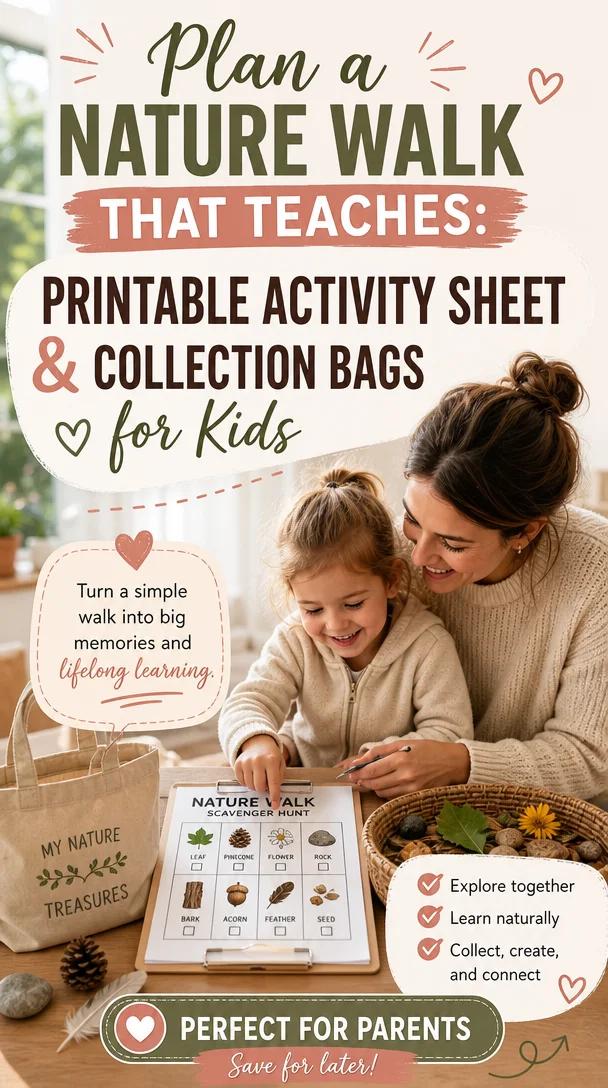
Plan a Nature Walk That Teaches: Printable Activity Sheet & Collection Bags for Kids
Nature Walk Collections + Printable Activity Sheet: A Parent’s Guide to Outdoor Learning
Meta Description
Explore nature walks with your kids! Discover tips, outdoor learning activities, and a free printable activity sheet to enhance your family adventures.
Introduction
Ah, nature walks! Those delightful adventures where the great outdoors meets family bonding. If you’ve ever taken your little ones on a stroll through the trees, you’ve probably felt the magic unfold as they discover the world around them. From crunchy leaves to colorful flowers, each step reveals something new and wondrous.
But let’s be honest—planning a successful nature walk can sometimes feel overwhelming. What should you bring? How do you keep the kiddos engaged? This guide aims to take the pressure off and create an enjoyable outdoor experience for you and your little explorers. Here, you’ll find practical tips for planning a nature walk, fun outdoor learning activities, and even a handy Printable Activity Sheet to take along for the ride.
So, grab your backpacks and put on those walking shoes! Let’s create meaningful moments that will make your heart swell.
Why Nature Walks Matter
The Benefits of Outdoor Learning
Nature walks provide more than just fresh air and exercise. They offer a myriad of benefits for both you and your kids. Here are just a few reasons why getting outside is so vital:
-
Physical Health: Walking promotes fitness, helps burn off energy, and contributes to healthy development. Plus, who doesn’t love a chance to stretch those little legs?
-
Mental Well-being: Nature has an incredible way of calming our minds. The sights, sounds, and scents can ease anxiety and improve mood—not just for kids, but for adults too!
-
Curiosity and Learning: Every leaf, bug, and rock can spark curiosity. Nature is a living classroom, providing endless opportunities for questions, discovery, and important life lessons.
-
Bonding Time: Shared experiences in nature strengthen family connections. Discovering the world together creates memories that last a lifetime.
Planning Your Nature Walk
Step 1: Choose Your Location
The first step in planning a nature walk is selecting the perfect spot. Consider local parks, nature reserves, or even your backyard. Look for areas that offer diverse landscapes—think woods, streams, or fields. Each environment presents unique opportunities for exploration.
Tip: If you’re uncertain of where to go, check out local community boards or websites for family-friendly hiking trails!
Step 2: Gather Your Supplies
To make your journey enjoyable and successful, prep a little beforehand. Here’s a checklist of supplies you might want:
- Backpacks: Bring along a sturdy backpack for each child to carry their treasures.
- Water and Snacks: Keeping hydrated and fueled is key! Pack water bottles and healthy snacks like fruit or trail mix.
- Nature Collection Bags: Simple, reusable bags (or even old pillowcases) for collecting leaves, rocks, or any interesting finds.
- First-Aid Kit: Just in case! It’s always better to be prepared.
- Camera or Smartphone: Document your little one’s discoveries. Capturing these moments will create lasting memories.
Step 3: Set the Tone
Before heading out, gather your kids and get them excited! Discuss what they might see, hear, and feel during the walk. Use engaging language to paint a vivid picture of the adventure ahead.
Ask fun questions like:
- “What color flowers do you think we’ll find today?”
- “How many different insects do you think we’ll see?”
These conversations spark curiosity and set an enthusiastic mood right from the start.
Step 4: Keep It Fun and Active
Children have a natural curiosity and boundless energy, so keep the walk engaging. Here are ways to make your nature walk fun and interactive:
-
Treasure Hunts: Create a simple scavenger hunt list. Include items like pine cones, feathers, or specific types of leaves. You can find a Printable Activity Sheet at the end of this article to get you started!
-
Nature Bingo: Use a bingo card filled with common local plants and animals. Mark off each item as you spot them; it’s like a game within a walk!
-
Storytelling Sessions: Encourage your children to invent stories about the characters they meet in nature. This helps develop their imagination while they connect with the environment.
Fun Outdoor Learning Activities
Nature walks aren’t just a stroll; they provide countless opportunities for learning! Engaging your kids in educational activities keeps them focused and makes the experience enriching. Here are some ideas to spark their interest:
Activity 1: Nature Journaling
Before the walk, provide your kids with their own journals. Encourage them to draw and write about their favorite findings. You can include prompts like:
- "Describe your favorite leaf shape."
- "What animal would live in this habitat?"
This activity hones observation skills and encourages reflection on their experiences.
Activity 2: Create a Nature Collage
When you get home, assemble the collected items—a leaf, a flower petal, a unique rock—and make a nature collage. Help your child glue these treasures onto paper, and encourage them to describe each item’s significance.
Activity 3: Sound Mapping
During the walk, pause occasionally and listen. Have your kids close their eyes and identify sounds—birds chirping, leaves rustling, or water trickling. Afterward, let them map out what they heard. This activity sharpens listening skills and deepens their connection to nature.
Activity 4: Mini Science Experiments
If you’re up for a little experimentation, encourage your kids to test hypotheses on-site! For instance, drop different leaves into water and observe buoyancy. Ask questions like, “Which one sinks? Which one floats?” These little lessons bring science to life in a tangible, engaging way.
Printable Activity Sheet: Your Nature Walk Companion
Before you head out, don’t forget to download our Printable Activity Sheet! This handy companion includes:
- A scavenger hunt checklist
- A nature bingo card
- Sections for nature journaling
- A sound map for a fun listening activity
Having this printed sheet will help maintain focus and make your adventure even more exciting!
Helpful Tips for a Successful Nature Walk
-
Keep It Short: Young children often have short attention spans, so aim for a walk that lasts around 30 to 60 minutes, depending on their enthusiasm.
-
Dress Comfortably: Dress your kids in layers suitable for the weather, and don’t forget sturdy shoes for exploring!
-
Plan for Breaks: Walks can drain energy quickly, so schedule brief stops for snacks and rest to keep spirits high.
-
Go With the Flow: Remember, plans can change. If your child finds something fascinating, take a moment to explore it. Adaptability creates a relaxed, joyful experience.
Encouraging Conclusion
Embarking on nature walks with your children can become some of the most cherished moments of your family life. These adventures not only foster a love for the outdoors but also create beautiful memories that strengthen your bond. This guide arms you with practical tips and engaging activities to make each walk a delightful journey, no pressure included!
So, what are you waiting for? Head outside, breathe in that fresh air, and let the wonders of nature sweep you and your children off your feet. You’ve got this, and remember—parenting is a journey best celebrated one little moment at a time.
FAQs
Q: How often should we go on nature walks?
A: There’s no one-size-fits-all answer! Aim for a few times a month, but feel free to go more often if your family enjoys it.
Q: Can we do nature walks if we live in a city?
A: Absolutely! Parks, botanical gardens, or even nature trails within urban areas can serve as fantastic spots for exploration.
Q: What if my child doesn’t want to walk?
A: Try to make the experience more engaging! Incorporate games, exploration, or even let them bring a favorite toy for companionship.
Q: What age is appropriate for nature walks?
A: Young children from toddler age and up can enjoy nature walks. Make adjustments based on their capabilities, and don’t hesitate to cut the journey short if needed!
Feel free to print and share the activity sheet here—let’s encourage more families to embrace the glorious outdoors!

Tiny Safari Adventures: 12 Easy Zoo-Themed Activities for Toddlers & Preschoolers
10+ Safari Activities for Preschool: Wild Adventures for Little Explorers
Meta Description: Discover 10+ fun and engaging safari activities for preschoolers! Perfect for sparking creativity and love for wildlife while learning through play.
Has your little one ever looked up wide-eyed at the animals in a picture book or at the zoo, asking a thousand questions about the wild? When our kids express curiosity about the world around them, it feels like a whirlwind of excitement, doesn’t it? But often, the challenge lies in how to channel that enthusiasm into productive and fun activities.
That’s why I’m thrilled to share 10+ safari activities for preschool that will whisk your little explorers away on an imaginative adventure! From zoo-themed crafts to wild animal activities, these engaging ideas will not only keep your toddlers entertained but also nurture their curiosity and spark a love for wildlife. So, grab a comfy spot, and let’s dive into the world of safari adventures!
1. Safari Animal Mask Making
H3: Unleash Creativity with Animal Masks
What’s more fun than transforming into your favorite animal? Grab some construction paper, scissors, and markers to create masks of wild animals like lions, elephants, and zebras. Your kids can cut out large animal faces, decorate them with vibrant colors, and even embellish them with textures like fur or feathers!
Helpful Tips:
- Get Creative: Encourage your child to decorate their mask with items from nature, like leaves or twigs, to enhance the safari feel.
- Use Imagination in Play: Once the masks are done, have a mini animal parade around the house. This can lead to imaginative play where they mimic animal sounds and movements!
2. Safari Scavenger Hunt
H3: Go Wild with a Scavenger Hunt
Transform your backyard or living room into an African safari with a fun scavenger hunt! Prepare a list of safari-themed items for your kids to find, such as toy animals, animal prints, or even household items that resemble safari gear.
Helpful Tips:
- Create Clues: Break it down by ages; for younger children, use pictures of the items, while older children can have written clues.
- End with a Safari Snack: Celebrate their achievements with snacks. How about animal-shaped crackers or jungle-themed fruit kabobs?
3. Safari Storytime and Puppet Show
H3: Bring Stories to Life
Select some captivating safari-themed storybooks and have a cozy storytime. You can choose characters like adventurous explorers or wild animals. After reading, engage your kids in a puppet show using socks or paper bags to act out the stories!
Helpful Tips:
- Utilize Improv: Invite your children to create their own endings to the stories or introduce new characters. This instills creativity and confidence in speaking!
- Interactive Learning: Discuss the animals they read about — where they live, what they eat, and their habitats.
4. Nature Walk Safari
H3: Go on a Real Safari Adventure
Plan a nature walk in your local park or nearby nature reserve, and explore habitats right in your neighborhood! Equip your little explorers with binoculars and a nature journal to document their findings.
Helpful Tips:
- Encourage Observation: Ask your kids to look for animal tracks, birds, or specific plants. You can even create a checklist of things to spot.
- Capture Moments: Bring along a camera or use your phone to capture pictures. Later, you can create a scrapbook of their wild adventure.
5. DIY Safari Sensory Bin
H3: Explore Textures and Shapes
Create a sensory bin filled with materials like sand, dirt, or grass to represent the safari environment. Add toy animals to inspire imaginative play!
Helpful Tips:
- Use Everyday Items: Dry rice, beans, or pasta can serve as substitutes for sand.
- Incorporate Learning: Teach them about each animal they uncover and talk about their traits.
6. Safari Dance Party
H3: Move Like the Animals!
What better way to celebrate all things safari than a dance party? Play animal-themed music and challenge the kids to dance like their favorite wild animals.
Helpful Tips:
- Create a Playlist: Use songs that mention animals or have fun rhythms that the kids can mimic.
- Add a Freeze Dance Twist: When the music stops, let the kids freeze like their chosen safari animal.
7. African Safari Crafts
H3: Fun Crafts to Foster Creativity
Engage your kids in crafting African prints using stamps or painting. They can use fruits and veggies to create unique patterns that resemble traditional African art.
Helpful Tips:
- Incorporate Background Stories: Share tales about African cultures and wildlife as they create, fostering a greater understanding of the world.
- Display Their Art: Create a family art gallery to showcase their masterpieces.
8. Safari-Themed Cooking
H3: Cook Up Some Fun
Whip up some safari-themed snacks! Think animal-shaped sandwiches, fruit kabobs, or jungle juice smoothies. Let the kids join in; they’ll love the hands-on experience!
Helpful Tips:
- Nutrition Twist: Use this opportunity to introduce new fruits or vegetables. Ask your kids to help pick them out at the store.
- Creative Plating: Present the food in creative ways that resemble a jungle feast!
9. Wild Animal Bingo
H3: Make Learning Fun with Bingo
Create a bingo card featuring different safari animals and have fun playing Bingo! This activity sharpens recognition and memory skills while being a blast to play.
Helpful Tips:
- Educate While Playing: Share interesting facts about each animal as they check them off their cards.
- Host a Family Game Night: Invite siblings or parents to join in, turning it into a lively family activity!
10. Safari Relaxation Yoga
H3: Calm and Center with Animal Poses
Instill balance and relaxation in your routine with safari-themed yoga. Use animal poses to stretch and breathe like lions, frogs, or elephants.
Helpful Tips:
- Introduce Mindfulness: Teach children to focus on their breathing while adopting their animal pose. This encourages emotional regulation.
- Add a Story: Pair yoga with storytelling. “Let’s be tall like the giraffe, reaching for the leaves!”
Conclusion
As parents, we often walk through a whirlwind of daily challenges and joys—each moment a unique adventure. By introducing these 10+ safari activities for preschool, you not only create engaging experiences that deepen connections but also spark a sense of wonder in your little ones. Remember, it’s the small, joyful moments that build lasting memories.
So, embrace the chaos, celebrate the small wins, and make room for creativity in your family’s daily routine. You’re doing an amazing job navigating this journey called parenting. With a little wild imagination, everyday life can turn into a safari of joy, laughter, and learning.
Optional FAQs
Q: How can I adapt these activities for different age groups?
A: Tailor activities based on your child’s developmental level. Younger kids might enjoy simpler crafts, while older kids can take on more complex projects.
Q: What if I don’t have a backyard?
A: No worries! Many of these activities can be adapted for an indoors. Consider using spaces at home creatively.
Q: How can I incorporate technology while still keeping it educational?
A: Use nature apps to identify plants or animals during your nature walk, turning it into an interactive learning experience!
By engaging with these ideas, you bring a little more joy, laughter, and love into your parenting journey. Happy exploring!
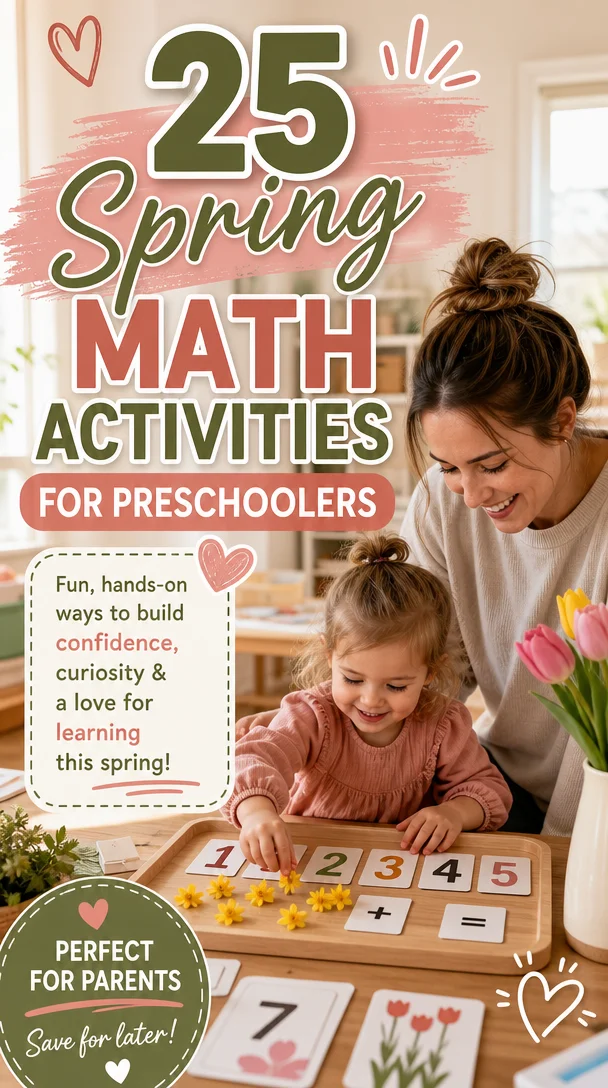
25 Spring Math Activities For Preschoolers
25 Spring Math Activities for Preschoolers: Making Learning Fun!
Meta Description: Discover 25 engaging spring math activities for preschoolers that make learning fun and memorable, helping your little ones blossom in their math skills!
As spring ushers in warmer days filled with blooming flowers and chirping birds, it’s the perfect time for your preschooler to explore and grow — not just in nature, but in their learning, too! Picture this: your little one giggling as they connect colorful blocks while practicing counting, or sorting flowers by size and color right in your backyard. Spring brings an explosion of life, and it also presents a fantastic opportunity to integrate math into playful activities that make learning feel natural and exciting.
Incorporating math into your child’s daily routines encourages not only number skills but also critical thinking and creativity. Whether you’re making memories in the garden or enjoying playtime at home, these 25 spring math activities will help your little learners thrive while having oodles of fun. So, let’s dive in and turn learning into an enchanting adventure!
Why Spring is the Perfect Time for Math
Spring is all about renewal and exploration. The changing environment allows your child to witness the beauty of nature while also giving you a unique backdrop for learning. Kids are naturally curious in spring, making it an ideal time to introduce math concepts through hands-on activities. With the world buzzing with life, your preschooler can enjoy interactive lessons that spark their imagination and fortify essential skills.
25 Spring Math Activities for Preschoolers
1. Nature Scavenger Hunt
Create a nature scavenger hunt list featuring different shapes, colors, and sizes. As your child spots items like triangular leaves or round stones, encourage them to collect and tally their findings. This activity promotes counting and classification skills while enjoying the great outdoors.
2. Flower Counting
Head to a garden or local park and count the flowers together! You can ask your child to count how many red, yellow, and blue flowers they find. Plus, you can turn it into a competition. Who can find and count the most flowers? Simple and effective!
3. Size Sorting with Leaves
Gather leaves of various shapes and sizes during a nature walk. At home, help your child sort them by size or shape. This activity develops pattern recognition and measurement concepts while having a tactile, sensory experience.
4. Math in the Garden
As you plant your spring garden, involve your child in counting seeds and spacing them. Ask questions like, "If we put two seeds in each hole, how many seeds do we need for five holes?" This simple math concept becomes a fun, practical application.
5. DIY Flower Patterns
Using colored paper or real flower petals, create different patterns (e.g., red, yellow, red, yellow). Encourage your child to extend the pattern, identify mistakes, or create their own. This helps them grasp sequencing and pattern recognition in a fun way!
6. Colorful Bug Count
Go on a bug hunt! Count all the bugs you find — ladybugs, ants, and butterflies. Take this a step further by creating a chart to visualize the different types or by comparing counts. This keeps math engaging and helps build data interpretation skills.
7. Pebble Addition
Collect small pebbles from your backyard or a nearby park. Set up simple addition problems by grouping the pebbles and asking your child to combine different groups. For example, “What’s 2 pebbles plus 3 pebbles?” It’s a hands-on approach to learning addition!
8. Springtime Bingo
Create Bingo cards filled with various spring images (flowers, sunshine, butterflies). As you play, ask your child to count how many of each item they see. It’s a delightful twist on a classic game while reinforcing counting skills.
9. Egg Hunt Math
During Easter, turn the classic egg hunt into a learning opportunity. Write numbers on each egg, and as your child collects them, they can practice counting, addition, or subtraction with the numbers they find.
10. DIY Flower Shop
Set up a flower shop with your little one. Use fake or real flowers, price them, and practice transactions. This activity introduces concepts like value and counting money, making math relatable and practical.
11. Measuring with Water
On a sunny day, fill several containers with varying amounts of water. Let your child measure, compare, and discuss which container holds the most or least water. This simple experiment builds a foundational understanding of measurement.
12. Spring Puzzles
Invest in puzzles that have spring themes. Discuss shapes and dimensions as your child pieces them together, fostering spatial awareness and cognitive development.
13. Garden Growth Graphs
Track the growth of plants in your garden by measuring their height weekly. Help your child create a simple graph of the plant’s growth over time. This combines math with science and is a fun ongoing project!
14. Shape Hunt
During a walk, encourage your child to find various shapes around them, from triangular rooftops to rectangular doors. Take pictures of the shapes and later sort them by type. They’ll learn about shapes in their environment!
15. Nature Art with Counting
Gather natural materials like twigs, leaves, and stones to create art. Ask your child to use a specific number of each material for their artwork. This exercise combines creativity with counting.
16. Spring-Themed Dominoes
Use spring-themed images to create a set of dominoes. Play with your child by matching and counting the images; this strengthens their number recognition and adds an element of fun.
17. Cloud Counting
On a partly sunny day, lie down and watch the clouds with your child. Count how many clouds you see or compare the number of fluffy vs. wispy clouds. This promotes observation and basic counting skills in a relaxed setting.
18. Planting Seeds and Math
When you plant seeds, involve your child in counting how many seeds go into each row. They can also help calculate how many rows of plants fit in your garden space. It’s a practical application of addition and multiplication.
19. Picnic Math
During a family picnic, ask your child to help set up. They can count plates, cups, and snacks. Encourage them to think critically about division: “How can we share these sandwiches among five people?”
20. Kites & Wind
Make kites with your child and discuss the measurements of the materials you use (strings, papers, etc.). Use this time to reinforce understanding of length and measurement.
21. Cloud Shape Art
After a rainy day, create art inspired by the fun shapes of clouds. Ask your child to identify the shapes they see. You can even discuss larger and smaller cloud shapes, tying in math skills beautifully.
22. Spin and Count Game
Create a simple spinner with numbers 1 to 10. Spin the wheel and collect items (like leaves or flower petals) based on the number to land on. This reinforces number recognition in a fun, interactive way.
23. Measuring with Rulers
Before enjoying outdoor crafts, teach your child how to measure lengths with a ruler. They can measure the length of sticks they’ve found to create structures, linking math skills with creativity.
24. Shapes and Shadows
On a sunny day, create shadow shapes with your child. Discuss the shapes and how they change as the sun moves. Use this opportunity to discuss angles and measurements in a playful context.
25. Spring Memory Game
Design a spring-themed memory game using cards with numbers and images of spring items. Matching pairs helps with memory skills and reinforces number recognition without even feeling like “schoolwork.”
Helpful Tips for Engaging Your Child in Math
- Tailor Activities to Their Interests: Adjust activities based on what excites your child. If they love flowers, focus math activities around garden themes.
- Use Everyday Situations: Integrate math in daily routines — measuring ingredients while cooking or counting steps while walking can make learning organic.
- Celebrate Their Success: Whether they crack a tough math problem or simply count to ten, celebrate their victories! This boosts confidence and encourages a love for learning.
- Be Patient and Encouraging: Your child may not grasp concepts right away — and that’s okay! Keep your tone positive and patient; it helps build their self-esteem.
Encouraging Conclusion
Spring is not just a season of growth in nature, but also a fantastic time for your little one to blossom in their math skills, filled with playfulness and adventure. By integrating these fun activities into your routine, you not only nurture their understanding of math but also create lasting memories that contribute to their emotional development. Remember, you don’t need to be a perfect parent — just being present is enough.
So step outside, get your hands dirty, and let the joyful learning unfold naturally. With each engaging activity, you’re not just teaching math; you’re cultivating a love for learning, the joy of discovery, and the cherished bond with your little one that will last far beyond spring.
Happy learning, lovely parents!
FAQs
Q: What if my child struggles with some concepts?
A: Every child learns at their own pace. Offer support and celebrate small victories to keep their spirits high!
Q: How do I keep these activities engaging?
A: Vary the approaches you take for each activity! Kids love surprises. Rotate tasks or introduce a new theme to keep things fresh.
Q: Can I involve my older children in these activities?
A: Absolutely! Older siblings can help guide younger ones through these activities, reinforcing their own math skills in the process and fostering family bonds.
So grab your favorite spring snacks, kick back, and enjoy the learning journey with your preschooler. You got this!