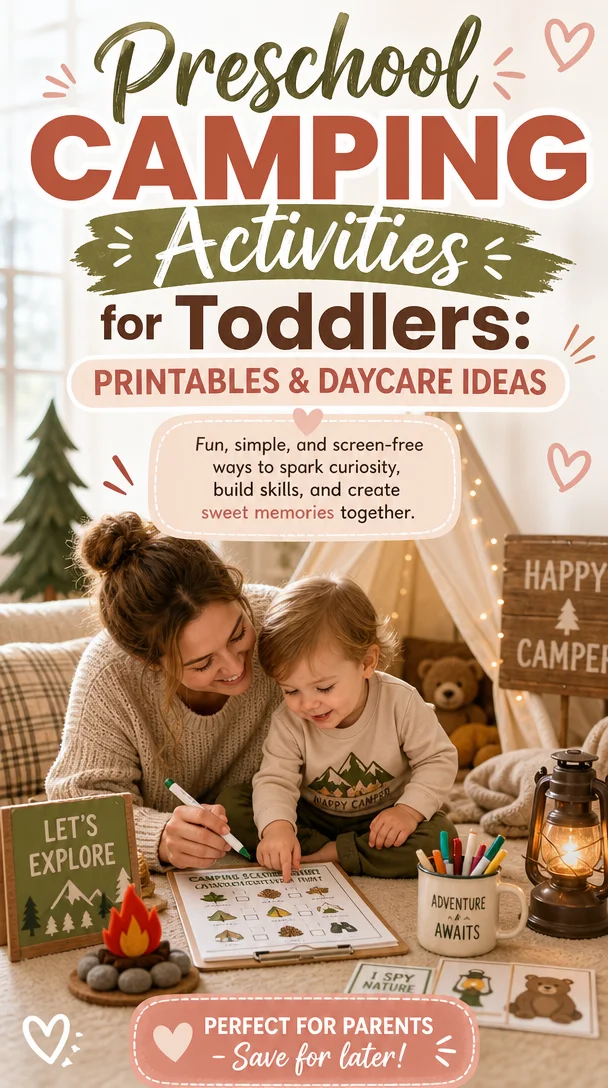
Preschool Camping Activities for Toddlers: Printables & Daycare Ideas
Preschool Activities for Camping: Transform Your Classroom into a Nature Adventure!
Meta Description
Explore fun and engaging preschool activities for camping! Discover creative ideas, printables, and crafts to bring the great outdoors to your classroom.
Introduction
Picture this: the sun is shining, the scent of campfire wafts through the air, and laughter fills the space as children explore their surroundings. You can create this vibrant atmosphere in your preschool classroom, even if you’re miles away from the nearest campsite! Camping is a delightful theme that inspires curiosity and imagination in young minds. Whether you want to celebrate the beauty of nature or find creative ways to engage your little ones, this guide is packed with exciting preschool activities for camping that will spark joy and learning in every corner of your classroom.
By embracing this theme, you not only foster a love for the outdoors but also integrate essential skills like teamwork, creativity, and problem-solving. So grab a cozy cup of coffee, sit back, and let’s dig into some fun activities that will transform your classroom into a mini camping wonderland!
Fun Group Time Ideas
Campfire Circle
Gather your little adventurers in a cozy circle on the carpet. Create a “campfire” using a red blanket, some orange and yellow tissue paper for flames, and small logs or cushions for seating. Encourage kids to share their favorite camping memories or what they imagine they would see on a camping trip. This fosters conversation and connection while allowing their imaginations to run wild.
Nature Storytime
Incorporate nature-themed books into your storytime sessions. Look for colorful books with engaging illustrations, like "Brown Bear, Brown Bear, What Do You See?" or "The Very Hungry Caterpillar." After reading, ask questions about the story to spark dialogue. For example, “What colors did you see?” or “What do you think happens next?” This encourages critical thinking and boosts both listening and speaking skills.
Utilization of Print in the Classroom
Posters and Signs
Bring the camping theme alive with vibrant posters! Create graphics that include camping gear, nature scenes, or safety tips like “Leave No Trace.” Hang these around the classroom to create an immersive environment. Don’t forget name cards for each child featuring fun nature-inspired images or words — think “Sassy Squirrel” or “Brave Bear.”
Cleanup Sign
Children thrive on structure, and having a visual aid for cleanup can help! Design a playful sign that reads, “Adventure Time: Time to Clean Up!” Use fun illustrations of camping items as part of the sign. This not only makes cleanup more enjoyable but instills responsibility and teamwork.
Craft Ideas
Nature Collage
Set the scene for a creative crafting session! Kids can collect natural items like leaves, twigs, and flowers (with a little help, of course!). Provide glue, paper, and scissors for them to create their own nature collages. Not only does this encourage creativity, but it also allows children to appreciate the beauty around them.
DIY Campfire
Gather craft materials like red, orange, and yellow tissue paper, cardboard, and LED tealight candles. Let kids help assemble a safe, fake campfire! Encourage them to design their campfire setup, discussing the significance of having a campfire on camping trips. This activity combines creativity and imaginative play.
Nature Pizza Mat
Introduce a unique playdough mat where children can create their own “nature pizza.” Design a printable mat displaying a pizza with various toppings like leaves, mushrooms, and tomatoes. Use playdough as toppings for their masterpiece. This not only sparks imaginations but also strengthens fine motor skills!
Worksheets and Activities
Tracing Path Cards
Create tracing path cards where kids “walk” the path of a hiking trail. Use different shapes or dotted lines for them to follow with crayons. This helps develop their handwriting skills while engaging their interest in outdoor adventures.
Count and Cover Mats
Make count and cover mats featuring camping-themed images. For example, show multiple tents or campfires and ask kids to cover each one using small items like counting bears or buttons. This promotes number recognition and counting while they enjoy their camping adventure.
Weather Watch Chart
Set up a weather watch chart for kids to track the “weather” during your camping theme week. They can choose icons for sunny, rainy, or overcast days and draw their predictions. This practice links their daily experiences to the larger world around them.
Transitioning into Learning: Practical Tips
- When incorporating activities, adjust based on your group’s energy and interests. Some kids may love crafting, while others thrive in discussions.
- Design a calming corner with nature elements and soft cushions. This space allows children to refocus when feeling overwhelmed.
- Use songs and music related to nature or camping during transition times. Singing familiar tunes builds community and makes switching activities a breeze.
Encouraging Open-Ended Play
Open-ended play encourages creativity and exploration. Set up various nature-inspired stations with craft supplies, nature items, or sensory bins filled with dirt, rocks, and toy animals. Allow children to navigate these freely, guiding their play without directing every movement. This sparks imagination and independence!
Encouraging Connection
Questions to Spark Conversation
Encouraging conversations among children promotes language development and social skills. Some fun questions might include:
- “If you could camp anywhere in the world, where would it be?”
- “What animal would you want to see while camping?”
- “What’s the coolest thing you’ve seen in nature?”
Family Engagement Ideas
Send home family camping kits with mini-activities or recipes. For example, share a simple s’mores recipe for families to make together. Encourage parents to take photos and share them back in class. This exchange strengthens home-school connections and creates community.
The Gift of Nature
Encouraging exploration and outdoor appreciation is a valuable gift we can give our children. Take short nature walks, collect items, and discuss what they see and hear. Teach them that joy lives in the little things, whether it’s an ant marching by or the rustle of leaves in the wind.
Conclusion
As you embark on this camping adventure with preschoolers, remember that every moment spent exploring the great outdoors nurtures their curiosity, creativity, and emotional development. These activities transform your classroom into a joyful and engaging space that celebrates the wonders of nature.
Most importantly, embrace the beauty of imperfection in parenting and teaching. You don’t have to have every detail planned out or executed perfectly. What matters is the love and effort you put into creating these memorable experiences for your students. So, go ahead, set up that campfire circle, dive into nature-themed crafts, and watch as your classroom blossoms in joy and excitement! Together, let’s make every little moment count.
FAQs
What age group is best for these camping activities?
These activities are suitable for preschoolers aged 3-5 years, allowing little ones to explore through play and creativity.
Where can I find free camping printables?
You can find various free camping printables on educational websites or platforms like Teachers Pay Teachers. Make sure to choose ones suitable for young learners.
How can I adapt these activities for my home?
Feel free to replicate these activities at home! Gather materials you already have and involve your little ones in crafting or storytelling. Engage in nature walks to explore your local environment.
Remember, parenting and teaching are journeys shared with delightful hiccups and little victories. Cherish these moments!
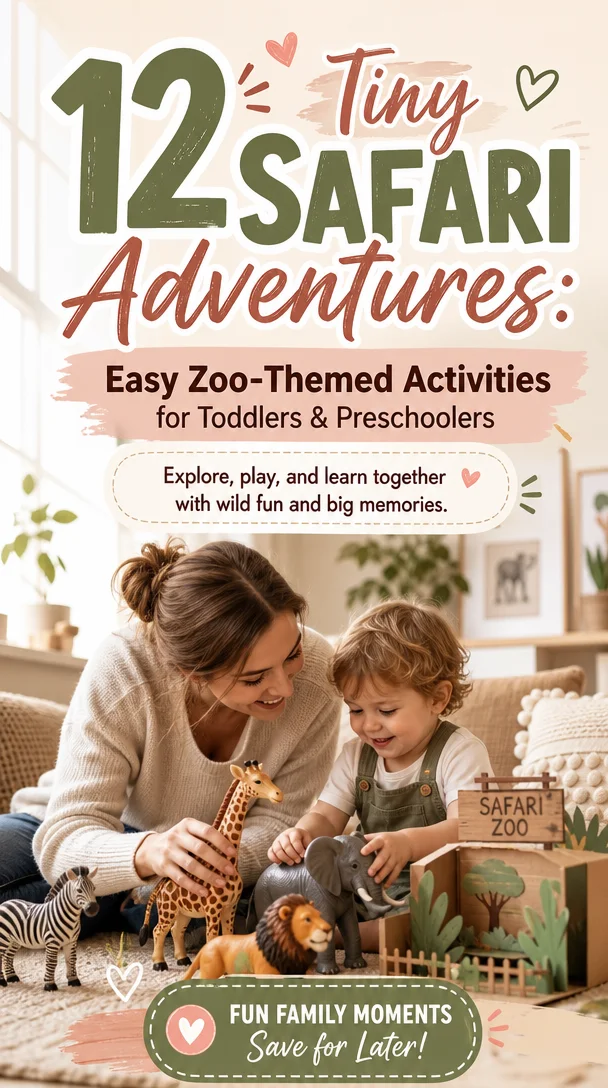
Tiny Safari Adventures: 12 Easy Zoo-Themed Activities for Toddlers & Preschoolers
10+ Safari Activities for Preschool: Wild Adventures for Little Explorers
Meta Description: Discover 10+ fun and engaging safari activities for preschoolers! Perfect for sparking creativity and love for wildlife while learning through play.
Has your little one ever looked up wide-eyed at the animals in a picture book or at the zoo, asking a thousand questions about the wild? When our kids express curiosity about the world around them, it feels like a whirlwind of excitement, doesn’t it? But often, the challenge lies in how to channel that enthusiasm into productive and fun activities.
That’s why I’m thrilled to share 10+ safari activities for preschool that will whisk your little explorers away on an imaginative adventure! From zoo-themed crafts to wild animal activities, these engaging ideas will not only keep your toddlers entertained but also nurture their curiosity and spark a love for wildlife. So, grab a comfy spot, and let’s dive into the world of safari adventures!
1. Safari Animal Mask Making
H3: Unleash Creativity with Animal Masks
What’s more fun than transforming into your favorite animal? Grab some construction paper, scissors, and markers to create masks of wild animals like lions, elephants, and zebras. Your kids can cut out large animal faces, decorate them with vibrant colors, and even embellish them with textures like fur or feathers!
Helpful Tips:
- Get Creative: Encourage your child to decorate their mask with items from nature, like leaves or twigs, to enhance the safari feel.
- Use Imagination in Play: Once the masks are done, have a mini animal parade around the house. This can lead to imaginative play where they mimic animal sounds and movements!
2. Safari Scavenger Hunt
H3: Go Wild with a Scavenger Hunt
Transform your backyard or living room into an African safari with a fun scavenger hunt! Prepare a list of safari-themed items for your kids to find, such as toy animals, animal prints, or even household items that resemble safari gear.
Helpful Tips:
- Create Clues: Break it down by ages; for younger children, use pictures of the items, while older children can have written clues.
- End with a Safari Snack: Celebrate their achievements with snacks. How about animal-shaped crackers or jungle-themed fruit kabobs?
3. Safari Storytime and Puppet Show
H3: Bring Stories to Life
Select some captivating safari-themed storybooks and have a cozy storytime. You can choose characters like adventurous explorers or wild animals. After reading, engage your kids in a puppet show using socks or paper bags to act out the stories!
Helpful Tips:
- Utilize Improv: Invite your children to create their own endings to the stories or introduce new characters. This instills creativity and confidence in speaking!
- Interactive Learning: Discuss the animals they read about — where they live, what they eat, and their habitats.
4. Nature Walk Safari
H3: Go on a Real Safari Adventure
Plan a nature walk in your local park or nearby nature reserve, and explore habitats right in your neighborhood! Equip your little explorers with binoculars and a nature journal to document their findings.
Helpful Tips:
- Encourage Observation: Ask your kids to look for animal tracks, birds, or specific plants. You can even create a checklist of things to spot.
- Capture Moments: Bring along a camera or use your phone to capture pictures. Later, you can create a scrapbook of their wild adventure.
5. DIY Safari Sensory Bin
H3: Explore Textures and Shapes
Create a sensory bin filled with materials like sand, dirt, or grass to represent the safari environment. Add toy animals to inspire imaginative play!
Helpful Tips:
- Use Everyday Items: Dry rice, beans, or pasta can serve as substitutes for sand.
- Incorporate Learning: Teach them about each animal they uncover and talk about their traits.
6. Safari Dance Party
H3: Move Like the Animals!
What better way to celebrate all things safari than a dance party? Play animal-themed music and challenge the kids to dance like their favorite wild animals.
Helpful Tips:
- Create a Playlist: Use songs that mention animals or have fun rhythms that the kids can mimic.
- Add a Freeze Dance Twist: When the music stops, let the kids freeze like their chosen safari animal.
7. African Safari Crafts
H3: Fun Crafts to Foster Creativity
Engage your kids in crafting African prints using stamps or painting. They can use fruits and veggies to create unique patterns that resemble traditional African art.
Helpful Tips:
- Incorporate Background Stories: Share tales about African cultures and wildlife as they create, fostering a greater understanding of the world.
- Display Their Art: Create a family art gallery to showcase their masterpieces.
8. Safari-Themed Cooking
H3: Cook Up Some Fun
Whip up some safari-themed snacks! Think animal-shaped sandwiches, fruit kabobs, or jungle juice smoothies. Let the kids join in; they’ll love the hands-on experience!
Helpful Tips:
- Nutrition Twist: Use this opportunity to introduce new fruits or vegetables. Ask your kids to help pick them out at the store.
- Creative Plating: Present the food in creative ways that resemble a jungle feast!
9. Wild Animal Bingo
H3: Make Learning Fun with Bingo
Create a bingo card featuring different safari animals and have fun playing Bingo! This activity sharpens recognition and memory skills while being a blast to play.
Helpful Tips:
- Educate While Playing: Share interesting facts about each animal as they check them off their cards.
- Host a Family Game Night: Invite siblings or parents to join in, turning it into a lively family activity!
10. Safari Relaxation Yoga
H3: Calm and Center with Animal Poses
Instill balance and relaxation in your routine with safari-themed yoga. Use animal poses to stretch and breathe like lions, frogs, or elephants.
Helpful Tips:
- Introduce Mindfulness: Teach children to focus on their breathing while adopting their animal pose. This encourages emotional regulation.
- Add a Story: Pair yoga with storytelling. “Let’s be tall like the giraffe, reaching for the leaves!”
Conclusion
As parents, we often walk through a whirlwind of daily challenges and joys—each moment a unique adventure. By introducing these 10+ safari activities for preschool, you not only create engaging experiences that deepen connections but also spark a sense of wonder in your little ones. Remember, it’s the small, joyful moments that build lasting memories.
So, embrace the chaos, celebrate the small wins, and make room for creativity in your family’s daily routine. You’re doing an amazing job navigating this journey called parenting. With a little wild imagination, everyday life can turn into a safari of joy, laughter, and learning.
Optional FAQs
Q: How can I adapt these activities for different age groups?
A: Tailor activities based on your child’s developmental level. Younger kids might enjoy simpler crafts, while older kids can take on more complex projects.
Q: What if I don’t have a backyard?
A: No worries! Many of these activities can be adapted for an indoors. Consider using spaces at home creatively.
Q: How can I incorporate technology while still keeping it educational?
A: Use nature apps to identify plants or animals during your nature walk, turning it into an interactive learning experience!
By engaging with these ideas, you bring a little more joy, laughter, and love into your parenting journey. Happy exploring!
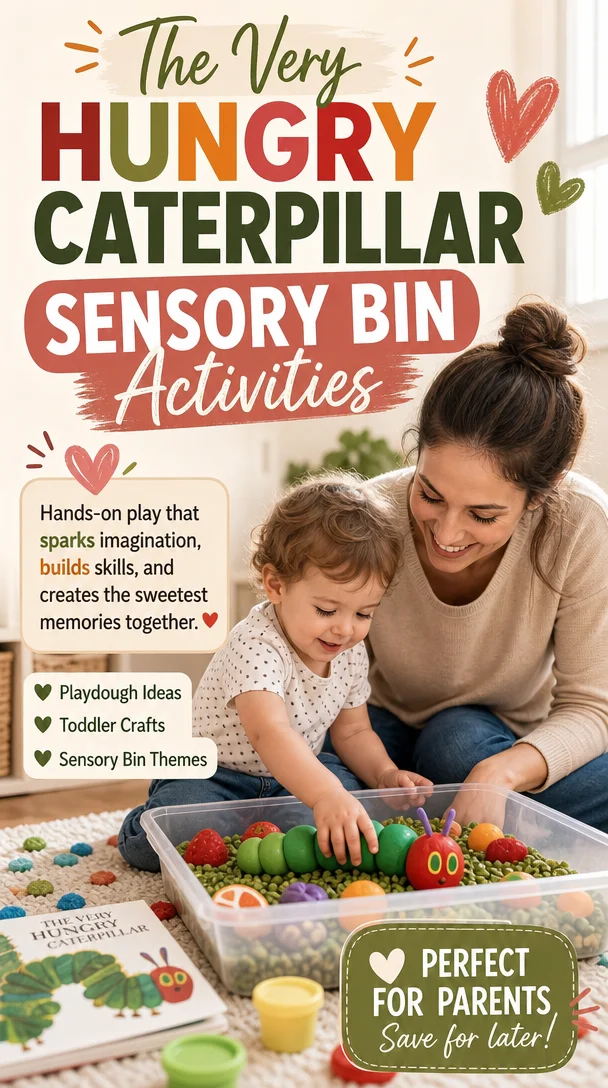
The Very Hungry Caterpillar Sensory Bin Activities | Playdough sensory bin ideas, Hungry caterpillar toddler craft, Sensory bin themes for toddlers
The Very Hungry Caterpillar Sensory Bin Activities: A World of Fun and Learning
Meta Description: Discover delightful and engaging sensory bin activities inspired by The Very Hungry Caterpillar! Perfect for toddlers to explore, learn, and play.
Introduction
As parents, we often seek fun and engaging ways to teach our toddlers while allowing their imaginations to soar. If you’ve spent any time wrangling snacks or calming tantrums, you also know the importance of activities that captivate their attention. Enter The Very Hungry Caterpillar! This beloved story opens the door to endless creativity and learning opportunities for our little ones.
Imagine setting up a sensory bin that sparks curiosity and creativity, all while rooting the activities in the charming world of Eric Carle’s classic book. Today, we’ll dive into fun playdough sensory bin ideas, an irresistible Hungry Caterpillar craft, and creative sensory bin themes, ensuring your toddler enjoys hours of messy, squishy, delightful playtime.
So, grab your favorite cup of coffee, settle in, and let’s explore how to turn the pages of a story into real-world, hands-on adventures!
Why Sensory Bins Matter
Before we jump into the activities, let’s chat about why sensory bins are such a hit with toddlers. Sensory play encourages exploration, and it supports cognitive development, fine motor skills, and emotional growth. Through touch, sight, and even smell, children make connections between their experiences and the world around them. Plus, sensory play is hugely beneficial for those wiggly little bodies that can’t sit still!
Key Benefits of Sensory Play:
- Encourages Exploration: Kids learn about different textures, colors, and materials as they dig, scoop, and mix.
- Enhances Fine Motor Skills: Activities like pouring, scooping, and molding help little hands develop strength and coordination.
- Promotes Language Development: Engaging in play together fosters communication and vocabulary expansion.
- Supports Emotional Regulation: Sensory play can calm anxious feelings and help toddlers process their emotions.
Let’s unleash your toddler’s creativity by tapping into the delightful world of The Very Hungry Caterpillar!
Creating Your Very Hungry Caterpillar Sensory Bin
What You’ll Need
Building a sensory bin doesn’t require a lengthy shopping list. Here’s a simple guide to get started:
-
Base Material: Use dried corn, rice, beans, or colorful shredded paper. These materials provide a lovely backdrop for sensory experiences.
-
Playdough: Homemade or store-bought playdough can act as a great tactile element. You can even dye it in bright colors to reflect the story.
-
Caterpillar Toys or Figures: Look for small caterpillar toys, plastic insects, or even soft plush toys representing the characters from the book.
-
Fruits and Vegetables: Plastic or foam fruits and veggies can be a fun addition to reflect the different items the caterpillar munches through.
-
Tools: Scoops, spoons, small buckets, and containers encourage discovery and imaginative play.
Setting Up Your Bin
-
Choose your base material: Pour your dried corn or rice into a bin (about a third full works well). This will be the “ground” for your sensory experience.
-
Add the playdough: You can create small “fruit” shapes from the playdough, such as apples, pears, and strawberries. You’re not just filling the sensory bin; you’re bringing the story to life!
-
Incorporate figures: Scatter your caterpillar and fruit figures throughout the sensory bin.
-
Encourage exploration: Hand your child a scooper and let them dive in! Encourage them to find the different fruits and help them recount the story as they play.
Engaging Activities with The Very Hungry Caterpillar Sensory Bin
Once your sensory bin is set up, the fun begins! Here are some activities that keep your little one engaged:
1. Fruit Matching Game
Help your toddler practice their recognition skills with a fun fruit-matching game!
- How to Play: Place real or plastic fruit from the story around the sensory bin. As your toddler scoops up each one, encourage them to name it. You can even play a simple game of memory by hiding the fruits under the base material and asking them to find it by name.
2. Caterpillar Counting Fun
Counting can be a delightful experience in your sensory bin!
- How to Play: Use the caterpillar figures to create a counting game. Ask your toddler to count out a specific number of toys or fruits. You can also practice one-to-one correspondence by placing one figure next to each fruit as they count.
3. Color Sorting Activity
Colors pop in the sensory bin, making it a wonderful place to practice sorting!
- How to Play: As your child digs around for different fruits, ask them to sort the items by color. This not only teaches them about colors but enhances their categorization skills.
4. Story Reenactment
Using the sensory bin, your toddler can creatively retell The Very Hungry Caterpillar.
- How to Play: Prompt your toddler to act out the story using the figures and fruit. Encourage them to start with the caterpillar hatching from the egg and move through each day of eating fruit! This is a perfect moment to bond while reinforcing the storyline.
5. Texture Exploration
Sensory bins are perfect for exploring different textures.
- How to Play: Offer your toddler different materials like cloth (to represent leaves) or cotton balls (for clouds). Discuss how each material feels while they dig through the bin.
Hungry Caterpillar Toddler Craft Ideas
Crafts can further enhance your sensory experience and provide an opportunity for creativity. Try these simple craft ideas inspired by The Very Hungry Caterpillar:
1. Paper Plate Caterpillar
This easy craft helps improve fine motor skills!
-
What You Need:
- A paper plate
- Paint or markers
- Googly eyes
- Pipe cleaners
-
Instructions:
- Paint the paper plate green (or any bright color).
- Once dried, glue on googly eyes and add pipe cleaner antennas.
- Your little one can help decide on the colors and decorate!
2. Fruits Collage
Create a beautiful collage using fruits featured in the story.
-
What You Need:
- Construction paper
- Glue
- Scissors
- Magazines or colored paper for cutting out fruit shapes
-
Instructions:
- Help your child cut out or tear fruit images from magazines.
- Encourage them to glue their favorites on a larger sheet of paper to create a vibrant collage.
3. Caterpillar Counting Craft
Combine counting with creativity by making crafts that reinforce numeral recognition.
-
What You Need:
- Cut-out circles in various colors
- Glue
- Markers
-
Instructions:
- Let your toddler glue circles together to create a caterpillar.
- Write numbers on each circle and prompt your toddler to count out the correct number of corresponding items when they see a number.
Tips for a Successful Sensory Playtime
-
Be Present: Engage in the play and join your toddler in exploration. This builds your bond and enhances their experience.
-
Limit Distractions: Make sure the environment is calm and inviting. Set aside phones and other distractions to focus solely on this special time together.
-
Follow Their Lead: Watch your child’s interests and let them guide the play. Follow where their imagination takes them!
-
Provide Variety: Regularly change up your sensory bin materials to keep the experience fresh and exciting. Seasonal themes often delight toddlers.
-
Emphasize Clean-Up: Encourage ownership of the space by involving your child in clean-up time. Make it a part of the fun, and offer praises for their help!
Encouraging Conclusion
As parents, we cherish those simple moments—messy, giggly, curiosity-filled adventures that allow us to bond with our toddlers. With sensory bins inspired by The Very Hungry Caterpillar, your family can enjoy playful learning that evokes lasting memories and sparks imagination.
Remember, you’re doing an amazing job by making time for play. Every minute spent laughing, exploring, and creating together counts. Your little explorer is not just playing; they’re learning about the world and developing crucial skills.
So, gather your supplies and dive into the world of sensory play! Each scoop and squish is a chance to celebrate the beautiful, chaotic journey of family life. You’ve got this!
FAQ
Q: What are some safe materials for toddlers in sensory bins?
A: Safe materials include dried rice, beans, water beads, kinetic sand, and non-toxic playdough. Always supervise your child to prevent any accidental ingestion.
Q: How often can I change themes in the sensory bin?
A: You can change themes as often as every week, especially if you tie them to holidays or seasonal changes. Keeping the activities fresh helps maintain engagement!
Q: What age is appropriate for sensory play?
A: Sensory play is suitable for toddlers and preschoolers, but sensory bins can be adapted for all ages. Younger babies might enjoy more basic textures, while older children can handle more complex themes.