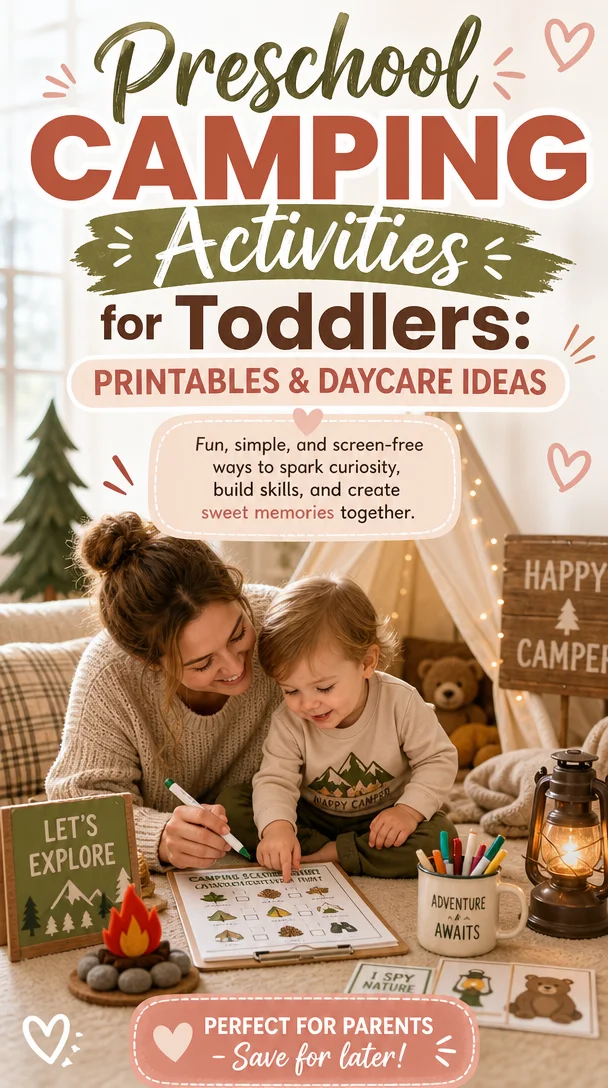
Preschool Camping Activities for Toddlers: Printables & Daycare Ideas
Preschool Activities for Camping: Transform Your Classroom into a Nature Adventure!
Meta Description
Explore fun and engaging preschool activities for camping! Discover creative ideas, printables, and crafts to bring the great outdoors to your classroom.
Introduction
Picture this: the sun is shining, the scent of campfire wafts through the air, and laughter fills the space as children explore their surroundings. You can create this vibrant atmosphere in your preschool classroom, even if you’re miles away from the nearest campsite! Camping is a delightful theme that inspires curiosity and imagination in young minds. Whether you want to celebrate the beauty of nature or find creative ways to engage your little ones, this guide is packed with exciting preschool activities for camping that will spark joy and learning in every corner of your classroom.
By embracing this theme, you not only foster a love for the outdoors but also integrate essential skills like teamwork, creativity, and problem-solving. So grab a cozy cup of coffee, sit back, and let’s dig into some fun activities that will transform your classroom into a mini camping wonderland!
Fun Group Time Ideas
Campfire Circle
Gather your little adventurers in a cozy circle on the carpet. Create a “campfire” using a red blanket, some orange and yellow tissue paper for flames, and small logs or cushions for seating. Encourage kids to share their favorite camping memories or what they imagine they would see on a camping trip. This fosters conversation and connection while allowing their imaginations to run wild.
Nature Storytime
Incorporate nature-themed books into your storytime sessions. Look for colorful books with engaging illustrations, like "Brown Bear, Brown Bear, What Do You See?" or "The Very Hungry Caterpillar." After reading, ask questions about the story to spark dialogue. For example, “What colors did you see?” or “What do you think happens next?” This encourages critical thinking and boosts both listening and speaking skills.
Utilization of Print in the Classroom
Posters and Signs
Bring the camping theme alive with vibrant posters! Create graphics that include camping gear, nature scenes, or safety tips like “Leave No Trace.” Hang these around the classroom to create an immersive environment. Don’t forget name cards for each child featuring fun nature-inspired images or words — think “Sassy Squirrel” or “Brave Bear.”
Cleanup Sign
Children thrive on structure, and having a visual aid for cleanup can help! Design a playful sign that reads, “Adventure Time: Time to Clean Up!” Use fun illustrations of camping items as part of the sign. This not only makes cleanup more enjoyable but instills responsibility and teamwork.
Craft Ideas
Nature Collage
Set the scene for a creative crafting session! Kids can collect natural items like leaves, twigs, and flowers (with a little help, of course!). Provide glue, paper, and scissors for them to create their own nature collages. Not only does this encourage creativity, but it also allows children to appreciate the beauty around them.
DIY Campfire
Gather craft materials like red, orange, and yellow tissue paper, cardboard, and LED tealight candles. Let kids help assemble a safe, fake campfire! Encourage them to design their campfire setup, discussing the significance of having a campfire on camping trips. This activity combines creativity and imaginative play.
Nature Pizza Mat
Introduce a unique playdough mat where children can create their own “nature pizza.” Design a printable mat displaying a pizza with various toppings like leaves, mushrooms, and tomatoes. Use playdough as toppings for their masterpiece. This not only sparks imaginations but also strengthens fine motor skills!
Worksheets and Activities
Tracing Path Cards
Create tracing path cards where kids “walk” the path of a hiking trail. Use different shapes or dotted lines for them to follow with crayons. This helps develop their handwriting skills while engaging their interest in outdoor adventures.
Count and Cover Mats
Make count and cover mats featuring camping-themed images. For example, show multiple tents or campfires and ask kids to cover each one using small items like counting bears or buttons. This promotes number recognition and counting while they enjoy their camping adventure.
Weather Watch Chart
Set up a weather watch chart for kids to track the “weather” during your camping theme week. They can choose icons for sunny, rainy, or overcast days and draw their predictions. This practice links their daily experiences to the larger world around them.
Transitioning into Learning: Practical Tips
- When incorporating activities, adjust based on your group’s energy and interests. Some kids may love crafting, while others thrive in discussions.
- Design a calming corner with nature elements and soft cushions. This space allows children to refocus when feeling overwhelmed.
- Use songs and music related to nature or camping during transition times. Singing familiar tunes builds community and makes switching activities a breeze.
Encouraging Open-Ended Play
Open-ended play encourages creativity and exploration. Set up various nature-inspired stations with craft supplies, nature items, or sensory bins filled with dirt, rocks, and toy animals. Allow children to navigate these freely, guiding their play without directing every movement. This sparks imagination and independence!
Encouraging Connection
Questions to Spark Conversation
Encouraging conversations among children promotes language development and social skills. Some fun questions might include:
- “If you could camp anywhere in the world, where would it be?”
- “What animal would you want to see while camping?”
- “What’s the coolest thing you’ve seen in nature?”
Family Engagement Ideas
Send home family camping kits with mini-activities or recipes. For example, share a simple s’mores recipe for families to make together. Encourage parents to take photos and share them back in class. This exchange strengthens home-school connections and creates community.
The Gift of Nature
Encouraging exploration and outdoor appreciation is a valuable gift we can give our children. Take short nature walks, collect items, and discuss what they see and hear. Teach them that joy lives in the little things, whether it’s an ant marching by or the rustle of leaves in the wind.
Conclusion
As you embark on this camping adventure with preschoolers, remember that every moment spent exploring the great outdoors nurtures their curiosity, creativity, and emotional development. These activities transform your classroom into a joyful and engaging space that celebrates the wonders of nature.
Most importantly, embrace the beauty of imperfection in parenting and teaching. You don’t have to have every detail planned out or executed perfectly. What matters is the love and effort you put into creating these memorable experiences for your students. So, go ahead, set up that campfire circle, dive into nature-themed crafts, and watch as your classroom blossoms in joy and excitement! Together, let’s make every little moment count.
FAQs
What age group is best for these camping activities?
These activities are suitable for preschoolers aged 3-5 years, allowing little ones to explore through play and creativity.
Where can I find free camping printables?
You can find various free camping printables on educational websites or platforms like Teachers Pay Teachers. Make sure to choose ones suitable for young learners.
How can I adapt these activities for my home?
Feel free to replicate these activities at home! Gather materials you already have and involve your little ones in crafting or storytelling. Engage in nature walks to explore your local environment.
Remember, parenting and teaching are journeys shared with delightful hiccups and little victories. Cherish these moments!
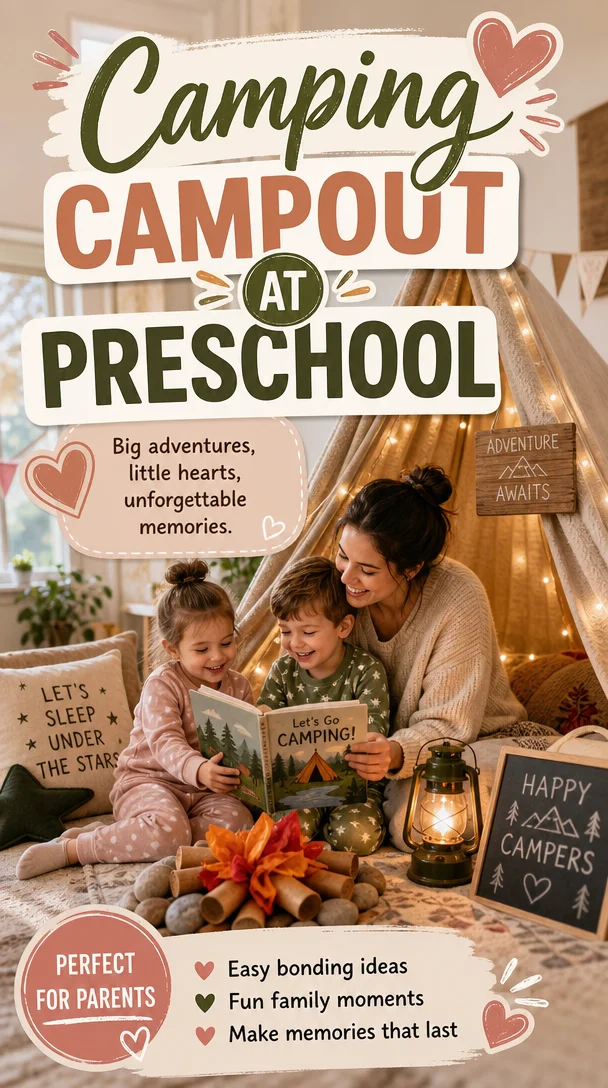
“Camping” Campout at Preschool
Indoor Camping Adventure: A Preschool Campout at RainbowsWithinReach
Meta Description: Transform your preschool classroom into a cozy indoor campout with creative campfire ideas, fun crafts, and engaging reading suggestions.
Introduction
Ah, the joys of childhood — those magical moments filled with wonder and adventure, often found right in our own backyards, or in this case, our preschool classrooms! As parents and teachers, we constantly seek ways to elevate our little ones’ experiences. What could be more delightful than a whimsical indoor camping adventure?
Picture this: the lights dimmed, a cozy “campfire” flickering in the corner, and the excited giggles of children as they settle down on their sleeping bags, ready for storytelling under the stars of the classroom ceiling. An indoor campout at RainbowsWithinReach not only fosters connection and imagination but also turns an ordinary day into something extraordinary.
So, grab your cozy blanket and a cup of your favorite brew; it’s time to dive into the details of planning this lovely indoor camping experience that will certainly spark joy in both your little campers and yourself.
Setting Up Your Indoor Campout: The Essentials
Create a Cozy Camping Space
Preparing your indoor campsite is essential in creating a magical atmosphere. Here’s how to transform your preschool setting into a cozy hideaway:
-
Sleeping Bags and Blankets: Scatter colorful sleeping bags or blankets across the floor for comfy seating. Not only does this provide a cozy spot, but it also invites the children to feel adventurous and at home.
-
Decorate with Nature: Bring the outside in by hanging paper lanterns or stars from the ceiling to mimic the night sky. You can also use green streamers for “vines” and fabric to simulate leaves and grass.
-
Set Up a Campfire: Craft a creative campfire using craft supplies. Arrange faux logs made from cardboard tubes (decorated to look like logs) in a circle and place orange and yellow tissue paper in the center for a campfire glow. If you have LED tea lights, use those to add an ambient flicker!
Making Connections
Use this camping theme to create bonding moments. Invite children to share their camping experiences or what they love about nature. Here are some engaging questions to kick off the conversation:
- “What’s your favorite camping snack?”
- “Have you ever seen a tree that looks like an animal?”
- “What would you pack if you went camping in the woods?”
By encouraging your little campers to share their thoughts, you not only strengthen their communication skills but also create a supportive space for open dialogue.
Fun Activities for Your Indoor Campout
What would a camping experience be without fun activities? Here are some immersive ideas that will ignite creativity and excitement in your preschoolers.
Storytime Under the Stars
Reading is always a delightful way to spark imaginations. Choose captivating stories that revolve around the camping theme to keep the children engaged. Here are a few fantastic options:
- “Bear Says Thanks” by Karma Wilson: This charming tale emphasizes friendship and sharing.
- “Going on a Bear Hunt” by Michael Rosen: The rhythmic storytelling invites participation as kids mimic the adventure.
- “Pete the Cat Goes Camping” by James Dean: A fun, engaging read with vibrant illustrations that resonate with young readers.
To enhance this experience, consider creating a DIY reading tent by draping a blanket over two chairs and forming cozy nooks where small groups can gather for storytime!
Nature Crafts
Get crafty with some nature-inspired creations! Here are a few delightful craft ideas:
-
Pinecone Creatures: Use pinecones, googly eyes, and craft supplies to create cute little animals. This activity brings in discussions about wildlife and creativity.
-
Leaf Printing: Collect leaves and paint them to make prints on paper. This sensory experience allows kids to connect with nature while creating beautiful art.
-
Campfire Collage: Gather various materials like orange, red, and brown paper, glitter, and sparkles to create a campfire collage. This visually appealing project encourages collaboration and creativity as children work together.
Camping Bingo
Design a simple bingo game using camping-related images. Create bingo cards with items like tents, campfires, trees, and animals. As you call out the images, children can mark them off their cards. This fun game supports recognition skills and keeps them engaged!
Creating Routines During Your Indoor Campout
Building a routine during your indoor campout allows for structure while preserving the fun. Here’s a sturdy framework to consider:
Morning Circle
Begin the day with a morning circle where you gather all the kids to discuss the day’s agenda. Use this time to share the objectives of the campout, as well as to convey excitement about what lies ahead.
Snack Time Mystery
Organize a “mystery” snack time where kids can guess the camping snacks you’ve prepared – like trail mix, s’mores, or fruit skewers. Let each child try a small bit and share their thoughts. This interactive component builds anticipation and excitement.
Campfire Reflection
End the day with a campfire reflection session. Gather around your craft campfire, dim the lights, and let children share their favorite part of the day, what they learned, and what they loved most. This promotes emotional intelligence and encourages them to express their feelings.
Tips for a Successful Indoor Campout
-
Make It Inclusive: Ensure every child feels involved. Use a buddy system where campers can team up for activities. This fosters friendship and stronger connections.
-
Prep in Advance: Gather materials and set up the space before the campout begins to minimize stress. A little preparation saves time and enhances the experience for both you and the children.
-
Capture Moments: Take candid photos during the activities (with parental consent!). You can later create a classroom scrapbook to share with families, encouraging conversations around these magical moments long after the campout ends.
-
Encourage Imagination: Don’t be afraid to embrace stories and activities that spark creativity. The more imaginative the settings and scenarios, the more engaged your little campers will be.
-
Be Flexible: While routines help, flexibility is key. If kids seem particularly engaged in an activity, allow for extra time. The goal is to nurture their curiosity and enthusiasm.
Conclusion
Creating an indoor campout at RainbowsWithinReach is more than just an activity; it’s a chance to foster connections, ignite imaginations, and create lasting memories. With easy crafts, exciting stories, and engaging activities, you can transform an ordinary school day into an extraordinary adventure.
Remember, every small step you take towards enhancing your children’s experiences lays the foundation for emotional growth and joyful connection. So, as you gather your little campers around the warm flicker of your creative campfire, know that you are doing a wonderful job. It’s these little moments that matter the most. Happy camping!
FAQ Section
What age group is this indoor campout suitable for?
This indoor campout is perfect for preschoolers aged 3-5, as the activities are tailored to support their developmental skills and creativity.
How long should the indoor campout last?
Depending on your schedule, a duration of 2-3 hours allows plenty of time for activities, storytelling, and snacks without overwhelming the kids.
Can I adapt this campout theme for home use?
Absolutely! Use similar activities and tips to create a camping experience at home. Transform your living room into a cozy campsite your little ones will adore.
By harnessing the wonderful theme of camping, you can create an immersive learning environment that sparks joy, creativity, and connection in your preschoolers both inside and outside of the classroom.
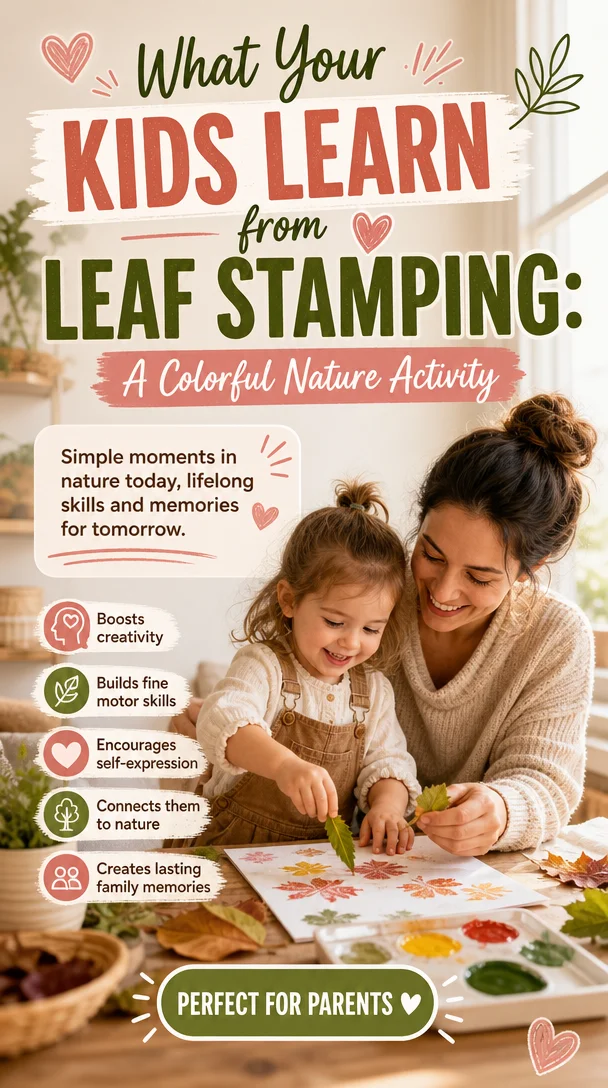
What Your Kids Learn from Leaf Stamping: A Colorful Nature Activity
Leaf Stamping Nature Activity for Kids: A Fun and Simple Science Adventure
Meta Description
Discover the joy of leaf stamping! This easy nature activity for kids combines creativity and science, making family bonding moments unforgettable.
Introduction
Have you ever watched your little ones marvel at the world around them? From the fluttering of butterfly wings to the crunching of leaves underfoot, nature provides endless wonders just waiting to be explored. As parents, we strive to nurture that curiosity, but let’s be real—finding engaging, easy activities can feel overwhelming. That’s where a delightful discovery like leaf stamping comes in!
Imagine your child’s face lighting up as they create colorful art with leaves they gathered from your backyard. Leaf stamping is a simple yet enchanting way to combine creativity with a dash of science—and it’s perfect for those glorious afternoons spent outdoors. This activity not only fosters creativity but also helps your kids appreciate the beauty of nature while learning about the different types of leaves and their textures. Get ready to step outside, embrace a bit of mess, and make warm, lasting memories with your kids!
What is Leaf Stamping?
Leaf stamping is an imaginative craft that involves using leaves as stamps to create stunning prints on paper. This activity allows your children to explore various colors, shapes, and patterns while connecting with nature. Plus, it offers a fun and hands-on way to learn about plant life!
While the process is straightforward, the potential for creativity is limitless. Kids can experiment with different types of leaves, colors, and techniques, making this activity suitable for toddlers and older children alike. Let’s dive into how to get started with this exciting nature activity!
The Benefits of Leaf Stamping
Encourages Creativity
Kids naturally express their emotions through art. Leaf stamping offers them a unique medium to showcase their creativity. With just a few materials, they can create beautiful, one-of-a-kind masterpieces that reflect their personalities.
Connects with Nature
Stepping outside allows your kids to appreciate the beauty of nature firsthand. They engage their senses as they touch different leaves, observe intricate details, and breathe in the fresh air. This connection to nature nourishes their curiosity.
Boosts Learning Opportunities
Leaf stamping provides an excellent backdrop for teaching moments! Talk about various tree species, explore shapes and colors, and even engage in discussions around the science of photosynthesis as you stamp away. Learning doesn’t get much more fun than this!
Enhances Fine Motor Skills
Using paint and stamping requires coordination and fine motor control—perfect for helping kids sharpen their skills. As they dip the leaves in paint and press them onto paper, they develop hand-eye coordination and strength in their hands.
How to Prepare for a Leaf Stamping Adventure
What You’ll Need
Before you head out to start your leaf stamping journey, gather the materials you’ll need. Here’s a quick checklist:
- Leaves of different shapes and sizes (maple, oak, and ferns work well)
- Non-toxic paint (washable tempera paint is great)
- Paper (cardstock or any sturdy paper)
- Paintbrushes (optional)
- Container for the paint
- Newspaper or a plastic tablecloth (for less mess)
- Wet wipes or paper towels (for easy cleanup)
Choosing Leaves
Before you start stamping, take a nature walk with your kids to gather leaves. Encourage them to explore different types of leaves and engage their curiosity. Ask questions like:
- What does this leaf feel like?
- What color is the leaf?
- What tree do you think this leaf came from?
This discovery process makes the activity even more engaging!
Step-by-Step Guide to Leaf Stamping
Now that you’ve gathered everything you need, let’s dive into the fun part! Here’s how to execute the leaf stamping activity:
Step 1: Prepare Your Workspace
Lay down newspaper or a plastic tablecloth to protect your surfaces. Getting a little messy is part of the fun, but it’s nice to have a designated area to work in!
Step 2: Set Up Your Paint
Pour some non-toxic paint into a container. You can use different colors for more vibrant prints. If your kids are feeling adventurous, let them mix colors for unique shades!
Step 3: Paint the Leaves
Using a paintbrush or directly dipping the leaves into the paint, cover one side of a leaf with paint. Make sure the leaf is well-coated, but not dripping!
Step 4: Stamp on Paper
Press the painted side of the leaf onto your piece of paper. Encourage your children to press gently but firmly to ensure an even transfer. For a more intricate design, they can try applying different pressure levels or angle the leaves in various directions.
Step 5: Repeat and Experiment
Let your kids explore! They can use various leaves, mix different colors, and even layer prints for more effect. This is their chance to be artists, so let their imaginations run wild!
Step 6: Clean Up
Once you’ve finished stamping, take a moment to clean up with wet wipes or a damp cloth. Teaching kids about cleanup is another valuable life lesson!
Ideas to Enhance the Leaf Stamping Experience
Explore Nature Further
Take your leaf stamping to the next level by going on a mini-scavenger hunt! Give your kids a list of items to find in nature, such as acorns, interesting rocks, or flowers. This twist adds an element of adventure to your day out.
Create Seasonal Art
Use leaf stamping to create seasonal décor! Consider making autumn leaf prints to decorate your home for fall or colorful spring leaf art as part of your garden theme. Transform their artwork into greeting cards or a wall gallery.
Discuss What You Discover
While you stamp, take the opportunity to discuss nature’s wonders. Ask questions like:
- What colors do you see in nature?
- How do leaves change with the seasons?
- What types of animals might live in the trees?
Encouraging dialogue nurtures your little ones’ curiosity and enhances their learning experience.
Connect with Other Families
Consider organizing a leaf stamping playdate with your friends! Invite other families over for an afternoon of art, laughter, and creativity. Sharing parenting moments with others always lightens the load!
Helpful Tips for a Successful Leaf Stamping Experience
-
Choose the Right Leaves: Opt for leaves with interesting shapes and textures for more exciting prints. Experiment with different tree species for variety!
-
Experiment with Colors: Let your kids mix and match colors to create new shades. This adds an element of surprise to each print!
-
Use Sturdy Paper: Ensure you choose quality paper that can handle the paint. Cardstock works wonderfully!
-
Practice Makes Perfect: If your child struggles initially, encourage them to keep trying. Affirm that creativity takes practice!
-
Celebrate Their Masterpieces: Display their creations proudly! This boosts their confidence and creates a sense of accomplishment.
Conclusion
Leaf stamping is more than just a fun craft, it’s an opportunity to explore, learn, and bond as a family. Allow your children to bask in the beauty of nature while expressing themselves creatively. Remember, it’s not about achieving perfection; it’s about making memories and celebrating each little discovery together.
As you step into this activity, keep in mind that every brushstroke and print is a step towards nurturing their creativity and curiosity. So gather your supplies, head outside, and let the adventure unfold. You’re not just making art—you’re creating moments that matter.
Optional FAQ Section
Q: What age is this activity suitable for?
A: Leaf stamping is suitable for kids aged 3 and up. Younger children will need guidance, while older kids can enjoy experimenting more independently.
Q: Can we use other materials for stamping?
A: Absolutely! In addition to leaves, you can experiment with flowers, vegetables, or even sponges for different effects.
Q: What if my child is hesitant to try?
A: Encourage them gently! Sometimes a little exploration can spark their interest. Join in and show them how fun the process can be!
Q: How can we extend this activity?
A: Use stamp prints to create a personalized storybook where each page represents a different leaf stamping adventure!
Now, go ahead—let the colors, textures, and fun transform your day into an unforgettable family adventure!