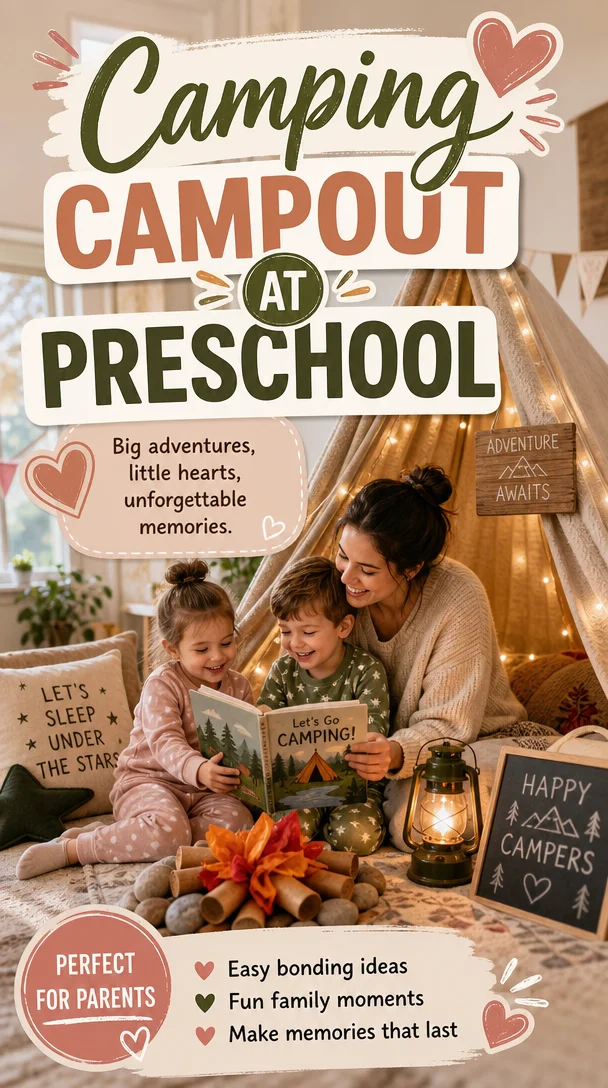
“Camping” Campout at Preschool
Indoor Camping Adventure: A Preschool Campout at RainbowsWithinReach
Meta Description: Transform your preschool classroom into a cozy indoor campout with creative campfire ideas, fun crafts, and engaging reading suggestions.
Introduction
Ah, the joys of childhood — those magical moments filled with wonder and adventure, often found right in our own backyards, or in this case, our preschool classrooms! As parents and teachers, we constantly seek ways to elevate our little ones’ experiences. What could be more delightful than a whimsical indoor camping adventure?
Picture this: the lights dimmed, a cozy “campfire” flickering in the corner, and the excited giggles of children as they settle down on their sleeping bags, ready for storytelling under the stars of the classroom ceiling. An indoor campout at RainbowsWithinReach not only fosters connection and imagination but also turns an ordinary day into something extraordinary.
So, grab your cozy blanket and a cup of your favorite brew; it’s time to dive into the details of planning this lovely indoor camping experience that will certainly spark joy in both your little campers and yourself.
Setting Up Your Indoor Campout: The Essentials
Create a Cozy Camping Space
Preparing your indoor campsite is essential in creating a magical atmosphere. Here’s how to transform your preschool setting into a cozy hideaway:
-
Sleeping Bags and Blankets: Scatter colorful sleeping bags or blankets across the floor for comfy seating. Not only does this provide a cozy spot, but it also invites the children to feel adventurous and at home.
-
Decorate with Nature: Bring the outside in by hanging paper lanterns or stars from the ceiling to mimic the night sky. You can also use green streamers for “vines” and fabric to simulate leaves and grass.
-
Set Up a Campfire: Craft a creative campfire using craft supplies. Arrange faux logs made from cardboard tubes (decorated to look like logs) in a circle and place orange and yellow tissue paper in the center for a campfire glow. If you have LED tea lights, use those to add an ambient flicker!
Making Connections
Use this camping theme to create bonding moments. Invite children to share their camping experiences or what they love about nature. Here are some engaging questions to kick off the conversation:
- “What’s your favorite camping snack?”
- “Have you ever seen a tree that looks like an animal?”
- “What would you pack if you went camping in the woods?”
By encouraging your little campers to share their thoughts, you not only strengthen their communication skills but also create a supportive space for open dialogue.
Fun Activities for Your Indoor Campout
What would a camping experience be without fun activities? Here are some immersive ideas that will ignite creativity and excitement in your preschoolers.
Storytime Under the Stars
Reading is always a delightful way to spark imaginations. Choose captivating stories that revolve around the camping theme to keep the children engaged. Here are a few fantastic options:
- “Bear Says Thanks” by Karma Wilson: This charming tale emphasizes friendship and sharing.
- “Going on a Bear Hunt” by Michael Rosen: The rhythmic storytelling invites participation as kids mimic the adventure.
- “Pete the Cat Goes Camping” by James Dean: A fun, engaging read with vibrant illustrations that resonate with young readers.
To enhance this experience, consider creating a DIY reading tent by draping a blanket over two chairs and forming cozy nooks where small groups can gather for storytime!
Nature Crafts
Get crafty with some nature-inspired creations! Here are a few delightful craft ideas:
-
Pinecone Creatures: Use pinecones, googly eyes, and craft supplies to create cute little animals. This activity brings in discussions about wildlife and creativity.
-
Leaf Printing: Collect leaves and paint them to make prints on paper. This sensory experience allows kids to connect with nature while creating beautiful art.
-
Campfire Collage: Gather various materials like orange, red, and brown paper, glitter, and sparkles to create a campfire collage. This visually appealing project encourages collaboration and creativity as children work together.
Camping Bingo
Design a simple bingo game using camping-related images. Create bingo cards with items like tents, campfires, trees, and animals. As you call out the images, children can mark them off their cards. This fun game supports recognition skills and keeps them engaged!
Creating Routines During Your Indoor Campout
Building a routine during your indoor campout allows for structure while preserving the fun. Here’s a sturdy framework to consider:
Morning Circle
Begin the day with a morning circle where you gather all the kids to discuss the day’s agenda. Use this time to share the objectives of the campout, as well as to convey excitement about what lies ahead.
Snack Time Mystery
Organize a “mystery” snack time where kids can guess the camping snacks you’ve prepared – like trail mix, s’mores, or fruit skewers. Let each child try a small bit and share their thoughts. This interactive component builds anticipation and excitement.
Campfire Reflection
End the day with a campfire reflection session. Gather around your craft campfire, dim the lights, and let children share their favorite part of the day, what they learned, and what they loved most. This promotes emotional intelligence and encourages them to express their feelings.
Tips for a Successful Indoor Campout
-
Make It Inclusive: Ensure every child feels involved. Use a buddy system where campers can team up for activities. This fosters friendship and stronger connections.
-
Prep in Advance: Gather materials and set up the space before the campout begins to minimize stress. A little preparation saves time and enhances the experience for both you and the children.
-
Capture Moments: Take candid photos during the activities (with parental consent!). You can later create a classroom scrapbook to share with families, encouraging conversations around these magical moments long after the campout ends.
-
Encourage Imagination: Don’t be afraid to embrace stories and activities that spark creativity. The more imaginative the settings and scenarios, the more engaged your little campers will be.
-
Be Flexible: While routines help, flexibility is key. If kids seem particularly engaged in an activity, allow for extra time. The goal is to nurture their curiosity and enthusiasm.
Conclusion
Creating an indoor campout at RainbowsWithinReach is more than just an activity; it’s a chance to foster connections, ignite imaginations, and create lasting memories. With easy crafts, exciting stories, and engaging activities, you can transform an ordinary school day into an extraordinary adventure.
Remember, every small step you take towards enhancing your children’s experiences lays the foundation for emotional growth and joyful connection. So, as you gather your little campers around the warm flicker of your creative campfire, know that you are doing a wonderful job. It’s these little moments that matter the most. Happy camping!
FAQ Section
What age group is this indoor campout suitable for?
This indoor campout is perfect for preschoolers aged 3-5, as the activities are tailored to support their developmental skills and creativity.
How long should the indoor campout last?
Depending on your schedule, a duration of 2-3 hours allows plenty of time for activities, storytelling, and snacks without overwhelming the kids.
Can I adapt this campout theme for home use?
Absolutely! Use similar activities and tips to create a camping experience at home. Transform your living room into a cozy campsite your little ones will adore.
By harnessing the wonderful theme of camping, you can create an immersive learning environment that sparks joy, creativity, and connection in your preschoolers both inside and outside of the classroom.
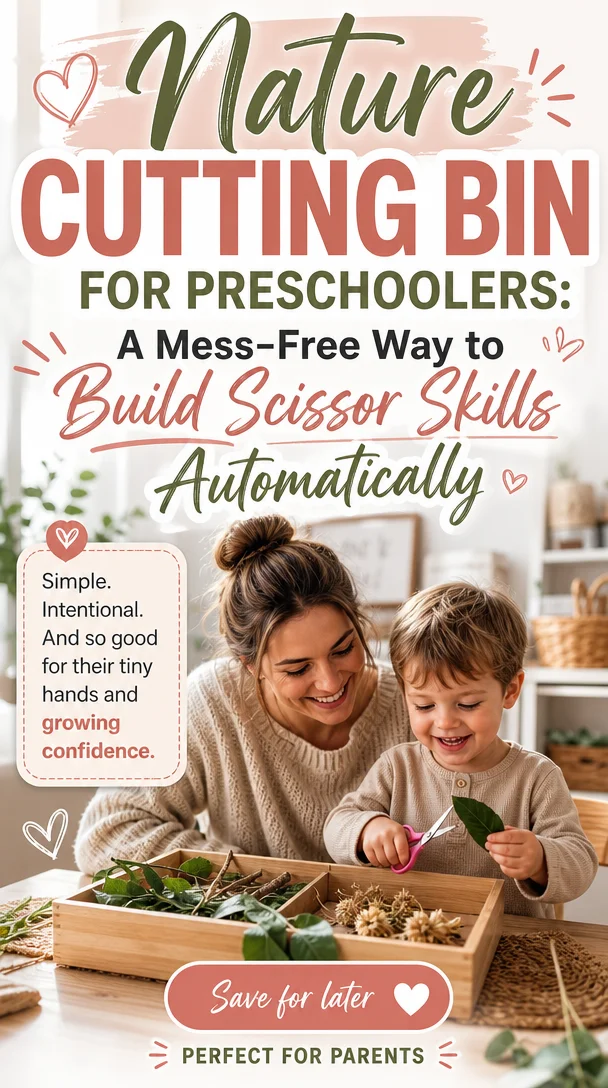
Nature Cutting Bin for Preschoolers: A Mess-Free Way to Build Scissor Skills
Unleash Creativity with a Nature Cutting Bin: A Delightful Activity for Preschoolers
Meta Description: Discover a fun, free activity for preschoolers with a DIY nature cutting bin. Encourage scissor skills while exploring the outdoors!
Introduction
Ah, the beauty of childhood! There’s something incredibly magical about watching your little ones explore the world around them. Yet, as parents, we often find ourselves pondering how to channel that bubbling energy into creative and educational activities. Enter the nature cutting bin—a game-changer for busy toddlers eager to learn while having fun!
Imagine your preschooler snipping away at colorful clippings from your yard, developing fine motor skills all while having a blast. Sounds fantastic, right? This hands-on experience not only entertains but also fosters their creativity and dexterity. Plus, it costs nothing but a little time and the treasures Mother Nature provides.
So, let’s dive into everything you need to know about creating this engaging nature cutting bin and how it can brighten your family’s day!
What is a Nature Cutting Bin?
A nature cutting bin is a simple sensory activity where your child explores various natural materials—think twigs, leaves, flowers, and more—using scissors to cut and interact with them. This activity marries outdoor play with fine motor skill enhancement, creating a perfect blend for curious minds.
By providing a mix of textures, colors, and shapes, you give your little one the chance to experiment and learn in an inviting way!
Why Choose a Nature Cutting Bin for Your Preschooler?
1. Encourages Scissor Skills
For preschoolers, mastering scissor skills lays the foundation for future writing and crafting. Children learn to open and close the scissors, strengthen grip, and start controlling their cutting line, making this an essential skill-building activity.
2. Fosters Creativity and Imagination
When your child rambles through the yard or a nearby park collecting materials, they engage in imaginative play. The simple act of picking up nature’s treasures sparks creativity, and cutting those items allows them to express their ideas visually.
3. Promotes Outdoor Exploration
With so much screen time these days, outdoor exploration is more important than ever. This activity not only gets your little one outside but also instills a love for nature and its boundless lessons.
4. Offers Sensory Stimulation
The variety of textures and smells in a nature cutting bin provides rich sensory experiences. Children develop tactile sensitivity as they handle everything from soft petals to rough tree bark.
5. Strengthens Parent-Child Bonding
Activities that involve hands-on engagement create wonderful opportunities for conversation, shared laughter, and meaningful memories. As you join your child in this exploration, cherish these moments together!
How to Create Your Own Nature Cutting Bin
Creating a nature cutting bin is incredibly simple and requires minimal materials. Here’s how to get started:
Step 1: Gather Supplies
- Natural Materials: Go for a variety of items—twigs, leaves, grass, flowers, and even some stones if you want to mix it up.
- Scissors: Child-safe scissors work best for preschoolers. They should be lightweight and easy to grip.
- Container: An outdoor bin or a simple tray will suffice to keep things organized.
- Optional: Magnifying glass for closer inspections, paper for collecting cuttings, and a small bag for collecting items.
Step 2: Head Outside
Take a walk with your child, encouraging them to collect anything that catches their eye. This part of the activity allows for lots of discussions about what they find. Ask questions like, “What color is this flower?” or “How does this leaf feel?”
Step 3: Set Up the Cutting Bin
Arrange your collected treasures in the container or tray. If you’re using paper, place it beneath the materials. When your child is ready, have them explore the bin, encouraging them to cut different items.
Step 4: Encourage Exploration
As your child engages with the materials, offer some gentle prompts. You might say, “Can you find the longest piece of grass?” or “What happens if you cut this leaf?” This will encourage both exploration and conversation!
Step 5: Celebrate Their Work
Once your child has finished cutting, celebrate their creations! You could create a nature collage together or make a “nature scrapbook” to store their favorite pieces. This celebratory step helps your child feel proud of their efforts.
Tips for Success: Make the Most of Your Nature Cutting Bin
1. Create a Safe Cutting Environment
Safety comes first! Ensure your child has enough room to cut freely, and always supervise them while they use scissors. Teach proper scissor handling beforehand to prevent accidents.
2. Keep it Simple
Don’t overwhelm your child with too many materials. A few key items will suffice to spark their creativity. In fact, working with fewer materials often leads to more imaginative play!
3. Incorporate Learning
Use this time to weave in educational elements. Discuss colors, shapes, and sizes as they cut. Count pieces together, identify different plants, or even introduce simple science concepts like decomposing leaves.
4. Allow for Free Play
While some structure is helpful, allow your child space for free exploration. They might surprise you with ways they choose to engage with the materials!
5. Mix it Up
Change up the contents of your cutting bin each time or use materials from different seasons to keep it fresh and exciting.
Nature Cutting Bin Variations
Here are some fun variations to consider for your cutting bin:
Seasonal Themes
- Spring: Focus on soft flowers and vibrant greens.
- Summer: Incorporate sturdy leaves and colorful butterflies.
- Autumn: Use colorful leaves, pine cones, and twigs.
- Winter: Add dried out stems or even past holiday decorations like holly.
Adding a Sensory Component
Introduce other sensory materials like water beads, sand, or clay to enhance your cutting experience. Let your child cut items and then mix them with these sensory delights for a multi-faceted playtime.
Encouragement: Let’s Keep Going!
As we wrap up our discussion about creating a nature cutting bin, remember that not every activity will be a perfect hit. Sometimes the weather doesn’t cooperate, or distractions creep in. That’s okay!
What’s important is offering your child consistent opportunities for growth, exploration, and fun. Celebrate both the success and the struggles along the way, and cherish the joyful connections you’re fostering.
Next time you’re feeling a little heat from the chaos of parenting, take a step back and consider a simple, free activity like the nature cutting bin. It’s these small moments that often make the biggest memories.
Conclusion
Creating a nature cutting bin gives your preschooler so much more than just an enjoyable activity; it nurtures their fine motor skills, sparks creativity, and strengthens the bond between you two. So gather those leaves, grab those scissors, and let the cutting begin! Parenting isn’t perfect, but it can certainly be an adventure—full of laughter, lessons, and a sprinkle of nature’s magic.
Optional FAQ Section
Q: What if my child doesn’t want to cut the nature items?
A: Encourage other forms of play! Perhaps they’d enjoy just exploring the textures or making a nature-themed craft. Keep it light and let their interests guide the activity.
Q: How often should I set up a nature cutting bin?
A: Regularly! But listen to your child. If they find it repetitive, mix up the materials or take a break. The goal is to keep it fun and engaging!
Q: What age group is this activity suitable for?
A: The nature cutting bin is fantastic for toddlers and preschoolers, ideally ages 2-5, but older kids can enjoy it too by incorporating more complex cutting and crafting projects!
Happy cutting, and enjoy every beautiful little moment with your little explorer! 💚
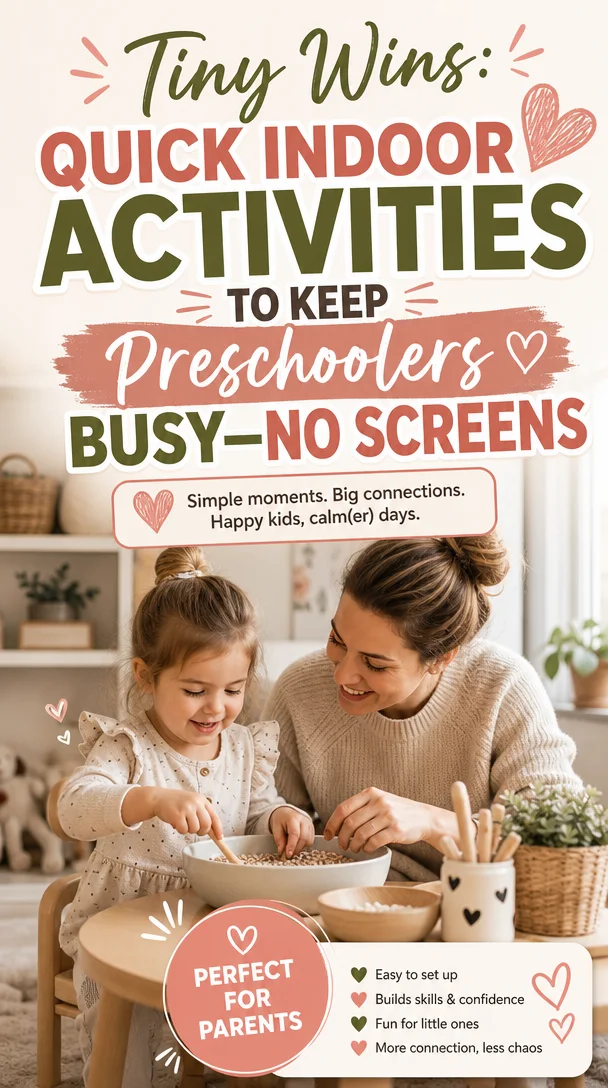
Tiny Wins: Quick Indoor Activities to Keep Preschoolers Busy—No Screens
Engage Young Minds: Screen-Free Activities for Kids Every Day
Meta Description
Looking for entertaining activities to keep your kids busy without screens? Discover creative ideas that promote learning and fun in everyday life!
Introduction
Hey there, fellow parents! If you’re anything like me, you’ve probably found yourself in a battle against screens, trying to keep your little ones engaged and entertained without the constant flicker of a device. I know it can feel overwhelming at times, but trust me — you can create magical moments and foster learning without screens.
We all want our kids to be smart, curious, and ready to take on the world, right? Let’s explore a treasure trove of simple activities to help you keep the kiddos busy, spark their imaginations, and — more importantly — give you a break without the guilt of turning on a screen. So grab a cup of your favorite coffee or tea, find a cozy spot, and let’s dive into some fun, screen-free ideas!
Why Screen-Free Activities Matter
In a world overflowing with gadgets, keeping our kids engaged without screens can feel daunting. Yet, screen-free activities benefit children’s development in so many ways:
- Boosts Creativity: Engaging in hands-on activities allows kids to explore their imagination and express themselves.
- Encourages Problem-Solving: Children learn to think critically and tackle challenges without digital assistance.
- Promotes Physical Activity: Many screen-free activities involve movement, helping kids stay active and healthy.
- Strengthens Social Bonds: Playing with others creates friendships and builds vital social skills.
These benefits not only help children thrive but also enable us to create meaningful connections. Let’s explore some fun, engaging activities that will keep your kids busy, learning, and far away from screens!
H2: 10 Creative Screen-Free Activities for Kids
1. Nature Scavenger Hunt
Take the fun outdoors! Create a simple scavenger hunt list featuring items like leaves, acorns, flowers, and interesting rocks. Head to your backyard or a nearby park and set your kiddos loose to discover the wonders of nature. They’ll build their observation skills while soaking up fresh air!
2. DIY Sensory Bins
Sensory play is not only fun, but it also engages kids’ senses! Fill a bin with rice, pasta, or dried beans, and toss in some toys or spoons. Let your little ones explore textures, colors, and sounds while they play. You can even theme your sensory bin — think ocean vibes with seashells or a dinosaur adventure with mini dino figures!
3. Build a Fort
Every child loves a cozy hideaway. Grab some blankets, pillows, and furniture to construct a magical fort together. Encourage them to invite stuffed animals or play pretend in their new space. It’s a perfect opportunity for imaginative play and storytelling!
4. Color Matching Dot Game
Here’s a simple and fun activity that promotes brain thinking and fine motor skills. Gather colored dots or paper cutouts, and have your mini match them to corresponding colors on sheets of paper. It’s easy and offers a hands-on learning experience without any screens involved.
5. Kitchen Science Experiments
Turn your kitchen into a science lab! Simple experiments, like making homemade volcanoes with baking soda and vinegar or exploring the magic of cornstarch and water (oobleck), can be tons of fun. Not only do they provide an exciting learning experience, but they also generate lasting memories!
6. Storytime Theatre
Encourage creativity by having your little ones create a short play! They can choose their favorite stories or invent their own. Provide costumes, props, and a space to perform, then grab your seat and enjoy the show. This activity not only sparks creativity but also builds confidence!
7. Get Crafty with Nature
Bring the outdoors inside! Gather natural materials like leaves, twigs, and flowers, and let your kids create unique art pieces. They can glue them onto paper or use them for printing designs. This simple art project allows for self-expression while nurturing their artistic side!
8. Puzzle Race
Puzzles can be a great way to keep little minds engaged! Set out several puzzles and time your children to see how quickly they can complete them. Challenge them to do puzzles of varying difficulty levels, encouraging them to problem-solve while having fun.
9. Gardening Together
Planting seeds or caring for houseplants introduces kids to the beauty of nature and teaches responsibility. Whether you create a small indoor herb garden or plant colorful flowers outside, gardening connects children with the earth.
10. Family Dance Party
Dance it out! Turn on your favorite tunes and have a spontaneous family dance party in your living room. This fun way of moving encourages family bonding while helping your children develop their rhythm and coordination.
H2: Tips for Success: Making Screen-Free Activities Work
1. Prepare in Advance
Set aside time to gather materials and plan activities. Having all your supplies ready will make it easier to dive in when your little ones are bouncing with energy.
2. Follow Their Lead
While you may have ideas in mind, don’t hesitate to let them explore their interests. If they show excitement for a particular activity, follow their lead and encourage their curiosity.
3. Set a Routine
Incorporate screen-free activities into your daily routine. Set aside dedicated time each day for creative play, allowing everyone to look forward to this special time together.
4. Share the Load
If you feel overwhelmed, reach out to fellow parents for ideas or organize playdates. Collaborating with others can alleviate the pressure and inspire fresh ideas!
H2: Encouragement for Busy Parents
It’s easy to feel like you’re spinning plates, trying to balance parenting responsibilities while giving your kids enriching experiences. Remember, it’s not about perfection — it’s about connection. Celebrate those small victories!
Some spontaneous moments will become beautiful memories, while other days might not go as planned. That’s okay! Your love and attention mean more than any structured activity ever could. So, embrace the chaos, offer genuine engagement, and allow each activity to evolve organically.
Every moment you spend with your kids strengthens your bond and nurtures their growth — and that’s truly what matters.
Conclusion
Creating screen-free activities can feel like a challenge, but it’s also a wonderful opportunity to engage with your kids and foster their development. By incorporating these simple activities into your family routine, you’ll inspire creativity, deepen connections, and promote learning — all while giving everyone a much-needed screen break!
Remember, you’re not alone in this parenting journey. Embrace the little moments, celebrate progress, and keep it real, just as you are. So put away those devices, and enjoy the beautiful, messy, exhausting, but oh-so-rewarding adventure of parenting. You’ve got this!
Optional FAQs
Q: How can I eliminate screen time without resistance?
A: Start small! Introduce screen-free activities gradually and consider creating a family pact for designated screen-free times, such as during meals or before bedtime.
Q: What are some additional resources for screen-free activities?
A: Look for parenting blogs, such as Little Life Society, or community groups that offer tips on fun activities and games. Pinterest can also be a goldmine for creative ideas!
Q: How do I make sure my kids stay engaged during activities?
A: Keep activities varied and flexible. If one doesn’t hold their interest, move on to another one! Involve them in the planning stage and let them take ownership.
By putting forth the effort to engage your children in creative, screen-free activities, you enrich their lives and build everlasting memories — and that, my friend, is a priceless achievement!