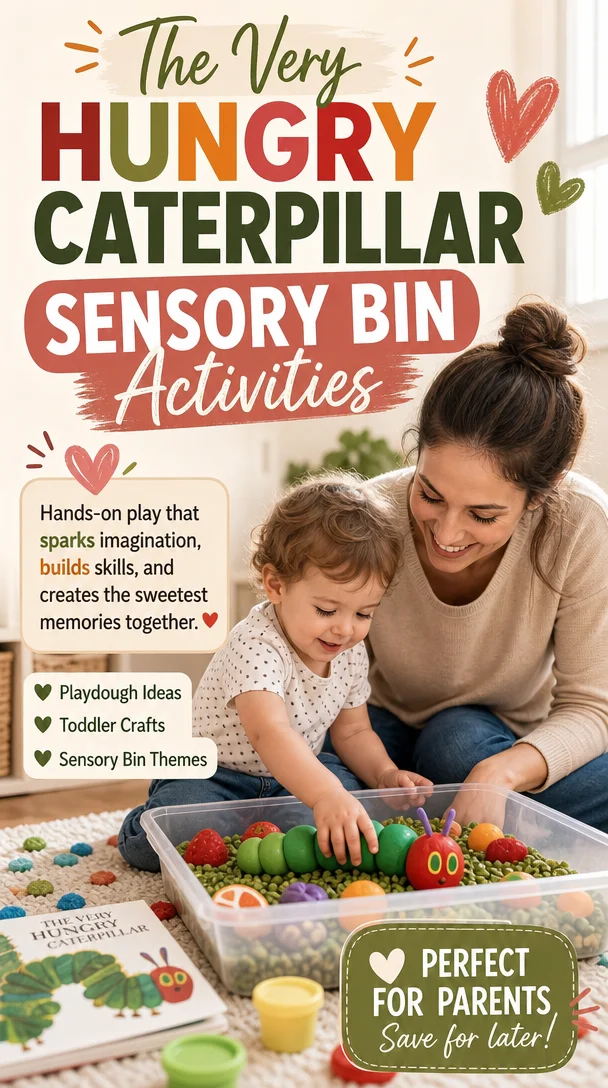
The Very Hungry Caterpillar Sensory Bin Activities | Playdough sensory bin ideas, Hungry caterpillar toddler craft, Sensory bin themes for toddlers
The Very Hungry Caterpillar Sensory Bin Activities: A World of Fun and Learning
Meta Description: Discover delightful and engaging sensory bin activities inspired by The Very Hungry Caterpillar! Perfect for toddlers to explore, learn, and play.
Introduction
As parents, we often seek fun and engaging ways to teach our toddlers while allowing their imaginations to soar. If you’ve spent any time wrangling snacks or calming tantrums, you also know the importance of activities that captivate their attention. Enter The Very Hungry Caterpillar! This beloved story opens the door to endless creativity and learning opportunities for our little ones.
Imagine setting up a sensory bin that sparks curiosity and creativity, all while rooting the activities in the charming world of Eric Carle’s classic book. Today, we’ll dive into fun playdough sensory bin ideas, an irresistible Hungry Caterpillar craft, and creative sensory bin themes, ensuring your toddler enjoys hours of messy, squishy, delightful playtime.
So, grab your favorite cup of coffee, settle in, and let’s explore how to turn the pages of a story into real-world, hands-on adventures!
Why Sensory Bins Matter
Before we jump into the activities, let’s chat about why sensory bins are such a hit with toddlers. Sensory play encourages exploration, and it supports cognitive development, fine motor skills, and emotional growth. Through touch, sight, and even smell, children make connections between their experiences and the world around them. Plus, sensory play is hugely beneficial for those wiggly little bodies that can’t sit still!
Key Benefits of Sensory Play:
- Encourages Exploration: Kids learn about different textures, colors, and materials as they dig, scoop, and mix.
- Enhances Fine Motor Skills: Activities like pouring, scooping, and molding help little hands develop strength and coordination.
- Promotes Language Development: Engaging in play together fosters communication and vocabulary expansion.
- Supports Emotional Regulation: Sensory play can calm anxious feelings and help toddlers process their emotions.
Let’s unleash your toddler’s creativity by tapping into the delightful world of The Very Hungry Caterpillar!
Creating Your Very Hungry Caterpillar Sensory Bin
What You’ll Need
Building a sensory bin doesn’t require a lengthy shopping list. Here’s a simple guide to get started:
-
Base Material: Use dried corn, rice, beans, or colorful shredded paper. These materials provide a lovely backdrop for sensory experiences.
-
Playdough: Homemade or store-bought playdough can act as a great tactile element. You can even dye it in bright colors to reflect the story.
-
Caterpillar Toys or Figures: Look for small caterpillar toys, plastic insects, or even soft plush toys representing the characters from the book.
-
Fruits and Vegetables: Plastic or foam fruits and veggies can be a fun addition to reflect the different items the caterpillar munches through.
-
Tools: Scoops, spoons, small buckets, and containers encourage discovery and imaginative play.
Setting Up Your Bin
-
Choose your base material: Pour your dried corn or rice into a bin (about a third full works well). This will be the “ground” for your sensory experience.
-
Add the playdough: You can create small “fruit” shapes from the playdough, such as apples, pears, and strawberries. You’re not just filling the sensory bin; you’re bringing the story to life!
-
Incorporate figures: Scatter your caterpillar and fruit figures throughout the sensory bin.
-
Encourage exploration: Hand your child a scooper and let them dive in! Encourage them to find the different fruits and help them recount the story as they play.
Engaging Activities with The Very Hungry Caterpillar Sensory Bin
Once your sensory bin is set up, the fun begins! Here are some activities that keep your little one engaged:
1. Fruit Matching Game
Help your toddler practice their recognition skills with a fun fruit-matching game!
- How to Play: Place real or plastic fruit from the story around the sensory bin. As your toddler scoops up each one, encourage them to name it. You can even play a simple game of memory by hiding the fruits under the base material and asking them to find it by name.
2. Caterpillar Counting Fun
Counting can be a delightful experience in your sensory bin!
- How to Play: Use the caterpillar figures to create a counting game. Ask your toddler to count out a specific number of toys or fruits. You can also practice one-to-one correspondence by placing one figure next to each fruit as they count.
3. Color Sorting Activity
Colors pop in the sensory bin, making it a wonderful place to practice sorting!
- How to Play: As your child digs around for different fruits, ask them to sort the items by color. This not only teaches them about colors but enhances their categorization skills.
4. Story Reenactment
Using the sensory bin, your toddler can creatively retell The Very Hungry Caterpillar.
- How to Play: Prompt your toddler to act out the story using the figures and fruit. Encourage them to start with the caterpillar hatching from the egg and move through each day of eating fruit! This is a perfect moment to bond while reinforcing the storyline.
5. Texture Exploration
Sensory bins are perfect for exploring different textures.
- How to Play: Offer your toddler different materials like cloth (to represent leaves) or cotton balls (for clouds). Discuss how each material feels while they dig through the bin.
Hungry Caterpillar Toddler Craft Ideas
Crafts can further enhance your sensory experience and provide an opportunity for creativity. Try these simple craft ideas inspired by The Very Hungry Caterpillar:
1. Paper Plate Caterpillar
This easy craft helps improve fine motor skills!
-
What You Need:
- A paper plate
- Paint or markers
- Googly eyes
- Pipe cleaners
-
Instructions:
- Paint the paper plate green (or any bright color).
- Once dried, glue on googly eyes and add pipe cleaner antennas.
- Your little one can help decide on the colors and decorate!
2. Fruits Collage
Create a beautiful collage using fruits featured in the story.
-
What You Need:
- Construction paper
- Glue
- Scissors
- Magazines or colored paper for cutting out fruit shapes
-
Instructions:
- Help your child cut out or tear fruit images from magazines.
- Encourage them to glue their favorites on a larger sheet of paper to create a vibrant collage.
3. Caterpillar Counting Craft
Combine counting with creativity by making crafts that reinforce numeral recognition.
-
What You Need:
- Cut-out circles in various colors
- Glue
- Markers
-
Instructions:
- Let your toddler glue circles together to create a caterpillar.
- Write numbers on each circle and prompt your toddler to count out the correct number of corresponding items when they see a number.
Tips for a Successful Sensory Playtime
-
Be Present: Engage in the play and join your toddler in exploration. This builds your bond and enhances their experience.
-
Limit Distractions: Make sure the environment is calm and inviting. Set aside phones and other distractions to focus solely on this special time together.
-
Follow Their Lead: Watch your child’s interests and let them guide the play. Follow where their imagination takes them!
-
Provide Variety: Regularly change up your sensory bin materials to keep the experience fresh and exciting. Seasonal themes often delight toddlers.
-
Emphasize Clean-Up: Encourage ownership of the space by involving your child in clean-up time. Make it a part of the fun, and offer praises for their help!
Encouraging Conclusion
As parents, we cherish those simple moments—messy, giggly, curiosity-filled adventures that allow us to bond with our toddlers. With sensory bins inspired by The Very Hungry Caterpillar, your family can enjoy playful learning that evokes lasting memories and sparks imagination.
Remember, you’re doing an amazing job by making time for play. Every minute spent laughing, exploring, and creating together counts. Your little explorer is not just playing; they’re learning about the world and developing crucial skills.
So, gather your supplies and dive into the world of sensory play! Each scoop and squish is a chance to celebrate the beautiful, chaotic journey of family life. You’ve got this!
FAQ
Q: What are some safe materials for toddlers in sensory bins?
A: Safe materials include dried rice, beans, water beads, kinetic sand, and non-toxic playdough. Always supervise your child to prevent any accidental ingestion.
Q: How often can I change themes in the sensory bin?
A: You can change themes as often as every week, especially if you tie them to holidays or seasonal changes. Keeping the activities fresh helps maintain engagement!
Q: What age is appropriate for sensory play?
A: Sensory play is suitable for toddlers and preschoolers, but sensory bins can be adapted for all ages. Younger babies might enjoy more basic textures, while older children can handle more complex themes.