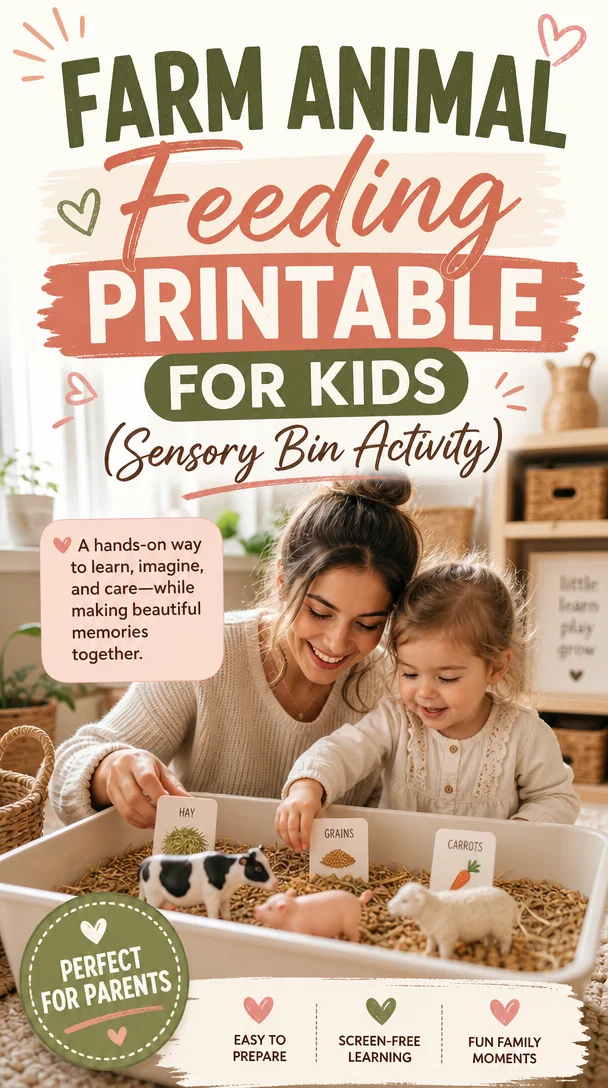
Farm Animal Feeding Printable for Kids (Sensory Bin Activity)
Engaging Farm Animal Feeding Sensory Bin Activity for Kids: Fun and Learning Combined!
Meta Description: Dive into fun with this Farm Animal Feeding Sensory Bin activity! Boost fine motor skills and learning through play with adorable animal printables.
Hey there, fellow parents! If you’ve ever felt overwhelmed while trying to engage your little ones, you’re not alone. Sometimes, it feels like we need a magic wand to transform an ordinary day into an exciting adventure. I’ve found that simple, hands-on activities can work wonders, and today, I want to share one of my favorites: the Farm Animal Feeding Sensory Bin Activity!
Imagine your child giggling as they scoop corn, rice, or oats into jars decorated with adorable farm animal faces. Not only does this activity spark joy and curiosity, but it also provides loads of benefits for fine motor skills and sensory development. Whether you’re a seasoned homeschooling parent or just looking for a fun weekend activity, this sensory bin will bring smiles and excitement to your home.
Ready to dive in? Grab a snack, and let’s get started on how to create this delightful experience for your child!
What is a Sensory Bin?
Before we jump into the Farm Animal Feeding activity, let’s take a moment to chat about sensory bins. Sensory bins are containers filled with materials that engage a child’s senses. They encourage exploration and creativity while developing fine motor skills, hand-eye coordination, and cognitive growth.
Why Sensory Play Matters
Kids learn best through play, and sensory activities like this one help to:
- Foster creativity and imagination
- Encourage problem-solving skills
- Provide opportunities for social interaction
- Reduce anxiety and stress by allowing kids to express themselves
As parents, creating immersive experiences strengthens the bond we share with our little ones while supporting their development. And the best part? Kids love it!
Farm Animal Feeding Sensory Bin: What You’ll Need
Let’s gather our supplies! Creating the Farm Animal Feeding Sensory Bin is a simple and engaging process. Here’s what you’ll need:
Materials
- Animal Printables: You can find adorable farm animal face printables online. Make sure to choose ones that will delight your little ones!
- Jars or Containers: Empty spice jars, mason jars, or similar containers work wonders for this activity.
- Base Material: Choose from corn kernels, rice, or oats. Each has its unique texture, and the kids can explore the differences.
- Scoops: Small measuring cups, spoons, or scoops make excellent tools for little hands.
- Tray or Bin: A large, shallow tray or bin keeps things tidy while allowing ample space for play.
Setting Up the Sensory Bin
Creating your sensory bin only takes a few minutes. Here’s how to do it:
-
Print and Prepare Animal Faces: Print out your farm animal face templates and cut them out. Attach them to the jars or containers with glue or tape.
-
Fill the Base Material: Pour your chosen base (corn, rice, or oats) into the bin or tray to create a sensory-rich environment.
-
Add the Jars: Arrange the jars in the bin, ensuring they are accessible for your little ones to reach.
-
Provide Tools: Place scoops and small cups beside the bin, ready for those little hands to explore.
Now you’re ready to watch the magic happen!
Engaging the Kids: Let the Fun Begin!
When your sensory bin is all set up, it’s time to get your little ones involved. Here are some ideas to maximize the fun and make the most of learning through play:
Get Creative with Playtime
-
Feed the Animals: Encourage your child to scoop the grains and feed each animal in the jars. Talk about the different animals and what they eat to incorporate some fun facts along the way.
-
Sorting Games: As your child plays, you can ask them to sort the different grains into the jars. This not only reinforces their understanding of categories but also develops cognitive skills.
-
Imaginative Play: Prompt your child to create stories about their farm animals and what adventures they might have. This subtly enhances language skills and imaginative thinking.
-
Counting and Math: Use the jars to practice counting. “How many scoops do we need for the cow? Let’s count together!”
-
Sensory Descriptions: Encourage your child to describe what they feel while playing. Is the rice smooth? Is the corn making a sound? This exercise nurtures vocabulary building and sensory awareness.
Tackle Messes with Ease
Let’s keep it real—sensory play can get messy. But as a seasoned parent, I can tell you that a little mess means a lot of fun! Here are a few tips to tackle it head-on:
-
Designate a Play Area: Set up your sensory bin in a space that can handle a little mess—like the kitchen or outside.
-
Use a Tarp or Blanket: Lay down a tarp or blanket under the bin to catch any grains that escape during play. This practice makes for easy cleanup.
-
Involve Your Child: Encourage them to help clean up afterward. It’s a great opportunity to teach responsibility while reinforcing teamwork.
Additional Tips for Success
To ensure your sensory bin experience goes smoothly, here are some extra tips!
Encourage Independent Play
Allow your child to explore the sensory bin independently. This nurturing of autonomy not only boosts their confidence but also enables self-directed learning. Just step back and observe. You’ll be amazed at how engaged they become!
Join the Fun
Sometimes, joining in on the sensory play creates the most beautiful moments. Sharing playful experiences strengthens your bond, builds lasting memories, and enhances their enthusiasm for learning.
Rotate Sensory Materials
To keep the excitement alive, rotate the materials in your sensory bin every few weeks. Try switching from corn to different textures like sand or beans, bringing new experiences to the table.
Celebrate Every Moment
Remember, parenting isn’t about perfection; it’s about enjoying the journey together. Celebrate every little win, whether it’s your child’s creativity, newfound skills, or simply the joy of learning. These moments will become cherished memories over time!
Conclusion
In wrapping up, the Farm Animal Feeding Sensory Bin Activity is much more than just a fun way to occupy your kids for a while. It’s a delightful combination of learning, sensory exploration, and bonding. By incorporating simple materials and engaging play, you nurture your child’s development without overwhelming them—or yourself.
So, grab those printables, get creative with your sensory bin, and enjoy the laughter and joy that fills your home. Remember, you’re doing an amazing job, and every small effort counts! Keep shining as the incredible parent you are.
And if you found these tips helpful, don’t forget to share your sensory bin experience with other parents. Together, we can lighten the parenting load one joyful moment at a time!
FAQs
Q: How long can I leave the sensory bin set up?
A: You can keep it set up for as long as your child remains interested! Just be sure to store the materials properly if you plan to take breaks.
Q: What if my child loses interest?
A: It’s normal for kids to fluctuate in interest. You can refresh the setup or introduce new items to re-engage their curiosity.
Q: Can I adapt this for older children?
A: Absolutely! For older kids, you can introduce more complex concepts like measuring, making patterns, or even thematic learning around farms and animals.
By embracing the fun in sensory play, you’re already paving the way for significant growth and learning in your child. Enjoy every scoop!
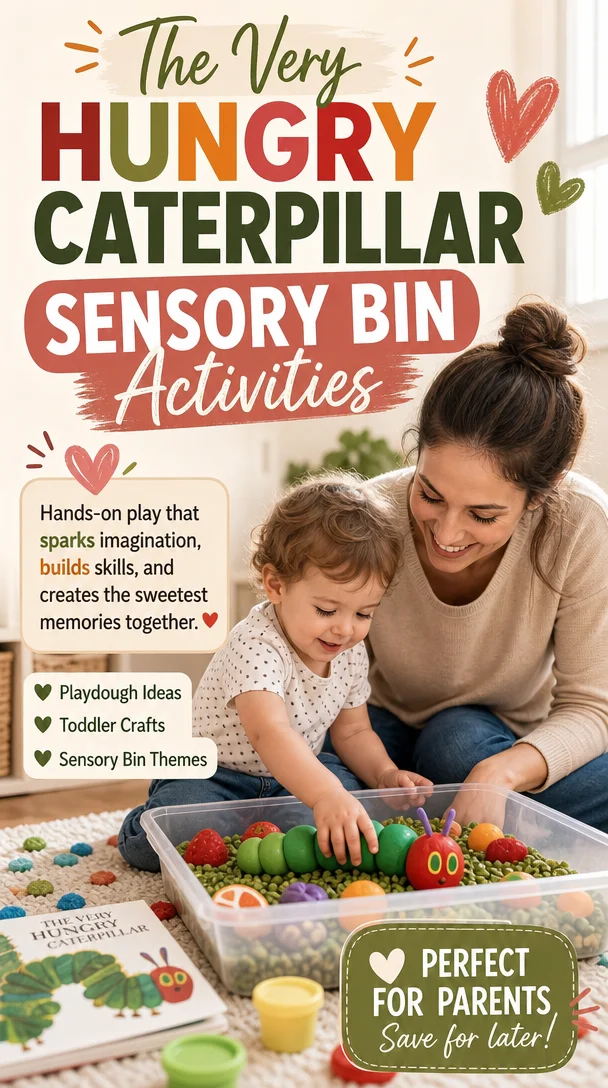
The Very Hungry Caterpillar Sensory Bin Activities | Playdough sensory bin ideas, Hungry caterpillar toddler craft, Sensory bin themes for toddlers
The Very Hungry Caterpillar Sensory Bin Activities: A World of Fun and Learning
Meta Description: Discover delightful and engaging sensory bin activities inspired by The Very Hungry Caterpillar! Perfect for toddlers to explore, learn, and play.
Introduction
As parents, we often seek fun and engaging ways to teach our toddlers while allowing their imaginations to soar. If you’ve spent any time wrangling snacks or calming tantrums, you also know the importance of activities that captivate their attention. Enter The Very Hungry Caterpillar! This beloved story opens the door to endless creativity and learning opportunities for our little ones.
Imagine setting up a sensory bin that sparks curiosity and creativity, all while rooting the activities in the charming world of Eric Carle’s classic book. Today, we’ll dive into fun playdough sensory bin ideas, an irresistible Hungry Caterpillar craft, and creative sensory bin themes, ensuring your toddler enjoys hours of messy, squishy, delightful playtime.
So, grab your favorite cup of coffee, settle in, and let’s explore how to turn the pages of a story into real-world, hands-on adventures!
Why Sensory Bins Matter
Before we jump into the activities, let’s chat about why sensory bins are such a hit with toddlers. Sensory play encourages exploration, and it supports cognitive development, fine motor skills, and emotional growth. Through touch, sight, and even smell, children make connections between their experiences and the world around them. Plus, sensory play is hugely beneficial for those wiggly little bodies that can’t sit still!
Key Benefits of Sensory Play:
- Encourages Exploration: Kids learn about different textures, colors, and materials as they dig, scoop, and mix.
- Enhances Fine Motor Skills: Activities like pouring, scooping, and molding help little hands develop strength and coordination.
- Promotes Language Development: Engaging in play together fosters communication and vocabulary expansion.
- Supports Emotional Regulation: Sensory play can calm anxious feelings and help toddlers process their emotions.
Let’s unleash your toddler’s creativity by tapping into the delightful world of The Very Hungry Caterpillar!
Creating Your Very Hungry Caterpillar Sensory Bin
What You’ll Need
Building a sensory bin doesn’t require a lengthy shopping list. Here’s a simple guide to get started:
-
Base Material: Use dried corn, rice, beans, or colorful shredded paper. These materials provide a lovely backdrop for sensory experiences.
-
Playdough: Homemade or store-bought playdough can act as a great tactile element. You can even dye it in bright colors to reflect the story.
-
Caterpillar Toys or Figures: Look for small caterpillar toys, plastic insects, or even soft plush toys representing the characters from the book.
-
Fruits and Vegetables: Plastic or foam fruits and veggies can be a fun addition to reflect the different items the caterpillar munches through.
-
Tools: Scoops, spoons, small buckets, and containers encourage discovery and imaginative play.
Setting Up Your Bin
-
Choose your base material: Pour your dried corn or rice into a bin (about a third full works well). This will be the “ground” for your sensory experience.
-
Add the playdough: You can create small “fruit” shapes from the playdough, such as apples, pears, and strawberries. You’re not just filling the sensory bin; you’re bringing the story to life!
-
Incorporate figures: Scatter your caterpillar and fruit figures throughout the sensory bin.
-
Encourage exploration: Hand your child a scooper and let them dive in! Encourage them to find the different fruits and help them recount the story as they play.
Engaging Activities with The Very Hungry Caterpillar Sensory Bin
Once your sensory bin is set up, the fun begins! Here are some activities that keep your little one engaged:
1. Fruit Matching Game
Help your toddler practice their recognition skills with a fun fruit-matching game!
- How to Play: Place real or plastic fruit from the story around the sensory bin. As your toddler scoops up each one, encourage them to name it. You can even play a simple game of memory by hiding the fruits under the base material and asking them to find it by name.
2. Caterpillar Counting Fun
Counting can be a delightful experience in your sensory bin!
- How to Play: Use the caterpillar figures to create a counting game. Ask your toddler to count out a specific number of toys or fruits. You can also practice one-to-one correspondence by placing one figure next to each fruit as they count.
3. Color Sorting Activity
Colors pop in the sensory bin, making it a wonderful place to practice sorting!
- How to Play: As your child digs around for different fruits, ask them to sort the items by color. This not only teaches them about colors but enhances their categorization skills.
4. Story Reenactment
Using the sensory bin, your toddler can creatively retell The Very Hungry Caterpillar.
- How to Play: Prompt your toddler to act out the story using the figures and fruit. Encourage them to start with the caterpillar hatching from the egg and move through each day of eating fruit! This is a perfect moment to bond while reinforcing the storyline.
5. Texture Exploration
Sensory bins are perfect for exploring different textures.
- How to Play: Offer your toddler different materials like cloth (to represent leaves) or cotton balls (for clouds). Discuss how each material feels while they dig through the bin.
Hungry Caterpillar Toddler Craft Ideas
Crafts can further enhance your sensory experience and provide an opportunity for creativity. Try these simple craft ideas inspired by The Very Hungry Caterpillar:
1. Paper Plate Caterpillar
This easy craft helps improve fine motor skills!
-
What You Need:
- A paper plate
- Paint or markers
- Googly eyes
- Pipe cleaners
-
Instructions:
- Paint the paper plate green (or any bright color).
- Once dried, glue on googly eyes and add pipe cleaner antennas.
- Your little one can help decide on the colors and decorate!
2. Fruits Collage
Create a beautiful collage using fruits featured in the story.
-
What You Need:
- Construction paper
- Glue
- Scissors
- Magazines or colored paper for cutting out fruit shapes
-
Instructions:
- Help your child cut out or tear fruit images from magazines.
- Encourage them to glue their favorites on a larger sheet of paper to create a vibrant collage.
3. Caterpillar Counting Craft
Combine counting with creativity by making crafts that reinforce numeral recognition.
-
What You Need:
- Cut-out circles in various colors
- Glue
- Markers
-
Instructions:
- Let your toddler glue circles together to create a caterpillar.
- Write numbers on each circle and prompt your toddler to count out the correct number of corresponding items when they see a number.
Tips for a Successful Sensory Playtime
-
Be Present: Engage in the play and join your toddler in exploration. This builds your bond and enhances their experience.
-
Limit Distractions: Make sure the environment is calm and inviting. Set aside phones and other distractions to focus solely on this special time together.
-
Follow Their Lead: Watch your child’s interests and let them guide the play. Follow where their imagination takes them!
-
Provide Variety: Regularly change up your sensory bin materials to keep the experience fresh and exciting. Seasonal themes often delight toddlers.
-
Emphasize Clean-Up: Encourage ownership of the space by involving your child in clean-up time. Make it a part of the fun, and offer praises for their help!
Encouraging Conclusion
As parents, we cherish those simple moments—messy, giggly, curiosity-filled adventures that allow us to bond with our toddlers. With sensory bins inspired by The Very Hungry Caterpillar, your family can enjoy playful learning that evokes lasting memories and sparks imagination.
Remember, you’re doing an amazing job by making time for play. Every minute spent laughing, exploring, and creating together counts. Your little explorer is not just playing; they’re learning about the world and developing crucial skills.
So, gather your supplies and dive into the world of sensory play! Each scoop and squish is a chance to celebrate the beautiful, chaotic journey of family life. You’ve got this!
FAQ
Q: What are some safe materials for toddlers in sensory bins?
A: Safe materials include dried rice, beans, water beads, kinetic sand, and non-toxic playdough. Always supervise your child to prevent any accidental ingestion.
Q: How often can I change themes in the sensory bin?
A: You can change themes as often as every week, especially if you tie them to holidays or seasonal changes. Keeping the activities fresh helps maintain engagement!
Q: What age is appropriate for sensory play?
A: Sensory play is suitable for toddlers and preschoolers, but sensory bins can be adapted for all ages. Younger babies might enjoy more basic textures, while older children can handle more complex themes.