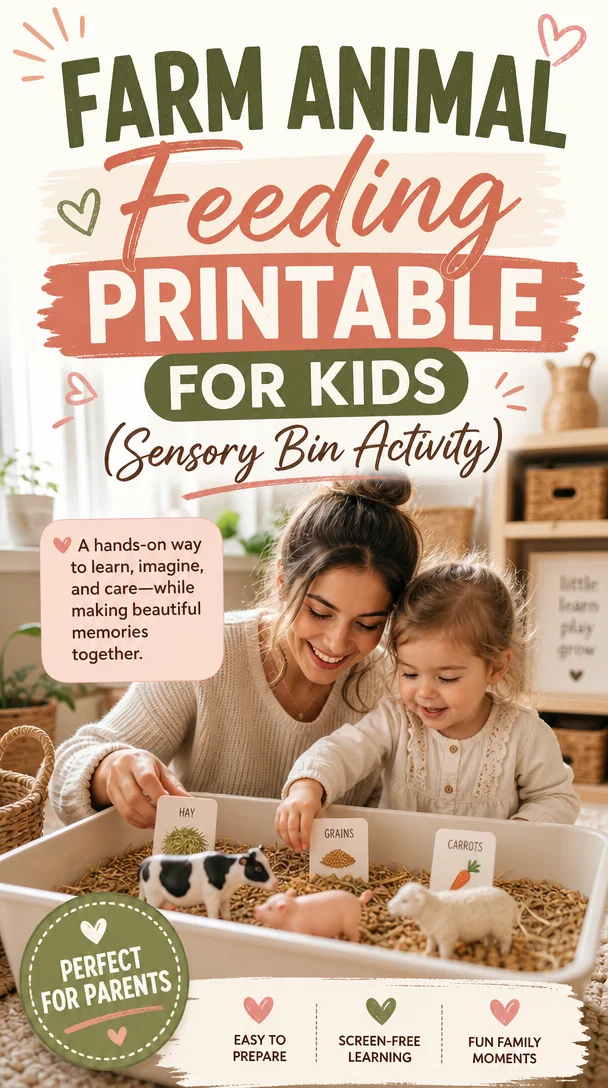
Farm Animal Feeding Printable for Kids (Sensory Bin Activity)
Engaging Farm Animal Feeding Sensory Bin Activity for Kids: Fun and Learning Combined!
Meta Description: Dive into fun with this Farm Animal Feeding Sensory Bin activity! Boost fine motor skills and learning through play with adorable animal printables.
Hey there, fellow parents! If you’ve ever felt overwhelmed while trying to engage your little ones, you’re not alone. Sometimes, it feels like we need a magic wand to transform an ordinary day into an exciting adventure. I’ve found that simple, hands-on activities can work wonders, and today, I want to share one of my favorites: the Farm Animal Feeding Sensory Bin Activity!
Imagine your child giggling as they scoop corn, rice, or oats into jars decorated with adorable farm animal faces. Not only does this activity spark joy and curiosity, but it also provides loads of benefits for fine motor skills and sensory development. Whether you’re a seasoned homeschooling parent or just looking for a fun weekend activity, this sensory bin will bring smiles and excitement to your home.
Ready to dive in? Grab a snack, and let’s get started on how to create this delightful experience for your child!
What is a Sensory Bin?
Before we jump into the Farm Animal Feeding activity, let’s take a moment to chat about sensory bins. Sensory bins are containers filled with materials that engage a child’s senses. They encourage exploration and creativity while developing fine motor skills, hand-eye coordination, and cognitive growth.
Why Sensory Play Matters
Kids learn best through play, and sensory activities like this one help to:
- Foster creativity and imagination
- Encourage problem-solving skills
- Provide opportunities for social interaction
- Reduce anxiety and stress by allowing kids to express themselves
As parents, creating immersive experiences strengthens the bond we share with our little ones while supporting their development. And the best part? Kids love it!
Farm Animal Feeding Sensory Bin: What You’ll Need
Let’s gather our supplies! Creating the Farm Animal Feeding Sensory Bin is a simple and engaging process. Here’s what you’ll need:
Materials
- Animal Printables: You can find adorable farm animal face printables online. Make sure to choose ones that will delight your little ones!
- Jars or Containers: Empty spice jars, mason jars, or similar containers work wonders for this activity.
- Base Material: Choose from corn kernels, rice, or oats. Each has its unique texture, and the kids can explore the differences.
- Scoops: Small measuring cups, spoons, or scoops make excellent tools for little hands.
- Tray or Bin: A large, shallow tray or bin keeps things tidy while allowing ample space for play.
Setting Up the Sensory Bin
Creating your sensory bin only takes a few minutes. Here’s how to do it:
-
Print and Prepare Animal Faces: Print out your farm animal face templates and cut them out. Attach them to the jars or containers with glue or tape.
-
Fill the Base Material: Pour your chosen base (corn, rice, or oats) into the bin or tray to create a sensory-rich environment.
-
Add the Jars: Arrange the jars in the bin, ensuring they are accessible for your little ones to reach.
-
Provide Tools: Place scoops and small cups beside the bin, ready for those little hands to explore.
Now you’re ready to watch the magic happen!
Engaging the Kids: Let the Fun Begin!
When your sensory bin is all set up, it’s time to get your little ones involved. Here are some ideas to maximize the fun and make the most of learning through play:
Get Creative with Playtime
-
Feed the Animals: Encourage your child to scoop the grains and feed each animal in the jars. Talk about the different animals and what they eat to incorporate some fun facts along the way.
-
Sorting Games: As your child plays, you can ask them to sort the different grains into the jars. This not only reinforces their understanding of categories but also develops cognitive skills.
-
Imaginative Play: Prompt your child to create stories about their farm animals and what adventures they might have. This subtly enhances language skills and imaginative thinking.
-
Counting and Math: Use the jars to practice counting. “How many scoops do we need for the cow? Let’s count together!”
-
Sensory Descriptions: Encourage your child to describe what they feel while playing. Is the rice smooth? Is the corn making a sound? This exercise nurtures vocabulary building and sensory awareness.
Tackle Messes with Ease
Let’s keep it real—sensory play can get messy. But as a seasoned parent, I can tell you that a little mess means a lot of fun! Here are a few tips to tackle it head-on:
-
Designate a Play Area: Set up your sensory bin in a space that can handle a little mess—like the kitchen or outside.
-
Use a Tarp or Blanket: Lay down a tarp or blanket under the bin to catch any grains that escape during play. This practice makes for easy cleanup.
-
Involve Your Child: Encourage them to help clean up afterward. It’s a great opportunity to teach responsibility while reinforcing teamwork.
Additional Tips for Success
To ensure your sensory bin experience goes smoothly, here are some extra tips!
Encourage Independent Play
Allow your child to explore the sensory bin independently. This nurturing of autonomy not only boosts their confidence but also enables self-directed learning. Just step back and observe. You’ll be amazed at how engaged they become!
Join the Fun
Sometimes, joining in on the sensory play creates the most beautiful moments. Sharing playful experiences strengthens your bond, builds lasting memories, and enhances their enthusiasm for learning.
Rotate Sensory Materials
To keep the excitement alive, rotate the materials in your sensory bin every few weeks. Try switching from corn to different textures like sand or beans, bringing new experiences to the table.
Celebrate Every Moment
Remember, parenting isn’t about perfection; it’s about enjoying the journey together. Celebrate every little win, whether it’s your child’s creativity, newfound skills, or simply the joy of learning. These moments will become cherished memories over time!
Conclusion
In wrapping up, the Farm Animal Feeding Sensory Bin Activity is much more than just a fun way to occupy your kids for a while. It’s a delightful combination of learning, sensory exploration, and bonding. By incorporating simple materials and engaging play, you nurture your child’s development without overwhelming them—or yourself.
So, grab those printables, get creative with your sensory bin, and enjoy the laughter and joy that fills your home. Remember, you’re doing an amazing job, and every small effort counts! Keep shining as the incredible parent you are.
And if you found these tips helpful, don’t forget to share your sensory bin experience with other parents. Together, we can lighten the parenting load one joyful moment at a time!
FAQs
Q: How long can I leave the sensory bin set up?
A: You can keep it set up for as long as your child remains interested! Just be sure to store the materials properly if you plan to take breaks.
Q: What if my child loses interest?
A: It’s normal for kids to fluctuate in interest. You can refresh the setup or introduce new items to re-engage their curiosity.
Q: Can I adapt this for older children?
A: Absolutely! For older kids, you can introduce more complex concepts like measuring, making patterns, or even thematic learning around farms and animals.
By embracing the fun in sensory play, you’re already paving the way for significant growth and learning in your child. Enjoy every scoop!
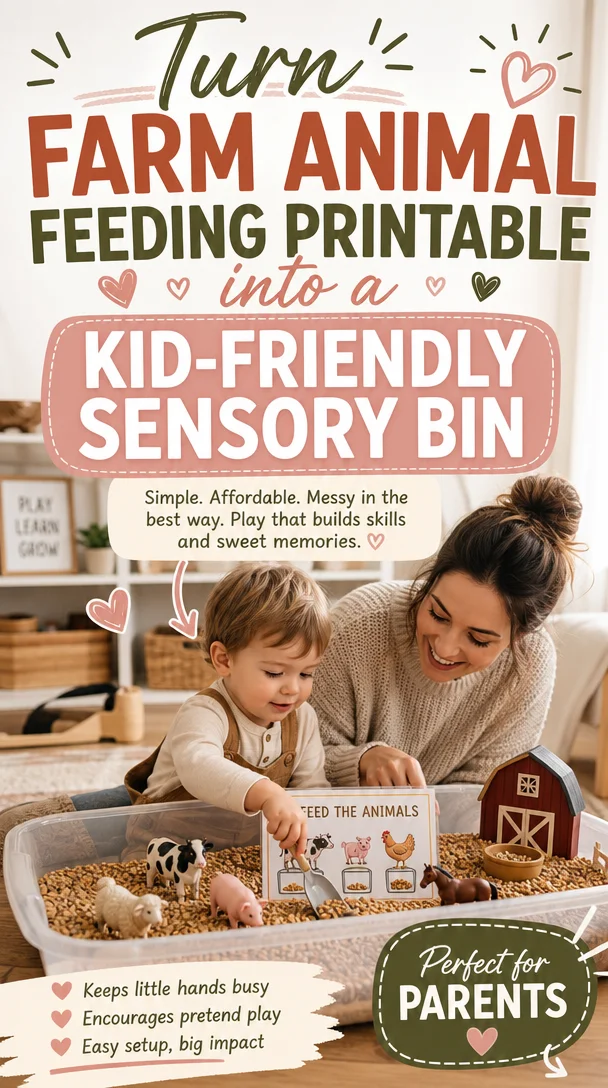
Turn Farm Animal Feeding Printable into a Kid-Friendly Sensory Bin
Engage Your Little Ones: Farm Animal Feeding Printable for Kids (Sensory Bin Activity)
Meta Description
Discover a fun Farm Animal Feeding Sensory Bin Activity! With free printables, help your kids enhance fine motor skills while enjoying sensory play!
Introduction
Ah, parenting! It’s like juggling while riding a unicycle—exhilarating yet challenging. Do you ever catch your little ones lost in their own world, making delightful messes with simple things? I completely understand—transitions into play can often feel overwhelming, yet they hold such magic! Today, I want to share a sensory bin activity that will make your kiddo’s eyes light up while keeping the chaos contained.
The Farm Animal Feeding Sensory Bin Activity is a perfect blend of fun and learning. It’s an engaging way for children to develop their fine motor skills while discovering the wonderful world of farm animals. So, grab your favorite cozy beverage, take a seat, and let’s dive into how to create this delightful activity!
What is a Sensory Bin?
Sensory bins are engaging play areas filled with materials that stimulate the senses. They invite kids to explore textures, sounds, and even smells, enhancing their sensory development. Unlike traditional toys that dictate their play, sensory bins give children the freedom to express their creativity, making every moment an adventure!
Why Farm Animal Feeding?
Farm animals captivate children’s imaginations. Their sounds, textures, and colors intrigue even the youngest explorers. By incorporating a feeding activity, you not only spark their interest but also create a fantastic hands-on experience. Children can practice scooping, pouring, and feeding—all while discovering what each animal eats. It’s a win-win!
Getting Started: What You Need
Before we get all excited about the fun, let’s gather our supplies! Here’s a quick checklist to help you prepare:
- Free Printable Farm Animal Faces: These are essential for bringing your sensory bin to life. You can find adorable printable templates online that you can cut out and stick on jars.
- Containers/Jars: Use small jars, bowls, or recycled containers to hold the "food".
- Sensory Materials: Choose from options like dried corn, rice, oats, or even shredded paper. Each offers a unique texture and sound.
- Scoopers: Provide small scoops, cups, or even spoons for your kids to use while “feeding” the animals.
- Tablecloth or Tray: Set up your sensory bin area with a splash mat or tablecloth to catch any spills.
- Optional – Small Farm Animal Figures: If you have any cute animal figurines, include them for even more play!
Setting Up Your Sensory Bin
- Prepare the Printables: First, print out the adorable farm animal faces. Cut them out and glue or tape them to your containers or jars. Each jar will represent a different animal.
- Pour Your Sensory Material: Next, fill the jars with your chosen sensory materials. I love using corn for pigs, rice for chickens, and oats for horses—each correlates with the animals that eat them!
- Create a Play Area: Set up your sensory bin on a table or tray. Invite your little ones to explore, and watch them engage with each element as they discover what each animal eats.
How to Encourage Learning Through Play
Now that your sensory bin is ready, how can you make the most of this activity? Here are some practical tips to enhance the experience:
Engaging Questions
Ask open-ended questions to promote language development and thinking skills. For example:
- “What do you think the pig likes to eat?”
- “How does this rice feel in your hand?”
Demonstrate and Model
Allow your little ones to watch how you scoop and pour. Demonstrate how to feed the animals, reinforcing the connection between the animal and their food. Make it a fun game! Pretend to hear the sounds of each animal as you feed them, bringing the experience to life.
Encourage Group Play
If you have multiple children, involve them all! Group play enhances social skills and teamwork. Create a challenge by timing how quickly they can feed the animals or see who can fill their jar first.
Incorporate Learning Themes
Use the sensory bin as a springboard for lessons on animal habitats, sounds, and even their life cycles. For instance, after feeding, ask them where they think cows live or what noise a sheep makes.
Additional Activities to Try
You might also consider these activities for more fun and learning:
- Animal Sounds Game: After the sensory play, have your children identify each animal by its sound.
- Story Time Integration: Read a story about farm animals to extend the learning. “Click, Clack, Moo” is a favorite!
- Nature Walk: If possible, visit a nearby farm or petting zoo for real-life experiences. Discuss what animals eat and see if it matches your sensory bin!
Helpful Tips to Enhance the Experience
While sensory play can get a bit messy, it’s also incredibly rewarding! Here are some helpful tips to keep the activity enjoyable and stress-free:
Use a Splash Mat
Consider laying down a waterproof mat or old sheet to collect spills and messes. This makes clean-up easier and allows for stress-free exploration.
Keep It Short and Sweet
For younger kiddos, limit the sensory bin time to about 15-20 minutes to maintain their interest. Follow their lead—if they’re captivated, feel free to extend the activity!
Review and Reflect
After the activity, take a moment to discuss what they enjoyed and what they learned. Did any animals stand out to them? This reflection fosters communication skills and builds their understanding.
Storage Options
When the fun is over, store the materials in a designated bin for future use. Encourage your child to help clean up as part of the routine and ease of access for the next play session!
Encouraging Conclusion
As you embark on this Farm Animal Feeding Sensory Bin Activity, remember that parenting doesn’t have to be perfect to be wonderful. Every little connection you create with your children matters. Whether it’s through messy play or exploring the world of farm animals, these moments leave lasting impressions.
When you observe their eyes fill with curiosity or hear their delighted squeals of joy, know you are doing a fantastic job! Embrace the chaos, celebrate the small wins, and keep making memories together.
So, the next time your little one asks what’s for lunch, why not throw a farm animal feeding party? It could be as easy as pulling out that sensory bin! Enjoy every moment and remember, you are not alone on this parenting journey. Let’s make it lighter, warmer, and more joyful—one little moment at a time!
FAQ
Q: What age is this activity suitable for?
A: This sensory bin activity is perfect for toddlers and preschoolers, typically ages 2-5.
Q: Can I adapt this sensory bin for older kids?
A: Absolutely! You can turn it into a more complex game for older children by introducing math concepts, such as counting or sorting.
Q: How can I change the sensory materials?
A: Feel free to swap out different materials based on seasonal themes or holidays, such as adding colorful fall leaves in autumn or snowflakes made from cotton balls in winter!
Q: What if we don’t have farm animal figures?
A: No problem! Your kids can use the printables alone and let their imagination take over. Paper cutouts can still create immersive play.
Let’s make parenting feel a little easier and embrace the beauty of the everyday chaos together! Happy feeding!