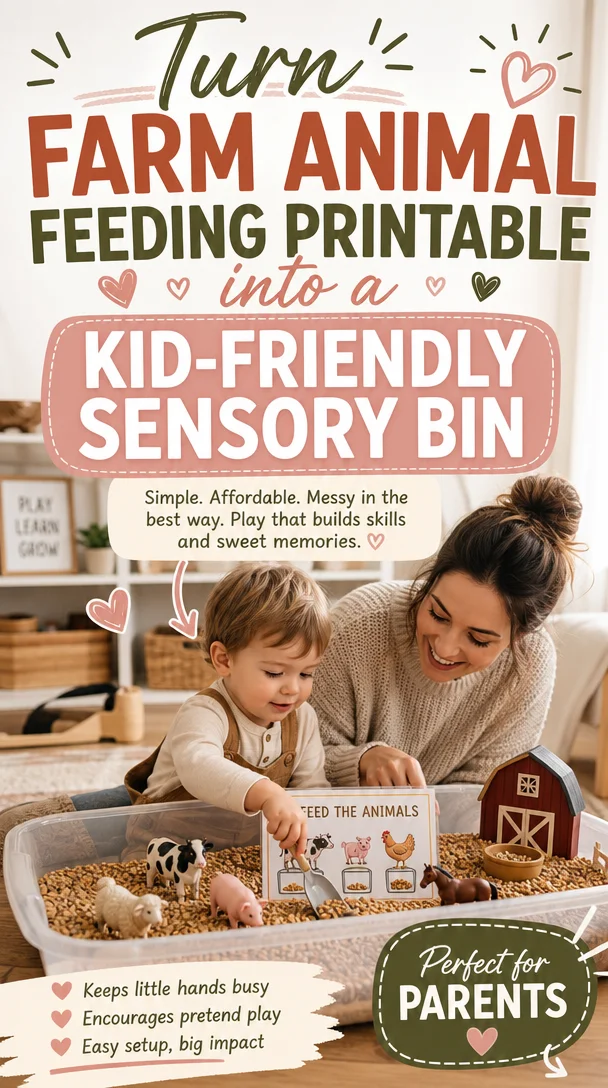
Turn Farm Animal Feeding Printable into a Kid-Friendly Sensory Bin
Engage Your Little Ones: Farm Animal Feeding Printable for Kids (Sensory Bin Activity)
Meta Description
Discover a fun Farm Animal Feeding Sensory Bin Activity! With free printables, help your kids enhance fine motor skills while enjoying sensory play!
Introduction
Ah, parenting! It’s like juggling while riding a unicycle—exhilarating yet challenging. Do you ever catch your little ones lost in their own world, making delightful messes with simple things? I completely understand—transitions into play can often feel overwhelming, yet they hold such magic! Today, I want to share a sensory bin activity that will make your kiddo’s eyes light up while keeping the chaos contained.
The Farm Animal Feeding Sensory Bin Activity is a perfect blend of fun and learning. It’s an engaging way for children to develop their fine motor skills while discovering the wonderful world of farm animals. So, grab your favorite cozy beverage, take a seat, and let’s dive into how to create this delightful activity!
What is a Sensory Bin?
Sensory bins are engaging play areas filled with materials that stimulate the senses. They invite kids to explore textures, sounds, and even smells, enhancing their sensory development. Unlike traditional toys that dictate their play, sensory bins give children the freedom to express their creativity, making every moment an adventure!
Why Farm Animal Feeding?
Farm animals captivate children’s imaginations. Their sounds, textures, and colors intrigue even the youngest explorers. By incorporating a feeding activity, you not only spark their interest but also create a fantastic hands-on experience. Children can practice scooping, pouring, and feeding—all while discovering what each animal eats. It’s a win-win!
Getting Started: What You Need
Before we get all excited about the fun, let’s gather our supplies! Here’s a quick checklist to help you prepare:
- Free Printable Farm Animal Faces: These are essential for bringing your sensory bin to life. You can find adorable printable templates online that you can cut out and stick on jars.
- Containers/Jars: Use small jars, bowls, or recycled containers to hold the "food".
- Sensory Materials: Choose from options like dried corn, rice, oats, or even shredded paper. Each offers a unique texture and sound.
- Scoopers: Provide small scoops, cups, or even spoons for your kids to use while “feeding” the animals.
- Tablecloth or Tray: Set up your sensory bin area with a splash mat or tablecloth to catch any spills.
- Optional – Small Farm Animal Figures: If you have any cute animal figurines, include them for even more play!
Setting Up Your Sensory Bin
- Prepare the Printables: First, print out the adorable farm animal faces. Cut them out and glue or tape them to your containers or jars. Each jar will represent a different animal.
- Pour Your Sensory Material: Next, fill the jars with your chosen sensory materials. I love using corn for pigs, rice for chickens, and oats for horses—each correlates with the animals that eat them!
- Create a Play Area: Set up your sensory bin on a table or tray. Invite your little ones to explore, and watch them engage with each element as they discover what each animal eats.
How to Encourage Learning Through Play
Now that your sensory bin is ready, how can you make the most of this activity? Here are some practical tips to enhance the experience:
Engaging Questions
Ask open-ended questions to promote language development and thinking skills. For example:
- “What do you think the pig likes to eat?”
- “How does this rice feel in your hand?”
Demonstrate and Model
Allow your little ones to watch how you scoop and pour. Demonstrate how to feed the animals, reinforcing the connection between the animal and their food. Make it a fun game! Pretend to hear the sounds of each animal as you feed them, bringing the experience to life.
Encourage Group Play
If you have multiple children, involve them all! Group play enhances social skills and teamwork. Create a challenge by timing how quickly they can feed the animals or see who can fill their jar first.
Incorporate Learning Themes
Use the sensory bin as a springboard for lessons on animal habitats, sounds, and even their life cycles. For instance, after feeding, ask them where they think cows live or what noise a sheep makes.
Additional Activities to Try
You might also consider these activities for more fun and learning:
- Animal Sounds Game: After the sensory play, have your children identify each animal by its sound.
- Story Time Integration: Read a story about farm animals to extend the learning. “Click, Clack, Moo” is a favorite!
- Nature Walk: If possible, visit a nearby farm or petting zoo for real-life experiences. Discuss what animals eat and see if it matches your sensory bin!
Helpful Tips to Enhance the Experience
While sensory play can get a bit messy, it’s also incredibly rewarding! Here are some helpful tips to keep the activity enjoyable and stress-free:
Use a Splash Mat
Consider laying down a waterproof mat or old sheet to collect spills and messes. This makes clean-up easier and allows for stress-free exploration.
Keep It Short and Sweet
For younger kiddos, limit the sensory bin time to about 15-20 minutes to maintain their interest. Follow their lead—if they’re captivated, feel free to extend the activity!
Review and Reflect
After the activity, take a moment to discuss what they enjoyed and what they learned. Did any animals stand out to them? This reflection fosters communication skills and builds their understanding.
Storage Options
When the fun is over, store the materials in a designated bin for future use. Encourage your child to help clean up as part of the routine and ease of access for the next play session!
Encouraging Conclusion
As you embark on this Farm Animal Feeding Sensory Bin Activity, remember that parenting doesn’t have to be perfect to be wonderful. Every little connection you create with your children matters. Whether it’s through messy play or exploring the world of farm animals, these moments leave lasting impressions.
When you observe their eyes fill with curiosity or hear their delighted squeals of joy, know you are doing a fantastic job! Embrace the chaos, celebrate the small wins, and keep making memories together.
So, the next time your little one asks what’s for lunch, why not throw a farm animal feeding party? It could be as easy as pulling out that sensory bin! Enjoy every moment and remember, you are not alone on this parenting journey. Let’s make it lighter, warmer, and more joyful—one little moment at a time!
FAQ
Q: What age is this activity suitable for?
A: This sensory bin activity is perfect for toddlers and preschoolers, typically ages 2-5.
Q: Can I adapt this sensory bin for older kids?
A: Absolutely! You can turn it into a more complex game for older children by introducing math concepts, such as counting or sorting.
Q: How can I change the sensory materials?
A: Feel free to swap out different materials based on seasonal themes or holidays, such as adding colorful fall leaves in autumn or snowflakes made from cotton balls in winter!
Q: What if we don’t have farm animal figures?
A: No problem! Your kids can use the printables alone and let their imagination take over. Paper cutouts can still create immersive play.
Let’s make parenting feel a little easier and embrace the beauty of the everyday chaos together! Happy feeding!