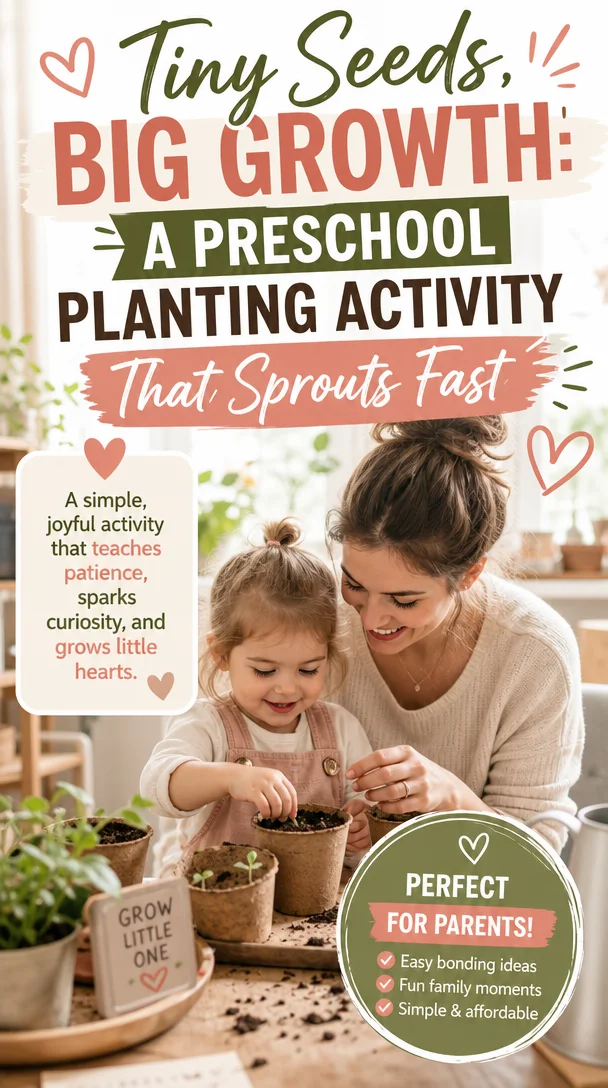
Tiny Seeds, Big Growth: A Preschool Planting Activity That Sprouts Fast
The Preschool Planting Activity That’s Always a Hit (Spoiler: It Grows Fast!)
Meta Description: Discover a fun and easy preschool planting activity that engages little ones, grows quickly, and creates meaningful moments without the mess!
Ah, the joys of parenting! One moment you’re navigating the epic battles of getting your toddler to eat their veggies, and the next, you’re trying to keep them entertained while nurturing their curiosity. If you’re anything like me, you often search for activities that engage your little ones and provide that delightful sense of accomplishment. Here’s a fun secret: a preschool planting activity can be just what you need! This activity isn’t just easy to prep and low on the mess factor; it also grows incredibly fast, keeping kids engaged and excited from start to finish.
Imagine your little one’s face lighting up as they witness something they planted sprouting before their very eyes. It’s rewarding, it’s educational, and trust me, it’s a fantastic way to introduce your child to the joys of gardening and nature. Today, let’s dive deep into this engaging preschool planting activity!
Why Planting Activities Matter
Before we get into the nitty-gritty, let’s chat about the benefits of involving our children in planting activities. These moments can be so much more than cute Instagram photos of tiny hands in the soil. Here’s why they matter:
Encourages Curiosity
Planting seeds and watching them grow sparks scientific inquiry. Children can ask questions like:
- What do plants need to grow?
- Why do some plants grow faster than others?
This inquiry nurtures their innate curiosity about the world around them.
Fosters Responsibility
Taking care of plants teaches your child responsibility. They learn that watering, sunlight, and care can make a difference in a plant’s health—much like how your care and love nurture them!
Boosts Emotional Development
As children observe growth, they experience a sense of achievement. They learn patience as they wait for their seeds to sprout and grow, fostering emotional resilience and joy.
Sparks Creativity
Give kids a chance to decorate pots or choose different seeds, allowing them to express their creativity. Whether they opt for flowers or vegetables, their choices reflect their personalities.
Get Started with Your Planting Activity
Ready to dive into the details? Let’s break down this preschool planting activity step by step so you can easily replicate it at home or even in a classroom setting.
Supplies You’ll Need
Gather these simple supplies to kick off your planting adventure:
- Small pots (biodegradable ones work wonders)
- Potting soil
- Seeds (fast-growing options like beans or sunflower seeds)
- Watering can or spray bottle
- Crayons or markers for decorating pots
- Optional: small gardening tools (shovel, rake)
Step 1: Setup Your Space
Choose a spot that’s easy to clean up in case of spills. Lay down a plastic tablecloth or some newspaper to contain the mess. Set up your supplies, making everything accessible for tiny hands. Having a dedicated workspace creates excitement and a sense of purpose.
Step 2: Decorate the Pots
Encourage creativity by letting the kids decorate their pots. Use crayons or markers to add their names, drawings, or even fun illustrations of what they expect their plants to become. This personal touch makes the activity feel more special.
Step 3: Fill Pot with Soil
Once the pots are decorated, guide your children in filling them with potting soil. Let them feel the texture and smell the earthy scent—a wonderful sensory experience! This is also a chance to chat about how soil helps plants grow.
Step 4: Planting Seeds
Now comes the exciting part: planting the seeds! Explore the seeds together—show them how they vary in size and shape. Let each child plant 1-3 seeds in their pots, covering them gently with soil. This hands-on approach keeps them engaged and teaches them how to be gentle with their plants.
Step 5: Water Carefully
Provide a watering can or a spray bottle. Children love being in charge of watering their seeds! Demonstrate how much water plants typically need, encouraging them to give just enough without drowning the seeds. This also opens up discussions about moisture and sun—all vital elements for their future plant!
Step 6: Find a Sunny Spot
After planting, make a big deal of finding the perfect sunny spot in your home or backyard. Explain to your child the importance of sunlight in the growing process. You can say something like, "Just like we need sunshine to play outside, our plants need it to grow!"
Encouragement Tip: Keep a Growth Journal
Consider making planting even more interactive by keeping a growth journal. Together, take notes and draw pictures as the days go by, tracking the changes in their plants. Kids love seeing the progress, and this habit nurtures their observation skills and creativity. Each day, ask them:
- What did they notice about their plant?
- How tall is it now?
Instant Gratification: Choose Fast-Growing Seeds
To keep your preschoolers interested, remember: the faster the growth, the better! Here are some seed suggestions that sprout quickly:
- Beans: They grow rapidly and are fun to watch due to their sturdy nature.
- Sunflower seeds: Kids love the big, cheerful flowers that come later on, making their efforts feel rewarding.
- Radishes: If you want to surprise little ones, this vegetable can sprout within a week!
How to Expand the Activity
Let’s make things extra fun! Here are some bonus ideas to get more out of your preschool planting activity:
Add a Science Lesson
Talk to your child about the plant lifecycle. Use this opportunity to introduce terms like “germination” and “photosynthesis.” Simple explanations go a long way in helping them understand how nature works.
Explore Different Plants
Why not try planting different types? You could start by comparing herbs like basil or mint, which also smell delightful! Discuss why some plants are taller than others, or why some sprout more quickly.
Get Messy with Nature
Incorporate nature walks where kids can collect leaves, rocks, or flowers. They can create a nature collage alongside their plants, making a holistic creation that fuels both creativity and a love for the outdoors.
Close the Loop with Harvest Time
If you plant vegetables, celebrate the harvest! Create a little cooking day where you can make a meal together using what you’ve grown. Kids feel immense pride when they see what they cultivate reaching the dinner table.
Plan a Gardening Day
If you have an outdoor space, gather some friends and have a gardening day! Plant together, decorate pots, and share experiences. Not only does it deepen friendships, but kids also love the social aspect of learning together!
Conclusion: Celebrate Small Wins and Grow Together
Remember, parenting is a beautiful, messy journey filled with moments that matter—even in the planting of seeds! This preschool planting activity allows both you and your child to connect in meaningful ways. As they witness growth first-hand, you foster a sense of responsibility and wonder within them. So grab those pots, dig your fingers into the earth, and watch as your children blossom right alongside their plants!
Parenting can feel overwhelming at times, but creating these small moments makes all the difference. You’re doing an incredible job just by being present. So celebrate those little victories, cherish the mess, and nurture your child’s natural curiosity. If you found this activity helpful, share it with fellow parents and tag us in your planting adventures!
With love and roots,
Lucy Everly 💛
FAQs about Preschool Planting Activities
Q1: How can I prevent mess during this activity?
A1: Setting up a designated space with protective coverings, like a plastic tablecloth, can keep spills contained. Making use of biodegradable pots can also minimize mess when moving plants outside later.
Q2: What if my child loses interest in their plants?
A2: To keep their interest alive, incorporate storytelling about the plants. Explain what they need and invite them to participate in observing and recording growth.
Q3: Can I do this activity indoors?
A3: Absolutely! Just ensure they receive adequate sunlight from windows or use grow lights if necessary. Indoor gardening works well with smaller pots and adds to home decor too!
Q4: How often should I water the plants?
A4: A good rule of thumb is to water when the top inch of soil feels dry. Involve your child in this process so they can learn about moisture levels.
Feel free to reach out if you have any more questions or if there’s another engaging activity you’d like to explore! Happy planting!