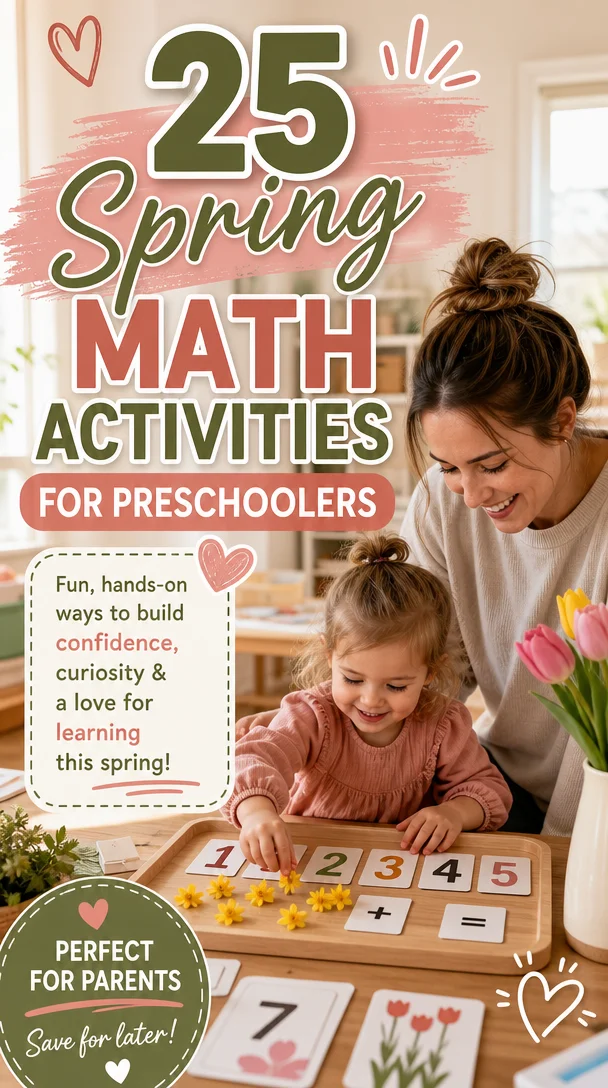
25 Spring Math Activities For Preschoolers
25 Spring Math Activities for Preschoolers: Making Learning Fun!
Meta Description: Discover 25 engaging spring math activities for preschoolers that make learning fun and memorable, helping your little ones blossom in their math skills!
As spring ushers in warmer days filled with blooming flowers and chirping birds, it’s the perfect time for your preschooler to explore and grow — not just in nature, but in their learning, too! Picture this: your little one giggling as they connect colorful blocks while practicing counting, or sorting flowers by size and color right in your backyard. Spring brings an explosion of life, and it also presents a fantastic opportunity to integrate math into playful activities that make learning feel natural and exciting.
Incorporating math into your child’s daily routines encourages not only number skills but also critical thinking and creativity. Whether you’re making memories in the garden or enjoying playtime at home, these 25 spring math activities will help your little learners thrive while having oodles of fun. So, let’s dive in and turn learning into an enchanting adventure!
Why Spring is the Perfect Time for Math
Spring is all about renewal and exploration. The changing environment allows your child to witness the beauty of nature while also giving you a unique backdrop for learning. Kids are naturally curious in spring, making it an ideal time to introduce math concepts through hands-on activities. With the world buzzing with life, your preschooler can enjoy interactive lessons that spark their imagination and fortify essential skills.
25 Spring Math Activities for Preschoolers
1. Nature Scavenger Hunt
Create a nature scavenger hunt list featuring different shapes, colors, and sizes. As your child spots items like triangular leaves or round stones, encourage them to collect and tally their findings. This activity promotes counting and classification skills while enjoying the great outdoors.
2. Flower Counting
Head to a garden or local park and count the flowers together! You can ask your child to count how many red, yellow, and blue flowers they find. Plus, you can turn it into a competition. Who can find and count the most flowers? Simple and effective!
3. Size Sorting with Leaves
Gather leaves of various shapes and sizes during a nature walk. At home, help your child sort them by size or shape. This activity develops pattern recognition and measurement concepts while having a tactile, sensory experience.
4. Math in the Garden
As you plant your spring garden, involve your child in counting seeds and spacing them. Ask questions like, "If we put two seeds in each hole, how many seeds do we need for five holes?" This simple math concept becomes a fun, practical application.
5. DIY Flower Patterns
Using colored paper or real flower petals, create different patterns (e.g., red, yellow, red, yellow). Encourage your child to extend the pattern, identify mistakes, or create their own. This helps them grasp sequencing and pattern recognition in a fun way!
6. Colorful Bug Count
Go on a bug hunt! Count all the bugs you find — ladybugs, ants, and butterflies. Take this a step further by creating a chart to visualize the different types or by comparing counts. This keeps math engaging and helps build data interpretation skills.
7. Pebble Addition
Collect small pebbles from your backyard or a nearby park. Set up simple addition problems by grouping the pebbles and asking your child to combine different groups. For example, “What’s 2 pebbles plus 3 pebbles?” It’s a hands-on approach to learning addition!
8. Springtime Bingo
Create Bingo cards filled with various spring images (flowers, sunshine, butterflies). As you play, ask your child to count how many of each item they see. It’s a delightful twist on a classic game while reinforcing counting skills.
9. Egg Hunt Math
During Easter, turn the classic egg hunt into a learning opportunity. Write numbers on each egg, and as your child collects them, they can practice counting, addition, or subtraction with the numbers they find.
10. DIY Flower Shop
Set up a flower shop with your little one. Use fake or real flowers, price them, and practice transactions. This activity introduces concepts like value and counting money, making math relatable and practical.
11. Measuring with Water
On a sunny day, fill several containers with varying amounts of water. Let your child measure, compare, and discuss which container holds the most or least water. This simple experiment builds a foundational understanding of measurement.
12. Spring Puzzles
Invest in puzzles that have spring themes. Discuss shapes and dimensions as your child pieces them together, fostering spatial awareness and cognitive development.
13. Garden Growth Graphs
Track the growth of plants in your garden by measuring their height weekly. Help your child create a simple graph of the plant’s growth over time. This combines math with science and is a fun ongoing project!
14. Shape Hunt
During a walk, encourage your child to find various shapes around them, from triangular rooftops to rectangular doors. Take pictures of the shapes and later sort them by type. They’ll learn about shapes in their environment!
15. Nature Art with Counting
Gather natural materials like twigs, leaves, and stones to create art. Ask your child to use a specific number of each material for their artwork. This exercise combines creativity with counting.
16. Spring-Themed Dominoes
Use spring-themed images to create a set of dominoes. Play with your child by matching and counting the images; this strengthens their number recognition and adds an element of fun.
17. Cloud Counting
On a partly sunny day, lie down and watch the clouds with your child. Count how many clouds you see or compare the number of fluffy vs. wispy clouds. This promotes observation and basic counting skills in a relaxed setting.
18. Planting Seeds and Math
When you plant seeds, involve your child in counting how many seeds go into each row. They can also help calculate how many rows of plants fit in your garden space. It’s a practical application of addition and multiplication.
19. Picnic Math
During a family picnic, ask your child to help set up. They can count plates, cups, and snacks. Encourage them to think critically about division: “How can we share these sandwiches among five people?”
20. Kites & Wind
Make kites with your child and discuss the measurements of the materials you use (strings, papers, etc.). Use this time to reinforce understanding of length and measurement.
21. Cloud Shape Art
After a rainy day, create art inspired by the fun shapes of clouds. Ask your child to identify the shapes they see. You can even discuss larger and smaller cloud shapes, tying in math skills beautifully.
22. Spin and Count Game
Create a simple spinner with numbers 1 to 10. Spin the wheel and collect items (like leaves or flower petals) based on the number to land on. This reinforces number recognition in a fun, interactive way.
23. Measuring with Rulers
Before enjoying outdoor crafts, teach your child how to measure lengths with a ruler. They can measure the length of sticks they’ve found to create structures, linking math skills with creativity.
24. Shapes and Shadows
On a sunny day, create shadow shapes with your child. Discuss the shapes and how they change as the sun moves. Use this opportunity to discuss angles and measurements in a playful context.
25. Spring Memory Game
Design a spring-themed memory game using cards with numbers and images of spring items. Matching pairs helps with memory skills and reinforces number recognition without even feeling like “schoolwork.”
Helpful Tips for Engaging Your Child in Math
- Tailor Activities to Their Interests: Adjust activities based on what excites your child. If they love flowers, focus math activities around garden themes.
- Use Everyday Situations: Integrate math in daily routines — measuring ingredients while cooking or counting steps while walking can make learning organic.
- Celebrate Their Success: Whether they crack a tough math problem or simply count to ten, celebrate their victories! This boosts confidence and encourages a love for learning.
- Be Patient and Encouraging: Your child may not grasp concepts right away — and that’s okay! Keep your tone positive and patient; it helps build their self-esteem.
Encouraging Conclusion
Spring is not just a season of growth in nature, but also a fantastic time for your little one to blossom in their math skills, filled with playfulness and adventure. By integrating these fun activities into your routine, you not only nurture their understanding of math but also create lasting memories that contribute to their emotional development. Remember, you don’t need to be a perfect parent — just being present is enough.
So step outside, get your hands dirty, and let the joyful learning unfold naturally. With each engaging activity, you’re not just teaching math; you’re cultivating a love for learning, the joy of discovery, and the cherished bond with your little one that will last far beyond spring.
Happy learning, lovely parents!
FAQs
Q: What if my child struggles with some concepts?
A: Every child learns at their own pace. Offer support and celebrate small victories to keep their spirits high!
Q: How do I keep these activities engaging?
A: Vary the approaches you take for each activity! Kids love surprises. Rotate tasks or introduce a new theme to keep things fresh.
Q: Can I involve my older children in these activities?
A: Absolutely! Older siblings can help guide younger ones through these activities, reinforcing their own math skills in the process and fostering family bonds.
So grab your favorite spring snacks, kick back, and enjoy the learning journey with your preschooler. You got this!