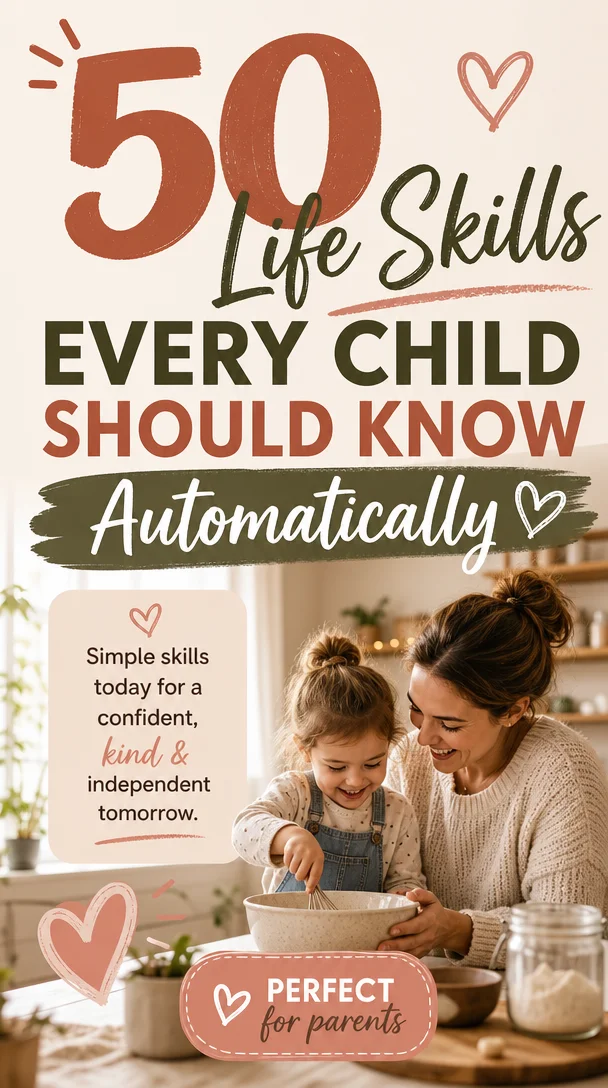
50 Life Skills Every Child Should Know
50 Life Skills Every Child Should Know
Meta Description
Explore 50 essential life skills for kids that promote independence and confidence. Equip your children with practical skills before they leave home!
Introduction
As parents, we often find ourselves drowning in the chaos of daily family life—balancing work, school, meals, and that endless laundry pile. In the midst of it all, have you paused to wonder what real-life skills you want to pass down to your kids? It’s a big question, and one that can feel a bit overwhelming at times.
Fostering independence and confidence in our children is a gift that lasts a lifetime. That’s why I’ve put together this comprehensive list of 50 life skills every child should know before they fly the nest. Whether your little ones are just starting to walk or you have teens ready to tackle the world, these skills will help pave the way for their future success. Grab a snack, settle in, and let’s dive into these small but mighty lessons!
Household Management Skills
Teaching Chores Early
-
Making Their Bed
Start small—show your child how to pull up the sheets and arrange their pillows. You’ll be amazed at how much pride they can take in their morning routine! -
Doing Laundry
Teach them how to sort clothes, use the washing machine, and fold their clean clothes. Consider making it a fun game to see who can match the most socks quickly! -
Sweeping and Dusting
Provide them with kid-sized cleaning tools. Let them know that everyone contributes to a tidy home and that even kids can make a difference. -
Basic Meal Prep
Introduce simple recipes that they can help with. Think scrambled eggs or sandwiches! Soon, they’ll feel comfortable enough to whip up something on their own. -
Understanding Grocery Lists
Make a grocery list together when you shop. As they grow, encourage them to pick up items from the store, promoting independence and decision-making skills.
Budgeting and Money Skills
-
Simple Budgeting
Teach them how to manage pocket money. Discuss saving vs. spending. They can use jars to separate their money: one for spending, one for saving, and one for sharing. -
Understanding "Needs" vs. "Wants"
Engage them in discussions about their purchases. This “money talk” helps them make decisions that reflect their values. -
Using Cash and Cards
Allow them to make small purchases. Explain how debit/credit works and the importance of tracking spending. -
Saving for a Goal
If they want a new toy or game, help them save up. It’s a great way to introduce delayed gratification. -
Basic Investment Knowledge
As they grow, introduce them to basic concepts of investing. Apps like Stockpile can be engaging for older kids.
Personal Care Skills
Building Independence in Daily Care
-
Brushing Teeth
Start with demonstration, then let them take over. Sing a fun song to make it enjoyable! -
Bathing and Personal Hygiene
Encourage them to take ownership of their shower routine and grooming game. Leaving reminders can be a good step! -
Dressing Themselves
Guide them to select their clothes based on weather and occasion. It empowers them to express their style. -
Nail Care
Teach them how to trim their nails. If they’re ready, consider encouraging them to explore nail design. -
Selecting Clothing
Help them understand when certain types of clothing are appropriate to wear, like gym clothes or formal wear.
Cooking and Meal Skills
-
Preparing Healthy Snacks
Have fun with no-bake recipes! Think smoothies or fruit bowls—great ways for them to be involved and teach about healthy eating. -
Using Kitchen Appliances
Start with basics! Show them how to use a microwave or a blender safely. These skills encourage independent snacking. -
Cleaning Up After Cooking
Make it a family event where everyone cleans up together. You can even create a fun cleanup song! -
Reading Recipes
Engage their reading skills with simple recipes. Let them pick a meal to make once a week! -
Setting the Table
Show them how to properly set a table for family dinners. It’s a lovely way to embrace family time!
Communication Skills
Encouraging Connection
-
Practicing Active Listening
Role-play scenarios where listening is key. It builds empathy and effective communication. -
Expressing Feelings
Give them tools or visuals to label feelings. Talking about emotions can help build emotional intelligence. -
Making Eye Contact
Encourage this during conversations. You might even practice with fun games like “staring contests.” -
Starting Conversations
Teach them friendly ways to introduce themselves or ask questions. Role-play helps ease any anxious feelings. -
Writing Thank You Notes
Make “thank you” notes a routine. They’ll learn gratitude while also practicing writing skills.
Life Skills for Social Situations
Navigating Friendships
-
Making Friends
Encourage them to reach out and introduce themselves. Role-play different social situations to build their confidence. -
Handling Disagreements
Teach them to express their feelings respectfully when conflicts arise. Talk about the importance of compromise. -
Saying "No"
Empower them to stand by their values. Explain that it’s okay not to do something they don’t want to, even if others are involved. -
Working in Teams
Prompt teamwork through group projects, whether at school or in casual settings. Allow them to learn the give and take of group dynamics. -
Respecting Differences
Encourage open discussion about diversity and acceptance. Share stories from different cultures and backgrounds.
Practical Skills for Everyday Life
Navigating Tools and Technology
-
Basic First Aid
Teach them how to clean a cut or use a band-aid. Empower them with the confidence to help others safely. -
Using a Phone
Start with basic skills—calling for help or messaging someone. Discuss when and how to use these tools responsibly. -
Finding Information Online
Guide them in exploring the internet safely. Show them how to differentiate between reliable sources and misinformation. -
Understanding Navigation
Take walks or bike rides together and teach them how to read a map or use a compass. Exploring can be both fun and educational! -
Basic DIY Repairs
Show them how to use basic tools like a screwdriver. Simple home projects can become fantastic bonding experiences.
Safety and Emergency Preparedness
Empowering Safety Awareness
-
Fire Safety
Discuss fire safety protocols, such as stop, drop, and roll, and creating a family emergency plan including escape routes. -
Recognizing Danger
Help your kids identify potentially dangerous situations, whether with strangers or unsafe environments. -
Basic Emergency Contacts
Ensure they can recite important phone numbers and know where to find adults in an emergency. -
Returning Home Alone
Discuss safety strategies for coming home without an adult, like safe routes and how to handle surprises. -
Using Public Transport
Teach them how to navigate public transportation. Start with familiar routes before branching out!
Emotional and Social Intelligence
Building Resilience
-
Problem-Solving Skills
Introduce problem-solving games or scenarios—encourage them to think through solutions independently. -
Building Empathy
Discuss feelings and ask them how they would feel in different scenarios. It fosters compassion toward others. -
Handling Stress
Teach them relaxation techniques like deep breathing or mindfulness practices. Make it a fun family routine! -
Setting Personal Goals
Help them identify and write down a small goal. Create a chart to visualize their progress—everyone loves a little motivation! -
Understanding Consequences
Discuss decision-making openly. Analyze past choices together to understand outcomes without judgment.
Life Skills for Community and Citizenship
Engaging with the Community
-
Volunteering
Encourage family involvement in community service. Not only does it help others, it also nurtures gratitude. -
Respecting the Environment
Teach them about recycling and taking care of nature. Turn it into a fun outdoor activity! -
Voting Basics
As they grow, introduce them to the importance of civic engagement and how the voting process works. -
Cultural Awareness
Explore different cultures together through food, music, and stories. Discuss the beauty of diversity. -
Engaging in Smart Consumerism
Introduce shopping choices—local vs. big box stores. Engage them in understanding the importance of supporting local businesses.
Encouraging Conclusion
You’ve made it through this list, and that’s a huge win! Teaching life skills doesn’t have to be overwhelming. Remember, it’s all about small, consistent actions that build up over time. Celebrate the process together, and don’t forget to share those precious moments with your kids. Each skill learned is a step toward independence, confidence, and becoming wonderfully resilient individuals.
You’re doing an amazing job, and your efforts today will create a brighter tomorrow filled with capable, well-rounded adults. So, embrace the mess, celebrate the small wins, and enjoy this beautiful parenting journey—you’re not alone in it!
FAQ Section
What are the most important life skills for kids?
While all 50 skills listed are invaluable, focus on the basics first: personal care, communication, and household management.
How can I incorporate these skills into daily life?
Use everyday moments—cooking, shopping, cleaning—to teach practical skills. Make it fun and interactive!
What if my child resists learning these skills?
Be patient! Find creative ways to make the learning process enjoyable, and always encourage their independence.
Remember, every little step they take today prepares them for a confident tomorrow. Happy parenting! 💛