
From Bump to Baby: 6 Honest Ways to Welcome Your Little Pumpkin
A Little Pumpkin Is On The Way: Embracing the Journey of Parenthood
Meta Description
Prepare for the arrival of your little pumpkin with practical tips, emotional support, and fun activities to celebrate family life, all while keeping it real and joyful.
Introduction
Ah, the thrill of welcoming a little pumpkin into your family! Whether you’re expecting a newborn or watching your tiny tot grow into a spirited toddler, each moment feels like a rollercoaster of emotions. You experience joy, overwhelming love, sleepless nights, and sometimes even a sprinkle of chaos. It’s a beautiful, messy journey, and you aren’t alone in navigating it.
You might find yourself daydreaming about pumpkin patches and adorable Halloween costumes or feeling the exhilaration and slight panic of preparing for the new little life that will soon fill your home with laughter and love. You’re not just preparing room for them in your home; you’re also expanding your heart to include all the warmth, joy, and unpredictability that comes with parenthood.
In this blog post, we’ll explore ways to embrace this exciting journey as you await the arrival of your little pumpkin. From creating cozy family routines to incorporating engaging activities and finding emotional support, let’s jump in and celebrate all the moments that make family life truly special.
The Heartbeat of Families: Celebrating Changes Together
Finding Your Family’s Rhythm
Life with kids often means changing routines, unpredictable schedules, and new responsibilities. However, creating a family rhythm doesn’t have to be about strict schedules; instead, think of it as finding a melody that works for you.
Here’s how to start:
-
Set Family Check-Ins: Dedicate a few moments each week to sit down together and chat about everyone’s feelings and expectations. This simple practice helps everyone feel connected. Plus, it allows you to adapt to changes smoothly.
-
Create Simple Routines: Whether it’s a bedtime story or a Saturday pancake breakfast, establish small traditions that your family can look forward to. These moments give you all something to bond over and build memories.
-
Simon Says Game for Engagement: Make your routines engaging with fun games. For instance, try playing “Simon Says” for communication. It’s a delightful way to bond and get everyone involved!
Preparing the Home: Cozying Up for Little Ones
As your little pumpkin arrives, making your living space cozy and functional will be essential. Here are a few practical tips to help you prepare your home:
-
Create a Nesting Area: Whether in your bedroom or a dedicated space, set up a comfy spot with essentials organized for easy access. Think of it like a cozy nest where you can cuddle with your little one.
-
Involve Your Toddler: If you have a little one at home already, get them involved in decorating a special corner for their new sibling. This action boosts their excitement and helps them feel connected to the new family member.
Finding Emotional Support: You Aren’t Alone
As you navigate this thrilling adventure, remember that emotional support is vital. Grab a coffee, and let’s chat about how you can find and provide that support.
-
Join Parenting Groups: Engaging with local or online parenting communities provides a safe space to share experiences and bond with others going through similar situations. You’ll discover that laughter, advice, and even tears become integral aspects of these relationships.
-
Talk About Your Feelings: Open up about your worries, joys, and the rollercoaster of emotions you might feel. Whether with a partner, friend, or support group, expressing your feelings helps lighten the emotional load and fosters connections.
-
Self-Care is Key: Remember, you can’t pour from an empty cup. Dedicate some time to yourself amidst the chaos. This could mean indulging in your favorite hobby, taking a walk, or trying a new recipe.
Fun and Engaging Activities for the Little Ones
Screen-Free Activities that Spark Joy
As parents, we often grapple with screen time and want to find fun, engaging alternatives. Try these ideas to inspire creativity while making lasting memories together:
-
Nature Exploration: Take little walks in local parks or even your backyard. Collect leaves, twigs, and other treasures for a fun nature collage. Discuss the colors, shapes, and textures together!
-
DIY Pumpkin Crafts: If you’re embracing the pumpkin theme this fall, get creative with DIY pumpkin crafts! Use foam balls, paint, and markers to create mini pumpkin masterpieces. Not only does this activity spark creativity, but it also provides quality bonding time.
-
Family Cooking Sessions: Involve your little ones in the kitchen. Simple tasks like washing veggies or stirring can make them feel important and included. Plus, they’ll develop a love for cooking early on!
Encouraging Connection Through Play
Children learn best through play, and engaging play can foster connection amongst family members. Here are a few ideas:
-
Role-Playing: Use imaginative play to bring scenarios to life. Pretend to have a family picnic or a day at a pumpkin patch. Engage with your child’s ideas about these scenarios, and let their imagination lead the way.
-
Building Together: Break out the building blocks or playdough! Collaborate on creating structures, and see whose ideas emerge. You’ll delight in watching their creativity shine while encouraging teamwork and communication.
-
Storytime Adventures: Set aside family storytime, where each member takes turns reading or sharing a story of their choice. Not only does this promote language skills, but it opens doors to conversations about feelings and experiences.
Balancing Life: Finding Harmony in the Chaos
The Importance of Flexibility
Life with kids rarely goes as planned, and that’s perfectly okay! Embracing flexibility can help foster a more relaxed environment. Here are some quick tips to embrace flexibility during these beautiful chaos moments:
-
Accept the Mess: Understand that it’s natural for things to get messy. Embrace it! When you let go of the need for perfection, you create space for playful moments to unfold.
-
Create Backup Plans: Have a few low-key activities up your sleeve for those unexpected “I’m bored!” moments. This way, you can shift gears seamlessly.
-
Be Kind to Yourself: Remember, parenting is not a test. Mistakes will happen, and that’s all part of the learning. Practice self-compassion, and remind yourself with kindness that you’re doing your best.
Support Through Changing Emotions
Managing Emotional Rollercoasters
Welcome to the emotional rollercoaster! From excitement to anxiety as you prepare for your little pumpkin, it’s essential to address these feelings head-on.
-
Journaling: Keeping a parenting journal offers a safe space for your thoughts. Write down your reflections, fears, and the joys you experience. It can become a lovely keepsake filled with your journey.
-
Talk It Out: Whether it’s with a partner, friend, or community group, talking about your feelings can lighten emotional burdens and provide clarity.
-
Practice Mindfulness: Incorporate short mindfulness exercises into your day. Just a few minutes of deep breathing or a simple gratitude practice can help center you amidst the chaos.
Encouraging Life Lessons Through Daily Moments
Passing Down Wisdom
Every interaction with your little pumpkin allows you to pass down life lessons in meaningful ways. Look for opportunities to teach kindness, patience, and empathy through your daily routines.
-
Everyday Kindness: Model acts of kindness in front of your children. Whether it’s being friendly to a neighbor or helping someone in need, showing kindness teaches invaluable lessons.
-
Teach Resilience: Use simple mishaps, like a spilled drink or a misplaced toy, as opportunities to talk about resilience and how to handle minor setbacks with grace.
-
Express Gratitude: Teach your children to express gratitude—whether for a meal, a sunny day, or family time. This practice promotes positivity and awareness of the good things around them.
Conclusion: Your Journey Awaits
Dear parent, as you prepare for your little pumpkin’s arrival, take comfort in knowing you’re doing an incredible job. Embrace the journey—the excitement, the chaos, the love, and most importantly, the little moments that create a lifetime of beautiful memories.
Allow yourself the grace to be imperfect. Trust that each step of this journey brings you closer to your little ones. Create meaningful moments, cherish spontaneous joys, and remember that even in the hard days, you are not alone.
So grab a cozy blanket, pour yourself a warm drink, and reflect on the beautiful chaos ahead. Your family’s adventure awaits, and it will be nothing short of magical.
Optional FAQ Section
Q: How can I prepare my toddler for a new sibling?
A: Talk openly about the baby’s arrival, read stories, and involve them in preparations. Simple tasks like setting up the crib or making crafts for the baby can help create enthusiasm.
Q: What’s the best way to manage feelings of overwhelm as a new parent?
A: Talk about your feelings, find supportive communities, and prioritize self-care. Remember, it’s okay to ask for help and take breaks when needed.
Q: What are some easy activities to do with a newborn?
A: Engage in gentle activities like gentle tummy time, singing, and reading; simple interactions foster connection and stimulate development.
Remember, each family is unique, and there’s no one-size-fits-all approach. Celebrate your journey at your pace!

Potty Train a Stubborn Toddler Girl in 3 Days: Real-Life Tricks That Actually Work
15 Steps to Potty Train a Stubborn Toddler Girl in 3 Days – Sweet n Sour Toddlers
Meta Description: Discover 15 practical steps to potty train your stubborn toddler girl in just three days. Create a fun, stress-free potty training experience today!
Hey there, fellow parent! If you’re reading this, you probably find yourself in the thick of it—juggling toddler tantrums, snack schedules, and perhaps the daunting task of potty training. Let me tell you, I’ve been there. Those days can feel overwhelming, especially when your little one seems determined to stay firmly in diapers. But I promise you one thing: you’re not alone in this journey!
Potty training a stubborn toddler girl can feel like climbing a mountain (sometimes, a slippery one!), but with the right approach, you can turn this challenge into a memorable success story. In this post, I’ll share 15 simple, practical steps to help you potty train your toddler girl in just three days. Trust me, with a sprinkle of patience, a dash of fun, and a whole lot of encouragement, you can make this process smoother for both of you.
Let’s dive in!
Understanding the Stubborn Streak
Why Some Toddlers Resist Potty Training
First, let’s take a moment to understand the key players in this game—your dear little one and her stubborn streak! Some toddlers resist potty training simply because they crave independence. They may also feel anxious about change or have a strong attachment to their diapers (it’s all they’ve known!). As a parent, recognizing why your toddler might be resistant will help you approach the situation with compassion and understanding.
Signs Your Toddler Is Ready
Before you embark on this potty training adventure, look out for signs that your daughter is ready to take the plunge. Keep an eye out for:
- Staying dry for at least two hours at a time.
- Showing interest in the bathroom or wanting to wear “big girl” underwear.
- Communicating the need to go (even if it’s just a grunt!).
- Demonstrating discomfort with dirty diapers.
If you see these signs, congratulations—you’re ready to move on to the fun part!
15 Steps to a Successful 3-Day Potty Training Journey
Day 1: The Foundation
1. Choose the Right Potty
Selecting the perfect potty is crucial. Let your toddler pick her potty! Whether it’s a bright pink princess potty or a sporty one decorated with dinosaurs, involving her in the decision allows her to feel empowered and excited about this new venture.
2. Get Excited!
Create an atmosphere of enthusiasm! Share stories about how exciting it is to use the big toilet, and let her know how proud you are of her. Jump up and down, throw in some high-fives—the more excitement, the better!
3. Dress for Success
Opt for easy-to-remove clothing. Dresses or stretchy pants work wonders, while bodysuits might spell disaster when trying to rush to the potty. It’s all about making her feel comfortable and confident.
4. Introduce a Potty Routine
Establish a potty schedule. Try taking her to the potty every hour or so. Make it part of the routine—before meals, after playtime, and first thing in the morning. Consistency is key!
Day 2: The Practice
5. Stay Close to Home
Choose a weekend or a few days when you can stay home. This helps avoid accidents in public settings and allows you to guide her through using the potty in a stress-free environment.
6. Use Visuals and Stories
Visual aids like charts or books about potty training can help. Incorporate fun stories that illustrate the experience. For instance, read a tale about a little bear who learns to use the potty. It makes the experience relatable and engaging.
7. Offer Incentives
Create a rewards system. Stickers, praise, and small treats can motivate your toddler. For example, after using the potty successfully, let her choose a sticker to add to her chart. It’s all about celebrating those little victories!
8. Be Patient with Accidents
Expect accidents—they’re a part of the learning process! When they happen, calmly encourage her. Remind her that it’s okay and that she can try again next time. Patience is your best friend here!
Day 3: Confidence Building
9. Encourage Independence
Let her take the lead! If she expresses a desire to go, cheer her on and give her space to figure it out. Independence fosters confidence, and that’s vital for this new skill.
10. Celebrate Every Success
Each time she uses the potty, make it a big deal! Sing a fun potty song or do a little dance. The more enthusiastically you respond, the more she’ll want to keep using her potty.
11. Introduce Big Girl Underwear
It’s time for the big girl underwear reveal! Allow her to choose which ones she wants to wear. This can boost her excitement and make her want to keep them clean.
12. Reinforce the Importance of Hygiene
While you’re in the bathroom encouraging flow, don’t forget to teach proper hygiene. Show her how to wipe and wash hands afterwards—this reinforces a good habit that’s equally important.
After the 3 Days: What’s Next?
13. Transition Out of Diapers
Gradually phase out nighttime diapers once you see consistency during the day. It may take a little longer for her to feel ready—everyone learns at their own pace.
14. Stay Positive
Continue showering her with praise and encouragement even after the initial days. Smooth out any bumps along the way with reassurance. Remind her she’s getting bigger and braver!
15. Communicate Openly
Always keep communication open. If she has concerns or fears, be the supportive parent she needs. Talk through any anxieties about potty training, and reassure her that it’s perfectly okay to voice them.
Helpful Tips to Make Potty Training Easier
-
Keep a Potty Close: Use a portable potty for outings. Transitioning in public spaces can be easier when she has a familiar toilet option.
-
Bathroom Time as Bonding Time: If it feels right, join her on bathroom trips (as far as her comfort allows you to). This strategy can create a sense of bonding and trust.
-
Embrace the Mess: Expect a few mishaps! Make clean-up a fun duo activity, or let her help when it’s appropriate. This helps her feel involved and responsible.
Conclusion
Potty training a stubborn toddler girl can feel like a daunting journey, but remember: every child learns at their own pace, and patience is your strongest tool. Celebrate the little moments and precious victories, even when they seem minute. Your love and encouragement will guide her through this process, and soon enough, you’ll find yourselves sharing amusing stories of her potty training days.
Always keep in mind that you’re doing great! Parenting isn’t about perfection, but about creating love-filled moments together. So, buckle up for this adventure—the finish line is closer than you think, and your toddler will thank you for the memories you’re making together!
Optional FAQ Section
Q: What if my toddler doesn’t want to sit on the potty?
A: It’s okay! Give her some time. Offer her to explore the potty in her own terms—let her sit while fully clothed to get used to it.
Q: How do I handle nighttime potty training?
A: Wait until she consistently stays dry during the day. When she is ready, consider limiting drinks before bedtime and using training pants.
Q: How can I help her if she experiences accidents?
A: Stay calm and supportive. Reassure her that mistakes happen and encourage her to try again next time.
Using these steps and strategies, I hope to turn this challenging phase into a joyful adventure. Cheers to potty training success!
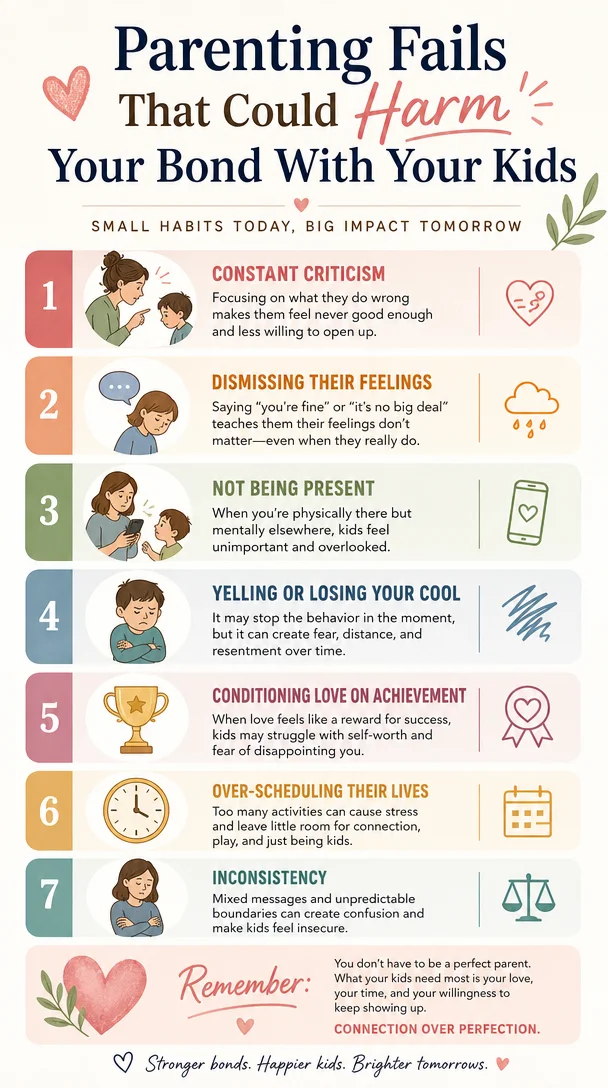
Parenting Fails That Could Harm Your Bond With Your Kids
3 Parent Fails That Could Negatively Affect Your Relationship With Your Kids – Words From The Bird
Meta Description
Discover common parenting pitfalls that can impact your connection with your kids. Learn positive strategies for nurturing healthy relationships and emotional well-being.
Introduction
As parents, we wear many hats. From chef and chauffeur to cheerleader and hug dispenser, our daily lives overflow with responsibilities. Yet, amid the chaos, we sometimes stumble in ways that can affect our relationships with our little ones. Maybe you snapped at your toddler during a stressful moment or forgot to engage during family dinner. These “parent fails,” while common, can leave lasting impressions on our children’s emotional health and our bonds with them.
But don’t worry! We all make mistakes. What matters most is recognizing them and taking steps toward positive change. Let’s dive into three common parent fails that could negatively affect your relationship with your kids and explore practical tips to mend and strengthen those connections.
H2: Parenting Fail #1: Losing Your Temper
H3: The Impact of Anger
We all have those days where our patience runs thin. Perhaps it’s the third time you’ve asked your child to put their shoes on, or maybe they’ve decided that today is the day to test every boundary. In these moments, losing your temper might feel unavoidable. But have you considered the emotional toll it takes on your child?
When parents raise their voices, kids often feel scared, confused, or neglected. They might internalize those moments, feeling they’re not good enough. This can impact their self-esteem and shape their understanding of emotions for years to come.
H3: How to Navigate Anger
Instead of immediate outbursts, try these strategies:
-
Breathe Before You React: When you feel anger bubbling, take a moment to breathe deeply. This simple action can give you the space to choose a more measured response. For example, if your child won’t eat their vegetables, take a beat, and say, “I feel frustrated, but let’s talk about why veggies are important.”
-
Model Emotional Regulation: Show your child how to express feelings healthily. Instead of snapping, consider saying, “I’m feeling really irritated right now, can we find a solution together?” By modeling emotion regulation, you teach your kids how to handle their feelings.
-
Use “I” Statements: When things get tense, using “I” statements can help keep the dialogue open and constructive. For example, instead of saying, “You never listen!” try, “I feel unheard when you don’t respond to my requests.”
H3: Engaging with Your Little Ones
When you find yourself feeling calmer, take some time to re-connect. Schedule regular family meetings or one-on-one time to discuss feelings and experiences, making sure to create a judgment-free space. Encourage your kids to share their thoughts with prompts like:
- “What was the best part of your day?”
- “How did you feel during that activity?”
H2: Parenting Fail #2: Overemphasizing Perfection
H3: The Pressure of Perfect Parenting
In today’s fast-paced digital world, it’s easy to feel the pressure to be the “perfect parent.” Do you scroll through social media and feel like you’re constantly falling short in comparisons? It’s tempting to strive for perfection, but this can create a cycle of stress, both for you and your child.
Children need to see that everyone makes mistakes and that it’s okay to learn from them. When they sense that perfection is the expectation, they may develop anxiety around disappointing you or avoid challenges altogether.
H3: Embracing Imperfection
Shift your mindset with these actionable steps:
-
Celebrate Small Wins: Recognize and affirm the little steps your child takes every day. Did they tie their shoes for the first time? Celebrate it! Acknowledgment plants seeds of confidence.
-
Share Your Own Mistakes: Openly discuss your mistakes with your children to create an environment where they feel safe to express their feelings. If you accidentally burn dinner, use it as a moment to highlight the beauty of trying new recipes and laughing it off together.
-
Create a “Mistakes Wall”: Turn your home into a reminder of growth by creating a wall where everyone can post their mistakes and learnings. The goal? To normalize the learning process. You could include sayings like, “Every mistake is a step toward success!”
H3: Encouraging Open Dialogue
Let your kids express their struggles without fear of judgment. Use conversation starters like:
- “What do you think is the funniest mistake you’ve made?”
- “Is there something you’re afraid to try? Let’s tackle it together!”
H2: Parenting Fail #3: Neglecting Emotional Needs
H3: Understanding Emotional Needs
Many parents unintentionally prioritize physical needs (like meals and bedtimes) over emotional ones. Children crave connection, affection, and validation. Ignoring their emotional needs can lead to feelings of isolation or lower self-worth.
H3: Tending to Emotional Needs
Foster emotional well-being with these strategies:
-
Dedicate Daily Connection Time: Make it a priority to carve out time each day for deep connection with your child. This could be as simple as a 10-minute chat during bedtime or an afternoon walk.
-
Ask Open-Ended Questions: Encourage your child to express their feelings. Questions like, “How did that make you feel?” or “What was the hardest part of your week?” can promote dialogue that strengthens bonds.
-
Use Positive Reinforcement: Offer praise for emotional expression. If your child shares something that’s troubling them, acknowledge their courage with phrases like, “I appreciate you sharing that with me; it’s important.”
H3: Creating an Emotionally Safe Space
To foster emotional safety, promote an atmosphere of empathy. Allow your kids to speak openly without interruptions. Show they can trust you with their feelings by responding thoughtfully and compassionately.
Encouraging Conclusion
Parenting is undeniably messy, and we all encounter moments where we could do better. The important thing is recognizing these pitfalls and taking steps to reshape our responses as we nurture our little ones. Remember, you’re doing the best you can, and every small change you make helps foster a loving, supportive environment for your kids.
Create connections through communication, embrace imperfections, and always strive to meet your child’s emotional needs. You’re not just raising kids; you’re cultivating a bond that will last a lifetime. So, let’s lean into this journey together, finding joy in the little moments, and above all, know that you are not alone in this adventure.
Let’s celebrate the beauty of imperfection and the magic of connection—one day at a time!