
Simple Arts and Crafts Activities for Kids That Spark Creativity at Home
Unleashing Creativity: A Treasure Trove of Arts and Crafts Ideas for Kids
Meta Description
Explore a treasure trove of arts and crafts ideas that will keep your kids creatively engaged all year round! Find practical tips and projects for every season.
Introduction
Hey there, fellow parents! If you’ve ever found yourself staring at a blank canvas—or more likely, the wall that your little Picasso just turned into their masterpiece—you know just how important it is to keep our kids busy and creatively engaged. Summer days, rainy afternoons, or the itch of winter weather can leave us scrambling for fresh, fun ideas to channel that boundless energy!
But don’t fret! Today, I’m excited to share one of the most valuable resources you can have as a parent: a treasure trove of arts and crafts ideas that are perfect for kids. Whether your child is a budding artist or just looking for some fun, you’ll find plenty of ideas here to last through the seasons—summer, fall, winter, and spring. Let’s dive in and see how simple materials can spark joy, laughter, and creativity in your home!
The Benefits of Arts and Crafts for Kids
Creating art isn’t just about making something pretty; it’s a fantastic opportunity for learning and growth. Here are just a few wonderful benefits that come along with diving into arts and crafts:
1. Enhances Fine Motor Skills
Did you know that activities like cutting, gluing, and coloring help improve your child’s dexterity? When kids manipulate scissors or hold a paintbrush, they hone their fine motor skills, which are crucial for everyday tasks and academic success!
2. Boosts Creativity and Imagination
Letting children create gives them the freedom to express themselves. Whether it’s painting a sunset or crafting an alien spaceship, creativity knows no bounds. Your kitchen table can become a blank canvas where imagination takes flight!
3. Encourages Problem Solving
Arts and crafts naturally encourage kids to think critically and solve problems. How do you turn a sock into a puppet? What happens if I mix blue and yellow? These questions spark their curiosity and initiate a journey of discovery—creating little innovators in the process.
4. Fosters Emotional Expression
Art provides an incredible avenue for emotional expression. Sometimes kids find it hard to articulate their feelings. Through art, they can communicate their joys, frustrations, or fears, creating a healthy outlet for their emotions.
5. Creates Family Bonds
Let’s not forget how wonderful it is to spend quality time as a family! Crafting together creates moments full of laughter, conversation, and connection. So grab those markers, and let’s create some unforgettable memories together!
Arts and Crafts Ideas for Every Season
Each season brings new emotions, colors, and textures to explore, so let’s jump into some projects that will celebrate the beauty of each time of year!
Spring: Welcoming New Beginnings
Plant Pot Decorating
Grab some terracotta pots and let your kids unleash their inner garden designers! Provide acrylic paints and a variety of brushes and let them paint sunflowers, butterflies, or their favorite colors. Once dry, you can plant flowers or herbs together to watch as nature blooms!
Nature Collage
Go on a nature walk and collect leaves, flowers, or small twigs. Once you’re home, gather your supplies and create a beautiful collage. Use the collected items, glue, and any other embellishments like glitter or stickers. This craft combines creativity with a love for the outdoors!
Summer: Soaking Up the Sun
DIY Tie-Dye T-Shirts
Summer screams tie-dye fun! Buy some plain white t-shirts and fabric dyes (or use food coloring in a pinch). Set up your DIY dye station and let your kids design their own colorful masterpieces. The joy on their faces when they see the reveal will be priceless!
Sun Catchers
With clear contact paper and tissue paper, your kids can create stunning sun catchers! Cut out shapes from the tissue paper—think flowers or geometric designs—and let them arrange them on the contact paper. Hang them in windows to watch the sunlight dance through!
Fall: Embracing Change
Leaf Rubbings
Discover the beauty of fall leaves by doing leaf rubbings! Collect various leaves and place them under a piece of paper. Using crayons or colored pencils, have your children rub over the paper to reveal the impressive leaf shapes. This simple craft highlights the beauty of nature’s artwork.
Pumpkin Painting
Instead of carving, why not paint pumpkins? Let your kids use washable paints to turn pumpkins into silly faces or colorful designs. This way, they can keep their creations longer, and you get to enjoy their artistry all season long!
Winter: Finding Warmth in Creativity
Winter Wonderland Scene
Using cotton balls, googly eyes, and cardstock, help your kids create a winter wonderland scene. They can build snowmen or snowy landscapes that bring the joy of the season indoors. Don’t forget a sprinkle of glitter for extra magic!
Homemade Ornaments
Get crafty and create ornaments for the holidays! Use salt dough or even paper plates. Let the kids cut out shapes and decorate them with paint or markers. Hang them on your tree to cherish family memories each holiday season.
Actionable Tips for a Successful Crafting Experience
As we dive into these exciting projects, remember that crafting should feel joyful, not overwhelming. Here are some tips to ensure your arts and crafts time remains engaging and fun:
-
Set Up a Craft Station
Designate a special spot in your home for crafting. Stock it with supplies such as glue, scissors, crayons, and paper. Having a dedicated area makes it easy to dive into creativity whenever the mood strikes! -
Keep It Simple
You don’t need fancy supplies or complex ideas. Often, the simplest projects bring the most joy. Look around your home for items like cardboard boxes, straws, or old magazines—the possibilities are endless! -
Encourage Conversation
While crafting, spark conversations with your kids. Ask them about their ideas, their colors of choice, or what story their artwork tells. This not only builds emotional connections but boosts their communication skills, too! -
Celebrate All Creations
Whether it’s a masterpiece or a playful scribble, embrace every creation. Display their art proudly around your home. This validation encourages them to keep exploring their talents. -
Incorporate Learning
Use arts and crafts as a gateway to introduce subjects such as math (counting supplies) or science (exploring textures). It’s a fun way to blend learning and creativity seamlessly!
Conversation Starters: Art Talk with Your Child
- “If your artwork could talk, what would it say?”
- “What do you think about using those colors together?”
- “If you could create something amazing, what would it be?”
Conclusion
Crafting with your little ones can transform the ordinary into the extraordinary, bringing joy, laughter, and connection to your everyday life. Remember that every scribble, assess, and splash of paint is a precious moment worth celebrating. As you embark on these artistic adventures together, keep your heart open and enjoy the journey of creativity with your child.
You’ve got this! Keep the art supplies handy, and let your family’s imagination come alive. I hope this treasure trove of arts and crafts ideas lights up your home with creativity, warmth, and cherished memories for many seasons to come.
FAQ Section
Q: What age is appropriate for crafts?
A: Crafts can be tailored for all ages! For toddlers, focus on safe, simple materials like crayons and large paper. As children grow, introduce more complex projects that challenge their creativity.
Q: How do I handle mess during crafts?
A: Embrace the mess! Set up a designated area with newspapers or butcher paper for easy cleanup. Have wet wipes or a damp cloth nearby for quick fixes, and remember, creativity can often be a little messy!
Q: Can crafting help with emotional regulation?
A: Absolutely! Crafting serves as a wonderful tool for emotional expression. Encouraging your child to express their feelings through art can significantly aid in regulating emotions and communication.
Now, grab your crafting supplies and let the artistic fun begin! Your children will thank you for these incredibly memorable moments, and you’ll cherish these beautiful creations for years to come. Happy crafting!
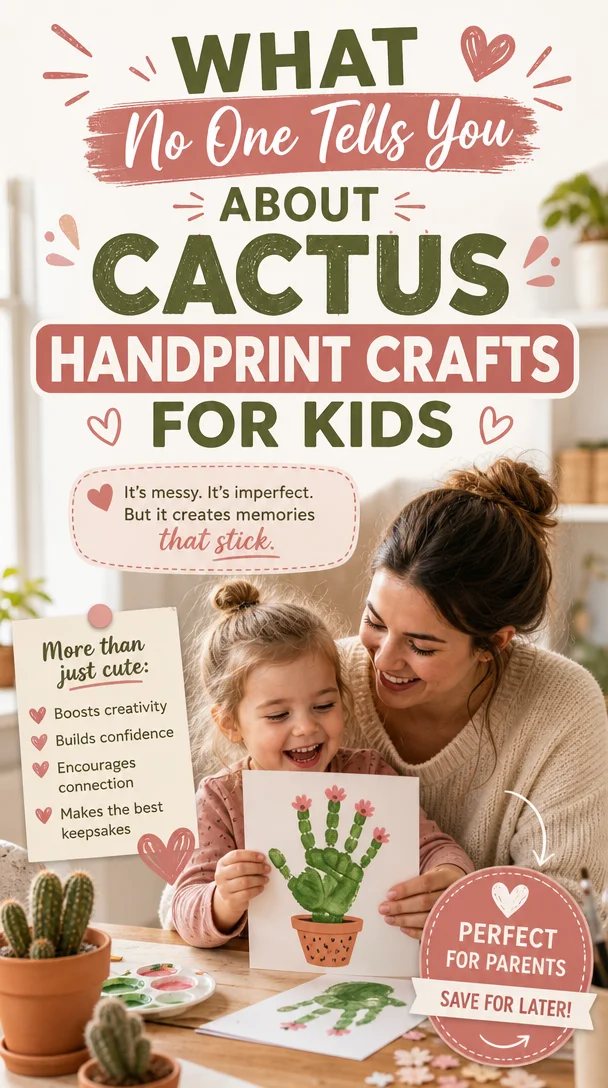
What No One Tells You About Cactus Handprint Crafts For Kids
Cactus Handprint: A Touch of Childhood Magic in Your Home
Meta Description
Bring magic into your home with cactus handprint art! This fun, easy activity sparks creativity in kids while making meaningful memories.
Childhood is all about the little moments–splashing in puddles, chasing butterflies, and creating art with your hands. But sometimes, amidst the chaos of parenting, we overlook these delightful opportunities to connect with our kids through creative play. This is where the charming cactus handprint art comes in—a simple activity that not only engages your child’s imagination but also teaches them about nature in a fun way. Let’s dive into this warm and joyful endeavor that could spark countless conversations and connections!
The Magic of Cactus Handprint Art
Creating cactus handprint art taps into the simple joy of crafting, all while nurturing your child’s imagination. The tactile experience of paint on their hands provides sensory stimulation that kids crave, and the end result is a whimsical piece of artwork that represents their unique creativity. Not to mention, it’s a fantastic way to spend quality time together without the pressures of perfectionism.
Why Cactus Handprints?
Cacti symbolize resilience—a fitting trait for both kids and parents alike! They thrive in tough environments, reminding us that even in the messiness of family life, we can find strength and beauty. This metaphor resonates with many parents who navigate the ups and downs of raising little ones. By creating cactus art, you’re not just making a fun craft; you’re instilling the idea of resilience, creativity, and the beauty in imperfection.
What You’ll Need
To get started on your cactus handprint adventure, gather these simple supplies:
- Non-toxic green paint (washable for easy clean-up!)
- White or light-colored paper (construction paper works great)
- Paintbrush (optional, for finer details)
- Markers or crayons (for adding decorations)
- A damp cloth or baby wipes (to clean up hands afterward)
Setting Up for Success
To truly enjoy this creative journey, set up your space for success. Lay down some newspaper or a tablecloth to protect your surfaces from paint spills. Prepare your child’s paint and have paper ready for handprints. Create a cozy atmosphere with favorite music playing softly in the background, and don’t forget to grab your favorite drink—because you deserve a little something sweet during this playful moment, too!
Step-by-Step Guide to Creating Your Cactus Handprint
Here’s how to make your cactus handprint art piece come to life:
Step 1: Prepare the Paint
Pour some green paint onto a plate or shallow dish. Encourage your child to dip their hand into the paint, covering their palm and fingers evenly. You might want to demonstrate this first, showing them how fun it can be!
Step 2: Create Handprints
Press their hand firmly onto the paper, making sure to apply enough pressure for a clear print. Gently lift their hand away to reveal a lovely green handprint—this will serve as the base of the cactus. Feel free to make multiple prints on the same sheet for a little cactus garden!
Step 3: Add Details
Once the green handprints dry, it’s time to add personality! Use markers or crayons to decorate the cactus. Your child can draw flowers, pots, or even little creatures peeking out from behind. Encourage them to let their imagination run wild. There are no mistakes—just beautiful creations!
Step 4: Display the Artwork
Find a special spot in your home to showcase your cactus handprints. This could be the refrigerator, a dedicated art wall, or even their bedroom. Seeing their creations proudly displayed will boost their self-esteem and encourage further creativity.
Tips for Making This Experience Even More Enjoyable
Creating cactus handprint art can be a seamless blend of enjoyment and learning. Here are some tips to enhance the experience:
Engage in Conversation
Use the cactus handprint activity as a springboard for conversation. Ask open-ended questions like, “What do you love most about nature?” or “Why do you think cacti are special?” These questions not only deepen connections but also stimulate their critical thinking skills.
Connect to Everyday Life
Illustrate the importance of resilience by sharing stories about how cacti survive in harsh conditions. Relate this to your child’s own life—how they can overcome challenges, adapt, and still shine brightly, just like our prickly plant friends!
Invite Friends or Family
Throw a mini cactus art party! Invite friends over for playdates and create a joyful, shared experience. Kids love socializing, and working together on art can spark delightful friendships.
Include Your Little Ones in the Clean-up
Make cleaning up part of the fun! Invite your child to help wash brushes and wipe the table. Turning clean-up into a game or making a song about it adds an element of joy to this necessary task.
Embracing Imperfection in Parenting
One of the most significant lessons we can impart to our children is the beauty of imperfection. Your cactus handprint art doesn’t have to look “perfect”—it simply needs to be created with love. Celebrate the crooked lines, uneven colors, and splashes. Each imperfection tells a story—a moment in time when your child explored their creativity and shared it with you.
Real-life Example:
I remember creating handprint art with my son when he was three. He was enthralled with the paint, and instead of a masterpiece, we ended up with a few handprints mixed with lots of accidental smudges and splatters. But to this day, I cherish that messy artwork. It reminds me of his creativity and our shared laughter, which made the whole experience magical.
More Family Fun with Handprint Crafts
Excited to keep crafting? Here are a few other handprint art projects you might enjoy:
- Tree Handprints: Use brown paint for the trunk and green for the leaves. Talk about seasons and nature as you create!
- Animal Prints: Turn handprints into animals by adding features with crayons or markers. For example, a handprint can easily become a butterfly or a fish with a bit of imagination.
- Holiday Themes: Adapt handprint art for holidays! Try turkey handprints for Thanksgiving or a Santa handprint for Christmas.
Conclusion
As you venture into the world of cactus handprint art, remember that every stroke of paint becomes a cherished memory. This simple, engaging activity allows you and your child to connect, create, and celebrate the beautiful mess that is parenting. So, grab that paint, share some laughs, and make family art that radiates love and joy.
Parenting can feel overwhelming at times, but squeezing in little moments of creativity can make all the difference. So go ahead, embrace the chaos, and keep creating joyful memories—one handprint at a time!
FAQ Section
What age is appropriate for cactus handprint art?
Cactus handprint art works wonderfully for toddlers and preschoolers, but older kids can enjoy this too!
What if my child doesn’t want to get their hands messy?
Consider using paintbrushes or sponges for applying paint. You can always make a "painted foot" version if they’re more comfortable!
How can I clean up easily afterward?
Using washable paint makes clean-up a breeze! Keep a damp cloth or wet wipes nearby to manage any spills quickly.
Creating art should be about joy and connection, so dive into that creative spirit!