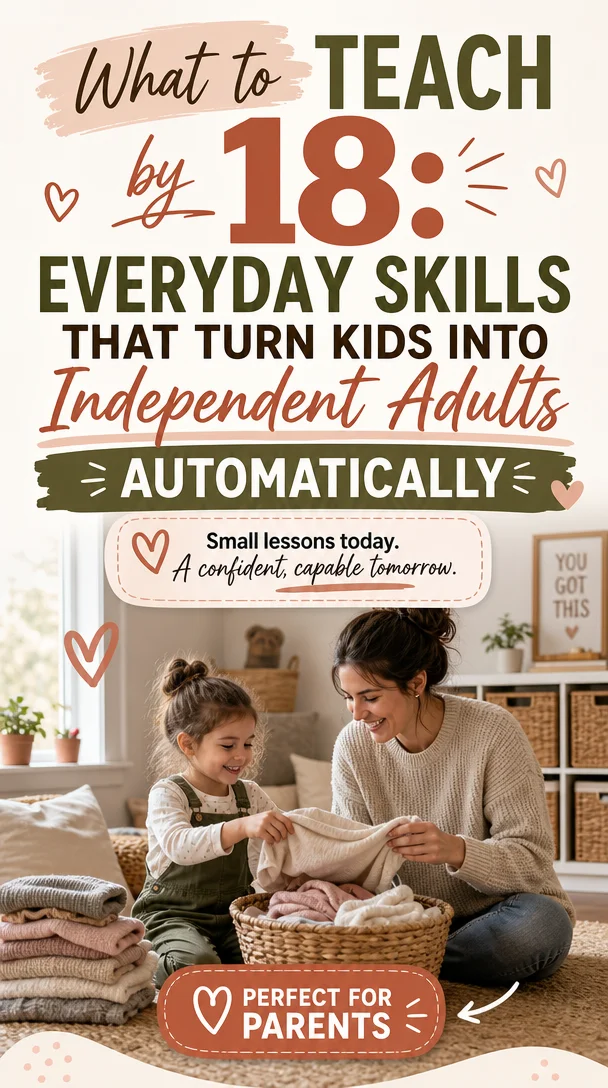
What to Teach by 18: Everyday Skills That Turn Kids Into Independent Adults
Raising an Adult: Essential Skills Kids Should Learn by Age 18
Meta Description
Equip your teens for success with these essential life skills every child should learn by age 18. Start preparing your teen for independence today!
Introduction
Every parent experiences that moment of realization as their child approaches adulthood: they’ve watched them grow, yet there’s still so much they need to learn before stepping out into the big wide world. Suddenly, you might feel this urgency to teach them things like managing finances, cooking a nutritious meal, or even how to negotiate in a tough situation. This isn’t just a checklist of skills; it’s a heartfelt journey to prepare our kids for independence, enabling them to navigate life successfully.
Along the way, we can turn these lessons into memorable experiences, creating opportunities for growth, connection, and confidence. So grab a warm cup of your favorite drink, and let’s chat about the essential life skills every child should master before age 18. Together, we can make sure our kids are not just surviving but thriving!
Life Skills for Independence
H2: Practical Skills for Daily Living
H3: Cooking Basics
Cooking isn’t just a life skill; it’s an important act of self-care. Start by teaching your kids simple recipes, such as scrambled eggs or pasta. As they grow more confident, introduce one or two new ingredients each week. Consider organizing a weekly “family cook night” where everyone contributes to a meal. This not only sharpens their cooking skills but also fosters family bonding.
Tip: Make it fun! Use themed nights like “Taco Tuesday” or “Pasta Palooza” to encourage creativity and excitement around cooking.
H3: Budgeting and Financial Literacy
Understanding money is crucial for independence. Start by giving your child a small allowance and guide them in budgeting their expenses. Show them how to track their spending using a simple app or spreadsheet. Consider setting up a “savings challenge,” where they save a portion of their allowance for a fun purchase.
Example: Have your teen plan a fun day out with their budget. They can research fun activities, restaurants, and travel costs — all while learning to prioritize and manage their funds.
H3: Basic Household Maintenance
Teach your child how to take care of their living space. Start with simple tasks like making their bed, doing laundry, and cleaning their room. Middle school can be an excellent time to introduce them to more advanced skills, like basic repairs and organizing a cleaning schedule.
Tip: Make mastering these skills a friendly competition! Who can clean the living room fastest or fold laundry most neatly?
Social Skills and Emotional Intelligence
H2: Communication and Conflict Resolution
H3: Conversation Skills
When it comes to social interactions, effective communication makes all the difference. Encourage your child to practice active listening and express their thoughts clearly. Role-playing different scenarios, such as introducing themselves or navigating a disagreement, can build their confidence.
Example: Challenge them to start a conversation with someone new each week. It could be a peer at school or even at a local event – these skills will serve them well in the future!
H3: Conflict Resolution
Conflict is a natural part of any relationship. Teach your child how to manage disagreements calmly. Discuss different approaches, such as finding common ground or negotiating a solution.
Tip: Use examples from your own life or even their favorite TV shows to spark discussion about conflict. How could a character have handled a situation differently?
Health and Well-Being
H2: Physical Health and Wellness
H3: Basic Cooking Skills
Understanding how to prepare healthy meals fosters a healthy lifestyle. Sit down with your teens and discuss nutrition. Explore recipes together, emphasizing wholesome, balanced meals. You can incorporate fun, interactive cooking lessons using ingredients from your pantry.
Example: Try making a “healthy cooking challenge” where everyone picks one meal to create, and then you taste test and vote for the winner.
H3: Emotional Wellness
Teach your child about mental health and the importance of expressing feelings. Encourage them to journal or talk openly about what they’re experiencing.
Tip: Consider introducing mindfulness practices, such as meditation or yoga, as a family weekend activity. This cultivates emotional regulation and self-awareness.
Safety and Self-Defense
H2: Personal Safety and Awareness
H3: Stranger Safety and Consent
Discuss and role-play scenarios surrounding stranger danger and assertive communication. Your child should know how to protect themselves without instilling fear.
Tip: Use everyday examples to explain consent. Talk about personal space and listening to their instincts. It’s crucial that they feel empowered to say “no” when uncomfortable.
H3: First Aid Basics
Teach your child essential first-aid skills — from treating minor cuts to understanding when to seek help. Consider a “first-aid day” where you simulate an emergency and practice responding appropriately.
Example: Use fun bandages and supplies to make the learning process engaging, maybe even inviting friends over for a mini first-aid class!
Career and Future Planning
H2: Career Awareness and Job Skills
H3: Building a Resume and Interview Skills
Help your teen start a resume, even if they haven’t worked yet! Include volunteer experience, extracurricular activities, and any skills they’ve developed. Practice interview techniques with them, role-playing potential questions they might face.
Tip: Arrange mock interviews with family members or trusted friends. This adds a layer of realism and prepares them for the real deal.
H3: Networking and Professional Etiquette
Teach your child about the importance of networking by introducing them to friends and acquaintances in your community. Discuss professional manners, including proper email etiquette and how to introduce themselves in a professional setting.
Example: Set a goal to attend at least one community event each month together. This helps them meet new people while practicing their networking skills.
Encouraging Independence and Curiosity
H2: Self-Discovery and Life Experiences
H3: Setting Personal Goals
Encourage your teen to set personal goals, whether related to academics, sports, or hobbies. They should learn how to create action plans, and understand that even small steps matter.
Tip: Use a vision board to help them visualize their ambitions. This hands-on project can serve as a daily motivation and boost their confidence.
H3: Travel and Exploration
If possible, plan family trips. Travel exposes your child to different cultures, ideas, and experiences. Encourage them to document their travels, whether through photography, journaling, or creating a scrapbook.
Example: Consider organizing a trip based on their interests; whether it’s nature-themed or an art adventure, this firsthand experience will inspire their curiosity about the world.
Helpful Tips and Actionable Ideas
Practical Tips for Everyday Learning
- Make It Fun: Turn chores into games or challenges.
- Model Behaviors: Show your kids how you manage tasks and emotions.
- Encourage Questions: Be open to discussions about various topics, fostering a habit of curiosity.
- Be Patient: Skills take time to develop; celebrate progress, even when it feels small.
- Create Routines: Regularly practice skills at home to reinforce learning.
Conclusion
As we prepare our kids for adulthood, we have an amazing opportunity to raise capable, confident individuals. While this journey may feel overwhelming at times, remember that you’re not alone. Small steps can lead to significant growth.
By teaching life skills, nurturing communication, and encouraging self-discovery, we set our children on the path to become thoughtful, independent adults. So take a deep breath, embrace the process, and remember that each lesson learned — no matter how small — contributes to their future success.
Together, let’s equip our kids for the beautiful adventure ahead!
Optional FAQ Section
Q: How can I make teaching these skills engaging?
A: Think of creative and interactive ways to introduce each skill. Games, challenges, and family competitions can make learning fun!
Q: What if my child struggles with some skills?
A: Every child learns at their own pace. Offer support and encouragement, and be patient through the process. Celebrate their progress!
Q: When should I start teaching these skills?
A: Start as early as you can! Many of these skills can be introduced in fun ways during toddler and preschool years, gradually developing as they grow.