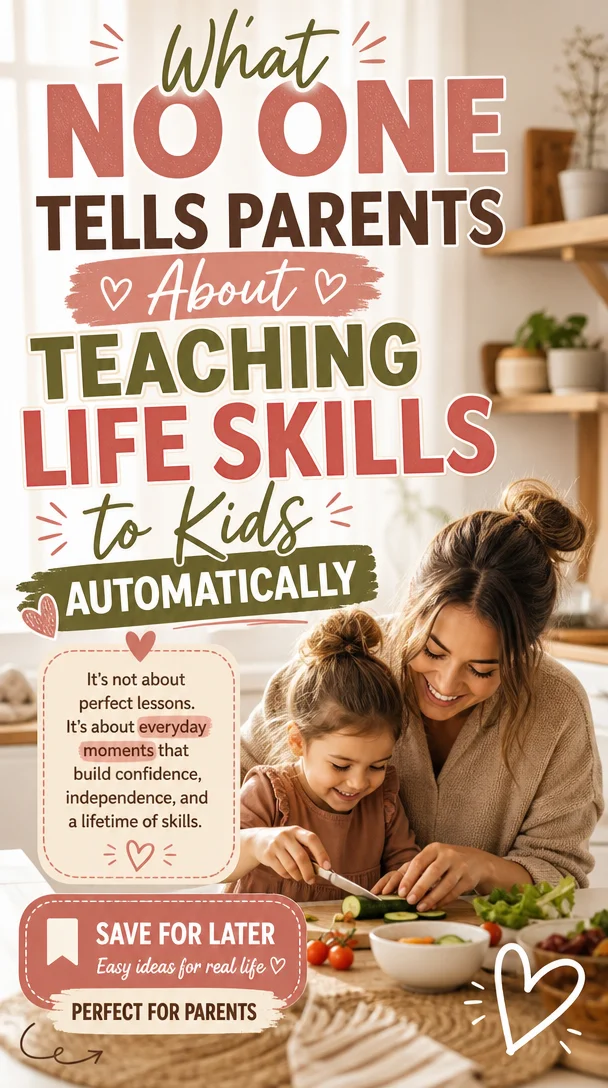
The Ultimate List of Life Skills to Teach Children
Meta Description: Discover essential life skills to teach your children at home that aren’t covered in school. Empower them to thrive in everyday life with joy!
Hey there, fellow parent! If you’ve ever wondered about the important life skills your child needs to navigate the world outside of textbooks, you’re not alone. It’s easy to feel overwhelmed with so much to teach—and let’s face it, traditional schooling often misses the mark on practical skills. But guess what? You have the power to equip your kids with essential skills that will set them up for success and happiness in life.
Imagine your child confidently baking a cake from scratch, handling financial basics, or communicating effectively with others—all skills that build independence and self-reliance. It’s time to embrace this journey together. So grab your favorite mug of coffee (or tea!) and let’s dive into the ultimate list of life skills you can teach your children outside the traditional classroom.
Why Life Skills Matter
Before we leap into the list, let’s chat about why these skills hold such importance in your child’s life. Just like learning to ride a bike or play a sport, mastering life skills boosts their confidence, independence, and emotional intelligence. These abilities aren’t just useful in navigating adult life; they help kids better understand themselves and the world around them. It helps them feel prepared and capable—a vital part of growing up.
Now, let’s get into the meat of it! Here are life skills that you can weave into daily routines at home.
Essential Life Skills for Children
1. Cooking Basics
Why It’s Important
Cooking not only teaches healthy eating habits but also gives kids a sense of accomplishment.
How to Teach It
Get your little ones involved in the kitchen! Start small by letting them wash veggies or stir ingredients. As they grow more confident, introduce them to more complex recipes.
Example Recipe: Simple Pancakes
- Ingredients: 1 cup all-purpose flour, 1 tbsp sugar, 1 tsp baking powder, 1/2 cup milk, 1 egg.
- Steps: Mix dry ingredients, add wet ingredients, and cook on a skillet. Let them flip the pancakes (with your supervision, of course)!
2. Financial Literacy
Why It’s Important
Teaching children about money management early on helps them make informed financial decisions later.
How to Teach It
Introduce concepts using a play money system or set up a pretend store. Engage them in discussions about saving, spending, and giving.
Tips to Implement
- Allowance: Start giving them a small weekly allowance to manage. Discuss how they can save a portion, spend on treats, and possibly donate to a charity.
- Goal Setting: Help them set a savings goal for something they want to buy.
3. Time Management
Why It’s Important
Understanding how to manage time helps children prioritize tasks and reduces stress.
How to Teach It
Use visual aids—like calendars or timer apps—and create routines around their daily activities.
Example Routine
- Morning: Wake up, brush teeth, breakfast.
- After School: Homework, chores, playtime.
4. Laundry Skills
Why It’s Important
Learning to do laundry fosters independence and responsibility in children.
How to Teach It
Create a simple guide with pictures showing how to sort clothes, load the washer, and fold correctly.
Tips
- Start Off Simple: Let them help with sorting laundry first. Progress to loading and unloading the machine.
- Make It Fun: Play a sorting game with colors or patterns!
5. Communication Skills
Why It’s Important
Effective communication builds strong relationships and reduces misunderstandings.
How to Teach It
Encourage children to express their thoughts and feelings verbally. Role-play different scenarios to practice.
Conversation Idea
Ask open-ended questions like, “What was the best part of your day?” or “How did you solve a problem at school?”
6. Basic Home Maintenance
Why It’s Important
Fostering a sense of care for their surroundings instills responsibility and can save money later.
How to Teach It
Introduce simple tasks like changing light bulbs, using a broom, or watering plants.
Engagement Strategy
- Use a Checklist: Ensure they remember tasks, like checking air filters or wiping surfaces.
- Fun Fixes: Create an engaging DIY project for them, like building a birdhouse.
7. Conflict Resolution
Why It’s Important
Learning how to handle conflict equips children with tools for navigating friendships and social interactions.
How to Teach It
Discuss various conflict scenarios and guide them on finding solutions. Role-playing different outcomes can also help.
Example Scenario
- “What would you do if a friend borrowed your toy without asking?”
8. Self-Care Routines
Why It’s Important
Teaching self-care fosters independence and mental health awareness.
How to Teach It
Help them develop morning and bedtime routines, emphasizing the significance of personal hygiene and rest.
Tips for Self-Care Routines
- Morning: Brush teeth, wash face, daily outfit choice.
- Evening: Create a wind-down ritual—reading or relaxation exercises.
9. Emotional Awareness
Why It’s Important
A good understanding of emotions builds empathy and supports mental well-being.
How to Teach It
Use storytelling to explore different feelings. Discuss emotions that arise in daily life.
Practical Techniques
- Feeling Chart: Create a chart with various emotions and encourage your child to express how they feel each day.
- Journaling: Encourage them to keep a journal about their day, focusing on how they felt.
10. Gardening Skills
Why It’s Important
Gardening fosters responsibility, patience, and a connection to nature.
How to Teach It
Start small with indoor plants or a small outdoor vegetable patch. Allow them to care for the plants they choose.
Getting Started
Provide a checklist of necessary tasks:
- Watering schedule
- Tracking growth progress
- Identifying pests or issues
Implementing Life Skills Through Homeschooling
Whether you take a more formal homeschooling approach or infuse life skills into your day-to-day life, you can effortlessly engage your kids in learning these essential skills. Here are some ideas to implement life skills in your home:
Create a Homeschool Room
Set up a cozy and functional space dedicated to learning. Use areas for cooking, crafting, and studying. Decorate it with visual aids, calendars, and inspiring quotes to keep motivation high.
Daily Life Skills Schedule
You can create a weekly schedule focusing on life skills. Include themes for each day—like Money Mondays for finance basics, or Cooking Wednesdays for hands-on kitchen time.
Support with Checklists and Resources
Provide checklists for daily chores and life skills to track progress. Utilize resources like books, online videos, or workshops focused on specific skills.
Conclusion
You, dear parent, play a pivotal role in shaping your child’s future by equipping them with these essential life skills. While no one can master everything at once, remember that every small lesson builds a foundation for independent and capable adults.
So, embrace the messiness of learning together and celebrate the little victories. As you weave these skills into daily life, you’ll not only lighten your parenting load but also nurture your child’s confidence and resilience. Remember, you’re not alone—and your journey matters.
If you find value in this post, please consider sharing it with fellow parents who might also be looking for simple and effective ways to teach their children life skills. Every bit of encouragement helps us all grow and learn!
FAQ Section
What age should I start teaching life skills?
Start as early as possible! Tailor small tasks to your child’s age and abilities, gradually increasing complexity.
How do I keep my child engaged while teaching these skills?
Make it fun! Use games, involve them in family projects, stay patient, and encourage them to ask questions.
Can I integrate life skills into academic subjects?
Absolutely! Link math with budgeting, science with gardening, and literacy with journaling or storytelling to make lessons holistic.
Let’s cultivate a generation of capable, confident children together!