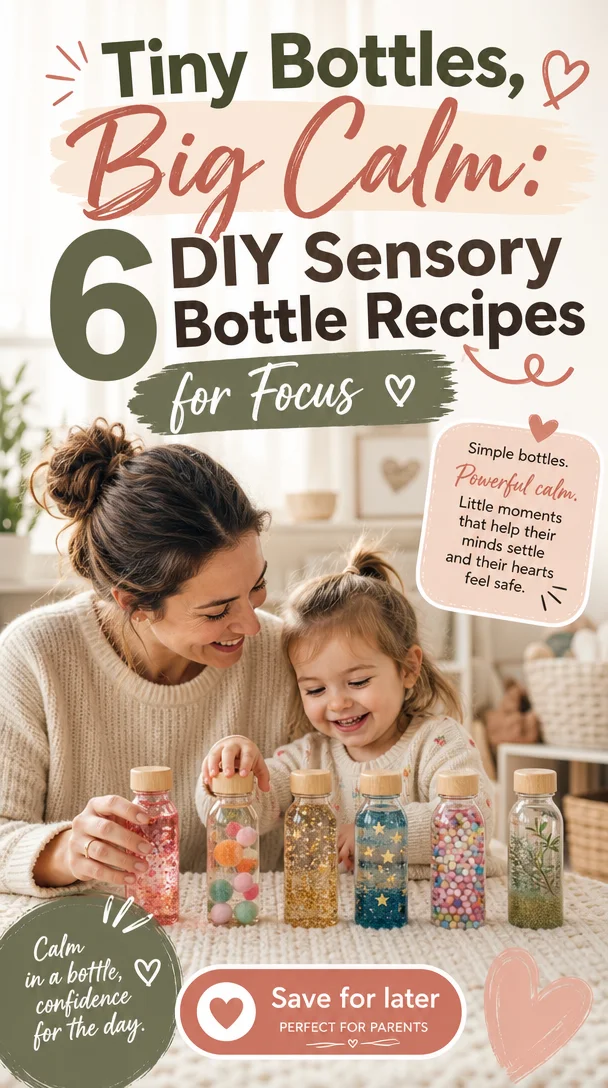
DIY Sensory Bottles: 6 Recipes for Calm & Focus
Meta Description
Discover 6 easy DIY Sensory Bottle recipes that turn toddler meltdowns into moments of zen. Create a calming play space using organic materials!
Introduction
As a parent, you know those overwhelming moments — the tears, the tantrums, the chaos. Sometimes, it feels like everything is spiraling out of control. During those times, wouldn’t it be a blessing to have a simple tool that helps your little one find calm and focus in the midst of the storm? Enter the magic of sensory bottles!
These delightful DIY creations not only captivate toddlers but also provide a sense of tranquility, helping them navigate big emotions. Whether your child struggles with meltdowns or just needs a moment of pause, sensory bottles can transform chaos into calm. Plus, they’re incredibly easy and fun to make! Let’s dive into six soothing recipes that you can whip up in no time.
Why Sensory Bottles?
Sensory bottles engage children’s senses and promote mindfulness. When kids focus on the movement of the contents inside, they can redirect their overwhelming feelings and find a moment of peace. By incorporating organic materials into these bottles, you create a safe and enriching environment that fosters creativity and exploration.
Let’s explore how you can craft these magical tools and make the most of sensory play!
1. Ocean Waves Sensory Bottle
What You Need:
- Clear plastic bottle with a lid
- Blue water
- Glitter or small fish toys
- Vegetable oil
Instructions:
- Fill the bottle about one-third with blue water.
- Add a sprinkle of glitter and a couple of small fish toys for that oceanic feel.
- Fill the rest of the bottle with vegetable oil to create a lovely contrast.
- Ensure the lid is tightly sealed (consider using some duct tape for extra security).
- Shake and watch your ocean waves come alive!
Actionable Tip:
Encourage your child to shake the bottle and describe what they see. Ask them questions like, “What do the fish feel like?” or “How does the water move?” This helps them express their thoughts and feelings.
2. Rainbow Colors Sensory Bottle
What You Need:
- Clear plastic bottle with a lid
- Warm water
- Food coloring (various colors)
- Small beads or pom poms
- Glitter
Instructions:
- Fill the bottle halfway with warm water.
- Add a few drops of food coloring; each color can represent a different emotion.
- Toss in some small beads or pom poms for texture.
- Top with glitter and fill with more warm water.
- Seal up the bottle and give it a shake!
Actionable Tip:
Use this bottle during emotions talks with your child. When they feel a strong emotion, ask them to pick a color that matches how they feel and talk about it together.
3. Calming Lavender Sensory Bottle
What You Need:
- Clear plastic bottle with a lid
- Water
- Lavender essential oil or dried lavender
- Blue or purple glitter
Instructions:
- Fill your bottle halfway with water.
- Add several drops of lavender essential oil or a teaspoon of dried lavender for scent.
- Sprinkle some blue or purple glitter in there for a touch of magic.
- Fill the rest of the bottle with water, seal it up, and give it a good shake.
Emotional Hook:
The calming scent of lavender can be just what your child needs after a tough day. Use this bottle before bedtime or nap time for a soothing routine.
4. Starry Night Sensory Bottle
What You Need:
- Clear plastic bottle with a lid
- Water
- Black or dark blue food coloring
- Star confetti or glow-in-the-dark stars
- Baby oil
Instructions:
- Fill the bottle one-third with water and add several drops of black or dark blue food coloring to create a night sky.
- Toss in star confetti or small glow-in-the-dark stars.
- Fill the rest with baby oil, which will slow down the movement of the stars.
- Seal the lid tightly and shake!
Helpful Examples:
This bottle is perfect for nighttime routines. When your child is anxious about going to sleep, show them how to shake it and watch the stars twinkle.
5. Sensory Rattle Bottle
What You Need:
- Clear plastic bottle with a lid
- Rice or pasta
- Assorted small objects (buttons, beads, or tiny toys)
Instructions:
- Fill the bottle about one-third with rice or pasta.
- Add a selection of small objects for a delightful rattle sound.
- Completely fill the bottle with more rice or pasta to the neck, then seal the lid.
Practical Parenting Advice:
Encourage your child to move the bottle around, creating sound and visual stimulation. Use this bottle during playdates or group activities to enhance interactions with peers.
6. Nature Time Sensory Bottle
What You Need:
- Clear plastic bottle with a lid
- Water
- Natural materials (small twigs, leaves, or flower petals)
- A few drops of natural food color (optional)
Instructions:
- Wet the twigs, leaves, and petals. Fill the bottle with these nature elements.
- Pour water to fill it up. Optionally add a drop of food coloring for a fun twist!
- Seal the lid securely — nature’s wonders are created to be cherished!
Engaging with Nature:
Take your little one on a nature walk to collect materials. Together, you can personalize this bottle, making it a cherished reminder of your adventure!
Encouraging Conclusions
In the whirlwind of parenting, creating calm and focus doesn’t need to feel daunting. By tapping into DIY sensory bottles, you not only contribute to your child’s emotional development but also strengthen your bond through shared activities. These recipes are simple, fun, and incredibly rewarding.
Remember, you’re doing a fantastic job! Parenting is not about being perfect; it’s about creating opportunities for connection and learning, even in the messiest moments. So gather your supplies, get creating, and watch as your home transforms into a hub of calm and creativity!
Ready to Dive Deeper?
Share your sensory bottle creations and let us know how your little ones responded! Don’t forget to check back for more wonderful parenting tips and tricks. You belong here, and we’re all in this together — one lovely moment at a time.
Optional FAQ Section
Q: How often should we use sensory bottles?
A: Feel free to integrate them into your routine whenever you sense big feelings brewing or simply during quiet playtime.
Q: Can I use other materials for the bottles?
A: Absolutely! Tailor these recipes based on what you have at home. The more personal the bottle, the more special it becomes to your child.
Q: What age is appropriate for sensory bottles?
A: Sensory bottles suit toddlers and older children alike! Just keep in mind any potential choking hazards with small objects for younger kids.
Make parenting feel lighter and more joyful with these simple sensory bottle recipes, and remember, every moment spent together counts! 🌼