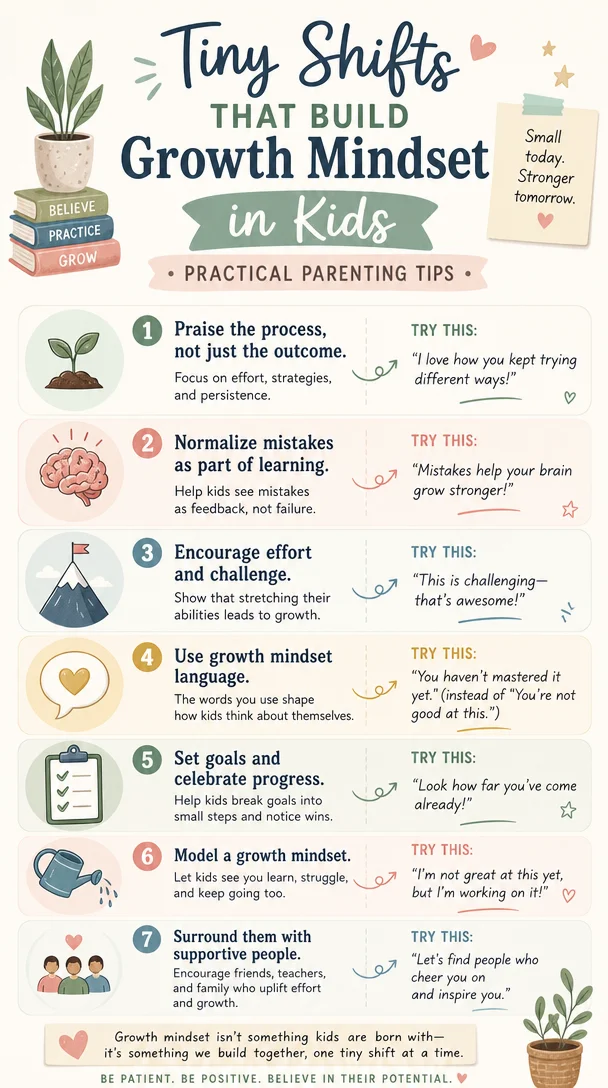
Parenting with a Growth Mindset: Gentle Tips for Raising Resilient Kids
Meta Description: Discover growth mindset parenting tips to raise happy, resilient kids. Transform parenting worries into confidence with these gentle, actionable strategies.
Introduction
As parents, we all want our children to thrive, don’t we? We dream of watching them grow into happy, resilient adults who can tackle challenges with confidence. But sometimes, it feels like we’re caught in the whirlwind of everyday parenting struggles, unsure of how to empower our little ones. If you’ve ever found yourself worrying that your child might adopt a “poor me” attitude or feel overwhelmed by setbacks, you’re not alone.
Imagine this: your child faces a challenging task, perhaps trying to tie their shoes for the first time. Instead of feeling defeated and ready to give up, they take a deep breath, gather their thoughts, and try again. Yes! That’s the essence of a growth mindset. This mindset doesn’t come naturally to everyone, but you can help nurture it. With a few gentle tweaks in how we respond to our children’s challenges, we can lead them toward resilience and happiness.
In this blog post, we’ll explore five simple changes you can make today to encourage a growth mindset in your kids. Let’s dive in and discover how we can empower our kids to embrace challenges and grow through their experiences!
Understanding the Growth Mindset
What is a Growth Mindset?
A growth mindset is the belief that abilities and intelligence can be developed through dedication and hard work. This understanding fosters a love for learning and resilience, making children more willing to take on challenges.
On the other hand, kids with a fixed mindset often feel trapped by their perceived limitations. They might think, “I can’t do this” or “I’m just not good at that.” By shifting our parenting approaches, we can guide our children toward a more adaptive mindset.
Why is it Important?
Raising children with a growth mindset can provide them with tools to navigate life’s ups and downs, from school assignments to friendship struggles. Children who embrace this mindset tend to bounce back from failures, demonstrate a greater passion for learning, and develop stronger emotional resilience.
Five Gentle Parenting Changes to Foster a Growth Mindset
Ready to make a difference? Here are five effective yet gentle changes you can incorporate into your parenting style that will help sow the seeds of a growth mindset in your little ones.
1. Shift the Focus from Failure to Learning
When our kids face obstacles, they often hear us react to failures or mistakes. Instead of asking, “What went wrong?” try reframing your conversations to emphasize learning.
Example: If your child didn’t score well on a quiz, say something like, “What did you learn from that quiz? Were there any questions that surprised you? Let’s revisit them together!”
Focusing on learning rather than simply the outcome conveys that it’s okay to stumble on the path to success. Remind them that mistakes are just stepping stones toward greater understanding.
2. Celebrate Efforts, Not Just Achievements
As parents, we become so proud the moment we witness our children achieving something great. Yet, it’s just as crucial to recognize the process they went through to get there. Celebrating effort instills a growth-oriented mindset.
Practical Tip: Create a family “effort chart” where you can jot down instances of persistence. Big or small, every effort counts! Whether your child tried a new sport or practiced reading aloud—all those attempts deserve recognition.
Every time you highlight their effort, you strengthen their belief that perseverance leads to success.
3. Model a Growth Mindset in Your Own Life
Children learn by observing us. When they see us challenge ourselves and embrace new experiences, they are more likely to do the same.
Example Conversation: Share your own struggles. If you’re learning to cook a new recipe, talk about the mistakes you’ve made and how you learned from them. You might say, “I burned dinner last night, but I figured out what went wrong. Next time, I’ll set a timer!”
By exposing them to your learning process, you grant permission for them to be a work in progress too.
4. Encourage Problem-Solving
When your child encounters a roadblock, resist the urge to swoop in and solve it for them. Instead, prompt them to brainstorm solutions. This practice not only boosts their problem-solving skills but also cultivates independence.
Helpful Technique: Use open-ended questions that guide them without giving away the answer. For example, ask, “What are some ways you think you could tackle this challenge? Have you tried anything different?”
Encouraging self-reflection provides them with a sense of agency and empowers them to find their own answers.
5. Foster Mindfulness and Self-Compassion
Teaching mindfulness helps children develop awareness of their thoughts and feelings, which plays a crucial role in fostering resilience. Mindfulness practices, such as deep breathing and meditation, can help your child stay centered when faced with challenges.
Quick Activity: Try a simple breathing exercise with your child. Sit together, close your eyes, and take ten deep breaths while counting together. This calm-down moment can build emotional awareness.
Coupling this with self-compassion means teaching them to be kind to themselves during tough situations. Remind them, “It’s okay to feel overwhelmed sometimes. What matters is how we choose to respond!”
Bringing It All Together: Actionable Tips
There you have it! Five gentle yet impactful strategies to help your children cultivate a growth mindset. Here’s a quick summary of actionable tips:
- Focus on Learning: Encourage conversations about what they learned from mistakes.
- Celebrate Efforts: Create an “effort chart” to track persistence and effort, not just results.
- Model Growth: Share your own challenges and learning experiences openly.
- Encourage Problem-Solving: Ask guiding questions to foster independence and critical thinking.
- Practice Mindfulness & Self-Compassion: Incorporate mindfulness exercises and encourage self-kindness when facing challenges.
Encouraging Conclusion
Navigating the beautiful chaos of parenting isn’t always easy, but you have the power to enrich your child’s life with these simple yet profound changes. Remember, cultivating a growth mindset in our children doesn’t happen overnight; it takes patience, empathy, and a sprinkle of persistence.
As you embark on this journey, remind yourself that small efforts will create lasting impacts. You’re paving the way for your children to embrace challenges, learn from setbacks, and ultimately grow into the resilient, happy adults you imagine.
So lean into these gentle parenting practices, and know that every little moment spent nurturing a growth mindset is a moment well invested. You’ve got this, and you’re not alone in this adventure. Here’s to raising a new generation of confident, resilient kids—one mindful moment at a time!
FAQ Section
Q: What is a growth mindset?
A: A growth mindset is the belief that abilities and intelligence can be developed through learning and effort.
Q: How can I encourage my child to have a growth mindset?
A: Use the strategies above—focus on learning from failures, celebrate efforts, model growth, encourage problem-solving, and foster mindfulness.
Q: Is it possible to change a child’s fixed mindset into a growth mindset?
A: Yes! By making small, consistent changes in how you respond to their challenges, you can help them develop a more resilient and adaptive mindset.