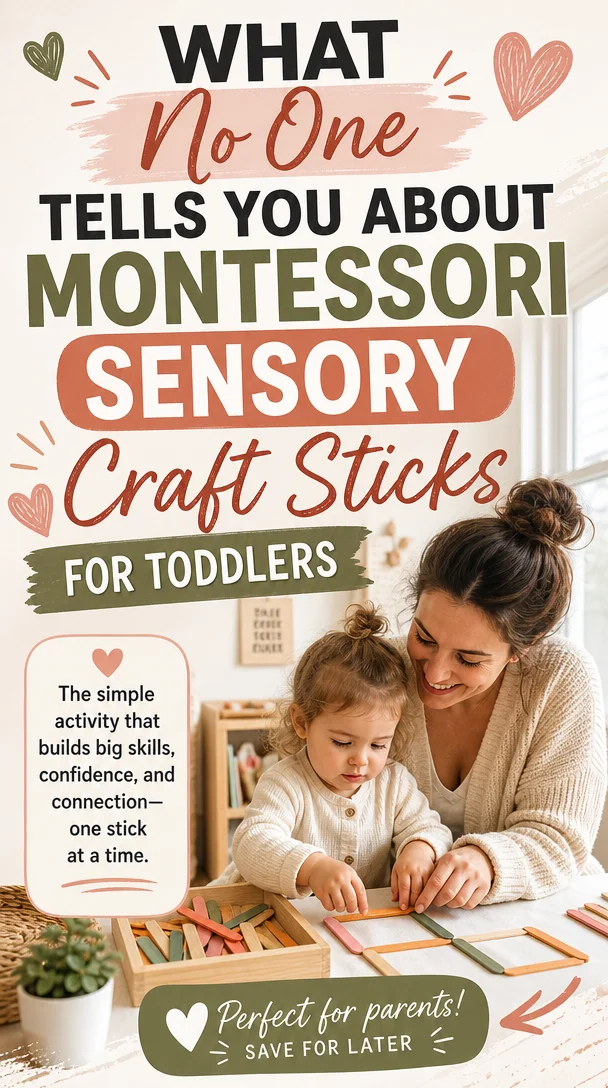
Montessori DIY Tactile Sensory Craft Sticks Toddler Activity
Meta Description
Create engaging and educational tactile sensory craft sticks with your toddler using this easy DIY guide, perfect for enhancing sensory exploration and development.
Introduction
Parenting comes with its own unique set of joys and challenges, doesn’t it? If you’re like me, some days you just want to create a warm, enriching environment for your little one while also finding moments of connection amidst the chaos. Today, I’ve got a fantastic activity for you that not only sparks creativity but also supports your child’s sensory exploration: DIY Tactile Sensory Craft Sticks.
Imagine your toddler sitting at the table, fully engaged with a selection of colorful, textured craft sticks, each one representing a new sensory adventure. With just a few materials, you can bring the Montessori method into your home in a way that feels natural and enjoyable. Let’s dive into this simple, engaging activity that not only builds fine motor skills but also nurtures your child’s curious mind.
What Are Tactile Sensory Craft Sticks?
Tactile sensory craft sticks are beautifully versatile tools used to explore textures and sensations. In the Montessori approach, sensory experiences are vital for a child’s development—they help little hands practice coordination and exploration while offering opportunities for imaginative play and learning.
Why Opt for a DIY Version?
Creating your own tactile sensory craft sticks means you can customize them to your toddler’s interests and developmental needs. Plus, using materials you already have at home makes this a budget-friendly and environmentally conscious choice. Let’s look at how you can get started!
How to Create Your Own Tactile Sensory Craft Sticks
Materials You’ll Need
- Craft sticks (popsicle sticks work great)
- Textured materials: Felt, sandpaper, fabric scraps, cotton balls, or textured wallpaper
- Glue: Non-toxic craft glue or a hot glue gun (with supervision)
- Markers or paint (optional for decoration)
- Small containers for organizing materials
Step-by-Step Instructions
Step 1: Gather Your Materials
Collect all your materials and set up a crafting station. You could even involve your toddler in picking out textures, fostering their ability to choose and express preferences.
Step 2: Prep Your Craft Sticks
Start by decorating your craft sticks with markers or paint if you wish. This adds a fun artistic flair! You can let your toddler get imaginative here, using colors that resonate with them.
Step 3: Apply the Textures
Now comes the exciting part. Choose a texture for each stick and apply it using glue. You can talk to your child about what they see and feel—encourage them to express their observations. For example, "How does the sandpaper feel?" or "Is this cotton soft or rough?"
Step 4: Let Them Dry
Once you’ve applied all the textures, set the sticks aside to let them dry completely. This could be a great time to chat about colors, shapes, and the various textures they’ve picked out!
Step 5: Play and Explore
Your tactile sensory craft sticks are now ready for exploration! Encourage your toddler to touch, feel, and describe the different textures. You can guide them through activities, like sorting the sticks by feel—“Which one feels the softest?”—or creating little games, like matching sticks with similar textures.
Expanding the Activity: Less Mess, More Fun
If you want to add more engaging aspects, consider these tips:
Create a Sensory Board
After making the craft sticks, how about turning them into a sensory board? Use a piece of cardboard or a small wooden board to attach various sticks, allowing your toddler to explore textures at different heights and angles.
Incorporate Movement
Create a mini scavenger hunt around your house where your child collects items that match the textures on your craft sticks—like a soft pillow, a smooth book cover, or a bumpy rock outside.
Encourage Language Development
As you play, take the time to describe textures and sensations. Use rich vocabulary words and ask your child open-ended questions, like, “How does this feel compared to this one?” This not only enhances language skills but also builds deeper connections with you.
Encouraging Inclusive Play
Montessori principles embrace independence and personal growth. Encourage your little one to show their creations to siblings or other family members, fostering social skills and inclusive play. This is where those beautiful bonds grow as they share findings and discoveries.
Helpful Tips for Success
-
Use what you have: Look around your home for materials you might repurpose for textures. Old magazines, fabrics, or even sponges can offer unique sensory experiences.
-
Mix textures: Combine rough with smooth, soft with hard, and colorful with muted materials. This diversity keeps things interesting and stimulates various senses.
-
Focus on the process: Remember, it’s about discovery and play, not perfection. Encourage your child to experiment and even mix textures on the same stick!
-
Stay engaged: Be present during the activity. Your involvement can transform this simple craft into a cherished bonding moment.
-
Keep it screen-free: Craft time promotes creativity and imagination, giving you and your toddler a refreshing break from screens.
Connecting Through Play: The Real Benefits
Activities like these do more than entertain—they strengthen emerging skills and nurture emotional development. By encouraging exploration and communication, you pave the way for your child to become more confident in discovering their environment.
Imagine the delight on your child’s face when they realize their ideas and choices lead to something fun! This kind of hands-on discovery cements essential life skills like problem-solving and creativity.
Concluding Thoughts: Parenting, One Moment at a Time
Being a parent is all about finding those little moments among the busy, chaotic days. When you dive into simple activities like DIY sensory craft sticks, you create cherished memories that last a lifetime. Remember, it’s perfectly okay if things don’t go perfectly as planned. Celebrate the great attempts and enjoy the experience—messy play is part of the journey!
So grab those craft sticks, gather your textures, and let the magic unfold! You’re doing wonderfully, even when it feels overwhelming. Embrace the imperfections and enjoy every precious moment with your little one. Remember, you’re not alone on this journey. You’ve got this!
FAQs
Q: What age is this activity suitable for?
A: This activity typically suits toddlers aged 18 months and older, but it can be adapted for younger kids with supervision.
Q: How often should we do sensory activities?
A: Feel free to incorporate sensory activities once or twice a week to keep the experiences fresh and engaging.
Q: Are there any safety considerations?
A: Always supervise toddlers during crafting to prevent any accidents with small materials.
Let’s continue weaving meaningful moments into your parenting journey, because every little touch counts!