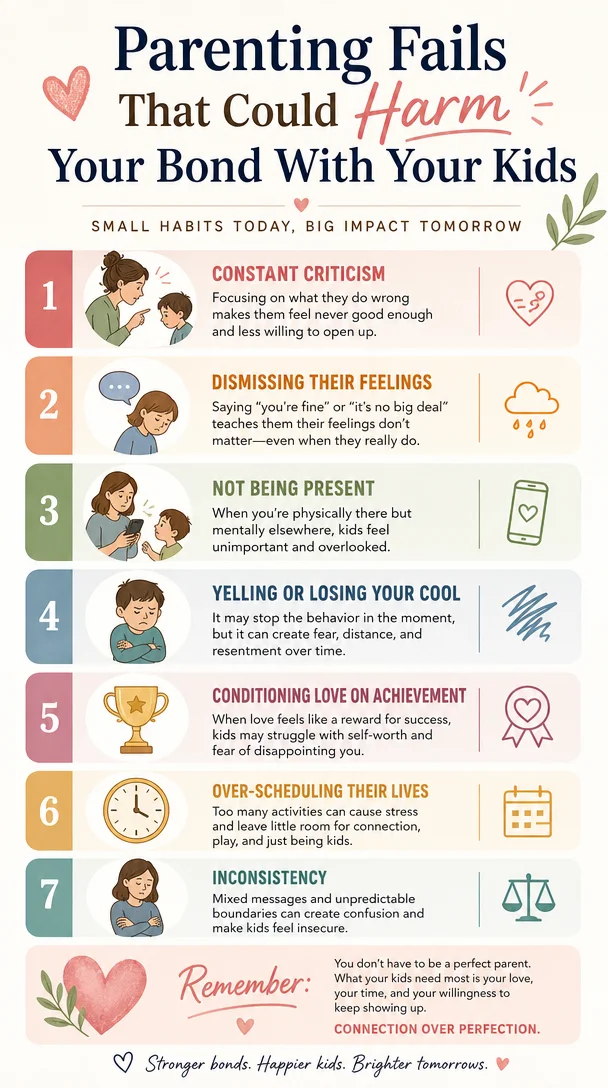
3 Parent Fails That Could Negatively Affect Your Relationship With Your Kids – Words From The Bird
Meta Description
Discover common parenting pitfalls that can impact your connection with your kids. Learn positive strategies for nurturing healthy relationships and emotional well-being.
Introduction
As parents, we wear many hats. From chef and chauffeur to cheerleader and hug dispenser, our daily lives overflow with responsibilities. Yet, amid the chaos, we sometimes stumble in ways that can affect our relationships with our little ones. Maybe you snapped at your toddler during a stressful moment or forgot to engage during family dinner. These “parent fails,” while common, can leave lasting impressions on our children’s emotional health and our bonds with them.
But don’t worry! We all make mistakes. What matters most is recognizing them and taking steps toward positive change. Let’s dive into three common parent fails that could negatively affect your relationship with your kids and explore practical tips to mend and strengthen those connections.
H2: Parenting Fail #1: Losing Your Temper
H3: The Impact of Anger
We all have those days where our patience runs thin. Perhaps it’s the third time you’ve asked your child to put their shoes on, or maybe they’ve decided that today is the day to test every boundary. In these moments, losing your temper might feel unavoidable. But have you considered the emotional toll it takes on your child?
When parents raise their voices, kids often feel scared, confused, or neglected. They might internalize those moments, feeling they’re not good enough. This can impact their self-esteem and shape their understanding of emotions for years to come.
H3: How to Navigate Anger
Instead of immediate outbursts, try these strategies:
-
Breathe Before You React: When you feel anger bubbling, take a moment to breathe deeply. This simple action can give you the space to choose a more measured response. For example, if your child won’t eat their vegetables, take a beat, and say, “I feel frustrated, but let’s talk about why veggies are important.”
-
Model Emotional Regulation: Show your child how to express feelings healthily. Instead of snapping, consider saying, “I’m feeling really irritated right now, can we find a solution together?” By modeling emotion regulation, you teach your kids how to handle their feelings.
-
Use “I” Statements: When things get tense, using “I” statements can help keep the dialogue open and constructive. For example, instead of saying, “You never listen!” try, “I feel unheard when you don’t respond to my requests.”
H3: Engaging with Your Little Ones
When you find yourself feeling calmer, take some time to re-connect. Schedule regular family meetings or one-on-one time to discuss feelings and experiences, making sure to create a judgment-free space. Encourage your kids to share their thoughts with prompts like:
- “What was the best part of your day?”
- “How did you feel during that activity?”
H2: Parenting Fail #2: Overemphasizing Perfection
H3: The Pressure of Perfect Parenting
In today’s fast-paced digital world, it’s easy to feel the pressure to be the “perfect parent.” Do you scroll through social media and feel like you’re constantly falling short in comparisons? It’s tempting to strive for perfection, but this can create a cycle of stress, both for you and your child.
Children need to see that everyone makes mistakes and that it’s okay to learn from them. When they sense that perfection is the expectation, they may develop anxiety around disappointing you or avoid challenges altogether.
H3: Embracing Imperfection
Shift your mindset with these actionable steps:
-
Celebrate Small Wins: Recognize and affirm the little steps your child takes every day. Did they tie their shoes for the first time? Celebrate it! Acknowledgment plants seeds of confidence.
-
Share Your Own Mistakes: Openly discuss your mistakes with your children to create an environment where they feel safe to express their feelings. If you accidentally burn dinner, use it as a moment to highlight the beauty of trying new recipes and laughing it off together.
-
Create a “Mistakes Wall”: Turn your home into a reminder of growth by creating a wall where everyone can post their mistakes and learnings. The goal? To normalize the learning process. You could include sayings like, “Every mistake is a step toward success!”
H3: Encouraging Open Dialogue
Let your kids express their struggles without fear of judgment. Use conversation starters like:
- “What do you think is the funniest mistake you’ve made?”
- “Is there something you’re afraid to try? Let’s tackle it together!”
H2: Parenting Fail #3: Neglecting Emotional Needs
H3: Understanding Emotional Needs
Many parents unintentionally prioritize physical needs (like meals and bedtimes) over emotional ones. Children crave connection, affection, and validation. Ignoring their emotional needs can lead to feelings of isolation or lower self-worth.
H3: Tending to Emotional Needs
Foster emotional well-being with these strategies:
-
Dedicate Daily Connection Time: Make it a priority to carve out time each day for deep connection with your child. This could be as simple as a 10-minute chat during bedtime or an afternoon walk.
-
Ask Open-Ended Questions: Encourage your child to express their feelings. Questions like, “How did that make you feel?” or “What was the hardest part of your week?” can promote dialogue that strengthens bonds.
-
Use Positive Reinforcement: Offer praise for emotional expression. If your child shares something that’s troubling them, acknowledge their courage with phrases like, “I appreciate you sharing that with me; it’s important.”
H3: Creating an Emotionally Safe Space
To foster emotional safety, promote an atmosphere of empathy. Allow your kids to speak openly without interruptions. Show they can trust you with their feelings by responding thoughtfully and compassionately.
Encouraging Conclusion
Parenting is undeniably messy, and we all encounter moments where we could do better. The important thing is recognizing these pitfalls and taking steps to reshape our responses as we nurture our little ones. Remember, you’re doing the best you can, and every small change you make helps foster a loving, supportive environment for your kids.
Create connections through communication, embrace imperfections, and always strive to meet your child’s emotional needs. You’re not just raising kids; you’re cultivating a bond that will last a lifetime. So, let’s lean into this journey together, finding joy in the little moments, and above all, know that you are not alone in this adventure.
Let’s celebrate the beauty of imperfection and the magic of connection—one day at a time!