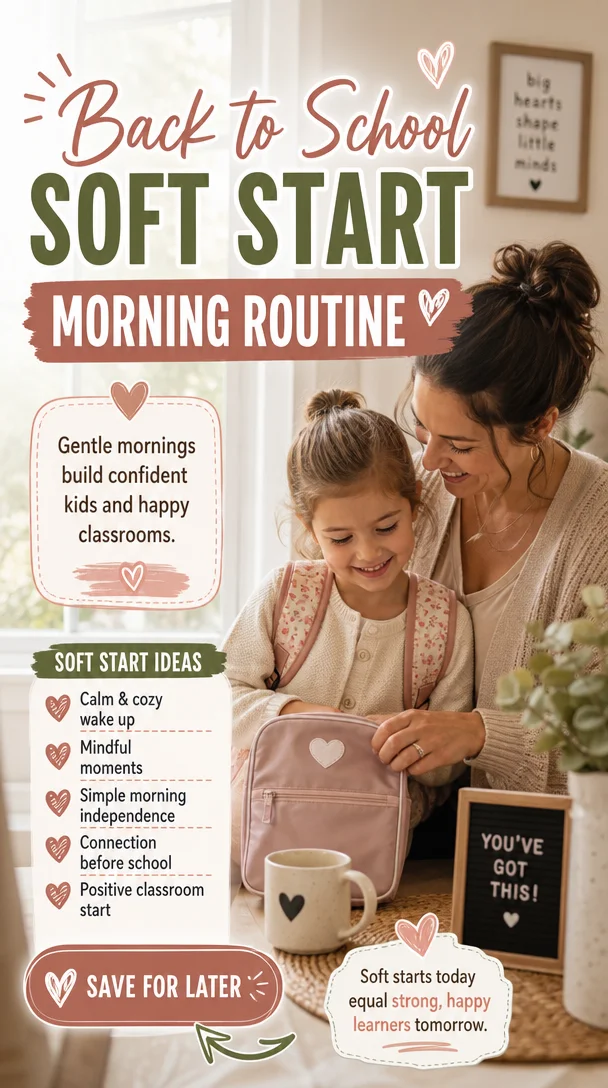
Back to School Soft Start Morning Routine | Soft start ideas, Soft starts in the classroom 1st grade, Classroom morning routine
Back to School Soft Start Morning Routine: Easing Into a Joyful Day
Meta Description
Discover how a Soft Start morning routine can transform your child’s school day into a smooth and joyful experience. Tips, activities, and routines inside!
Introduction
Back-to-school season often feels like a whirlwind, doesn’t it? As summer fades, we find ourselves grappling with early wake-ups, packed lunchboxes, and the lingering nerves that come with a new school year. If you’re like me, you want your child to step into the classroom feeling confident and ready to learn, rather than overwhelmed and anxious.
That’s where a Soft Start morning routine can work its magic! Imagine your little one entering the classroom, greeted by friendly faces and engaging activities that nurture curiosity and social connections. Sounds lovely, right? Let’s explore how implementing a Soft Start not only helps ease your child into the school day but also empowers them to thrive.
What is a Soft Start?
At its core, a Soft Start is an intentional approach to transitioning children into their school day. Lasting between five to twenty minutes, this brief window focuses on engaging activities rather than heavy academic tasks. The thought behind this? Children thrive when they have the opportunity to connect with peers and nurture their social and emotional well-being before diving into academics.
Why is a Soft Start Important?
Have you ever noticed your child’s eyes glaze over when faced with a complex worksheet right when they walk into class? Starting the day with expectations that feel overwhelming can set a stressful tone for the hours ahead. Conversely, a Soft Start invites kids to ease into learning by engaging in conversation and activities geared towards connection and exploration.
Incorporating a Soft Start in the classroom can help:
- Reduce anxiety.
- Foster friendships.
- Ease the transition from home to school.
Creating a Soft Start Morning Routine
The Classroom Setup
Setting up a cozy space for your child’s Soft Start can transform the beginning of their school day. Here are some elements to consider in your classroom:
1. Activity Tubs
Prepare engaging activity tubs filled with various materials. Aim for a mix of calming and stimulating tasks, such as:
- Puzzles
- Art supplies (crayons, markers, paper)
- Sensory bins with rice or sand
- Building blocks or LEGO
Example: One morning, set up a tub with clay and tools for sculpting. Kids can create mini monsters or their favorite animals while chatting about summer adventures.
2. Soft Start Expectation Posters
Visual aids can help kids understand the routine. Create a bright and cheerful poster outlining what they can expect during the Soft Start. Include:
- Activity expectations.
- Guidelines for communication (raising hands, sharing space).
- Encouraging reminders.
3. Journaling Templates
Introduce a Soft Start journaling template for kids who want to express their thoughts or illustrate their feelings about returning to school.
Sample Soft Start Activities
Every classroom can benefit from a set of flexible activity ideas to inspire connection, creativity, and collaboration. Here are six fun activities you can easily integrate into your Soft Start routine:
1. Friendship Circle
Bring kids together in a circle on the carpet. Prompt them with questions about their summer, favorite games, or goals for the school year. This creates a warm community feel.
Tip: Encourage sharing with conversation starters such as "What was the best book you read this summer?"
2. Mini Art Gallery
Set up an art station where students can create mini artworks. After the time is up, display their creations around the room or in the hallways. Letting kids feel proud of their artistic expressions boosts confidence.
3. Group Games
Engage children with simple group games, like “Simon Says” or “Duck, Duck, Goose.” These playful activities promote laughter and ease any nerves.
4. Morning Mindfulness
A few moments of mindfulness can be incredibly refreshing. Lead the students in deep breathing or a simple meditation exercise to start the day with focus.
5. Storytime Sharing
Read a few pages from a fun book and encourage kids to discuss their favorite parts. Allow them to connect storytelling with personal experiences.
6. Mystery Box of Wonders
Fill a box with intriguing items (a feather, a magnifying glass, a small globe). Have students draw items, discuss their significance, or ask questions.
Supply List for a Successful Soft Start
Here’s a quick supply list with links to help you get started on your Soft Start journey:
- Activity Tubs: Order here
- Crayons and Markers: Try these
- Sensory Bin Materials: Shop here
- Art Supplies: Find them here
- Journaling Templates: Download now
Actionable Tips for Parents
As a parent, you play a pivotal role in preparing your child for a smooth transition back to school. Here are some actionable tips to boost that Soft Start experience at home:
Morning Preparation
-
Start Gradually: A few days before school begins, ease your child into waking up earlier. Gradually shifting bedtime will help them feel more rested.
-
Create a Morning Playlist: Curate a short playlist of cheerful songs to energize your morning routine. It can work wonders in setting a positive tone.
-
Pre-Pack Lunches: Set up a lunch-making station together, allowing your child to pick their favorite fruits and snacks for school.
-
Set Expectations: Talk about what a Soft Start means, explaining how they will spend their first moments in the classroom engaging in exciting activities with classmates.
Establishing a Routine
Building a routine at home can enhance your child’s experience. Consider these tips to help foster consistency:
-
Create a Morning Visual Schedule: Use pictures with brief descriptions, making it easier for younger children to understand what to expect.
-
Incorporate a Quick Check-in: Take a moment for a brief chat over breakfast about how they’re feeling about returning to school. Offer reassurance that you’re there for them.
-
Teach Independence: Encourage your child to pick out their clothes or pack their backpack to foster independence and ownership of their routine.
Encourage Reflection
A little reflection can go a long way. Encourage your child to share their thoughts about the Soft Start once they return home:
-
Ask open-ended questions like, “What did you enjoy today?” or “Who did you play with during the Soft Start?”
-
Fostering an environment for your child to express their feelings builds their confidence and helps you stay connected.
Conclusion: Celebrate Every Moment
As you embark on this back-to-school journey, remember that it’s okay to feel a mix of emotions. Embracing a Soft Start morning routine can ease the transition and foster an environment where your child feels secure and excited to learn.
Allow every little moment—a shared giggle, a creative art piece, or a simple conversation—to be a reason to celebrate. You are doing an incredible job, and every small change matters. Parenting doesn’t come with a perfect handbook; it’s about finding what works best for your family and enjoying the beautiful, messy ride.
So here’s to gentle mornings, delightful connections, and the magical moments that make up our wonderful parenting journey. You’ve got this!
Optional FAQ Section
Q: How long should a Soft Start ideally last?
A: A Soft Start can last anywhere from five to twenty minutes, depending on your classroom setup and children’s needs.
Q: Can I incorporate a Soft Start at home?
A: Absolutely! Use similar activities and routines to ease your child into their day before heading to school.
Q: How can I get my child excited about school again?
A: Engage them in conversations about what they are looking forward to and create rituals surrounding school mornings. It can be as simple as making their favorite breakfast together or sharing daily highlights.
This blog post provides a comprehensive guide to implementing a Soft Start morning routine as an effective way to support children during their back-to-school transition. It embraces the emotional facets of parenting while offering practical tips for everyday use. Happy parenting!