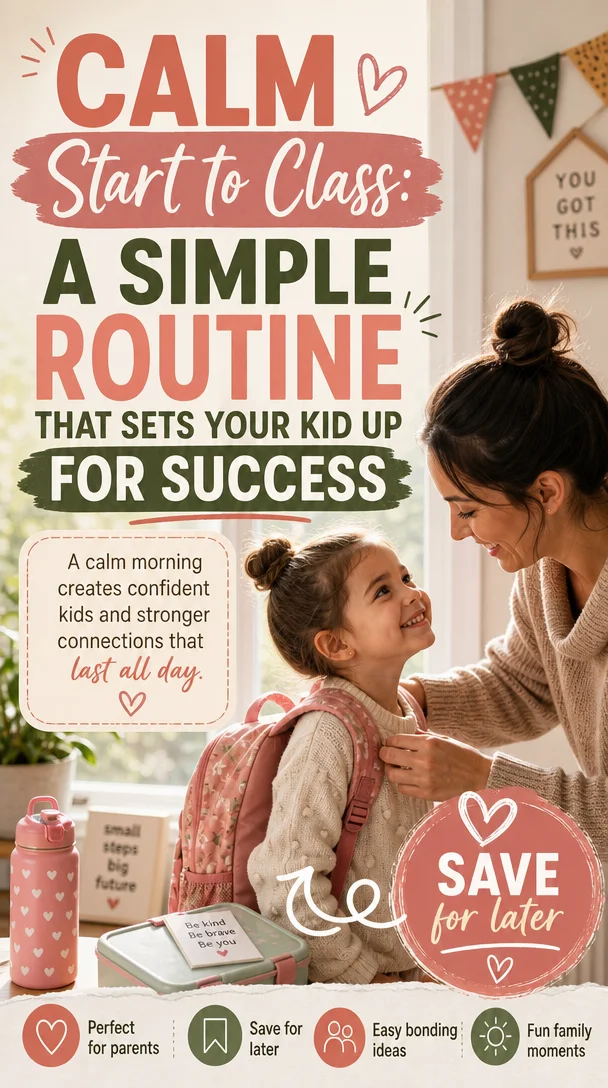
Calm Start to Class: A Simple Routine That Sets Your Kid Up for Success
Soft Start Routines: Your Secret Weapon for a Calmer Family Life
Meta Description: Learn how a soft start routine can transform your family’s mornings and make your day easier! Discover practical tips for a smoother, happier home.
Parenting sometimes feels like a wild roller coaster, doesn’t it? One moment, your little ones are giggling as they chase each other around the living room, and the next, they’re tangled in a full-blown meltdown because you forgot to pack their favorite snack. As a mom, I know that chaotic mornings often set the tone for the entire day. But what if I told you there’s a simple strategy that could help ease that chaos? Enter: the soft start routine!
Imagine this: you wake up, and instead of the usual rush of breakfast-making, shoe-hunting, and trying to locate that elusive backpack, you and your kids ease into the day together. A soft start routine can create that magical environment. Let’s explore what a soft start routine is, why it can make a difference in your parenting journey, and how to implement it in your busy life!
What is a Soft Start Routine?
A soft start routine gently ushers in the day, allowing everyone to wake up gradually without the usual overwhelm. Think of it as a cozy, nurturing way to transition from sleep to activity. Instead of the harsh jolt of “Get up! We’re late!” you offer your kids a blend of calmness and intentionality.
This routine can vary significantly from family to family, but common elements often include quiet activities like reading, stretching together, or having breakfast in a relaxed environment. By including these intentional moments, you soften the edges of your busy life and make mornings a bit brighter.
Why a Soft Start Routine Works
1. Provides Emotional Security
Kids thrive on routine. When they know what to expect, they feel safe. A soft start routine builds this sense of predictability, easing their worries and setting a positive emotional tone for the day.
2. Reduces Stress for Everyone
By avoiding the frantic pace of typical mornings, you create a more peaceful environment that benefits both you and your children. This calming influence helps reduce stress levels, making it easier for everyone to face the day ahead.
3. Encourages Connection
These moments can foster connection and communication among family members. Whether it’s sharing a laugh over breakfast or a quiet cuddle while reading, you strengthen your family bonds right from the start.
How to Create a Soft Start Routine
Ready to craft your soft start routine? Here’s how to get going in a way that feels comfortable and attainable.
1. Plan Ahead
Start by identifying what times work best for your family. Consider how long you want the routine to last—15, 30, or even 60 minutes—and plan for your family’s unique needs. Do you have younger kids who are up with the sun? Or maybe teenagers who love to hit the snooze button? Adjust your soft start timing to fit!
2. Make a List of Activities
Gather ideas that resonate with your family. Here are some suggestions to get you started:
- Quiet Reading Time: Set up a cozy reading nook where everyone can grab their favorite books.
- Stretching/Yoga: Engage in gentle stretches together or follow an online kids’ yoga video. It’s a fun way to wake up those little bodies!
- Nature Walk: If the weather permits, step outside for a brief stroll. Fresh air does wonders!
- Mindfulness: Spend a few moments practicing breathing exercises or meditation. Apps like Headspace offer kid-friendly versions that can work wonders.
3. Set Up a Comfortable Space
Create an inviting atmosphere that signals "time to unwind." Dim the lights, put on some soft music, or light a scented candle to enhance the mood. A little setup goes a long way in making it feel special!
4. Involve Your Kids in the Routine
Let your children have a say in what activities make the cut. This involvement not only gives them a voice but also encourages cooperation. Plus, it adds an element of excitement that a “normal” routine often lacks.
5. Stick With It (But Stay Flexible)
Consistency is crucial for the soft start routine to become a habit. Try to do it most mornings, but life sometimes throws curveballs. Be open to making adjustments based on everyone’s moods, schedules, or unexpected events.
Example Soft Start Routines to Try
Routine #1: The Cozy Morning
- Time: 30 minutes before breakfast
- 8:00 AM: Gather in the living room with pillows and blankets
- 8:05 AM: Read books together or listen to an audiobook
- 8:20 AM: Stretch with gentle movements
- 8:30 AM: Prepare breakfast as a family, sharing hopes for the day
Routine #2: The Nature Connection
- Time: 20 minutes before breakfast
- 8:00 AM: Leave the house for a short walk in the yard or local park
- 8:15 AM: Come home and have breakfast together, sharing one favorite moment from the walk
Routine #3: The Mindful Morning
- Time: 15 minutes before breakfast
- 8:00 AM: Begin with a few minutes of deep breathing
- 8:05 AM: Share what you’re grateful for or ideas for the day ahead
- 8:10 AM: Transition into breakfast preparation with music playing softly
Practical Tips to Enhance Your Soft Start Routine
- Avoid Screens Immediately: Limit electronic distractions to help focus on family interaction.
- Keep it Simple: Choose activities that require minimal setup and cleanup.
- Be Present: Engage with your children during these moments. Put down your phone and fully commit to the experience.
- Celebrate Progress: Acknowledge small wins and improvements, like enjoying breakfast together without rushing or arguing.
Common Challenges and How to Overcome Them
1. Resistance to Change
Kids often resist changes to their routine. If your family finds the soft start routine challenging, remind them gently of its benefits. You might say, “I really enjoy our quiet time together in the mornings; it helps me feel ready for the day!”
2. Time Crunch
If mornings get too busy, consider adjusting your start time even if it means waking up 10 minutes earlier. Alternatively, try the routine on weekends for a more relaxed experience.
3. Distractions from Siblings
When one child can’t help but create chaos, encourage teamwork. You might say, “How about we all help each other stay quiet while we read for a few minutes?”
Encouraging Conclusion: You’ve Got This!
In the end, remember that parenting doesn’t come with a perfect blueprint. Embracing a soft start routine is just one way to foster a gentler family life amidst the chaos. You and your kids bond, build emotional resilience, and encourage each other through shared experiences.
You don’t need to pull everything together perfectly every day. Instead, embrace those little moments and find joy in being present. Each morning can be a little piece of magic when you give your family this kind of emotional support.
So, take a deep breath, enjoy your cozy time together, and watch how your family’s mornings transform, one gentle step at a time. You’re doing amazing things, and your efforts to create a nurturing start today will pay off in happier tomorrows.
Let’s hear from you! Have you tried implementing a soft start routine? Share your tips with us in the comments—let’s support each other in this beautiful, messy adventure called parenting!
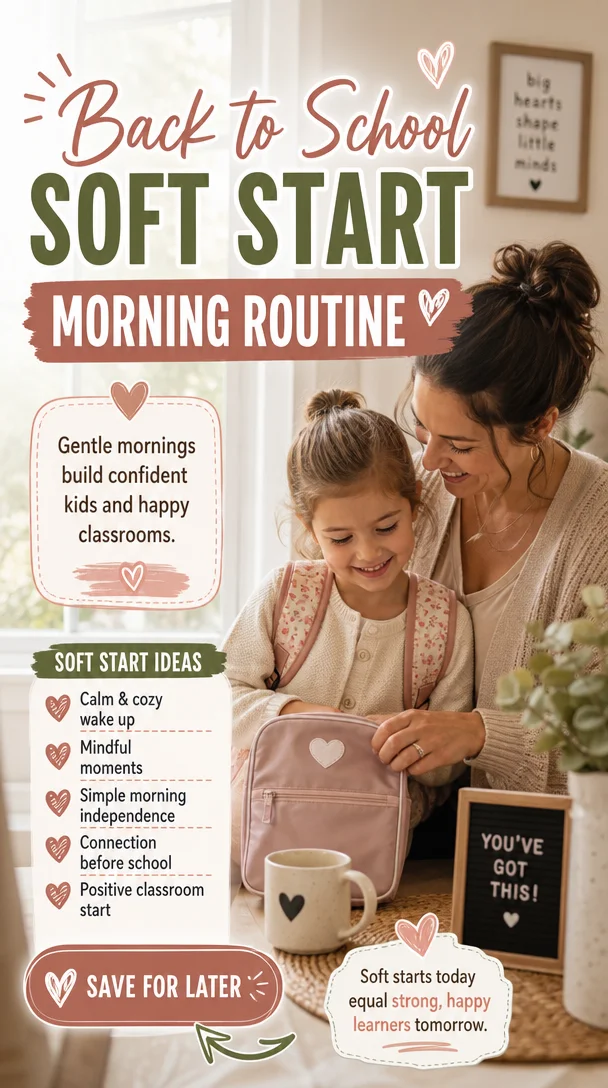
Back to School Soft Start Morning Routine | Soft start ideas, Soft starts in the classroom 1st grade, Classroom morning routine
Back to School Soft Start Morning Routine: Easing Into a Joyful Day
Meta Description
Discover how a Soft Start morning routine can transform your child’s school day into a smooth and joyful experience. Tips, activities, and routines inside!
Introduction
Back-to-school season often feels like a whirlwind, doesn’t it? As summer fades, we find ourselves grappling with early wake-ups, packed lunchboxes, and the lingering nerves that come with a new school year. If you’re like me, you want your child to step into the classroom feeling confident and ready to learn, rather than overwhelmed and anxious.
That’s where a Soft Start morning routine can work its magic! Imagine your little one entering the classroom, greeted by friendly faces and engaging activities that nurture curiosity and social connections. Sounds lovely, right? Let’s explore how implementing a Soft Start not only helps ease your child into the school day but also empowers them to thrive.
What is a Soft Start?
At its core, a Soft Start is an intentional approach to transitioning children into their school day. Lasting between five to twenty minutes, this brief window focuses on engaging activities rather than heavy academic tasks. The thought behind this? Children thrive when they have the opportunity to connect with peers and nurture their social and emotional well-being before diving into academics.
Why is a Soft Start Important?
Have you ever noticed your child’s eyes glaze over when faced with a complex worksheet right when they walk into class? Starting the day with expectations that feel overwhelming can set a stressful tone for the hours ahead. Conversely, a Soft Start invites kids to ease into learning by engaging in conversation and activities geared towards connection and exploration.
Incorporating a Soft Start in the classroom can help:
- Reduce anxiety.
- Foster friendships.
- Ease the transition from home to school.
Creating a Soft Start Morning Routine
The Classroom Setup
Setting up a cozy space for your child’s Soft Start can transform the beginning of their school day. Here are some elements to consider in your classroom:
1. Activity Tubs
Prepare engaging activity tubs filled with various materials. Aim for a mix of calming and stimulating tasks, such as:
- Puzzles
- Art supplies (crayons, markers, paper)
- Sensory bins with rice or sand
- Building blocks or LEGO
Example: One morning, set up a tub with clay and tools for sculpting. Kids can create mini monsters or their favorite animals while chatting about summer adventures.
2. Soft Start Expectation Posters
Visual aids can help kids understand the routine. Create a bright and cheerful poster outlining what they can expect during the Soft Start. Include:
- Activity expectations.
- Guidelines for communication (raising hands, sharing space).
- Encouraging reminders.
3. Journaling Templates
Introduce a Soft Start journaling template for kids who want to express their thoughts or illustrate their feelings about returning to school.
Sample Soft Start Activities
Every classroom can benefit from a set of flexible activity ideas to inspire connection, creativity, and collaboration. Here are six fun activities you can easily integrate into your Soft Start routine:
1. Friendship Circle
Bring kids together in a circle on the carpet. Prompt them with questions about their summer, favorite games, or goals for the school year. This creates a warm community feel.
Tip: Encourage sharing with conversation starters such as "What was the best book you read this summer?"
2. Mini Art Gallery
Set up an art station where students can create mini artworks. After the time is up, display their creations around the room or in the hallways. Letting kids feel proud of their artistic expressions boosts confidence.
3. Group Games
Engage children with simple group games, like “Simon Says” or “Duck, Duck, Goose.” These playful activities promote laughter and ease any nerves.
4. Morning Mindfulness
A few moments of mindfulness can be incredibly refreshing. Lead the students in deep breathing or a simple meditation exercise to start the day with focus.
5. Storytime Sharing
Read a few pages from a fun book and encourage kids to discuss their favorite parts. Allow them to connect storytelling with personal experiences.
6. Mystery Box of Wonders
Fill a box with intriguing items (a feather, a magnifying glass, a small globe). Have students draw items, discuss their significance, or ask questions.
Supply List for a Successful Soft Start
Here’s a quick supply list with links to help you get started on your Soft Start journey:
- Activity Tubs: Order here
- Crayons and Markers: Try these
- Sensory Bin Materials: Shop here
- Art Supplies: Find them here
- Journaling Templates: Download now
Actionable Tips for Parents
As a parent, you play a pivotal role in preparing your child for a smooth transition back to school. Here are some actionable tips to boost that Soft Start experience at home:
Morning Preparation
-
Start Gradually: A few days before school begins, ease your child into waking up earlier. Gradually shifting bedtime will help them feel more rested.
-
Create a Morning Playlist: Curate a short playlist of cheerful songs to energize your morning routine. It can work wonders in setting a positive tone.
-
Pre-Pack Lunches: Set up a lunch-making station together, allowing your child to pick their favorite fruits and snacks for school.
-
Set Expectations: Talk about what a Soft Start means, explaining how they will spend their first moments in the classroom engaging in exciting activities with classmates.
Establishing a Routine
Building a routine at home can enhance your child’s experience. Consider these tips to help foster consistency:
-
Create a Morning Visual Schedule: Use pictures with brief descriptions, making it easier for younger children to understand what to expect.
-
Incorporate a Quick Check-in: Take a moment for a brief chat over breakfast about how they’re feeling about returning to school. Offer reassurance that you’re there for them.
-
Teach Independence: Encourage your child to pick out their clothes or pack their backpack to foster independence and ownership of their routine.
Encourage Reflection
A little reflection can go a long way. Encourage your child to share their thoughts about the Soft Start once they return home:
-
Ask open-ended questions like, “What did you enjoy today?” or “Who did you play with during the Soft Start?”
-
Fostering an environment for your child to express their feelings builds their confidence and helps you stay connected.
Conclusion: Celebrate Every Moment
As you embark on this back-to-school journey, remember that it’s okay to feel a mix of emotions. Embracing a Soft Start morning routine can ease the transition and foster an environment where your child feels secure and excited to learn.
Allow every little moment—a shared giggle, a creative art piece, or a simple conversation—to be a reason to celebrate. You are doing an incredible job, and every small change matters. Parenting doesn’t come with a perfect handbook; it’s about finding what works best for your family and enjoying the beautiful, messy ride.
So here’s to gentle mornings, delightful connections, and the magical moments that make up our wonderful parenting journey. You’ve got this!
Optional FAQ Section
Q: How long should a Soft Start ideally last?
A: A Soft Start can last anywhere from five to twenty minutes, depending on your classroom setup and children’s needs.
Q: Can I incorporate a Soft Start at home?
A: Absolutely! Use similar activities and routines to ease your child into their day before heading to school.
Q: How can I get my child excited about school again?
A: Engage them in conversations about what they are looking forward to and create rituals surrounding school mornings. It can be as simple as making their favorite breakfast together or sharing daily highlights.
This blog post provides a comprehensive guide to implementing a Soft Start morning routine as an effective way to support children during their back-to-school transition. It embraces the emotional facets of parenting while offering practical tips for everyday use. Happy parenting!
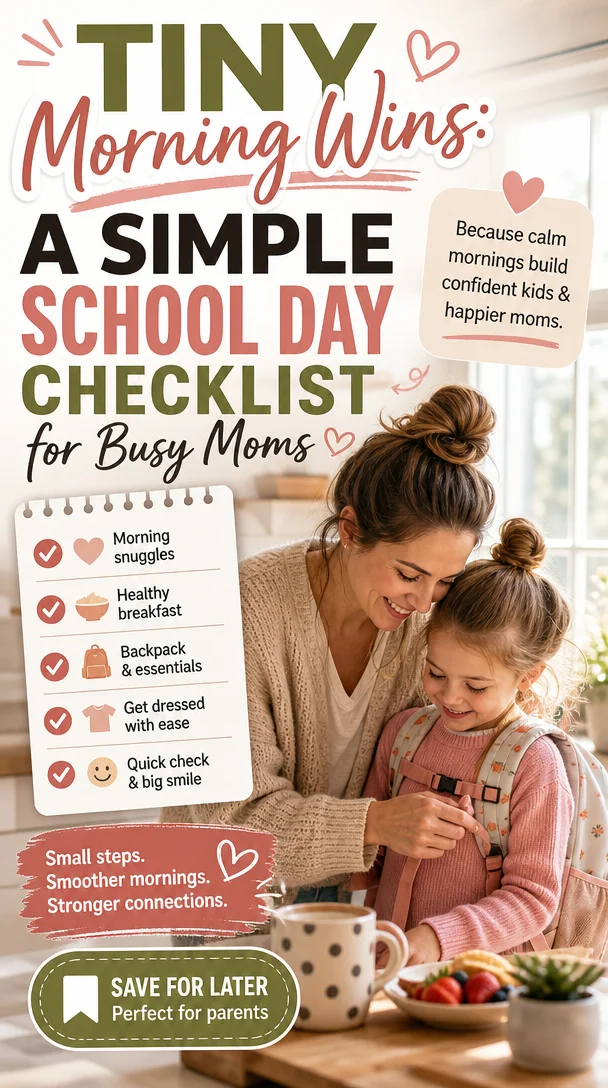
Tiny Morning Wins: A Simple School Day Checklist for Busy Moms
Stay Organized with Our School Day Checklist: A Parent’s Best Friend
Meta Description: Discover how our customizable school day checklist makes organizing your child’s routine simple and fun. Say goodbye to chaos and hello to smooth mornings and evenings!
As a parent, you know the struggle of juggling endless tasks while trying to ensure your child stays organized throughout their school day. Mornings feel like a race against the clock, and evenings often blend into chaotic homework or after-school activities. But what if I told you that a little planning could pave the way for smoother days?
Welcome to the Little Life Society! Here, we believe in celebrating the small victories, and keeping your family’s routines manageable is a big win. Let’s dive into how our customizable school day checklist can transform your approach to organization, bringing calm to the chaos one item at a time.
The Beauty of Organization
How does a school day checklist make a difference? Well, think of it as a supportive friend reminding you and your child of the important tasks ahead. Here’s what you can expect:
- Clear Structure: A straightforward layout that guides you through mornings, afternoons, and evening routines.
- Customizable Fun: Edit it according to your family’s needs, adding personal touches that get your child excited.
- Engagement and Responsibility: Involving your child in the checklist keeps them invested in their routine.
Let’s get you started!
What You’ll Get with the School Day Checklist
Our beautifully designed printable checklist comes equipped with essential sections, neatly guiding you through your school day:
Before School
This morning section supports your child as they go from sleepy-eyed to school-ready. Here are some tasks you might include:
- Wake Up & Freshen Up: Kids thrive on routine, so a gentle nudge followed by washing their face, brushing teeth, and getting dressed will set a positive tone.
- Healthy Breakfast: Encourage a nutritious morning meal. Maybe it’s oatmeal, fruit, or a smoothie—whatever works best for your family!
- Gather School Supplies: Have your child double-check their backpack. Are all homework and supplies there? This routine fosters independence!
After School
Post-school can be a whirlwind of energy. It’s essential to harness that energy positively. Here’s how your checklist can help:
- Unwind Time: Allow some downtime after school. A few minutes of relaxation or a quick snack can work wonders!
- Homework Routine: Designate a calm workspace for homework. Involve your child in deciding when they should tackle which subjects.
- Chores & Responsibilities: Teach responsibility by including small chores. It could be tidying up their room or helping prepare dinner.
Bedtime
Evenings should wind down smoothly for everyone involved. Consider these tasks on your checklist:
- Evening Wind-Down: Create a calming bedtime routine. It may include bath time, reading a book, or snuggling together.
- Prepare for Tomorrow: Lay out clothes and pack school bags for the next day. This routine will make mornings less stressful.
- Reflect and Connect: Encourage a little reflection time. Ask your child about their favorite part of the day or something new they learned.
Customization Made Easy
You might wonder, “How can I make this checklist work best for my family?” The good news? Our checklist is easy to customize using Canva!
- Edit the Text: Change reminders to better suit your child’s daily activities.
- Choose Fun Colors: Brighten up the design with your child’s favorite colors and fonts.
- Add Images: Fun illustrations or personal photos make it visually appealing and engaging for your child.
To get started, create a free Canva account, download the template, and make it uniquely yours!
Helpful Tips and Examples
Let’s be real: parenting in today’s fast-paced world isn’t perfect, and sometimes it might feel overwhelming. But with a reliable checklist, you can nurture organization and rhythm during the school week. Here are a few additional tips:
Morning Motivation
- Create a “Rise & Shine” Playlist: Play cheerful music in the mornings. Music can uplift everyone’s mood, making it easier to get moving.
- Reward System: Introduce a sticker chart for successfully following the checklist. Small rewards can boost motivation.
After School Engagement
- Homework Buddy: Consider having family homework time where everyone focuses on their tasks together. It instills a sense of collaboration and support.
- Snack Prep Together: Prepare after-school snacks with your child during the checklist process. It’s fun and teaches them about healthy eating!
Bedtime Reflective Questions
- Dream Planning: Encourage your child to share what they look forward to tomorrow. This builds excitement and connection before sleep.
- Gratitude Practice: Each night, have your child say one thing they are thankful for. This simple practice fosters positivity and reflection.
Encouraging Real-Life Connections
Sometimes, amidst all the hustle and bustle, you just need a moment to breathe and connect. Here are some enriching questions you can discuss with your child during evening wind-down:
- What was the funniest thing that happened today?
- If you could be any animal, which one would you be and why?
- What’s one thing you want to learn more about tomorrow?
These conversations not only bond you more but also create lasting memories to cherish.
Conclusion
Organizing your child’s school day doesn’t have to feel overwhelming. It can be simple, fun, and engaging! By implementing our school day checklist, you not only support your child in staying on track but also create special moments you both can enjoy together.
Remember, it’s all about progress and celebrating tiny victories. Each little step brings you closer to a calmer, more organized home. Parenting is hard sometimes, but you’re not alone—small changes can make a huge difference.
So, grab that checklist, personalize it together, and watch as your family’s routine transforms. Welcome to lighter, warmer, and more joyful nights—one little moment at a time!
FAQ Section
How can I access the school day checklist?
Once you purchase the template, you’ll receive an immediate email from Etsy with the link to download your checklist. Don’t forget to check your spam folder!
Can I edit the checklist if I do not have design experience?
Absolutely! Canva is user-friendly and straightforward. Creating a free account allows you to easily edit any elements to suit your family’s preferences.
What if my child resists using the checklist?
Children may be hesitant at first. Engage them by letting them personalize the checklist. You might be surprised how much they enjoy their own creation!