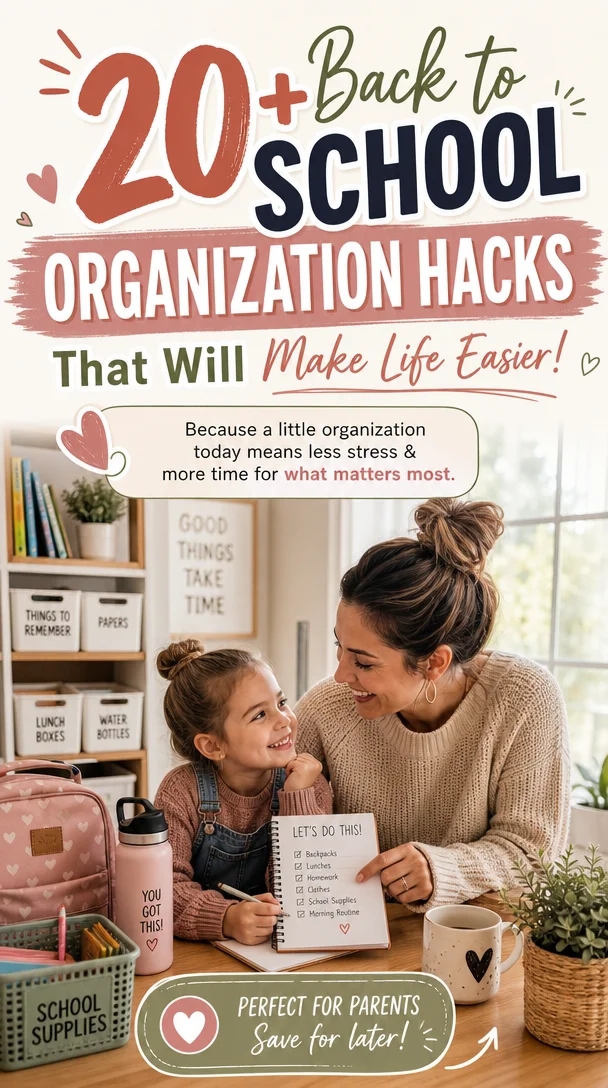
20+ Back to School Organization Hacks That Will Make Life Easier
20+ Back to School Organization Hacks That Will Make Life Easier
Meta Description
Make back-to-school prep a breeze with these 20+ genius organization hacks to simplify your family’s life and keep the chaos at bay!
Introduction
Back to school is a season filled with mixed emotions, isn’t it? As summer wraps up, parents feel excited for a new routine yet overwhelmed by the thought of early mornings, homework, and packed lunches. Trust me, you’re not alone in this whirlwind of emotions.
However, with the right organization hacks, you can turn what feels like chaos into a smooth routine that allows your family to thrive. Here at Little Life Society, I believe that parenting doesn’t have to be a balancing act that leaves you frazzled. Small, thoughtful changes can help lift some of that daily pressure, allowing you to focus on creating meaningful moments with your kids.
So, if you’re ready to take a deep breath and tackle the back-to-school rush with confidence, let’s dive into these 20+ back-to-school organization hacks that’ll make life with school-age kids way easier!
Create a Family Command Center
What It Is
A family command center serves as a hub for all your family’s essentials. Think of it as the heart of your home – where schedules come together, and organization thrives.
How to Set It Up
- Choose a Central Location: An entryway, kitchen wall, or home office works well.
- Add a Calendar: Use a large wall calendar or a digital one to jot down important dates. Make this the go-to place for everyone to check before leaving the house.
- Incorporate a Drop Zone: A basket or bin can be a home for schoolbooks, homework, and permission slips. Label it so everyone knows where to put their items.
Why It Works
By centralizing information, everyone saves time and avoids the common “Where is my backpack?” panic. Plus, it encourages kids to take responsibility for their belongings!
Master the Lunch Packing Routine
Simplify Your Lunch Prep
Bagged lunches don’t have to be a chore. A little prep can go a long way!
Tips to Try
- Theme Days: Assign themes like “Taco Tuesday” or “Fruit Friday.” Get kids involved in planning their lunches around these themes – it adds fun to the routine!
- Batch Prep: Dedicate one day a week to prepare snacks and sandwiches. Use labeled containers in the fridge for easy access.
Example
Try making a week’s worth of sandwiches and freeze them. In the morning, grab one, add fresh fruits or veggies, and you’re good to go!
Organize Homework Spaces
Create a Dedicated Study Zone
Designating a space for homework helps kids focus and minimizes distractions.
Steps to Create an Effective Study Space
- Find the Right Spot: It could be a corner of the dining room, a desk in their bedroom, or a cozy nook. Ensure it has good lighting and minimal distractions.
- Stock Supplies: Fill a caddy with the essentials – pencils, paper, markers, and a calculator. Keep it within arm’s reach.
- Set Up a Rewards System: Create a chart for completing assignments, allowing kids to mark off tasks and earn points for rewards.
Ditch the Paper Clutter with Digital Tools
Going Paperless
If your kitchen counter resembles a paper mountain, it’s time to embrace technology.
Digital Solutions
- Scan and Save: Use an app to scan important documents and permission slips. Store them for easy access, reducing physical clutter.
- Digital To-Do Lists: Utilize an app for family tasks. Everyone can easily add their items and check them off as they complete them.
Why It’s Helpful
Digital organization not only keeps your home tidier but also ensures you never lose important documents again!
Streamline Clothing Choices
Wardrobe Organizing Made Easy
Mornings can be hectic, especially when kids can’t decide what to wear.
Strategies to Try
- Prepare Outfits in Advance: Work with your kids to select outfits for the entire week. Hang them up in order or place them in labeled bins.
- Seasonal Swaps: Rotate clothes seasonally. Store out-of-season items in bins and take out the current season’s outfits to make mornings less chaotic.
A Fun Tip
Get your kids involved by having a “fashion show” at the beginning of each season to pick outfits together. This makes it a fun activity instead of a chore!
Implementing After School Routines
Creating a Structured After-School Time
Creating a calm after-school routine can help kids transition from school to home more smoothly.
Example Routine
- Snack Time: Allow them to enjoy a healthy snack and decompress for a bit.
- Homework Hour: Dedicate a specific time for homework – consistency will help them know what to expect.
- Family Connection Time: Set aside even just 10 minutes to catch up on each other’s days. A brief chat can do wonders for emotional connections!
Plan Your Family Calendar
Make Family Events Visible
Keep track of everyone’s activities with a shared family calendar.
Tips for Calendar Success
- Color Code: Assign each family member a different color. This visual element makes it easier to see who has what going on.
- Add Reminders: Schedule reminders for events and activities so nobody misses anything.
Create Excitement
Consider adding fun stickers for special events like field trips or family outings. Kids will love marking them on the calendar!
Car Organization Hacks
Keep Your Car Tidy
Since the car often becomes a makeshift storage unit, let’s maximize that space!
Simple Hacks
- Backseat Organizer: Hang a pocket organizer on the back of the front seats. Use it to store snacks, toys, or homework supplies.
- Trash Container: Use a small trash bag clipped to the back of a seat or a dedicated container. Teach kids to clean up after every trip.
Result
Creating an organized car makes outings smoother and fosters a sense of responsibility in kids!
Embrace Flexible Routines
Adapt and Overcome
While routines are helpful, life is unpredictable — especially with kids!
Tips to Stay Flexible
- Have Backup Plans: If you’ve planned an outdoor outing but the weather turns, have a fun indoor activity ready to go.
- Mix and Match: Create a list of quick dinners, activities, and home projects to pull from when unexpected interruptions happen.
A Day-to-Day Example
If it rains on your park day, switch to a movie marathon with homemade popcorn. Mixing it up keeps family time fun!
Foster Communication Within the Family
Building Connections
Keeping lines of communication open helps families navigate the back-to-school transition together.
Conversation Starters
- Daily Check-ins: Ask open-ended questions like “What was your favorite moment today?” This invites deeper conversation.
- Family Meetings: Arrange weekly meetings to discuss schedules, upcoming events, or any issues. Make it a fun gathering with snacks to ease into conversations.
Why It Matters
Connecting emotionally helps everyone feel heard and supported in the hustle.
Conclusion
As we enter the back-to-school season, remember that even though it can be hectic, it can also be filled with laughter, connection, and joy. By implementing these 20+ back-to-school organization hacks, you take charge of the chaos and create an environment that nurtures your family’s happiness.
You don’t need to strive for perfection. Focus on celebrating small wins, and always remember that you’re doing an amazing job! Lean into the support of other parents, lean on your community, and embrace the messy beauty of family life. You truly belong here at Little Life Society, where we remind each other that small changes can make all the difference.
Optional FAQ Section
What are some quick breakfast ideas to help on busy mornings?
Smoothies, overnight oats, or pre-made breakfast burritos can save you a lot of time and provide nutrition!
How can we manage after-school activities with multiple kids?
Establish a family calendar, and prioritize two activities each season to avoid overcommitting.
What do you do if your child resists homework?
Keep the study area comfortable and offer a reward for completion to encourage a positive habit!
Share It!
If you found these organization hacks helpful, please share this article with friends and fellow parents who could use a little lift during the back-to-school hustle. Together, let’s make parenting feel lighter!
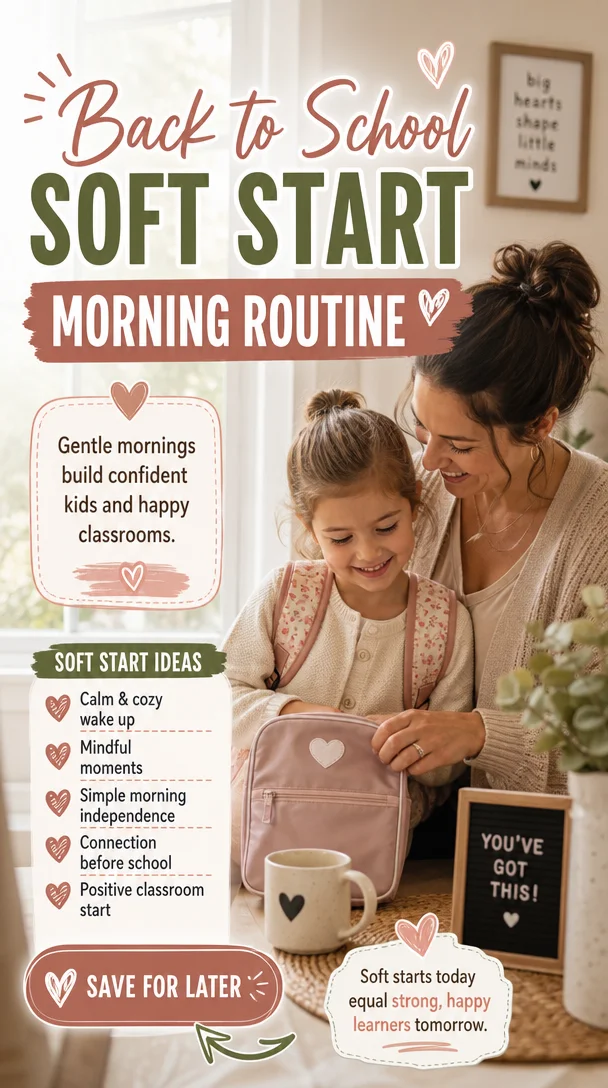
Back to School Soft Start Morning Routine | Soft start ideas, Soft starts in the classroom 1st grade, Classroom morning routine
Back to School Soft Start Morning Routine: Easing Into a Joyful Day
Meta Description
Discover how a Soft Start morning routine can transform your child’s school day into a smooth and joyful experience. Tips, activities, and routines inside!
Introduction
Back-to-school season often feels like a whirlwind, doesn’t it? As summer fades, we find ourselves grappling with early wake-ups, packed lunchboxes, and the lingering nerves that come with a new school year. If you’re like me, you want your child to step into the classroom feeling confident and ready to learn, rather than overwhelmed and anxious.
That’s where a Soft Start morning routine can work its magic! Imagine your little one entering the classroom, greeted by friendly faces and engaging activities that nurture curiosity and social connections. Sounds lovely, right? Let’s explore how implementing a Soft Start not only helps ease your child into the school day but also empowers them to thrive.
What is a Soft Start?
At its core, a Soft Start is an intentional approach to transitioning children into their school day. Lasting between five to twenty minutes, this brief window focuses on engaging activities rather than heavy academic tasks. The thought behind this? Children thrive when they have the opportunity to connect with peers and nurture their social and emotional well-being before diving into academics.
Why is a Soft Start Important?
Have you ever noticed your child’s eyes glaze over when faced with a complex worksheet right when they walk into class? Starting the day with expectations that feel overwhelming can set a stressful tone for the hours ahead. Conversely, a Soft Start invites kids to ease into learning by engaging in conversation and activities geared towards connection and exploration.
Incorporating a Soft Start in the classroom can help:
- Reduce anxiety.
- Foster friendships.
- Ease the transition from home to school.
Creating a Soft Start Morning Routine
The Classroom Setup
Setting up a cozy space for your child’s Soft Start can transform the beginning of their school day. Here are some elements to consider in your classroom:
1. Activity Tubs
Prepare engaging activity tubs filled with various materials. Aim for a mix of calming and stimulating tasks, such as:
- Puzzles
- Art supplies (crayons, markers, paper)
- Sensory bins with rice or sand
- Building blocks or LEGO
Example: One morning, set up a tub with clay and tools for sculpting. Kids can create mini monsters or their favorite animals while chatting about summer adventures.
2. Soft Start Expectation Posters
Visual aids can help kids understand the routine. Create a bright and cheerful poster outlining what they can expect during the Soft Start. Include:
- Activity expectations.
- Guidelines for communication (raising hands, sharing space).
- Encouraging reminders.
3. Journaling Templates
Introduce a Soft Start journaling template for kids who want to express their thoughts or illustrate their feelings about returning to school.
Sample Soft Start Activities
Every classroom can benefit from a set of flexible activity ideas to inspire connection, creativity, and collaboration. Here are six fun activities you can easily integrate into your Soft Start routine:
1. Friendship Circle
Bring kids together in a circle on the carpet. Prompt them with questions about their summer, favorite games, or goals for the school year. This creates a warm community feel.
Tip: Encourage sharing with conversation starters such as "What was the best book you read this summer?"
2. Mini Art Gallery
Set up an art station where students can create mini artworks. After the time is up, display their creations around the room or in the hallways. Letting kids feel proud of their artistic expressions boosts confidence.
3. Group Games
Engage children with simple group games, like “Simon Says” or “Duck, Duck, Goose.” These playful activities promote laughter and ease any nerves.
4. Morning Mindfulness
A few moments of mindfulness can be incredibly refreshing. Lead the students in deep breathing or a simple meditation exercise to start the day with focus.
5. Storytime Sharing
Read a few pages from a fun book and encourage kids to discuss their favorite parts. Allow them to connect storytelling with personal experiences.
6. Mystery Box of Wonders
Fill a box with intriguing items (a feather, a magnifying glass, a small globe). Have students draw items, discuss their significance, or ask questions.
Supply List for a Successful Soft Start
Here’s a quick supply list with links to help you get started on your Soft Start journey:
- Activity Tubs: Order here
- Crayons and Markers: Try these
- Sensory Bin Materials: Shop here
- Art Supplies: Find them here
- Journaling Templates: Download now
Actionable Tips for Parents
As a parent, you play a pivotal role in preparing your child for a smooth transition back to school. Here are some actionable tips to boost that Soft Start experience at home:
Morning Preparation
-
Start Gradually: A few days before school begins, ease your child into waking up earlier. Gradually shifting bedtime will help them feel more rested.
-
Create a Morning Playlist: Curate a short playlist of cheerful songs to energize your morning routine. It can work wonders in setting a positive tone.
-
Pre-Pack Lunches: Set up a lunch-making station together, allowing your child to pick their favorite fruits and snacks for school.
-
Set Expectations: Talk about what a Soft Start means, explaining how they will spend their first moments in the classroom engaging in exciting activities with classmates.
Establishing a Routine
Building a routine at home can enhance your child’s experience. Consider these tips to help foster consistency:
-
Create a Morning Visual Schedule: Use pictures with brief descriptions, making it easier for younger children to understand what to expect.
-
Incorporate a Quick Check-in: Take a moment for a brief chat over breakfast about how they’re feeling about returning to school. Offer reassurance that you’re there for them.
-
Teach Independence: Encourage your child to pick out their clothes or pack their backpack to foster independence and ownership of their routine.
Encourage Reflection
A little reflection can go a long way. Encourage your child to share their thoughts about the Soft Start once they return home:
-
Ask open-ended questions like, “What did you enjoy today?” or “Who did you play with during the Soft Start?”
-
Fostering an environment for your child to express their feelings builds their confidence and helps you stay connected.
Conclusion: Celebrate Every Moment
As you embark on this back-to-school journey, remember that it’s okay to feel a mix of emotions. Embracing a Soft Start morning routine can ease the transition and foster an environment where your child feels secure and excited to learn.
Allow every little moment—a shared giggle, a creative art piece, or a simple conversation—to be a reason to celebrate. You are doing an incredible job, and every small change matters. Parenting doesn’t come with a perfect handbook; it’s about finding what works best for your family and enjoying the beautiful, messy ride.
So here’s to gentle mornings, delightful connections, and the magical moments that make up our wonderful parenting journey. You’ve got this!
Optional FAQ Section
Q: How long should a Soft Start ideally last?
A: A Soft Start can last anywhere from five to twenty minutes, depending on your classroom setup and children’s needs.
Q: Can I incorporate a Soft Start at home?
A: Absolutely! Use similar activities and routines to ease your child into their day before heading to school.
Q: How can I get my child excited about school again?
A: Engage them in conversations about what they are looking forward to and create rituals surrounding school mornings. It can be as simple as making their favorite breakfast together or sharing daily highlights.
This blog post provides a comprehensive guide to implementing a Soft Start morning routine as an effective way to support children during their back-to-school transition. It embraces the emotional facets of parenting while offering practical tips for everyday use. Happy parenting!