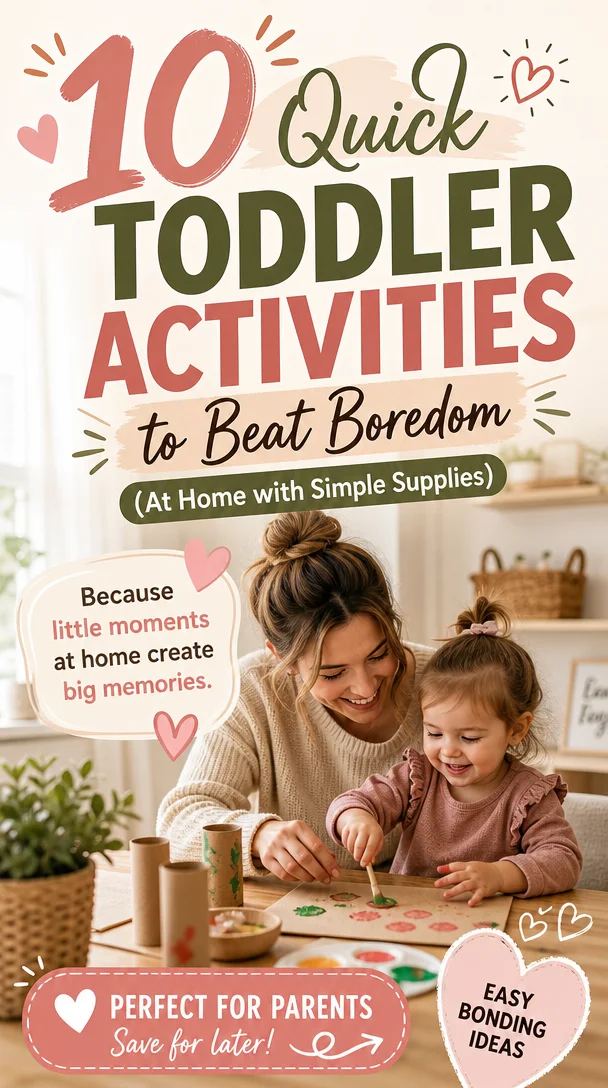
The Best Toddler Activities: Engaging Fun for Your Little One
Meta Description
Discover engaging and purposeful toddler activities for 16- to 18-month-olds. Foster development with these fun ideas that make parenting easier and joyful!
Introduction
Ah, the magic of toddlerhood! Those tiny hands, curious eyes, and the way they light up with every new discovery can make your heart swell with joy. But let’s be real — parenting a toddler can also feel like navigating a miniature whirlwind. As they enter the 16 to 18-month phase, these little explorers crave engagement, and finding the right activities can be a game-changer for both of you.
You may wonder how to nurture their natural curiosity while also staving off the chaos. Spoiler alert: it doesn’t require any magic wands, just a sprinkle of creativity and a dash of purpose! In this article, I’ll share a treasure trove of toddler activities designed to stimulate their minds and fine-tune those growing motor skills while keeping the “messy” part of parenting surprisingly delightful.
Let’s jump in and explore the best toddler activities that’ll have your little one giggling, learning, and maybe even napping a little better. Grab your coffee (while it’s still warm!) and let’s make this journey through toddlerhood a joyful one.
Open-Ended Play: The Key to Imaginative Learning
What is Open-Ended Play?
Open-ended play involves toys and activities that allow your toddler to explore freely and creatively. Unlike toys with preset functions, these activities let them experiment, creating their own narratives and scenarios.
Examples of Open-Ended Activities
-
Sensory Bins: Fill a shallow bin with rice, beans, or pasta and hide small toys or scoops for them to discover. This tactile experience develops fine motor skills while satisfying their innate curiosity.
-
Building Blocks: Invest in a variety of building blocks. Encourage your toddler to build tall towers or even replicate what they see around them. Celebrate their creations, no matter how wobbly!
-
Art Station: Set up a dedicated art corner with crayons, washable markers, and paper. Let them scribble away freely to express themselves. Remember, it’s more about the process than the product!
The Joy of Messy Play
Absolutely embrace the mess! While you may cringe at the thought of paint splatters or glitter explosions, messy play is essential for their development. It fosters creativity and builds problem-solving skills as they navigate textures and colors.
Practical Life Activities: Learning by Doing
What Are Practical Life Activities?
These activities mimic daily tasks that adults perform, giving toddlers a sense of ownership and responsibility. They help develop fine and gross motor skills while giving them real-world context.
Examples of Practical Life Activities
-
Transferring Objects: Use small cups or scoops and teach them to transfer items from one bowl to another. Be it beans, buttons, or even pieces of fruit — the focus is on honing those motor skills.
-
Water Play: Fill a shallow basin with a bit of water and give them cups, sponges, or small toys. Not only does this develop coordination, but it also offers a calming sensory experience.
-
Simple Cooking Tasks: Get your little chef involved in the kitchen! Let them mix, stir, or even help wash fruits and vegetables. Kids feel proud being part of family meals, and they learn vital skills along the way.
Montessori-Inspired Activities: Isolating Skills in a Fun Way
What is Montessori Play?
The Montessori approach emphasizes self-directed, hands-on learning. By isolating specific skills in playful contexts, toddlers can cultivate independence and confidence.
Examples of Montessori Activities
-
Puzzle Play: Provide simple wooden puzzles that incorporate shapes and animals. Discuss the pieces and their names as they fit them together.
-
Color Sorting: Use colorful pom-poms or blocks and a muffin tin. Have your toddler sort them by color, fostering both color recognition and classification skills.
-
Buttoning Frames: Create or buy frames that allow them to practice buttoning, zipping, and snapping. This not only aids in fine motor skill development but also builds their self-sufficiency.
Screen-Free Activities: Keeping It Real
In our tech-savvy world, it’s easy to slip into screen time, but let’s prioritize enriching play that engages their minds and bodies.
Screen-Free Ideas
-
Nature Walks: Take them outside and explore the wonders of nature. Collect leaves, stones, or flowers, and discuss colors, shapes, and textures.
-
Dance Party: Play music you both enjoy and have a mini dance-off. Just remember, it’s not about being graceful but about having fun and expressing joy!
-
Storytime Adventures: Choose colorful storybooks with vibrant imagery or interactive textures. Discuss the characters and ask questions to enhance comprehension and social skills.
Tips for Intentional Playtime
1. Set Up a Routine
Establish a flexible daily schedule that includes focused playtime. It could be as simple as:
- Morning: Open-ended play
- Midday: Practical life activities
- Afternoon: Montessori-inspired tasks
2. Be Present
Put away distractions and immerse in the activity together. Your engagement transforms ordinary moments into extraordinary connections.
3. Celebrate Progress
Acknowledge their achievements, no matter how small. “Wow, look how high that tower is!” reinforces their sense of accomplishment and encourages them to keep exploring.
Encouraging Emotional Development
1. Model Emotional Awareness
Talk about feelings openly. Use scenarios from their play to contextually teach empathy — "How do you think that character feels?"
2. Introduce Gentle Discipline
Encourage gentle boundaries. Instead of “No hitting,” rephrase to “We use our hands to help, not hurt.” This redirects behavior positively and cultivates understanding.
3. Engage in Play with Purpose
Use role-play or storytelling to introduce ideas like sharing or taking turns. Narrate actions to gently guide emotional development while keeping it light and fun.
Conclusion
Raising a toddler can feel overwhelming at times, but remember, you’re not alone in this journey. As you explore these engaging and purposeful activities, celebrate each small victory, whether it’s a new word spoken or a tower built. These moments of connection will build a sturdy foundation for their development while making the everyday chaos a little easier to manage.
Embrace the mess, the giggles, and the wondrous exploration. You’re doing an amazing job, and as our little ones grow, so do we as parents. Keep creating those meaningful moments, and let the magic of childhood unfold — one delightful activity at a time.
FAQs about Toddler Activities
Q: How do I choose the right activities for my toddler?
A: Observe what your child enjoys. Choose activities that excite them and introduce new ones gradually to keep their curiosity alive.
Q: What if my toddler loses interest quickly?
A: That’s completely normal! It’s okay to switch activities, keeping things fresh. Follow their lead and adapt as necessary.
Q: Are screen-free activities truly beneficial?
A: Yes! Engaging in screen-free activities promotes cognitive development and nurtures creativity, allowing toddlers to explore the world around them actively.
Remember, in this ever-changing phase of parenting, just know: you’ve got this! Let every little moment count.